
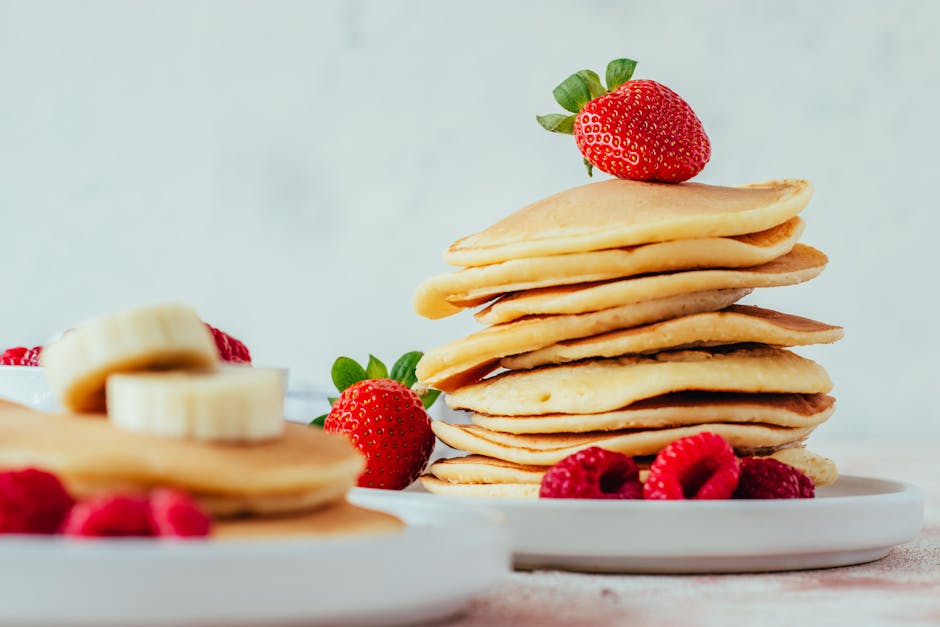
Super Easy Funnel Cakes: A Step-by-Step Guide to Fairground Delights at Home
The allure of the funnel cake is undeniable, conjuring images of vibrant fairgrounds, bustling carnivals, and the sweet, nostalgic aroma of fried dough dusted with powdered sugar. Traditionally, creating this iconic treat has been perceived as a task requiring specialized equipment and a certain level of culinary dexterity. However, this comprehensive guide dismantles that notion, providing a super easy, step-by-step approach to achieving perfect, golden-brown funnel cakes in the comfort of your own kitchen. Forget elaborate mixers or professional deep fryers; this method focuses on accessible ingredients and straightforward techniques, ensuring anyone can replicate this beloved dessert with minimal fuss. We will delve into the essential components of a successful funnel cake, from the batter consistency to the optimal frying temperature, and offer variations and topping ideas to elevate your homemade experience. The goal is to empower home cooks to confidently whip up these delightful treats, offering a taste of fairground magic without the travel or the high cost. We’ll cover everything you need to know, from selecting the right oil to achieving that characteristic lacy pattern, making this the definitive resource for aspiring funnel cake aficionados.
The cornerstone of any successful funnel cake is its batter. The beauty of this super easy recipe lies in its simplicity, requiring only a few common pantry staples. You’ll need all-purpose flour, granulated sugar, baking powder for lift, salt to balance the sweetness, and milk for moisture. For that characteristic richness and tender texture, eggs are crucial. The key to an easy funnel cake batter is its pourable yet slightly thick consistency. It shouldn’t be too runny, or it will spread too thinly and burn quickly. Conversely, it shouldn’t be too thick, or it will result in dense, doughy cakes. A good starting point is to aim for a batter similar to pancake batter, but perhaps a touch thicker.
To begin, whisk together 2 cups of all-purpose flour, 1/4 cup of granulated sugar, 2 teaspoons of baking powder, and 1/2 teaspoon of salt in a large bowl. These dry ingredients form the base of your funnel cake, providing structure and flavor. In a separate bowl, whisk together 2 large eggs and 1 1/2 cups of milk until well combined. It’s important to ensure the eggs are thoroughly beaten to incorporate air, which will contribute to a lighter texture. Gradually pour the wet ingredients into the dry ingredients, whisking continuously. The goal here is to achieve a smooth batter without overmixing. Overmixing can develop the gluten in the flour, leading to a tougher funnel cake. A few small lumps are perfectly acceptable. Once the batter is combined, let it rest for about 5-10 minutes. This brief resting period allows the flour to hydrate and the baking powder to begin its leavening action, resulting in a more tender and airy final product.
The choice of frying oil is paramount for achieving that perfect crisp exterior and soft interior. For funnel cakes, a neutral-flavored oil with a high smoke point is ideal. Vegetable oil, canola oil, or peanut oil are excellent choices. Avoid strongly flavored oils like olive oil, as their taste can overpower the delicate sweetness of the funnel cake. You’ll need approximately 3-4 cups of oil, depending on the size of your pot or skillet. It’s important to have enough oil to allow the funnel cake to float freely, ensuring even cooking.
Heating the oil to the correct temperature is perhaps the most critical step in the funnel cake making process. Too cool, and the cake will absorb excessive oil, becoming greasy and soggy. Too hot, and the exterior will brown too quickly before the interior is cooked through, resulting in a burnt outside and raw middle. The ideal temperature for frying funnel cakes is between 350°F and 375°F (175°C to 190°C). A deep-fry thermometer is a valuable tool for maintaining this temperature accurately. If you don’t have a thermometer, you can test the oil by dropping a tiny bit of batter into it. If it sizzles immediately and floats to the top, the oil is ready. If it browns too rapidly, it’s too hot; if it sinks and bubbles slowly, it’s too cool.
The "funnel" aspect of a funnel cake comes from the method of pouring the batter into the hot oil. While a traditional funnel is often used, a super easy alternative is to use a squeeze bottle with a medium-sized opening or even a sturdy plastic zip-top bag with a corner snipped off. This allows for controlled pouring and the creation of the characteristic lacy, criss-cross pattern.
To fry your funnel cake, carefully pour about 1/2 cup of batter into the hot oil in a circular motion, starting from the center and spiraling outwards. You can also create a criss-cross pattern by pouring back and forth. Don’t overcrowd the pan; fry one or two at a time, depending on the size of your cooking vessel. The batter will begin to bubble and solidify almost immediately.
Once the edges of the funnel cake are golden brown, typically after 1-2 minutes, it’s time to flip it. Use a metal spatula or tongs to carefully turn the cake over, ensuring the uncooked side is submerged in the oil. Continue to fry for another 1-2 minutes, or until both sides are a beautiful golden brown and the cake is cooked through.
The key to a super easy funnel cake is understanding the visual cues. You’re looking for an even, rich golden-brown color across the entire surface. The batter should be cooked through, not doughy in the center. As the cake cooks, you can gently press the center with your spatula to check for firmness. Once both sides are perfectly golden, carefully remove the funnel cake from the oil, allowing any excess oil to drip back into the pan.
To drain excess oil and ensure a crispy texture, place the fried funnel cake on a wire rack set over a baking sheet. This allows air to circulate around the cake, preventing it from becoming soggy. This is also the opportune moment to apply the quintessential funnel cake topping: powdered sugar. Generously dust the warm funnel cake with powdered sugar. The heat of the cake will help the sugar adhere, creating that classic snowy effect.
Beyond the classic powdered sugar, the possibilities for toppings are endless, transforming your super easy funnel cake into a gourmet dessert. Consider a drizzle of warm chocolate sauce for a decadent twist. Fresh berries, like strawberries or raspberries, add a burst of freshness and vibrant color. A dollop of whipped cream is a timeless accompaniment, offering a light and airy contrast to the fried dough. For a more complex flavor profile, try a caramel sauce or a sprinkle of cinnamon sugar after frying. Nutella, fruit compotes, or even a scoop of vanilla ice cream can elevate your homemade funnel cake experience to new heights. The beauty of this super easy recipe is its versatility; it serves as a perfect canvas for your favorite sweet creations.
Storing leftover funnel cake is less about preserving freshness and more about enjoying them soon after they’re made. Funnel cakes are best enjoyed immediately after frying when they are warm and crispy. However, if you do have leftovers, they can be stored in an airtight container at room temperature for a day or two. They will lose their crispiness over time, but can be revived by a short stint in a toaster oven or a conventional oven at a low temperature (around 300°F or 150°C) until warmed through and slightly crisped. Reheating in a microwave will likely result in a chewy texture, so it’s best to avoid that method for optimal results.
When preparing your funnel cake station, consider some helpful tips and tricks for a smoother experience. Having all your ingredients measured and ready before you start is crucial, especially when dealing with hot oil. Set up a designated area for frying, including your pot of oil, thermometer (if using), a slotted spoon or spatula for flipping, and your wire rack for draining. Have your powdered sugar or other toppings readily accessible. The squeeze bottle or zip-top bag method for pouring the batter is a game-changer for ease and control. Ensure your oil is heated to the correct temperature before adding the batter, and don’t be afraid to adjust the heat as needed during the frying process. If the oil starts to get too hot, briefly remove the pot from the heat. If it cools down too much after adding batter, increase the heat. Patience and attention to temperature are key to achieving that perfect golden hue.
SEO optimization for this content involves several strategies. The primary keyword, "Super Easy Funnel Cakes," is strategically placed in the title, headings, and throughout the body of the article. Related keywords such as "homemade funnel cakes," "easy funnel cake recipe," "fairground funnel cakes," "fried dough," and "dessert recipes" are also integrated naturally. The article is structured with clear headings and subheadings to improve readability and search engine crawlability. Bullet points and numbered lists can further enhance user experience and SEO by breaking down information into digestible chunks. The use of descriptive language and detailed instructions caters to users actively searching for solutions and recipes. Furthermore, the comprehensive nature of the article, covering ingredients, preparation, frying techniques, and topping ideas, positions it as a valuable and authoritative resource, encouraging longer engagement times and potentially higher rankings. The emphasis on "super easy" directly addresses a common user intent, making it highly discoverable for those seeking quick and uncomplicated dessert options.
Troubleshooting common funnel cake issues is an important part of mastering the super easy method. If your funnel cakes are coming out too greasy, the oil temperature is likely too low. Ensure your oil is consistently between 350°F and 375°F. If your funnel cakes are burning on the outside before the inside is cooked, the oil is too hot. Reduce the heat slightly. If your funnel cakes are flat and dense, you might have overmixed the batter, or your baking powder might be old and lost its leavening power. For uneven browning, ensure you are flipping the cake at the right time and that it has enough space to cook evenly in the oil. If you’re struggling to get the lacy pattern, try adjusting the thickness of your batter or the speed at which you pour it. A slightly thicker batter poured more deliberately can create more defined patterns. Don’t be discouraged by initial attempts; practice makes perfect, and even "imperfect" funnel cakes are usually delicious.
The joy of making funnel cakes at home lies in the simplicity and the rewarding outcome. This super easy guide demystifies the process, making it accessible to even novice bakers. From the carefully balanced batter to the precise frying temperature, each step is designed for success. The versatility of toppings allows for endless customization, catering to every palate. Whether you’re craving a taste of nostalgia, looking for a fun family activity, or simply want to impress with a homemade treat, these super easy funnel cakes are the perfect solution. Embrace the ease, enjoy the process, and savor the delicious results of your own fairground-inspired delights.

