DIY Sugar Scrub: The Ultimate Guide to Homemade Exfoliation
Homemade sugar scrubs offer a natural, cost-effective, and customizable way to achieve smooth, radiant skin. Unlike store-bought exfoliants, which can contain harsh chemicals and artificial fragrances, DIY sugar scrubs allow you to control every ingredient, tailoring the formula to your specific skin type and preferences. The core component of any sugar scrub is sugar itself. Granulated sugar is ideal for body scrubs due to its medium grain size, providing effective exfoliation without being overly abrasive. Finer sugar, like caster sugar, is better suited for facial scrubs as it’s gentler on delicate facial skin. Brown sugar, with its molasses content, offers a slightly richer, more moisturizing scrub. The combination of sugar’s granular texture and a moisturizing base creates a powerful yet gentle exfoliant that buffs away dead skin cells, revealing the fresh, healthy skin underneath. This process not only improves skin texture and appearance but also enhances the absorption of moisturizers and other skincare products.
The base oil is the second crucial element in a sugar scrub recipe. It binds the sugar together, provides slip for easy application, and most importantly, moisturizes the skin. A variety of oils can be used, each with its unique benefits. Coconut oil is a popular choice for its deeply moisturizing and anti-inflammatory properties. It solidifies at room temperature, giving the scrub a slightly firmer consistency. Sweet almond oil is rich in vitamins E and A, making it excellent for soothing and nourishing dry or sensitive skin. Jojoba oil closely mimics the skin’s natural sebum, making it a good option for all skin types, including oily and acne-prone skin. Olive oil, especially extra virgin olive oil, is packed with antioxidants and provides intense hydration, though its scent might be a consideration for some. Grapeseed oil is a lighter, less greasy option that is easily absorbed and can help balance oily skin. Shea butter and cocoa butter are solid emollients that can be melted and incorporated into sugar scrubs to create a richer, more luxurious texture and provide superior hydration. The choice of base oil significantly influences the scrub’s feel, scent, and overall skin benefits.
Essential oils are where the true customization of a homemade sugar scrub comes alive. These potent plant extracts offer a wide range of therapeutic benefits, from relaxation and stress relief to boosting energy and combating acne. Lavender essential oil is renowned for its calming and soothing properties, perfect for an evening scrub or for those with sensitive skin. Peppermint essential oil provides a refreshing, invigorating sensation and can help to awaken the senses, making it ideal for a morning scrub. Tea tree essential oil is a powerful antiseptic and antibacterial agent, making it a fantastic addition for acne-prone skin. Lemon or orange essential oils offer uplifting citrus notes and can help brighten the complexion, though care should be taken as citrus oils can be photosensitive. Chamomile essential oil is excellent for reducing redness and inflammation. Eucalyptus oil can help to clear sinuses and provide a decongestant effect. When using essential oils, it’s crucial to use them in moderation, as they are highly concentrated. A general guideline is 10-20 drops of essential oil per cup of scrub base. Always perform a patch test before applying a new essential oil to a larger area of your skin to check for any adverse reactions.
The process of making a sugar scrub is remarkably simple, requiring minimal tools and expertise. Begin by measuring your sugar into a clean bowl. If you’re using a solid oil like coconut oil or shea butter, melt it gently in a double boiler or a microwave-safe bowl in short intervals until just liquefied. Add the melted oil (or your chosen liquid oil) to the sugar, starting with a smaller amount and gradually adding more until the desired consistency is achieved. The scrub should be moist enough to hold together when squeezed but not so oily that it separates excessively. Next, incorporate your chosen essential oils, stirring them in thoroughly. For added benefits or aesthetic appeal, you can also add other ingredients. Ground coffee grounds can be added for an extra exfoliating punch and caffeine boost, which can temporarily tighten skin and reduce the appearance of cellulite. Finely ground oats can provide a gentle, soothing scrub, particularly beneficial for eczema or irritated skin. A touch of vanilla extract can add a comforting, warm scent. Spices like cinnamon or ginger can offer warming and invigorating properties, but be mindful of their potential to irritate sensitive skin.
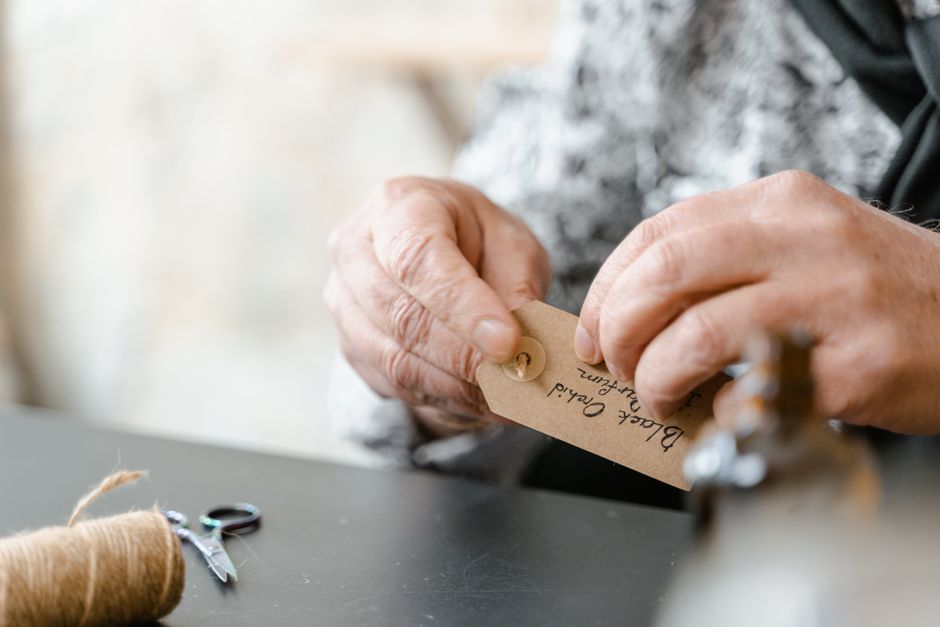
Once your sugar scrub is mixed to perfection, it’s time to store it appropriately to maintain its freshness and quality. Sterilized glass jars with tight-fitting lids are the ideal storage containers. Glass is non-reactive and won’t leach chemicals into the scrub, and a tight lid prevents moisture from entering, which can lead to bacterial growth and spoilage. Label your jars clearly with the ingredients and the date of creation. This is especially helpful if you make multiple variations or as the scrub ages. Store your homemade sugar scrubs in a cool, dry place, away from direct sunlight and heat. Avoid storing them in the shower, as the constant exposure to steam and water can shorten their shelf life. A bathroom cabinet or a linen closet are suitable alternatives. Depending on the ingredients used and storage conditions, homemade sugar scrubs typically have a shelf life of 3-6 months. If you notice any signs of spoilage, such as an off odor, mold, or a change in texture, it’s best to discard the scrub.
Using a sugar scrub is a straightforward yet luxurious self-care ritual. Begin by cleansing your skin thoroughly in a shower or bath. While your skin is still damp, scoop a generous amount of your homemade sugar scrub into your hands. Gently massage the scrub onto your skin in circular motions, focusing on rough or dry areas like elbows, knees, and heels. Avoid applying excessive pressure, allowing the sugar granules to do the work of exfoliation. For a gentler exfoliation, use less pressure and shorter strokes. For a more invigorating scrub, you can apply a bit more pressure and make longer, more sweeping motions. The oil in the scrub will moisturize your skin as you exfoliate. Once you’ve covered the desired areas, rinse off the scrub thoroughly with warm water. You’ll immediately notice how much softer and smoother your skin feels. After patting your skin dry with a soft towel, follow up with your favorite body lotion or moisturizer to lock in the hydration. For best results, exfoliate 1-2 times per week, depending on your skin’s sensitivity. Over-exfoliation can lead to irritation, so listen to your skin and adjust accordingly.
The benefits of incorporating regular exfoliation with a homemade sugar scrub into your skincare routine are numerous and impactful. Firstly, it effectively removes dead skin cells. This buildup of dead cells can make skin appear dull, dry, and flaky. Exfoliation reveals the fresh, vibrant skin cells underneath, leading to a brighter, more luminous complexion. Secondly, it promotes cell turnover. The process of sloughing off old cells encourages the skin to regenerate and produce new, healthy cells more efficiently. This can help to improve skin texture, reduce the appearance of fine lines and wrinkles, and promote a more youthful look. Thirdly, it unclogs pores. Dead skin cells, along with excess oil and impurities, can accumulate in pores, leading to blackheads, whiteheads, and acne breakouts. Exfoliation helps to clear these blockages, resulting in clearer, smoother skin. Fourthly, it improves skin tone and texture. By removing the rough outer layer of dead skin, a sugar scrub can help to even out skin tone and create a smoother, more refined skin surface. This can also make minor imperfections, such as superficial acne scars, less noticeable.
Furthermore, exfoliation significantly enhances the effectiveness of other skincare products. When dead skin cells are removed, moisturizers, serums, and lotions can penetrate the skin more deeply and effectively. This means you’ll get more benefit from your existing skincare routine, leading to better hydration, nourishment, and overall skin health. For those concerned with ingrown hairs, regular exfoliation can be a game-changer. By keeping pores clear and removing the barrier of dead skin cells, it helps to prevent hairs from becoming trapped beneath the skin’s surface. This is particularly beneficial for individuals who shave or wax. The act of massaging a sugar scrub onto the skin also provides a wonderful lymphatic drainage and circulatory boost. The gentle massage action can help to stimulate blood flow, bringing oxygen and nutrients to the skin’s surface, which contributes to a healthy glow. For many, the ritual of making and using a homemade sugar scrub is also a form of stress relief and self-care. The process itself can be mindful and meditative, and the act of pampering your skin can be incredibly therapeutic.
When crafting your DIY sugar scrub, consider the specific needs of different body parts. For the delicate skin of the face, a gentler approach is paramount. Use fine granulated sugar or caster sugar, and opt for lighter oils like jojoba or grapeseed oil. Essential oils should be chosen for their skin-renewing and balancing properties, such as frankincense or chamomile. Avoid any potentially irritating essential oils. For the hands, which are frequently exposed to harsh elements, a nourishing scrub is ideal. A blend of brown sugar, coconut oil, and a touch of honey can work wonders to soften and rehydrate dry, chapped hands. For the feet, which often suffer from rough skin and calluses, a more robust scrub is warranted. Coffee grounds mixed with a coarser sugar, coconut oil, and a few drops of peppermint essential oil can create a powerfully invigorating and softening treatment for tired feet. Exfoliating your lips is also a simple yet effective way to achieve a smoother pout. A very fine sugar mixed with honey and a touch of shea butter can create a gentle lip scrub that buffs away dry, flaky skin and leaves lips feeling soft and supple.
The creativity in homemade sugar scrubs is virtually limitless. Experiment with different sugar types, oils, and essential oil combinations to discover your perfect blend. Consider seasonal ingredients for themed scrubs. For example, a fall scrub could incorporate pumpkin puree and cinnamon, while a summer scrub might feature lime zest and coconut. Edible ingredients like honey, yogurt, or mashed fruit (in small quantities and for immediate use, as they can spoil) can add unique benefits and scents. Honey is a natural humectant, drawing moisture to the skin, and also possesses antibacterial properties. Yogurt contains lactic acid, a gentle alpha-hydroxy acid that can help to exfoliate and brighten the skin. Ensure all added ingredients are compatible with the base oil and sugar, and be mindful of potential allergies. Always store homemade scrubs in the refrigerator if they contain perishable ingredients, and use them within a week.
The economic advantage of making your own sugar scrubs cannot be overstated. The cost of raw ingredients like sugar, a variety of oils, and essential oils is significantly less than purchasing pre-made luxury scrubs. This allows you to enjoy the benefits of regular exfoliation without breaking the bank. Furthermore, you can create larger batches and store them for future use, further reducing the cost per application. This also means you can create personalized gifts for friends and family, a thoughtful and practical present that is sure to be appreciated. The satisfaction of creating something beautiful and beneficial for yourself or others is an added bonus. By understanding the basic principles of sugar scrub creation and exploring the vast array of ingredients and benefits, you can unlock the secret to naturally radiant, healthy skin with your own bespoke homemade sugar scrubs.