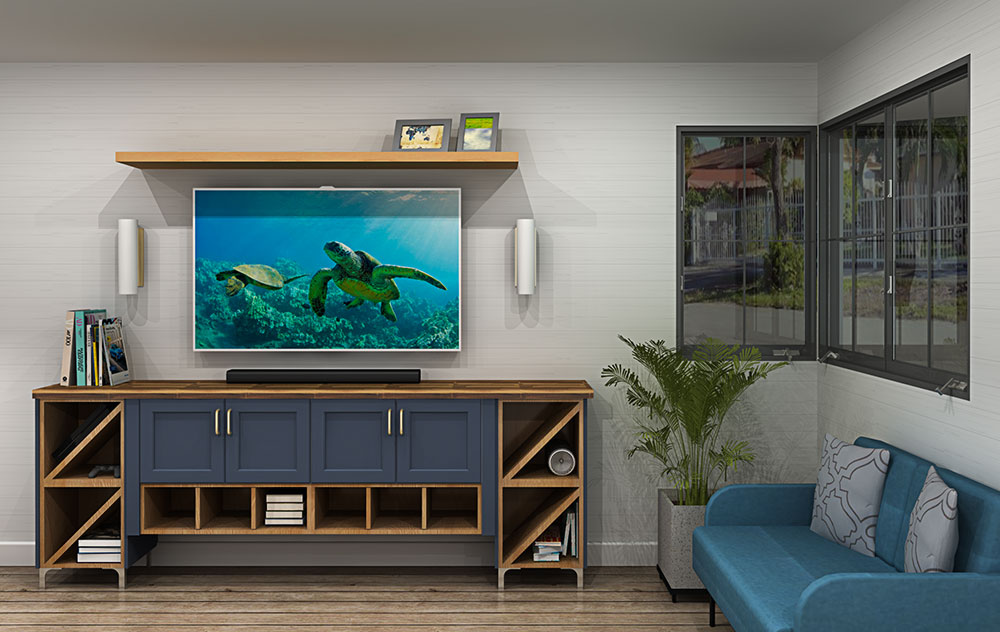

Tag Media Center Design 2: Optimizing Your Home Entertainment Hub
Tag Media Center Design 2 represents a sophisticated approach to organizing and showcasing home entertainment systems, moving beyond basic functionality to incorporate aesthetic appeal, user experience, and technological integration. This design philosophy emphasizes clean lines, modularity, and a thoughtful placement of components to create a visually pleasing and highly functional media room. Unlike simpler designs, Tag Media Center Design 2 prioritizes the seamless flow of cables, heat dissipation for sensitive electronics, and the ergonomic accessibility of devices and controls. The core principle is to build a central hub that is not only a storage solution but also an integrated part of the room’s décor, enhancing the overall ambiance.
The foundation of Tag Media Center Design 2 lies in its modular construction. This approach allows for unparalleled customization, adapting to the unique dimensions of a room and the specific needs of a homeowner’s entertainment setup. Modular components can include shelves of varying depths and heights, cabinet modules with doors or drawers, open shelving units for display purposes, and specialized compartments for AV receivers, gaming consoles, soundbars, and even disc collections. The benefit of modularity is twofold: it enables a perfect fit within any space, preventing wasted room or cramped installations, and it allows for future expansion or reconfiguration as technology evolves or personal preferences change. For instance, a homeowner might start with a basic setup for a TV and soundbar, but as they acquire a Blu-ray player, a gaming console, and a dedicated amplifier, modular shelves and cabinets can be added or swapped out to accommodate these new additions without requiring a complete overhaul of the entire media center. This future-proofing aspect is crucial in a rapidly changing technological landscape.
Cable management is a paramount consideration in Tag Media Center Design 2. Visible, tangled cables detract significantly from the aesthetic and can pose a tripping hazard. This design philosophy integrates solutions for discreet cable routing. Recessed channels within the frame, built-in grommets in shelves and cabinet backs, and dedicated cable management boxes are essential elements. The goal is to ensure that all wiring is hidden from view, creating a clean and uncluttered appearance. This not only enhances the visual appeal but also improves airflow around electronic components, contributing to their longevity and preventing overheating. Furthermore, well-managed cables make troubleshooting and upgrades significantly easier, as access to individual connections is readily available without the need to untangle a spaghetti mess of wires.
Ventilation and heat dissipation are critical design elements for the longevity and optimal performance of sensitive electronic equipment. Tag Media Center Design 2 incorporates passive and active cooling solutions. This can include strategically placed ventilation grilles or louvers on cabinet doors and back panels, allowing for natural airflow. For components that generate more heat, such as high-performance AV receivers or gaming PCs, active cooling solutions like whisper-quiet fans integrated into the unit are considered. The placement of these components within the media center is also crucial; avoiding enclosed, unventilated spaces is paramount. Some designs might even incorporate adjustable fan speeds that can be controlled by temperature sensors, ensuring efficient cooling only when necessary, thus minimizing noise and energy consumption.
Aesthetic coherence is a hallmark of Tag Media Center Design 2. The design is not merely about housing electronics but about creating a cohesive and attractive focal point within a room. This involves careful consideration of materials, finishes, and color palettes. Whether opting for a sleek, minimalist look with matte finishes and hidden hardware, or a more traditional approach with rich wood veneers and decorative trim, the media center should complement the existing interior design of the space. Material choices often include durable and aesthetically pleasing options like solid wood, engineered wood with high-quality veneers, metal accents, and even glass elements for display shelves or cabinet fronts. The integration of lighting, such as LED accent lighting behind shelves or under cabinets, can further enhance the ambiance and highlight components, adding a touch of sophistication and making it easier to locate specific devices.
Ergonomics and user accessibility are frequently overlooked but vital aspects of Tag Media Center Design 2. The placement of commonly used components and controls should be intuitive and comfortable. This means ensuring that AV receivers, Blu-ray players, and gaming consoles are at an accessible height, allowing for easy insertion of discs or connection of peripherals. Remote control storage is also considered, perhaps through integrated drawers or designated compartments, ensuring that remotes are always at hand but not cluttering surfaces. The design should also facilitate easy access to rear ports for connecting new devices or troubleshooting existing ones, avoiding the frustration of contorting oneself into awkward positions. This thoughtful approach to user interaction transforms the media center from a static piece of furniture into a dynamic and user-friendly hub.
The integration of smart home technology is increasingly becoming a standard consideration within Tag Media Center Design 2. This can involve incorporating designated spaces for smart hubs, wireless routers, and other connectivity devices. Power management solutions, such as surge protectors with built-in network filtering, can also be integrated to protect sensitive electronics. Some advanced designs might even include built-in charging stations for mobile devices or integrated universal remote control systems that consolidate the functionality of multiple remotes into a single, user-friendly interface. The aim is to streamline the entire entertainment experience, making it as seamless and automated as possible.
Material selection in Tag Media Center Design 2 goes beyond mere aesthetics; it is also about durability, functionality, and environmental impact. High-quality engineered wood with durable laminate or veneer finishes offers a good balance of affordability and resilience. Solid wood provides a premium feel and exceptional longevity but comes at a higher cost. Metal components, such as brushed aluminum or powder-coated steel, can add a modern industrial touch and offer robust structural support. The choice of hardware, including hinges, drawer slides, and handles, is also crucial for long-term performance and a premium feel. Consideration is also given to sustainable and eco-friendly materials, such as reclaimed wood or bamboo, for those seeking a more environmentally conscious design.
The spatial planning within a Tag Media Center Design 2 is critical. Each component has a designated space that accounts for its dimensions, ventilation requirements, and accessibility. For instance, an AV receiver might require a specific height and width to accommodate its physical size and allow for adequate airflow from above and behind. Gaming consoles, which can generate significant heat, need ample ventilation and easy access to front-facing ports for controllers and USB devices. Soundbars, depending on their size, might be mounted above the display, placed on a dedicated shelf below it, or integrated into the main structure of the media center itself. The placement of the display, whether a television or projector screen, is also a primary consideration, influencing the overall height and depth of the media center to ensure optimal viewing angles and distances.
Future-proofing is a fundamental tenet of Tag Media Center Design 2. This involves anticipating technological advancements and designing the media center to be adaptable. For example, while the current trend might be towards flat-screen televisions, designs can incorporate adjustable shelving or modular components that can accommodate future display technologies, such as larger or deeper units. Similarly, provisions for increased bandwidth and connectivity, such as ample conduit for future cabling needs, can be integrated. The modular nature of the design inherently supports future-proofing, allowing components to be swapped out or added as new technologies emerge without necessitating a complete redesign.
The role of lighting in Tag Media Center Design 2 extends beyond mere illumination. It’s about creating atmosphere and highlighting the entertainment system. Integrated LED strip lighting, often concealed behind shelves or around the perimeter of the unit, can provide a soft, ambient glow that enhances the viewing experience without causing glare. Dimmable controls allow for adjustable brightness, catering to different viewing preferences or room conditions. Accent lighting can also be used to draw attention to specific components, such as a prized collection of vinyl records or a high-end audio amplifier, transforming the media center into a curated display.
The integration of acoustic considerations is also a sophisticated aspect of Tag Media Center Design 2. While not always explicitly part of the furniture design, the media center can be positioned and designed to optimize the sound experience. This might involve ensuring that speakers are not overly obstructed, allowing for clear sound projection. In some custom builds, the media center itself might incorporate acoustic treatments, such as fabric-wrapped panels or strategically placed baffling, to absorb or diffuse sound, reducing unwanted reflections and improving audio clarity.
The ultimate goal of Tag Media Center Design 2 is to create a harmonious blend of technology, functionality, and aesthetics. It transforms the often-cluttered reality of home entertainment systems into an organized, visually appealing, and highly user-friendly centerpiece of the living space. This comprehensive approach ensures that the media center is not just a piece of furniture but an integral and intelligent component of modern living.
