
Magic Hour: Understanding and Maximizing the Golden and Blue Hours for Photography and Filmmaking
Magic hour is a widely recognized term within photography and filmmaking circles to describe a specific period of daylight characterized by unique and highly desirable lighting conditions. It’s not a singular, rigidly defined time but rather a phenomenon that occurs twice a day: once just after sunrise and again just before sunset. This period is revered by visual artists for the soft, warm, and diffuse quality of light it produces, which can dramatically enhance the mood, texture, and aesthetic appeal of any visual medium. Understanding the science behind magic hour and learning how to predict and utilize it is a fundamental skill for anyone serious about capturing compelling images or video.
The science behind magic hour is rooted in atmospheric scattering. During the early morning and late evening, the sun is very low on the horizon. This means its light has to travel a significantly greater distance through the Earth’s atmosphere to reach our eyes and cameras. As sunlight traverses this extended path, it encounters more particles in the atmosphere – molecules of nitrogen and oxygen, dust, water vapor, and aerosols. These particles scatter shorter wavelengths of light (blues and violets) more effectively than longer wavelengths (reds and oranges). This phenomenon, known as Rayleigh scattering, is the same reason the sky appears blue during the day. However, during magic hour, the increased atmospheric path length amplifies this effect. The blue light is scattered away, leaving the warmer, longer wavelengths – reds, oranges, and yellows – to dominate the visible spectrum. This results in the characteristic warm, golden glow associated with the golden hour.
Magic hour is broadly divided into two distinct phases, each offering a unique visual palette. The first is the Golden Hour, which is the most commonly referenced part of magic hour. This phase occurs for a period of roughly one to two hours after sunrise and for a similar duration before sunset. During the golden hour, the sun is low enough to cast long, soft shadows, and the light is predominantly warm and golden in hue. The intensity of the sun is also significantly reduced, eliminating harsh, direct sunlight that can blow out highlights and create unflattering contrast. This diffuse, warm light is incredibly flattering for portraits, landscapes, and architectural photography. It wraps around subjects, revealing subtle textures and contours without creating overly harsh shadows. The elongated shadows also add depth and dimension to scenes, guiding the viewer’s eye through the composition. For filmmakers, the golden hour provides a natural opportunity to create scenes with a warm, romantic, or nostalgic feel. The soft, buttery light can imbue even ordinary settings with an ethereal quality, enhancing the emotional impact of a story.
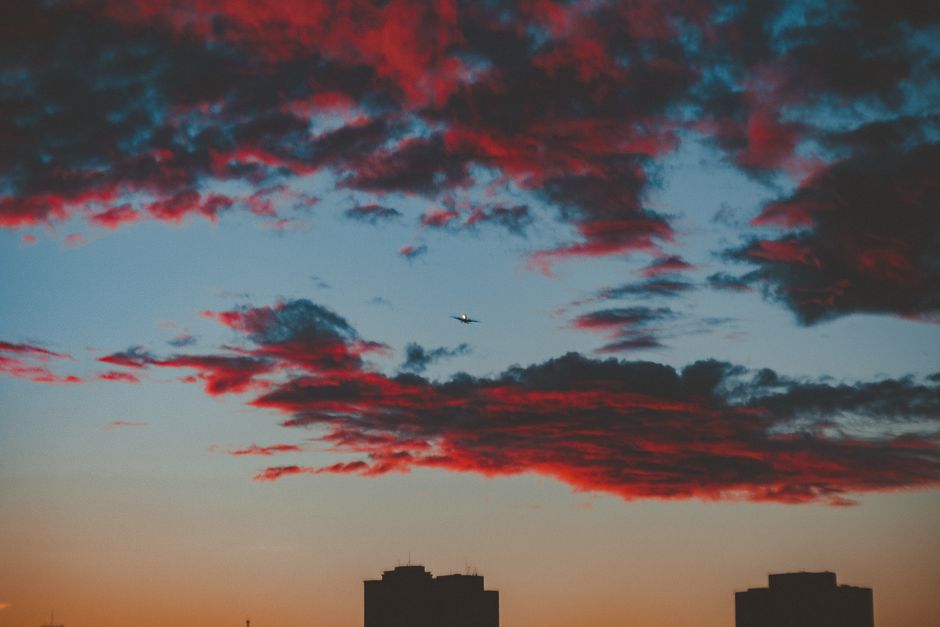
The second phase of magic hour is the Blue Hour. This occurs immediately before sunrise and just after sunset, during the twilight period when the sun is below the horizon but its light is still illuminating the sky indirectly. During the blue hour, the sky takes on a deep, rich blue or violet hue. The direct sunlight has all but vanished, and the light source is now the diffused glow of the sky itself. This cooler, more subdued light creates a sense of tranquility, mystery, and serenity. It is particularly effective for cityscape photography, where the blue tones can contrast beautifully with artificial lights from buildings and streetlamps. For portraits, the blue hour can offer a more dramatic and introspective mood. The cooler tones can evoke feelings of calm, contemplation, or even melancholy. Filmmakers often use the blue hour to depict transitions, moments of introspection, or to create a sense of calm before a storm. The subtle interplay of the deep blue sky with emerging artificial lights can be incredibly cinematic.
The duration and intensity of magic hour are not static; they vary significantly depending on geographical location, time of year, and atmospheric conditions. Near the equator, the sun rises and sets more directly, resulting in shorter and less pronounced magic hour periods. Conversely, at higher latitudes, especially during spring and autumn, the sun’s path is more oblique, leading to longer and more dramatic magic hours. Seasonal changes also play a crucial role. In summer, the sun is higher for longer, shortening the magic hour. In winter, the sun remains lower in the sky for extended periods, offering more opportunities for golden and blue hour photography. Atmospheric conditions, such as the presence of clouds, fog, or pollution, can also profoundly influence the quality of light. A sky with scattered clouds during golden hour can create beautiful rays of light, known as crepuscular rays, adding even more visual interest. Conversely, heavy pollution can create a more muted and hazy effect, while fog can create a dreamy, diffused glow.
Predicting magic hour requires a basic understanding of the sun’s position. The most straightforward way to determine the timing is to use specialized apps or online calculators. These tools leverage astronomical data and your specific location to provide precise sunrise and sunset times, as well as estimations for the golden and blue hours. Many photography-focused apps offer features that not only show these times but also illustrate the sun’s trajectory across the sky, allowing you to anticipate how the light will fall on your chosen location. Planning is paramount for magic hour photography. It’s not something you can typically stumble upon and expect optimal results. Scouting your location beforehand, understanding the direction of light, and having a clear vision for your shot are essential steps. Arriving early at your chosen spot allows you to observe the changing light and make necessary adjustments to your composition and camera settings.
The photographic and filmmaking benefits of magic hour are manifold. The soft, diffused light minimizes harsh shadows and specular highlights, flattering subjects and revealing detail. This is particularly advantageous for portraits, where unflattering shadows can detract from a subject’s features. The warm color temperature of the golden hour adds a pleasing aesthetic, creating a sense of warmth, coziness, and romance. This natural warmth often eliminates the need for extensive post-processing color correction. Longer shadows add depth and dimension to landscapes, guiding the viewer’s eye and creating a sense of drama. The reduced intensity of light allows for easier exposure control, enabling photographers to capture detail in both the highlights and shadows without significant contrast issues. Furthermore, the unique atmospheric conditions during magic hour can create stunning visual effects like sunbeams, lens flares (which can be creatively used), and a softened overall look. For filmmakers, the golden hour evokes a specific mood – often one of nostalgia, romance, or a peaceful conclusion. The blue hour, on the other hand, lends itself to scenes of contemplation, mystery, or the quiet transition from day to night.
To effectively capture magic hour, several technical considerations are important. Camera settings should be adjusted to take advantage of the unique light. Shooting in RAW format is highly recommended, as it provides the most flexibility for post-processing, allowing for greater control over white balance and exposure adjustments. While the golden hour light is warm, it’s often beneficial to set your white balance to "Daylight" or a custom setting around 5500K to capture the natural warmth accurately, rather than relying on auto white balance which might try to neutralize it. For the blue hour, a cooler white balance setting, perhaps around 4000K, can enhance the blues. A tripod is often indispensable, especially during the blue hour when light levels are low, allowing for longer exposure times to capture detail and prevent camera shake. A remote shutter release or the camera’s self-timer can further ensure sharpness by avoiding any vibration from pressing the shutter button.
Experimenting with composition during magic hour can yield spectacular results. The long shadows can be used to lead the viewer into the frame, define shapes, and create leading lines. Silhouettes are also a popular technique during magic hour, where subjects are placed in front of the setting or rising sun, their forms rendered as dark shapes against the vibrant sky. This technique is particularly effective for conveying mood and emotion without distracting detail. For landscapes, consider incorporating foreground elements that are illuminated by the warm light, contrasting with darker backgrounds. In portraiture, positioning your subject with the light source behind them can create a beautiful rim light or halo effect, separating them from the background and adding a dreamy quality.
Post-processing plays a crucial role in enhancing magic hour images. While the natural light is beautiful, subtle adjustments can further elevate the results. This includes fine-tuning the white balance to achieve the desired warmth or coolness, enhancing contrast and clarity to bring out detail, and selectively adjusting colors to emphasize the rich hues of the sky and landscape. Luminosity masks can be used to selectively brighten or darken specific areas of the image, such as bringing out detail in the foreground or enhancing the vibrancy of the sky. Be mindful of over-editing, however; the goal is to enhance the natural beauty of the magic hour light, not to create an artificial look.
In conclusion, magic hour represents a profound opportunity for visual artists to harness the transformative power of natural light. By understanding the scientific principles behind its occurrence, recognizing the distinct characteristics of the golden and blue hours, and employing strategic planning and technical execution, photographers and filmmakers can consistently produce images and footage that are imbued with a captivating atmosphere and aesthetic appeal. The ephemeral nature of magic hour only adds to its allure, making the pursuit of its perfect light a rewarding and ongoing endeavor for any creative individual. Mastering its utilization is not merely about capturing a moment in time, but about crafting an emotion, telling a story, and revealing the world in its most visually enchanting guise.

