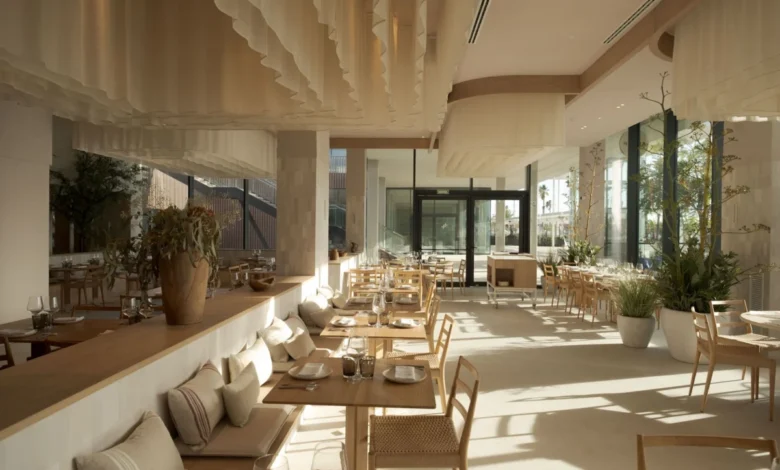
Barcelona continues to cement its status as one of the premier gastronomic capitals of the world, drawing millions of traveling gourmands, culinary historians, and casual diners to its vibrant neighborhoods each year. While contemporary Spain may not offer the absolute budgetary bargains of past decades, the city’s food and beverage ecosystem retains an extraordinary degree of socioeconomic and culinary diversity. From classic, marble-topped bars piled high with traditional tapas to intimate neighborhood spots championing hyper-local, farm-to-table produce, the Catalan capital offers an unmatched dining landscape. Furthermore, the city plays host to several of the world’s most coveted fine-dining institutions, reinforcing a culture where eating and drinking are deeply woven into the fabric of daily life.
The city’s culinary renaissance is defined not only by its deep-rooted Mediterranean traditions but also by an increasingly cosmopolitan flavor profile. In recent years, exceptional Mexican, Peruvian, and Japanese establishments have emerged alongside century-old family-run taverns. At the same time, contemporary Catalan cuisine continues to pay homage to the region’s rich agricultural bounty and distinguished winemaking heritage. In Barcelona, the line between lunch and dinner frequently blurs, and meals regularly extend deep into the evening hours.
The Evolution of Barcelona’s Gastronomic Identity
To understand Barcelona’s current culinary landscape, one must examine the historical trajectory that transformed the city from a regional Mediterranean food hub into a global epicurean powerhouse. For generations, Catalan cuisine was defined by mar i muntanya (sea and mountain) pairings, utilizing fresh seafood from the Costa Brava alongside inland game, cured meats, and wild mushrooms. Markets such as the historic Mercat de la Boqueria served as the beating heart of this culinary culture, supplying home cooks and professional chefs alike with world-class raw ingredients.
The turning point on the global stage arrived in the late 20th and early 21st centuries, largely catalyzed by the avant-garde movement led by pioneering chefs like Ferran Adrià at El Bulli, located just north of the city in Roses. Although El Bulli has closed, its ideological shockwaves permanently altered Barcelona’s dining culture. Chefs in the city began to view traditional Catalan recipes through a lens of scientific innovation and artistic deconstruction.
Over the past decade, this high-concept modernism has evolved into a more grounded, sustainable approach. While molecular gastronomy once dominated international headlines, contemporary Barcelona chefs are increasingly focused on provenance, zero-waste initiatives, and the preservation of ancestral cooking techniques. This shift coincides with a broader economic and cultural evolution in Catalonia, which has seen the city attract an international community of chefs, restaurateurs, and hospitality professionals.
Multicultural Integration and Global Influences
While traditional establishments serving vermouth, pa amb tomàquet (bread with tomato), and patatas bravas remain cornerstones of local life, Barcelona’s palate has broadened dramatically. Economic shifts and global migration patterns have introduced vibrant international flavors to the city’s neighborhoods, particularly in areas like El Born, Sant Antoni, and Gràcia.
Recent years have seen a surge in high-end and casual-chic international eateries. Nikkei cuisine—a fusion of Peruvian and Japanese culinary traditions—has found a natural home in Barcelona, capitalizing on the city’s appreciation for ultra-fresh seafood. Similarly, authentic regional Mexican restaurants have moved far beyond Tex-Mex stereotypes, offering heirloom corn tortillas, complex moles, and mezcal pairings that rival establishments in North America.
Local food critics and cultural analysts note that this multicultural influx has not diluted Catalan identity; rather, it has enriched it. Chefs trained in French, Japanese, or Latin American techniques frequently return to Catalan ingredients, resulting in dynamic cross-cultural dialogues on the plate. This fusion of global technique with local terroir is widely considered the defining characteristic of modern Barcelona gastronomy.
Economic Realities and the Cost of Dining
The global rise in inflation and the surging popularity of tourism in Spain have inevitably impacted restaurant pricing across Barcelona. Industry data indicates that operational costs—including premium local ingredients, commercial rent in prime districts, and compliance with strict European labor and environmental regulations—have risen steadily over the past five years.
Despite these economic pressures, the city’s culinary sector remains remarkably resilient. Restaurateurs have adapted by diversifying their offerings. Many of Barcelona’s top-tier fine-dining establishments now offer accessible midday tasting menus (menú del día), allowing budget-conscious diners to experience Michelin-starred culinary artistry at a fraction of the evening price. Furthermore, the proliferation of casual wine bars and gourmet food halls ensures that high-quality dining is not exclusively the domain of high-net-worth travelers.
Tourism boards and hospitality associations emphasize that Barcelona’s culinary sector is a vital economic engine, accounting for a significant percentage of the city’s service-sector employment and tourism revenue. However, this growth has also sparked important conversations regarding sustainability and the preservation of neighborhood authenticity against the pressures of mass tourism.
Rigorous Selection Standards: How the Best Restaurants Are Chosen
Navigating Barcelona’s dense and competitive restaurant scene requires trusted curation. Publications and gastronomic guides employ rigorous methodologies to identify the city’s standout dining destinations.
The evaluation process typically involves independent selection by travel and food editors, supplemented by on-the-ground reviews conducted by local contributors who possess deep familiarity with the region’s culinary nuances. Reviewers evaluate establishments across a comprehensive matrix of criteria:
- Culinary Execution: Consistency, flavor profiles, originality, and the technical skill demonstrated in the preparation of dishes.
- Provenance and Quality of Ingredients: A heavy emphasis on locally sourced, seasonal produce, sustainable seafood, and ethically raised meats.
- Service and Atmosphere: The attentiveness and professionalism of the front-of-house staff, alongside the interior design, acoustic comfort, and overall ambiance of the dining room.
- Inclusivity and Sustainability: Institutional efforts toward reducing carbon footprints, minimizing food waste, supporting fair labor practices, and accommodating diverse dietary requirements.
This dynamic vetting process ensures that culinary guides remain current, capturing both venerable institutions that have defined the city for decades and boundary-pushing newcomers that represent the future of Barcelona dining.
Broader Impact and Future Implications
The ongoing evolution of Barcelona’s restaurant scene carries significant implications for urban development, agriculture, and tourism management. As diners increasingly demand transparency regarding food origins, local farmers, fishermen, and winemakers are experiencing a renewed appreciation and economic viability. Initiatives that connect urban restaurants directly with rural Catalan agricultural cooperatives are becoming standard practice for establishments aiming for top-tier recognition.
At the same time, city planners and hospitality leaders face the ongoing challenge of balancing the economic benefits of a booming culinary tourism sector with the preservation of residential quality of life. Measures aimed at regulating commercial expansion in historic districts and promoting sustainable tourism practices are central to municipal discussions.
Ultimately, Barcelona’s dining scene remains a dynamic, living reflection of the city itself—proud of its historical roots, open to global influences, and relentlessly focused on the future of flavor. For the traveler willing to explore beyond the tourist traps, the Catalan capital offers an inexhaustible journey through culture, community, and craft.