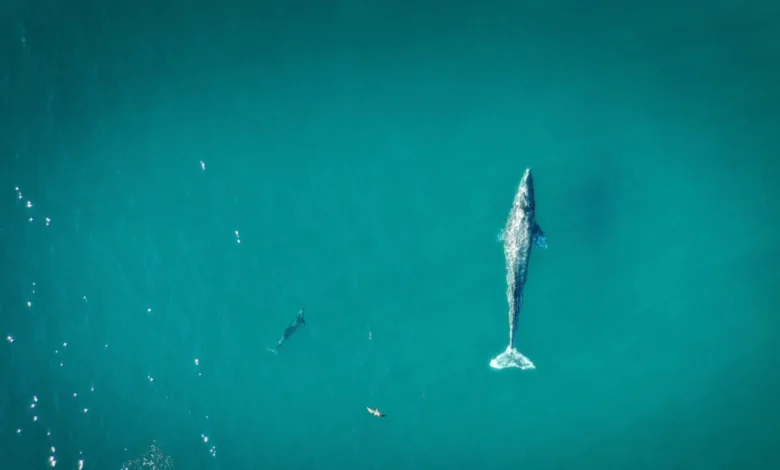
California serves as a premier global destination for marine mammal observation, offering a vast and diverse coastline that stretches over 840 miles along the Pacific Ocean. The state’s unique underwater topography and nutrient-rich currents create a biological "hotspot" that supports a wide array of cetaceans, including the blue whale—the largest animal to ever inhabit the Earth. For travelers and conservationists alike, the experience of encountering these massive mammals in their natural habitat is often described as a transformative event. However, the success of a whale-watching excursion in California is contingent upon a nuanced understanding of animal behavioral patterns, migratory seasons, and regional geography.
Industry experts emphasize that wildlife tourism is most effective when it aligns with the natural rhythms of the ecosystem. According to Josh Geller, a travel specialist with Embark Beyond, the most successful trips are those that follow established animal patterns and seasonality. This seasonal approach is particularly relevant in California, where different species dominate the waters at various times of the year, driven by breeding cycles and the search for food sources.
The Chronology of Migration: A Seasonal Roadmap
The rhythmic movement of whales along the California coast is one of nature’s most consistent spectacles. The most famous of these is the migration of the gray whale, which undertakes a journey of approximately 10,000 to 12,000 miles round-trip between its feeding grounds in the Arctic and its breeding lagoons in Baja California, Mexico. This represents the longest known migration of any mammal on the planet.
During the winter months, gray whales are observed heading southward. This period also provides opportunities to spot fin, humpback, and minke whales. As spring arrives, the gray whales begin their northward return, often accompanied by newborn calves. During this transition, fin whales become more abundant in certain regions, and orcas (killer whales) begin to populate the waters of Northern California, often following the gray whale calves.
By the summer, the focus shifts to the deep waters off Southern California, where the elusive blue whale becomes the primary attraction. These behemoths can reach lengths of 100 feet and weigh as much as 200 tons. In the autumn, the migratory cycle continues as attention returns to the humpback whales in the southern regions and shifts back to the orcas frequently sighted around the Monterey Bay area.

Regional Spotlight: Monterey Bay and the Submarine Abyss
Monterey Bay is widely considered the "whale watching capital" of Northern California, offering year-round opportunities for sightings. The bay’s biological productivity is largely attributed to the Monterey Submarine Canyon, a massive underwater feature that rivals the Grand Canyon in scale. Reaching depths of over two miles, this canyon facilitates the upwelling of cold, nutrient-rich water from the deep sea to the surface, supporting a massive food web that attracts a variety of marine life.
The calendar for Monterey Bay is diverse. Peak gray whale migration occurs in January and March. Humpback whales are visible for much of the year, though they are most active between March and November. Blue whales typically appear in late summer through fall, while orcas are most frequently sighted from mid-April to mid-May and again from August through October.
Because Northern California waters can be notoriously choppy, experts suggest that visitors prone to motion sickness take specific precautions. Morning tours are generally recommended, as coastal winds tend to intensify in the afternoon, leading to rougher seas. Furthermore, the region’s weather is highly unpredictable; layers of clothing, including windbreakers and waterproof gear, are essential for comfort and safety.
Beyond the water, the region supports marine education through institutions like the Monterey Bay Aquarium and the annual Whalestival event. Many tour operators, such as Monterey Bay Whale Watch, integrate scientific research into their excursions, employing marine biologists to provide educational commentary and collect data on whale populations.
The Greater Farallones: A Sanctuary of Diversity
The Gulf of the Farallones, stretching along the coast of San Francisco, encompasses the Greater Farallones National Marine Sanctuary. Spanning 3,295 square miles, this protected area provides critical breeding and feeding grounds for at least 25 endangered or threatened species. The sanctuary’s diversity is staggering, hosting 36 marine mammal species, including blue, gray, and humpback whales, as well as harbor seals, elephant seals, and Pacific white-sided dolphins.
While sightings are possible from the city, the most robust experiences require traveling further offshore toward the Farallon Islands. Organizations like the Oceanic Society have conducted tours to these islands since the 1970s, emphasizing ecological preservation. For those who prefer land-based observation, the Point Reyes Peninsula and the Point Bonita Lighthouse offer elevated vantage points to scan the horizon for whale blows and breaches.

The optimal window for visiting the Farallones is from late December to May, when the highest concentration of species is present. Conversely, travel specialists advise against scheduling trips between mid-November and mid-December. This period marks a transition in migratory cycles where many species have departed and others have not yet arrived, resulting in a temporary lull in activity.
Dana Point: Global Recognition for Conservation
In Southern California, Dana Point has emerged as a world-class hub for cetacean tourism. In 2021, the World Cetacean Alliance (WCA) designated Dana Point as the first "Whale Heritage Area" in the Americas. This prestigious title is awarded to locations that demonstrate an exceptional commitment to the protection and celebration of whales, dolphins, and porpoises through sustainable practices and community engagement.
Dana Point is particularly noted for its dolphin population, boasting the highest concentration of dolphins per square mile in the world. While whales can be seen year-round, the species vary by season: gray whales are most prominent from November to May, while humpback and blue whales dominate the May to October window. The area also hosts rarer visitors, such as pilot whales, sperm whales, and false killer whales.
The geography of Dana Point provides a distinct advantage for tourists. The coastal waters drop off quickly into deep basins, allowing whales to swim remarkably close to the shore. Additionally, the Mediterranean climate of Southern California ensures milder sea conditions and more consistent sunshine compared to the rugged northern coast.
Ethics and Responsibility: The Rules of Engagement
The cornerstone of modern whale watching is the principle of "mindfulness." As tourism increases, the potential for human interference in natural behaviors grows. Arielle Lightcap, a travel specialist with AdventureSmith Explorations, underscores that the activity is strictly "whale watching," not an invitation for physical interaction.
Federal regulations, including the Marine Mammal Protection Act (MMPA), mandate that vessels maintain a respectful distance from the animals. Approaching too closely can disrupt feeding, mating, and nursing behaviors, and in some cases, can lead to dangerous collisions. Experts advise tourists to follow the guidance of their captains and naturalists, who are trained to interpret animal behavior and ensure a safe encounter for both parties.

Practical mindfulness also extends to environmental stewardship. "Leave their environment as you found it," suggests Josh Geller. This includes securing personal items like hats and sunglasses to prevent them from blowing into the water and becoming marine debris. The use of reef-safe sunscreen is also encouraged to protect the broader marine ecosystem.
The Role of Technology and the "Lens" Dilemma
A common challenge for modern travelers is the desire to document the experience versus the desire to fully witness it. Lightcap recommends that visitors limit their use of phones and cameras. Unless an individual is a professional photographer with specialized telephoto lenses, the effort to capture a perfect shot often results in missing the actual movement of the whale. The consensus among guides is to "enjoy the view outside of your lens" to truly appreciate the scale and majesty of the mammals.
However, technology plays a positive role in conservation and research. Many modern tour vessels are equipped with hydrophones (underwater microphones) that allow passengers to hear the vocalizations and "songs" of humpback whales. Furthermore, sightings are often reported to databases that help scientists track population health and migratory shifts in real-time.
Broader Implications: Climate Change and the Future of Cetaceans
The stability of California’s whale-watching industry is inextricably linked to the health of the Pacific Ocean. Marine biologists have noted that shifting ocean temperatures—driven by climate change and phenomena like El Niño—can significantly alter the availability of prey, such as krill and forage fish. These shifts can force whales to change their migratory routes or delay their arrivals, impacting both the animals’ health and the tourism sector.
Furthermore, the "Blue Serengeti" off the California coast is a busy maritime highway. Large shipping lanes intersect with migratory paths, posing a risk of ship strikes. Collaborative efforts between the National Oceanic and Atmospheric Administration (NOAA), the shipping industry, and conservation groups have led to the implementation of voluntary speed reduction zones to protect whales during peak seasons.
By participating in responsible whale watching, tourists contribute to the local economy and provide a financial incentive for the continued protection of marine sanctuaries. The transition from the whaling industry of the 19th century to the multi-million dollar watching industry of the 21st century represents a significant cultural and ecological shift. California remains at the forefront of this movement, offering a model for how humanity can observe and celebrate the natural world without causing it harm.