
New Orleans: A Symphony of Soul, Streets, and Southern Charm
New Orleans, a city perpetually humming with an infectious energy, offers a travel experience unlike any other. Beyond its famed culinary scene and historic architecture, the true soul of the Crescent City lies in its unique soundtrack – a vibrant tapestry woven from jazz, blues, R&B, gospel, and countless other genres that echo from its streets, bars, and sacred spaces. Exploring New Orleans is not just about sightseeing; it’s about immersing yourself in a living, breathing musical entity that has shaped American culture and continues to captivate visitors from around the globe.
The birthplace of jazz, New Orleans has an unparalleled legacy when it comes to this quintessential American art form. To truly understand the city’s musical heart, a pilgrimage to the French Quarter is essential. Here, on the iconic streets of Bourbon and Frenchmen, you’ll find an abundance of live music venues, each offering a different flavor of New Orleans sound. Frenchmen Street, in particular, has emerged as the modern-day epicenter for authentic jazz, blues, and funk. Unlike the often-touristy atmosphere of Bourbon Street, Frenchmen retains a more local, organic feel. Clubs like The Spotted Cat, d.b.a., and The Blue Nile host talented musicians nightly, providing an intimate and exhilarating experience. You can wander from one establishment to another, sampling different bands and soaking in the improvisational brilliance that defines jazz. The musicians here aren’t just performers; they are custodians of a rich tradition, their instruments breathing life into melodies that have been passed down through generations. From the mournful wail of a trumpet solo to the driving rhythm of a bassline, the music of New Orleans is deeply evocative, capable of stirring profound emotions and inspiring uninhibited joy.
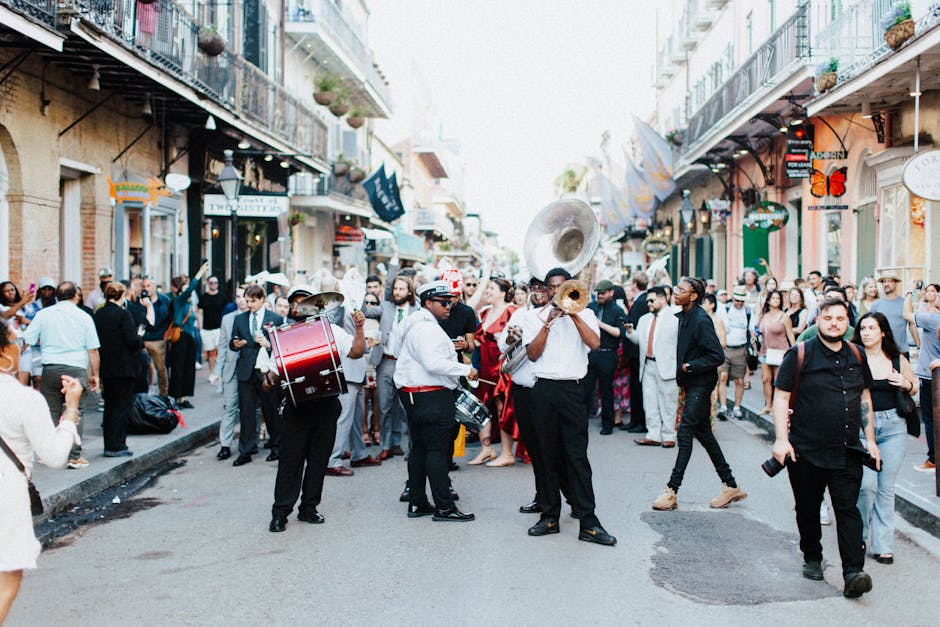
Beyond the established clubs, the very fabric of New Orleans is infused with music. Street musicians are a common sight, their improvisations adding an spontaneous and organic element to your explorations. You might stumble upon a brass band busking on a corner, their vibrant horns cutting through the humid air, or a solo guitarist strumming bluesy melodies that tell tales of hardship and resilience. These impromptu performances are often as compelling as those found on a stage, offering a raw and unfiltered glimpse into the city’s musical soul. Don’t be shy about tipping these artists; their talent contributes immeasurably to the city’s atmosphere and livelihood. The energy they generate is palpable, a testament to the enduring power of music in this vibrant city.
The historical significance of New Orleans as a melting pot of cultures is intrinsically linked to its musical evolution. The African rhythms brought by enslaved people, the European classical traditions, and the Caribbean influences all converged to create the unique soundscape of the city. Congo Square, a historic gathering place for enslaved Africans, played a pivotal role in preserving African musical traditions. While not a constant hub of performance today, understanding its historical importance provides crucial context for the music you’ll hear. Imagine the drums beating, the dances happening, the melodies that would eventually form the bedrock of jazz. This historical resonance adds a layer of depth to every note played in New Orleans.
The Preservation Hall, a legendary venue in the French Quarter, offers a different kind of jazz experience. This no-frills establishment focuses on preserving traditional New Orleans jazz, offering performances without amplification. The intimacy and authenticity of a show at Preservation Hall are unparalleled, allowing you to truly connect with the music and the musicians. The musicians, often seasoned veterans of the New Orleans jazz scene, play with a palpable passion and skill that has been honed over decades. The lack of electronic enhancement forces a focus on the pure artistry of the instruments and the interplay between the musicians, creating a truly immersive and moving experience. It’s a place where history whispers in every chord.
New Orleans’ musical landscape extends far beyond jazz. The city has a deep and abiding love for blues music, a genre that speaks to the hardships and triumphs of life. Venues like The Howlin’ Wolf and The Maple Leaf Bar regularly feature talented blues artists, both local and touring. The raw emotion and storytelling inherent in the blues resonate deeply with the spirit of New Orleans, offering a cathartic and soulful listening experience. These venues often showcase musicians who are masters of their craft, their voices and instruments conveying a wealth of feeling. The blues here are not just heard; they are felt, a visceral connection to the human experience.
Gospel music, with its powerful vocals and uplifting spirit, is another integral part of New Orleans’ sonic tapestry. Churches throughout the city, particularly in neighborhoods like Tremé, offer regular gospel services that are open to the public. Attending a gospel service is a profoundly moving experience, a chance to witness the raw power of faith expressed through song. The call-and-response patterns, the soaring harmonies, and the sheer joy emanating from the congregation are truly awe-inspiring. It’s a spiritual encounter that transcends religious boundaries, offering a powerful glimpse into the community’s soul. Many of these churches have long histories and have nurtured generations of incredible singers and musicians.
The annual New Orleans Jazz & Heritage Festival, affectionately known as Jazz Fest, is arguably the pinnacle of the city’s musical celebration. Held over two weekends each spring, this massive event draws hundreds of thousands of attendees and features an eclectic array of musical talent, from legendary jazz icons to emerging artists across a multitude of genres. Beyond the main stages, the festival grounds are a vibrant hub of activity, with local food vendors, craft artisans, and numerous smaller stages showcasing the diverse musical heritage of Louisiana. Even if you can’t attend in person, understanding the scale and scope of Jazz Fest highlights the central role music plays in the city’s identity and economy. The festival is a testament to the enduring appeal and global influence of New Orleans music.
Beyond organized venues, the city’s culinary scene often has a soundtrack of its own. Many restaurants and cafes feature live music, providing a pleasant accompaniment to your meal. Imagine savoring a plate of crawfish étouffée while a soulful jazz trio plays in the background, or enjoying beignets with the sound of a blues guitarist serenading you. This seamless integration of music into everyday life is a hallmark of New Orleans. It’s not just entertainment; it’s an intrinsic part of the dining experience, enhancing the flavors and creating lasting memories.
Exploring the neighborhoods outside of the French Quarter can also reveal unique musical treasures. The historic Tremé neighborhood, a cradle of jazz, is still alive with musical traditions. While gentrification has brought changes, the spirit of its musical past endures. St. Augustine Catholic Church, a significant landmark in Tremé, has a rich musical history and often hosts performances. Venturing into other areas, you might discover community brass bands or local venues that cater to specific musical tastes. These excursions offer a more intimate and authentic understanding of the city’s diverse musical communities.
For those interested in the history and evolution of New Orleans music, the New Orleans Jazz Museum at the Old U.S. Mint is an essential visit. This museum offers a comprehensive collection of artifacts, exhibits, and interactive displays that tell the story of jazz and its cultural impact. It’s a place where you can delve deeper into the lives of the legendary musicians who shaped the city’s sound and understand the social and historical forces that influenced its musical development. The museum provides context and a deeper appreciation for the music you’ll encounter on the streets.
The second line parades are a uniquely New Orleans phenomenon and a vibrant expression of the city’s musical culture. These spontaneous, joyous processions, often accompanying funerals or celebratory events, feature a brass band leading the way, followed by a throng of revelers dancing and singing. The infectious rhythms and celebratory spirit of a second line are an unforgettable spectacle. Participating in or observing a second line is a true immersion into the city’s communal spirit and its deep-seated connection to music as a form of expression and celebration. The energy is infectious, and the sheer unadulterated joy is something to behold.
When planning your trip to New Orleans, consider aligning your visit with one of the city’s many music festivals or events. Beyond Jazz Fest, there are numerous smaller festivals throughout the year dedicated to specific genres like Blues, Zydeco, and Cajun music. These events offer a concentrated dose of the city’s musical prowess and often feature an array of talented local and regional artists. Even without a festival, the city’s live music scene is consistently vibrant.
To truly enjoy New Orleans’ unique soundtrack, embrace the spirit of exploration. Be open to stumbling upon unexpected performances, venturing into different neighborhoods, and engaging with the local musicians. The music of New Orleans is not something to be passively consumed; it’s an invitation to participate, to dance, to sing along, and to let the rhythms move you. It’s a journey for the senses, a symphony that unfolds with every step you take, a constant reminder that in New Orleans, life itself is a song. The city’s enduring musical legacy is a powerful testament to its resilience, creativity, and unparalleled cultural richness.

