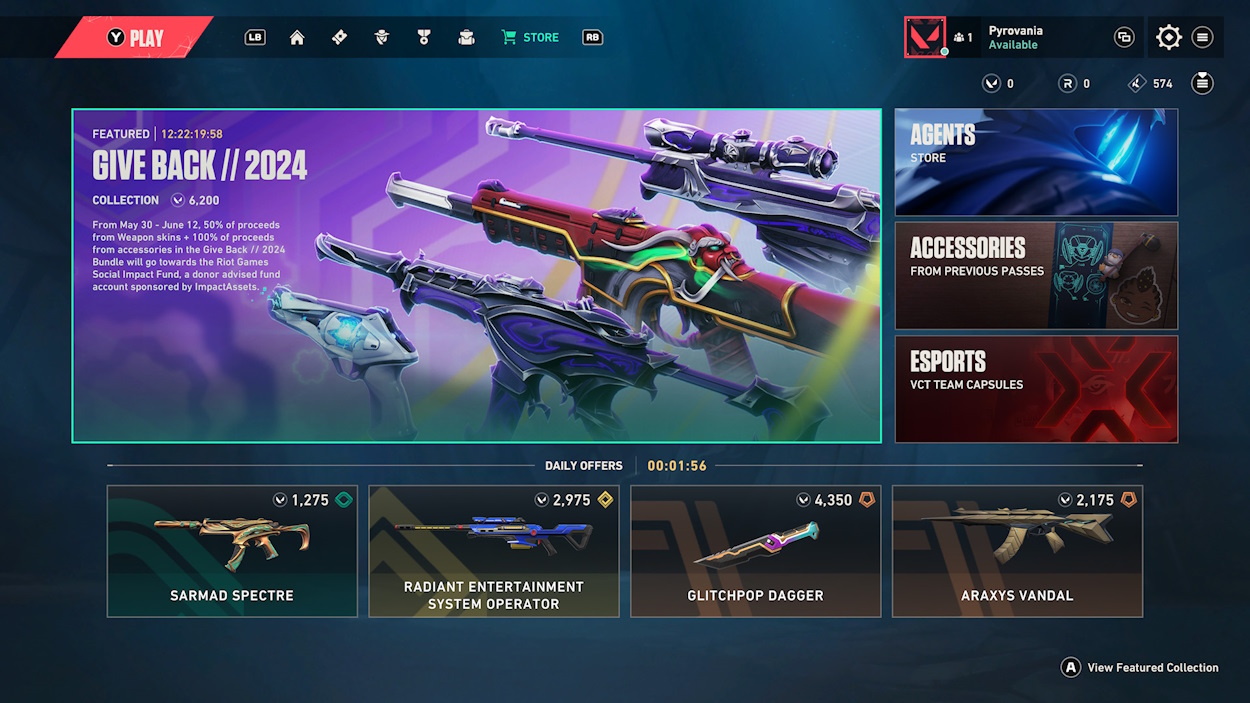

Valorant Console Launch: A Strategic Entry into Select Markets
Riot Games’ tactical, team-based shooter, Valorant, is embarking on a significant expansion with its long-anticipated console launch. This strategic move targets select markets, indicating a carefully considered approach to bringing the game to a new player base. The decision to release on PlayStation 5 and Xbox Series X|S is not merely an extension of the game’s reach but a calculated step designed to leverage the burgeoning console gaming ecosystem and capture a share of the global esports pie on different platforms. This article will delve into the implications of this console launch, the reasoning behind the select market approach, and the technical and player experience considerations that will define its success.
The rationale behind a console port of Valorant is multi-faceted. Primarily, it addresses a significant demand from the console gaming community, a demographic that has historically shown a strong affinity for competitive shooters. The success of titles like Call of Duty and Apex Legends on consoles demonstrates the viability and immense potential of this market. Riot Games, having already established Valorant as a dominant force in PC esports, is now poised to replicate this success by making the game accessible to millions of console players who may not have had the means or inclination to play on PC. This expansion diversifies Riot’s player base, reducing its reliance on a single platform and opening up new avenues for revenue generation through in-game purchases and potential future subscription models. Furthermore, a console presence is crucial for the long-term growth and sustainability of Valorant as a global esports title. Major esports events and leagues are increasingly incorporating console platforms, and for Valorant to maintain its competitive edge and attract a wider range of talent and viewership, a robust console presence is imperative.
The decision to launch in "select markets" is a critical element of Riot’s strategy, reflecting a data-driven and phased approach to global rollout. This is not a simultaneous worldwide release, but rather a deliberate selection of regions based on a confluence of factors. Key among these are market size and potential, existing esports infrastructure, console penetration rates, and cultural affinity for competitive gaming. For instance, regions with a high concentration of console gamers, a strong existing esports culture, and a proven track record of adopting new competitive titles are likely to be prioritized. This phased rollout allows Riot to meticulously test server performance, matchmaking algorithms, and player feedback in controlled environments. It enables them to identify and address any platform-specific issues, optimize game performance for console hardware, and refine their community management strategies before a broader international release. This approach mitigates the risks associated with a large-scale, uncoordinated launch, ensuring a smoother and more positive experience for early adopters and ultimately for the wider player base. It also allows for targeted marketing campaigns and localized support, crucial for building strong player communities in each region.
Technically, porting Valorant to consoles presents a unique set of challenges and opportunities. The game, originally designed with the precision of mouse and keyboard in mind, must be adapted to the limitations and strengths of controller input. This involves intricate work on aim assist systems, aiming curves, and movement mechanics to ensure a fair and enjoyable experience for controller players without alienating the existing PC player base. Riot Games has emphasized their commitment to maintaining parity between PC and console versions in terms of core gameplay mechanics, progression, and anti-cheat measures. This is paramount for preserving the integrity of Valorant’s competitive ecosystem. The console versions will likely feature distinct UI and control schemes tailored for each platform, aiming for intuitive navigation and responsive gameplay. Optimization for the PlayStation 5 and Xbox Series X|S hardware is also a significant undertaking. This includes ensuring consistent frame rates, reduced loading times, and visually appealing graphics that leverage the power of next-generation consoles. Riot’s experience with other successful titles like League of Legends and Legends of Runeterra, which have seen successful expansions to other platforms, bodes well for their ability to navigate these technical hurdles. The development team will undoubtedly be closely monitoring performance metrics and player feedback post-launch to implement necessary patches and updates.
The player experience on consoles will be shaped by several key factors. The introduction of cross-play is a significant consideration. While Riot has stated their intention to maintain competitive integrity, the debate around cross-play between PC and console players in a tactical shooter is contentious. A potential compromise might involve separate matchmaking pools for PC and console players within certain competitive modes, or a system where console players can opt-in to play with PC players. This would allow for greater player choice and cater to different preferences. The economic model will also be crucial. Valorant’s current free-to-play model, with its focus on cosmetic microtransactions, is expected to be maintained on consoles. This approach has proven highly successful and aligns with the expectations of the console gaming market. Riot’s commitment to a robust anti-cheat system is also paramount. Console gaming communities have historically been less prone to widespread cheating compared to PC, but with the influx of players, maintaining a secure and fair environment will be a top priority. This may involve leveraging platform-specific security measures and continuing to invest in advanced anti-cheat technology. Furthermore, the community management and esports integration for console players will be vital. Building dedicated communities on each console platform, fostering healthy player interactions, and providing clear pathways for aspiring console esports professionals will be essential for the long-term success of Valorant on these new platforms.
The select markets chosen for the initial Valorant console launch are indicative of Riot Games’ strategic foresight. These markets likely possess a high density of console gamers, a well-established esports infrastructure, and a demonstrable appetite for competitive shooter titles. This deliberate selection allows Riot to meticulously refine their offerings, gather crucial player feedback, and optimize server performance before a wider global rollout. By focusing on these key regions, Riot can ensure a robust and enjoyable experience for early adopters, building momentum and positive word-of-mouth that will be instrumental in driving future growth. This phased approach also enables targeted marketing efforts and localized support, fostering stronger community engagement from the outset. Understanding the specific nuances of each chosen market will be paramount, from language localization and cultural sensitivities to regional gaming trends and existing competitive ecosystems. Riot’s success in the PC space can be attributed in part to their deep understanding of player communities, and this principle will undoubtedly be applied to their console expansion. The chosen markets are not arbitrary; they represent calculated bets on regions with the highest probability of success and the greatest potential for long-term engagement. This data-driven approach minimizes risk and maximizes the impact of this significant platform expansion.
The long-term implications of Valorant’s console launch extend far beyond simply reaching new players. It signifies Riot Games’ ambition to solidify Valorant’s position as a dominant force in the global esports landscape across all major platforms. By establishing a strong presence on consoles, Riot can tap into a wider pool of talent, attract a broader range of viewers to its esports broadcasts, and ultimately increase the overall revenue and longevity of the game. This expansion also sets a precedent for other PC-centric esports titles considering a move to consoles. The success of Valorant’s console debut could pave the way for a new era of cross-platform competitive gaming, blurring the lines between traditional PC esports and console gaming. Furthermore, it reinforces Riot’s commitment to player accessibility and inclusivity, ensuring that its flagship titles are available to as many gamers as possible, regardless of their preferred platform. The strategic targeting of select markets is a testament to Riot’s meticulous planning and their dedication to executing a successful global launch, ensuring that Valorant’s transition to consoles is not just an expansion, but a transformative event in the competitive gaming industry. The data gathered from these initial markets will be invaluable in shaping future iterations of the game and informing the rollout strategy for additional regions, ensuring a sustained and impactful presence on the global gaming stage.

