
Your Comprehensive Guide to Wearing and Caring for Prescription Glasses: See Better, Live Better
Prescription glasses are more than just an accessory; they are a vital tool for correcting vision impairments and enhancing your ability to interact with the world. Understanding how to wear them correctly and maintain them properly is crucial for maximizing their effectiveness, prolonging their lifespan, and ensuring optimal visual comfort. This guide will delve deep into the practical aspects of spectacle wear and care, empowering you to make the most of your visual correction.
The primary function of prescription glasses is to refract light accurately onto the retina, compensating for refractive errors such as myopia (nearsightedness), hyperopia (farsightedness), astigmatism, and presbyopia. When you first receive your new eyeglasses, there might be a period of adjustment. This is normal, especially if your prescription has changed significantly or if you’re new to wearing glasses. Your brain needs time to adapt to the altered visual input. During this adjustment phase, you might experience slight disorientation, headaches, or a feeling of the world appearing slightly different. This typically resolves within a few days to a couple of weeks. If symptoms persist or worsen, it’s essential to consult your eye care professional, as it could indicate an issue with the prescription or the fit of the glasses.
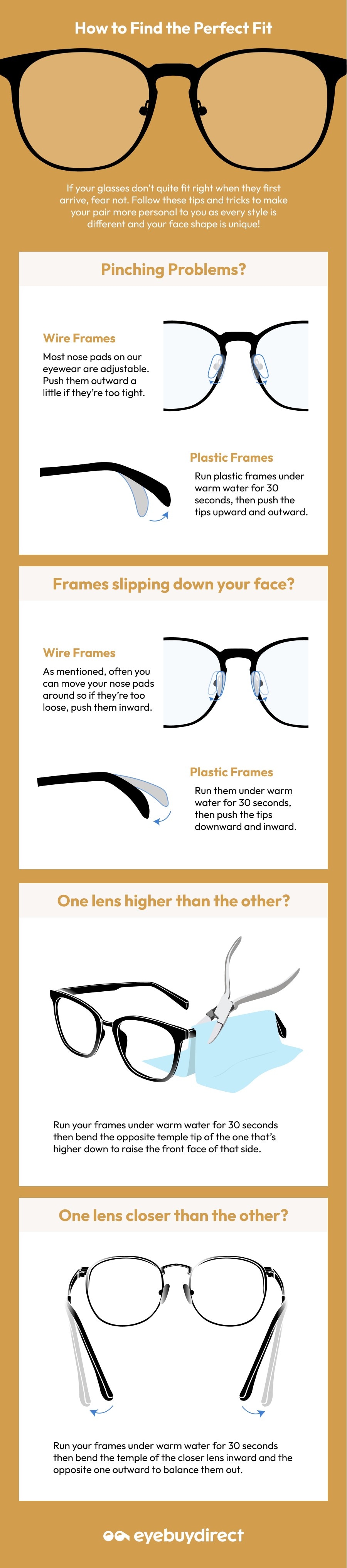
Proper fit is paramount for both comfort and visual acuity. The frame should rest comfortably on your nose and ears without pinching, slipping, or causing undue pressure. The optical centers of the lenses, where the prescription is strongest, should align with the center of your pupils. This alignment ensures that you are looking through the most optically correct part of the lens, preventing distortion and eye strain. When trying on glasses, check for the following: the top of the frame should generally follow the line of your eyebrows; the frame should not extend beyond the width of your face; the bridge should sit snugly on your nose without leaving red marks or sliding down; and the temples (arms) should be long enough to curve comfortably over your ears without pressing too hard or being too loose. Many opticians can make minor adjustments to the frame to improve the fit. Regular checks with your optician for adjustments are recommended, especially if you notice any discomfort or changes in how the glasses sit.
The way you wear your glasses also matters. When putting on or taking off your glasses, always use both hands. This technique helps to maintain the alignment of the frame and prevent it from becoming warped or bent. Grasping the frame on one side and pulling it off can put uneven stress on the hinges and arms, leading to misalignment over time. Similarly, when resting your glasses, avoid placing them face down on a hard surface. This exposes the lenses to scratches. Instead, place them in their protective case or rest them on the frame arms. It’s also advisable to avoid placing your glasses on top of your head for extended periods. While it might seem convenient, this can stretch out the frame over time, leading to a loose fit that requires frequent readjustment.
Lens coatings play a significant role in the functionality and longevity of your prescription glasses. Anti-reflective (AR) coatings reduce glare from light sources, improving visual clarity and reducing eye strain, particularly when working on computers or driving at night. They also make the lenses appear more transparent, enhancing your appearance by eliminating distracting reflections. Scratch-resistant coatings are another common addition, offering a protective layer against minor abrasions. However, it’s important to understand that no coating is entirely scratch-proof. Hydrophobic and oleophobic coatings repel water and oils, respectively, making lenses easier to clean and less prone to smudging. Choosing the right combination of coatings based on your lifestyle and visual needs can significantly enhance your experience with your glasses.
Cleaning your prescription glasses correctly is fundamental to maintaining clear vision and preventing damage. The most effective and safest method involves using a gentle liquid soap (like dish soap without added moisturizers or harsh chemicals) and lukewarm water. Apply a small drop of soap to each lens, gently rub them with your fingertips to create a lather, and then rinse thoroughly under running water. This removes oils, dirt, and debris that can impair your vision and potentially scratch the lenses. After rinsing, gently shake off excess water and pat them dry with a clean, lint-free microfiber cloth. Avoid using paper towels, tissues, or the hem of your shirt, as these can be abrasive and leave lint behind. For stubborn smudges or fingerprints, a dedicated lens cleaning spray designed for eyeglasses, used in conjunction with a microfiber cloth, is an excellent option. Always spray the cleaner onto the cloth, not directly onto the lenses, to prevent potential damage to coatings.
When it comes to storing your prescription glasses, their protective case is your best friend. Always store your glasses in their case when you are not wearing them. This shields them from accidental drops, impacts, and scratches. Ensure the inside of the case is clean and free from any grit or debris that could scratch the lenses. If you are not using a case, opt for a soft pouch or place them in a secure pocket where they won’t be crushed or scratched by other objects. Avoid leaving your glasses in environments with extreme temperatures, such as a hot car or direct sunlight for prolonged periods. High heat can warp plastic frames and damage lens coatings. Similarly, extreme cold can make plastic frames brittle.
The frame material of your eyeglasses also influences their durability and care requirements. Plastic frames (acetate, nylon, TR90) are generally lightweight and come in a wide variety of colors and styles. They can be susceptible to warping from heat and may require professional adjustment if they become bent. Metal frames (titanium, stainless steel, monel) are often more durable and can be adjusted more easily. However, some metal frames can cause allergic reactions in sensitive individuals. If your frames are made of a hypoallergenic material, such as titanium, this is a good consideration. Regardless of the material, regular inspection of the hinges for looseness is recommended. Over time, the screws that hold the arms to the frame can loosen, leading to wobbly arms. Many opticians offer complimentary screw tightening services.
Specialty lenses require specific care. For instance, photochromic lenses (which darken in sunlight) should be cleaned using the same methods as standard lenses. Polarized lenses, designed to reduce glare from reflective surfaces, also benefit from regular cleaning with mild soap and water. If you have progressive lenses, which offer multiple focal powers within a single lens, it’s particularly important to ensure they are clean and properly aligned for optimal visual performance across all distances. Any deviation in their placement can significantly impact the way you see.
When to seek professional help is an important aspect of spectacle care. If your glasses are significantly damaged, such as a cracked lens, a broken frame hinge, or a severely bent arm, it’s best to consult your optician. Attempting DIY repairs on complex damages can often exacerbate the problem and may render the glasses unrepairable. Persistent discomfort, blurry vision, or headaches that do not resolve with proper cleaning and adjustment should also prompt a visit to your eye care professional. They can assess your prescription, the fit of your glasses, and the condition of the lenses and frame to ensure you are experiencing optimal vision.
Investing in good quality eyewear and adopting a consistent care routine will not only preserve the life of your prescription glasses but also ensure you enjoy the clearest possible vision. Regular cleaning, proper storage, and mindful wear are the cornerstones of maximizing the benefits of your corrective lenses. By understanding and implementing these practices, you are actively contributing to your eye health and overall visual well-being. The subtle nuances of how you handle your glasses can have a profound impact on their performance and your daily experience. Treat them with care, and they will serve you well, enabling you to see the world with clarity and confidence.

