X easy tips for a living room refresh – 7 Easy Tips for a Living Room Refresh: Tired of the same old living room? You don’t need a complete overhaul to make it feel fresh and inviting. With a few simple tweaks, you can transform your space into a cozy haven that reflects your personality and style.
Whether you’re looking to declutter, update your decor, or just add a touch of personality, these tips will help you create a living room that you love spending time in. From simple organizational tricks to creative DIY projects, we’ll explore easy ways to breathe new life into your living room.
Get ready to unleash your inner decorator and discover the joy of a refreshed space!
Declutter and Organize

A clutter-free living room is the foundation for a serene and inviting space. By removing unnecessary items and creating a system for organization, you can transform your living room into a haven of peace and functionality.
Decluttering Tips
Before you start organizing, decluttering is essential. This process involves identifying and removing items that are no longer needed or used. A good rule of thumb is to ask yourself: “Does this item bring me joy? Is it functional? Do I use it regularly?” If the answer is no to any of these questions, it’s time to let go.
Here are some items you can consider removing from your living room to create a more inviting and functional space:
- Old magazines and newspapers
- Broken or unused electronics
- Unnecessary knick-knacks and decorative items
- Excess furniture
- Unworn clothing or accessories
- Unused or expired items
Organizing Living Room Items
Once you’ve decluttered, it’s time to organize the remaining items. Here’s a simple organization system for common living room items:
Books
Books can quickly take over a living room, but with a little planning, they can be organized and displayed beautifully. Consider these options:
- Bookshelves:Invest in a bookshelf that fits your space and style. You can choose from traditional, modern, or minimalist designs. Consider using decorative baskets or boxes to store less-used books.
- Stacking Books:Create visual interest by stacking books in different sizes and colors. Use bookends to keep them in place.
- Coffee Table Storage:Use a coffee table with built-in storage or add a decorative box to store books.
Remotes
Remotes can be a major source of clutter, especially if you have multiple devices. Here are some solutions:
- Remote Control Caddy:Use a designated caddy or basket to store remotes. This will keep them organized and within reach.
- Remote Control Shelf:Install a small shelf near your entertainment center to store remotes.
- Remote Control Drawer:If you have a media cabinet or entertainment center, use a drawer to store remotes.
Entertainment Accessories
Entertainment accessories, such as games, DVDs, and CDs, can quickly become a source of clutter. Here are some organization tips:
- Media Storage Cabinets:Invest in a media storage cabinet with shelves and drawers to store your entertainment collection.
- Storage Bins:Use labeled storage bins to organize DVDs, CDs, or games. Store them in a closet or under a table.
- Wall-Mounted Shelves:Install wall-mounted shelves to display and store your favorite movies or games.
Refresh the Walls
A fresh coat of paint or a new wallpaper can completely transform the look and feel of your living room. But with so many options available, choosing the right wall refresh method can be overwhelming. This section explores different approaches to revitalize your living room walls, highlighting their advantages and disadvantages to help you make an informed decision.
Sometimes, all it takes to refresh your living room is a few simple tweaks. A new throw pillow, a strategically placed plant, or even just rearranging the furniture can make a big difference. And if you’re looking for more substantial changes, consider upgrading your tech.
Informatica strengthens AWS support , which can help you manage your data more effectively and improve your overall home automation experience. Whether you’re looking for a subtle refresh or a complete overhaul, there are plenty of ways to make your living room feel like a new space.
Painting
Painting is a popular and cost-effective way to refresh your living room walls. It offers a wide range of colors and finishes, allowing you to create a personalized look that reflects your style. Here are some advantages of painting your living room walls:
- Cost-effective:Painting is generally more affordable than wallpapering or installing wall decals.
- Wide range of colors and finishes:You can choose from a vast selection of colors and finishes, from matte to glossy, to create the desired look and feel.
- Easy to apply:Painting is relatively simple and can be done by most homeowners with basic DIY skills.
- Easy to remove:If you decide to change the color, you can easily paint over the existing color.
However, painting also has some disadvantages:
- Preparation time:Preparing the walls for painting, including patching, sanding, and priming, can be time-consuming.
- Messy:Painting can be messy, and it’s essential to protect furniture and floors from paint splatters.
- Limited design options:While you can achieve different effects with painting techniques, it doesn’t offer the same design flexibility as wallpaper or decals.
Painting a Living Room Wall
Here’s a step-by-step guide for painting a living room wall:
- Prepare the wall:Remove any wall hangings, furniture, or other objects. Patch any holes or cracks with spackle and sand the surface smooth. Clean the wall with a damp cloth to remove dust and dirt. If necessary, prime the wall with a primer designed for the type of paint you’re using.
- Choose the right paint:Select a paint that’s appropriate for the type of wall and the desired finish. For example, latex paint is a good choice for interior walls and is easy to clean. Consider using a primer if you’re painting over a dark color or a glossy surface.
- Protect your surroundings:Cover the floor with drop cloths or plastic sheeting. Tape off any areas you don’t want to paint, such as trim, windows, and doors. Use painter’s tape to create clean lines.
- Apply the paint:Use a high-quality paintbrush or roller to apply the paint evenly. Start at the top of the wall and work your way down. Apply thin coats of paint, allowing each coat to dry completely before applying the next.
- Clean up:Once the paint is dry, remove the painter’s tape and clean up any spills or splatters. Wash your brushes and rollers thoroughly with soap and water.
Wallpapering
Wallpapering is a great way to add a unique and stylish touch to your living room walls. It comes in a wide variety of patterns, colors, and textures, offering endless possibilities for personalization.Here are some advantages of wallpapering your living room walls:
- Unique designs:Wallpaper offers a vast array of patterns, colors, and textures that can create a statement in your living room.
- Durable:Wallpaper is generally more durable than paint and can withstand wear and tear better.
- Easy to clean:Most wallpapers are easy to clean with a damp cloth.
However, wallpapering also has some disadvantages:
- Costly:Wallpapering can be more expensive than painting, especially if you hire a professional installer.
- Difficult to apply:Wallpapering requires patience and skill, and it can be challenging for beginners.
- Difficult to remove:Removing wallpaper can be difficult and time-consuming, especially if it’s been applied for a long time.
Wall Decals
Wall decals are a simple and affordable way to add a touch of personality to your living room walls. They come in various shapes, sizes, and designs, allowing you to create a unique and eye-catching look.Here are some advantages of using wall decals:
- Affordable:Wall decals are generally less expensive than painting or wallpapering.
- Easy to apply:Wall decals are easy to apply and remove, making them a great option for renters or homeowners who want to change their decor frequently.
- Wide range of designs:Wall decals come in a wide range of designs, from simple geometric patterns to intricate murals.
However, wall decals also have some disadvantages:
- Limited durability:Wall decals are not as durable as paint or wallpaper and can be easily damaged.
- Limited design options:While there are many designs available, wall decals may not offer the same level of customization as paint or wallpaper.
- May not be suitable for all surfaces:Wall decals may not adhere well to textured walls or surfaces that are damp or greasy.
Upgrade Furniture
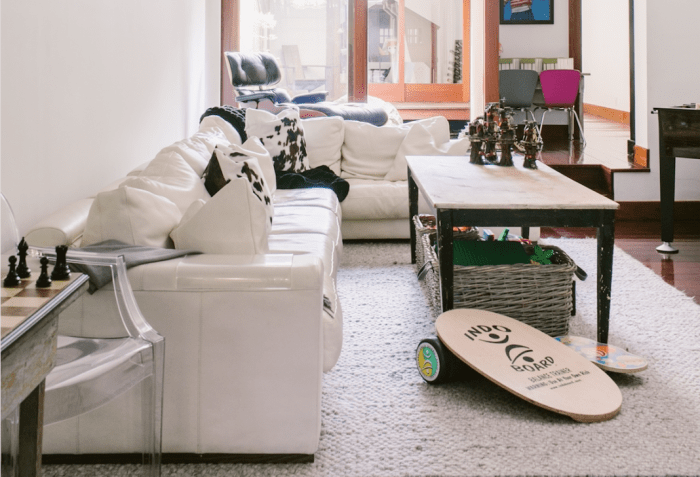
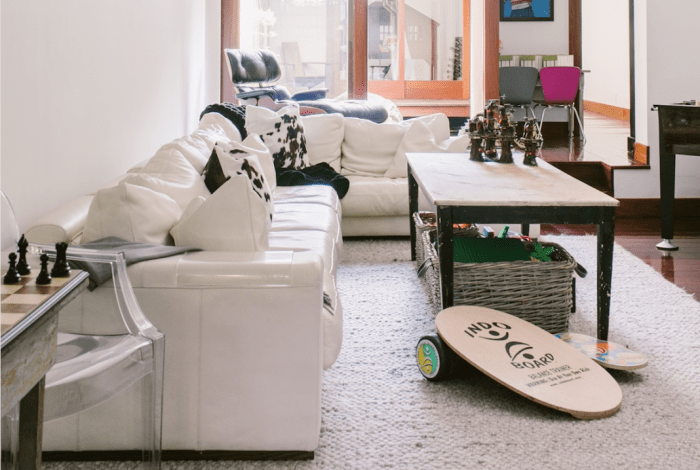
Sometimes, a living room refresh requires more than just a new coat of paint or a few accessories. Upgrading your furniture can completely transform the space, adding a fresh perspective and enhancing its functionality. This doesn’t necessarily mean buying all new pieces; you can achieve a stunning upgrade by strategically choosing furniture that complements your existing style, updating what you already have, or incorporating multi-functional pieces.
Choosing Furniture that Complements Your Style, X easy tips for a living room refresh
When choosing new furniture, it’s important to consider the existing style of your living room. If you have a traditional style, adding a few modern pieces can create a balanced and interesting contrast. For a modern living room, incorporating some vintage pieces can add warmth and character.
Here are some tips to help you choose furniture that complements your existing style:
- Stick to a Color Palette:Choose furniture in colors that complement your existing décor. For example, if your living room has a neutral color palette, you can add pops of color with furniture pieces in shades of blue, green, or yellow. If you want a more cohesive look, stick to furniture in shades that are already present in your living room.
- Consider the Shape and Size:Choose furniture that is proportionate to the size of your living room. If you have a small living room, opt for smaller, more compact furniture. If you have a large living room, you can go for larger, statement pieces.
- Mix and Match Styles:Don’t be afraid to mix and match different styles of furniture. A modern sofa can look stunning next to a vintage coffee table, and a traditional armchair can add a touch of elegance to a contemporary living room.
Updating Existing Furniture
If you’re on a budget, updating your existing furniture can be a great way to refresh your living room without breaking the bank. Here are a few ideas:
- Reupholstery:Reupholstering a sofa or armchair can completely transform its look and feel. You can choose a new fabric that complements your existing décor, or go for a bold statement piece. You can also get creative with patterns and textures.
Sometimes, the easiest way to refresh a living room is with a few strategic additions. A new throw blanket, a fresh vase of flowers, or even a unique piece of art can make a big difference. If you’re feeling creative, why not try building a a frame dollhouse diy for a charming and personalized touch?
These miniature houses can be painted, decorated, and even furnished to perfectly complement your living room’s style. Just remember to keep the scale in mind, as a dollhouse can quickly become a focal point of the room!
For example, you can reupholster a sofa in a velvet fabric for a luxurious look or choose a linen fabric for a more casual feel.
- Painting:Painting an old coffee table or bookshelf can give it a fresh new look. You can choose a bold color to make a statement or stick to a neutral shade to blend in with your existing décor. You can also add a distressed finish to give your furniture a vintage look.
- Adding New Accessories:Adding new accessories to your existing furniture can also give it a fresh look. For example, you can add new throw pillows, a blanket, or a vase of flowers to a sofa or armchair. You can also add a lamp to a coffee table or bookshelf.
Incorporating Multi-Functional Furniture
Multi-functional furniture is a great way to maximize space and functionality in your living room. Here are some ideas:
- Storage Ottomans:Storage ottomans provide extra seating and storage space. They are perfect for storing blankets, pillows, or other items you don’t want to see.
- Sofa Beds:Sofa beds are great for small living rooms or for hosting guests. They can be used as a sofa during the day and converted into a bed at night.
- Coffee Tables with Storage:Coffee tables with storage provide a place to put your drinks and snacks, as well as extra storage space for books, magazines, or other items.
Add Soft Touches
The final touch to a refreshed living room is adding soft textures that invite comfort and warmth. Think of throws, pillows, and rugs – these seemingly small additions can significantly elevate the ambiance of your space, making it feel more inviting and cozy.
Curate a Collection of Throw Pillows and Blankets
Throw pillows and blankets are the perfect way to inject personality and color into your living room. Start by considering your existing color scheme and style. Do you prefer a minimalist aesthetic or a more eclectic look? Do you have a favorite color palette?
Once you have a general idea, you can begin to curate a collection of throw pillows and blankets that complement your existing decor.
For a cohesive look, choose a few different textures and patterns, but stick to a limited color palette. For example, if your living room has a neutral color scheme, you could add a few throw pillows in shades of blue, green, and yellow.
You could also mix and match different patterns, such as stripes, florals, and geometric prints.
Sometimes, all it takes to breathe new life into your living room is a few simple changes. Think about it like a runway show – a subtle shift in color, texture, or even just the arrangement of furniture can make a world of difference.
And just like the energy at inside London Fashion Weeks cultural moment , a fresh look can spark a sense of excitement and creativity in your own space. So, grab some inspiration from the latest trends and get ready to transform your living room into a stylish haven!
Don’t forget about the importance of size and shape. A mix of small and large pillows can add visual interest, while square and rectangular pillows can provide a more structured look. And don’t be afraid to experiment with different textures, such as velvet, linen, and cotton.
Define Different Areas with Rugs
Rugs are an excellent way to define different areas within your living room. For example, you can use a rug to create a cozy seating area or a designated reading nook. Rugs can also help to break up a large space or create a sense of intimacy in a smaller room.
When choosing a rug, consider the size and shape of your space. A large rug can make a small room feel more spacious, while a smaller rug can create a more intimate setting. You can also use different rug textures and patterns to create visual interest.
For example, a shaggy rug can add a touch of luxury, while a geometric rug can create a modern look.
Incorporate Greenery
Bringing nature indoors is a powerful way to enhance your living room’s ambiance and well-being. Houseplants not only add visual interest and vibrancy but also contribute to a healthier and more relaxing environment.
Low-Maintenance Houseplants
Choosing the right plants for your living room depends on your lifestyle and the amount of care you’re willing to provide. Here are some low-maintenance houseplants that thrive in indoor conditions:
- Snake Plant (Sansevieria trifasciata):Known for its hardiness and ability to tolerate low light and infrequent watering, the snake plant is an excellent choice for beginners. It purifies the air and adds a touch of modern elegance to any space.
- ZZ Plant (Zamioculcas zamiifolia):This resilient plant is exceptionally drought-tolerant and can thrive in low-light conditions. It requires minimal care and adds a touch of tropical charm to your living room.
- Peace Lily (Spathiphyllum):With its striking white blooms and lush foliage, the peace lily adds a touch of sophistication to any living room. It prefers indirect light and moderate watering.
- Cast Iron Plant (Aspidistra elatior):As its name suggests, the cast iron plant is incredibly resilient and can tolerate neglect. It thrives in low-light conditions and requires minimal watering.
- Spider Plant (Chlorophytum comosum):This easy-to-care-for plant produces spiderettes (baby plants) that can be propagated for new growth. It prefers bright, indirect light and moderate watering.
Enhance Lighting
Lighting plays a crucial role in setting the mood and functionality of your living room. The right lighting scheme can transform a space from dull and dreary to inviting and vibrant. By incorporating different types of lighting, you can create a layered effect that enhances the ambiance and highlights the room’s features.
Types of Lighting
The type of lighting you choose can significantly impact the overall feel of your living room. Here’s a breakdown of the three main types of lighting:
- Ambient Lighting:Ambient lighting provides general illumination and creates a base level of brightness. It’s typically provided by overhead fixtures such as chandeliers, ceiling fans with lights, or recessed lighting. Ambient lighting should be soft and diffused to create a welcoming atmosphere.
- Task Lighting:Task lighting is focused and directed, designed to illuminate specific areas where you need extra light for activities like reading, working, or playing games. Table lamps, floor lamps, and under-cabinet lights are excellent examples of task lighting.
- Accent Lighting:Accent lighting is used to highlight specific features, such as artwork, sculptures, or architectural details. This type of lighting adds drama and visual interest to the space. Accent lighting can be achieved using track lighting, spotlights, or strategically placed lamps.
Layering Lighting
Layering lighting involves combining different types of lighting to create a balanced and functional lighting scheme. Here’s how you can layer lighting in your living room:
- Start with Ambient Lighting:Install an overhead fixture that provides general illumination for the entire room. This can be a chandelier, ceiling fan with lights, or recessed lighting. Choose a fixture that complements the style of your living room.
- Add Task Lighting:Place table lamps or floor lamps near seating areas where you might read, work, or engage in other activities. Choose lamps with adjustable shades to direct the light where needed.
- Incorporate Accent Lighting:Use spotlights or track lighting to highlight artwork, sculptures, or architectural details. You can also use lamps with directional shades to create a dramatic effect on specific areas.
Installing a Dimmer Switch
A dimmer switch allows you to adjust the brightness of your lights, providing a customizable lighting experience. Here’s a step-by-step guide for installing a dimmer switch:
- Turn off the power to the circuit.Locate the circuit breaker for the light fixture and switch it off. Always prioritize safety and ensure the power is off before working on electrical wiring.
- Remove the old switch plate and switch.Unscrew the screws holding the switch plate and remove it. Then, unscrew the screws holding the old switch and disconnect the wires. Take note of the wire colors (typically black for hot, white for neutral, and green or bare copper for ground) to ensure proper connections.
- Connect the new dimmer switch.Connect the wires from the new dimmer switch to the corresponding wires from the old switch. Ensure the wires are securely connected and use wire nuts to secure the connections.
- Attach the new switch plate.Screw the new switch plate onto the electrical box, ensuring it is secure. Then, turn the power back on at the circuit breaker.
- Test the dimmer switch.Turn the dimmer switch on and adjust the brightness level to ensure it works correctly.
Add Personal Touches: X Easy Tips For A Living Room Refresh
A living room should reflect your unique style and personality. Incorporating personal items and artwork creates a welcoming and inviting atmosphere that truly feels like home. These additions not only personalize the space but also add depth and character, transforming it into a reflection of your interests, passions, and memories.
Displaying Personal Collections
Displaying personal collections, such as books, photographs, or travel souvenirs, is a great way to inject your personality into the space. These items serve as conversation starters and offer glimpses into your life and interests.
- Books:Stack books on a coffee table, bookshelf, or even on the floor to create a visually appealing display. You can organize them by color, genre, or author, or simply arrange them in a way that feels natural and inviting.
- Photographs:Display family photos, travel snaps, or cherished memories in frames of varying sizes and styles. Arrange them on a gallery wall, mantelpiece, or side table.
- Travel Souvenirs:Display travel souvenirs such as maps, postcards, or small trinkets from your adventures. Arrange them on shelves, side tables, or within a shadow box for a curated look.