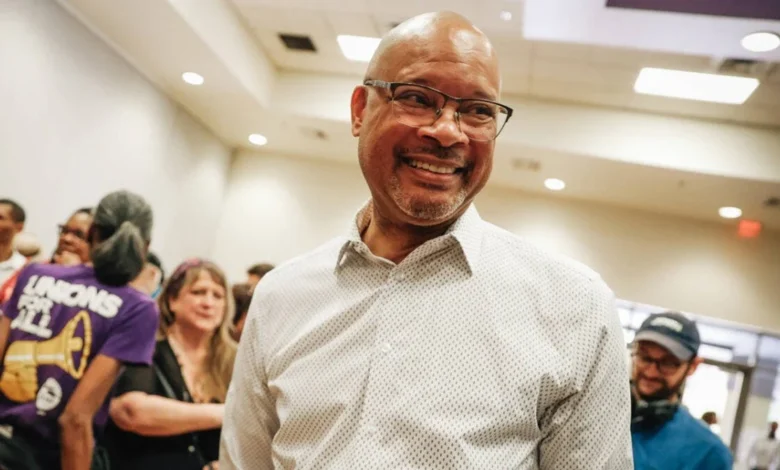
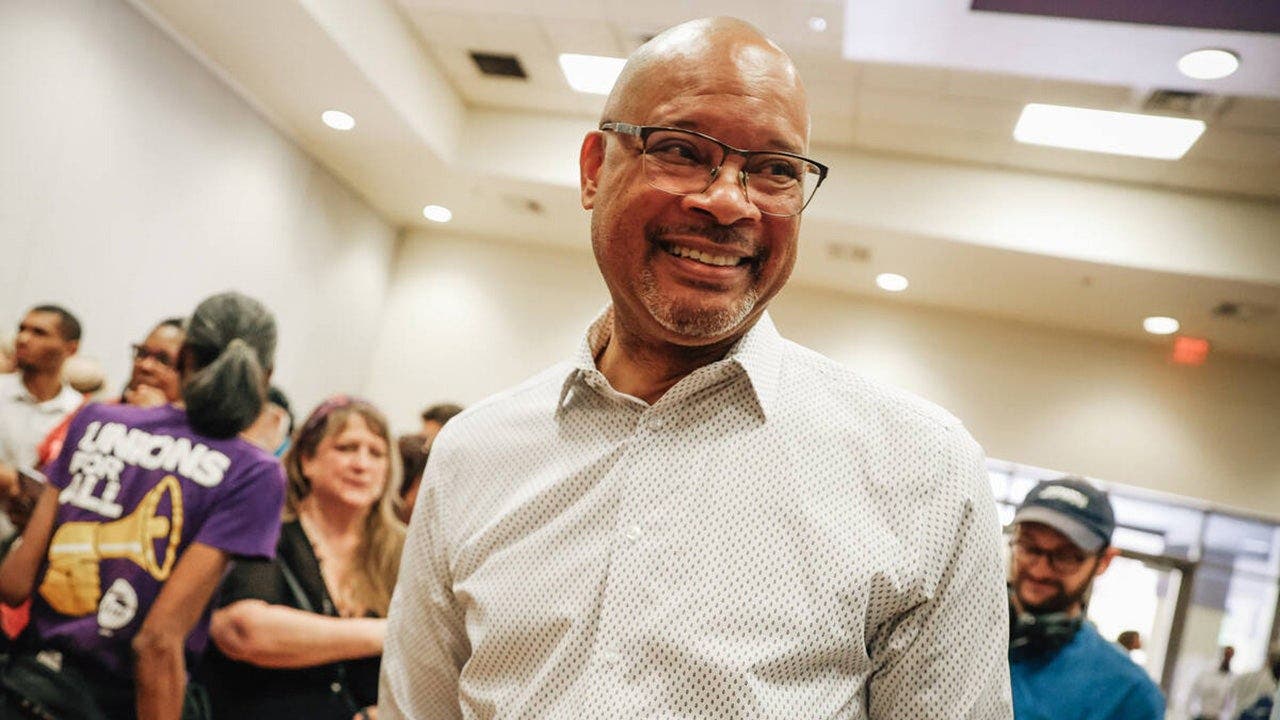
The political landscape in Nevada has been significantly stirred by a recent fiscal report from Governor Joe Lombardo’s campaign, asserting that the policy agenda of his Democratic rival, Aaron Ford, would incur an astonishing $18.1 billion in government and private-sector costs over a four-year term. This comprehensive estimate, which the Lombardo campaign warns would heavily burden Nevada residents, includes a projected $7.93 billion in direct state spending. However, the Ford campaign has vehemently contested these figures, labeling the analysis as "fraudulent" and accusing Lombardo’s team of inventing implementation plans and misclassifying costs. This dispute sets a contentious tone for what is anticipated to be one of the nation’s most closely watched gubernatorial races this November.
Lombardo Campaign’s Fiscal Allegations and Breakdown
The report, a detailed analysis commissioned by the Lombardo campaign and shared first with Fox News Digital, scrutinizes 76 distinct proposals put forth by Attorney General Aaron Ford. It meticulously assigns estimated costs, encompassing not only direct Nevada state expenditures but also significant outlays anticipated from businesses and the federal government, which the report ultimately argues would be passed on to taxpayers and the general public.
According to the Lombardo campaign, the nearly $8 billion in projected state spending is particularly problematic for Nevada, a state unique in its lack of a personal income tax. The campaign posits that absorbing spending of this magnitude would be impossible without substantial increases in other taxes, the introduction of new fees, or drastic cuts to existing state programs. This argument hinges on the state’s current revenue structure, which heavily relies on sales, gaming, and business taxes.
Specific policy areas identified as major cost drivers in the report include:
- Healthcare: With the largest estimated price tag, Ford’s healthcare agenda is projected to cost $4.25 billion. A significant portion of this, $3.5 billion, is attributed to a proposal to cancel medical debt for Nevadans. An additional $1.76 billion is earmarked for expanding healthcare affordability and access through enhanced Medicaid protections, workforce expansion initiatives, and preventive care programs. The report implies that these measures would necessitate substantial state intervention and funding.
- K-12 Education: Ford’s plans for K-12 education are estimated at $3.68 billion. This includes raising Nevada’s per-pupil funding to the national average, expanding pre-kindergarten programs, providing universal school meals, and increasing compensation for teachers and support staff. These proposals aim to address long-standing educational challenges in the state but, according to the report, come with a steep financial commitment.
- Housing: The report allocates approximately $4.8 billion to Ford’s housing initiatives, though specific policy details within this category are less elaborated in the initial summary.
- Energy: Ford’s energy proposals are projected to cost around $1.5 billion.
- Economic Development: Nearly $900 million is estimated for various economic development initiatives.
The report suggests that while Ford’s platform promises roughly $17.88 billion in savings and benefits for households, the costs borne by businesses, the state, and the federal government would be nearly equivalent, ultimately leading to a net burden.
Expert Endorsement and Fiscal Warnings
To bolster its claims, the Lombardo campaign cited external validation. Mark Pingle, a professor at the University of Nevada, Reno, provided a statement to Fox News Digital, affirming, "Based on a review of Aaron Ford’s policy proposals, an estimated cost of $18 billion is a reasonable assessment." This academic endorsement lends credibility to the report’s methodology from the Lombardo campaign’s perspective.
Further emphasizing the gravity of the report’s findings, former Nevada state Senator Ben Kieckhefer, who previously served as Governor Lombardo’s chief of staff, echoed concerns about the sustainability of such spending levels. Kieckhefer stated, "The bottom line is simple: these proposals would require a record-breaking increase in spending. Before moving forward with a plan this expensive, Nevadans deserve clear answers about how it would be paid for, who would bear the cost, and what it would mean for the state’s long-term financial stability. Regardless of political party, $18 billion in new spending deserves careful review and an explanation of how it would be paid for." He added that such a level of spending "is simply not sustainable for Nevada" and would "require significant tax increases."
Ford Campaign’s Sharp Rebuttal and Counter-Claims
The Ford campaign wasted no time in launching a robust counter-offensive, dismissing the Lombardo report as politically motivated and fundamentally flawed. Prerna Jagadeesh, a spokesperson for the Ford campaign, issued a blistering statement to Fox News Digital, asserting, "General Ford won’t be lectured by a governor who proposed a budget with a $335 million unconstitutional deficit and twice broke his pledge to never raise taxes." This attack seeks to undermine Lombardo’s credibility as a fiscal watchdog by highlighting his own past budgetary decisions.
Jagadeesh continued her critique, stating, "The Lombardo campaign is embarrassing themselves and insulting the intelligence of voters by pushing this fraudulent report. The report lies about Attorney General Ford’s policies and assigns fake costs to programs that won’t cost the state a penny and will actually save taxpayers money, and incorrectly attributes costs to the state." She suggested that the report was a "desperate attempt to divert attention from a viral video of Lombardo abusing his position of power to evade consequences for breaking the law."
The Ford campaign specifically challenged several of the report’s largest assumptions, arguing that Lombardo’s team arbitrarily assigned costs to implementation measures that Ford never explicitly proposed. For instance, the campaign disputed the report’s projection of hundreds of millions for expanding the state’s "Battle Born" health plans and partially replacing federal Medicaid reductions. The Ford campaign clarified that its platform instead advocates for increased outreach regarding the existing Battle Born program and federal advocacy to prevent or reverse Medicaid cuts, rather than committing new state appropriations to backfill potential federal shortfalls. This distinction highlights a core methodological disagreement: whether to cost a policy as stated by the campaign or to project the full operational costs of what it might entail.
In addition to rebutting Lombardo’s figures, the Ford campaign provided its own fiscal analysis to Fox News Digital, which purports that Ford’s platform could indeed be implemented without necessitating new taxes and with substantially lower direct state costs than those estimated by the Lombardo campaign.
Nevada Democratic lawmaker Daniele Monroe-Moreno, who chairs the Assembly Ways and Means Committee, echoed the Ford campaign’s sentiments, telling Fox News Digital that the Lombardo report "uses fake math to lie about Attorney General Ford’s policy positions." She maintained that Ford’s platform consists of "common-sense policies that will save Nevadans money at very little to no cost to the state."
Methodology Differences and The Challenge of Costing Policy
The stark divergence in cost estimates underscores the inherent challenges in accurately projecting the financial impact of political platforms, particularly when detailed legislative language and implementation plans are still nascent. When questioned about Ford’s contention that the report attributes costs to measures not explicitly in his platform, the Lombardo campaign defended its methodology. They argued that their estimates reflect what it would actually take to fulfill Ford’s campaign promises, asserting that regulatory changes, enforcement initiatives, and expanded benefits inherently require staffing, oversight, or funding, even if those specific operational costs are not explicitly detailed in a candidate’s public statements.
This difference in approach — one side costing the stated policy goals, the other attempting to cost the assumed operational reality — is central to the multi-billion-dollar discrepancy. Political campaigns often present their proposals in broad strokes, focusing on desired outcomes rather than the intricate bureaucratic and financial mechanisms required for execution. Fiscal analyses, especially those from opposing campaigns, often fill in these operational gaps with their own assumptions, leading to vastly different figures.
Broader Political and Fiscal Context in Nevada
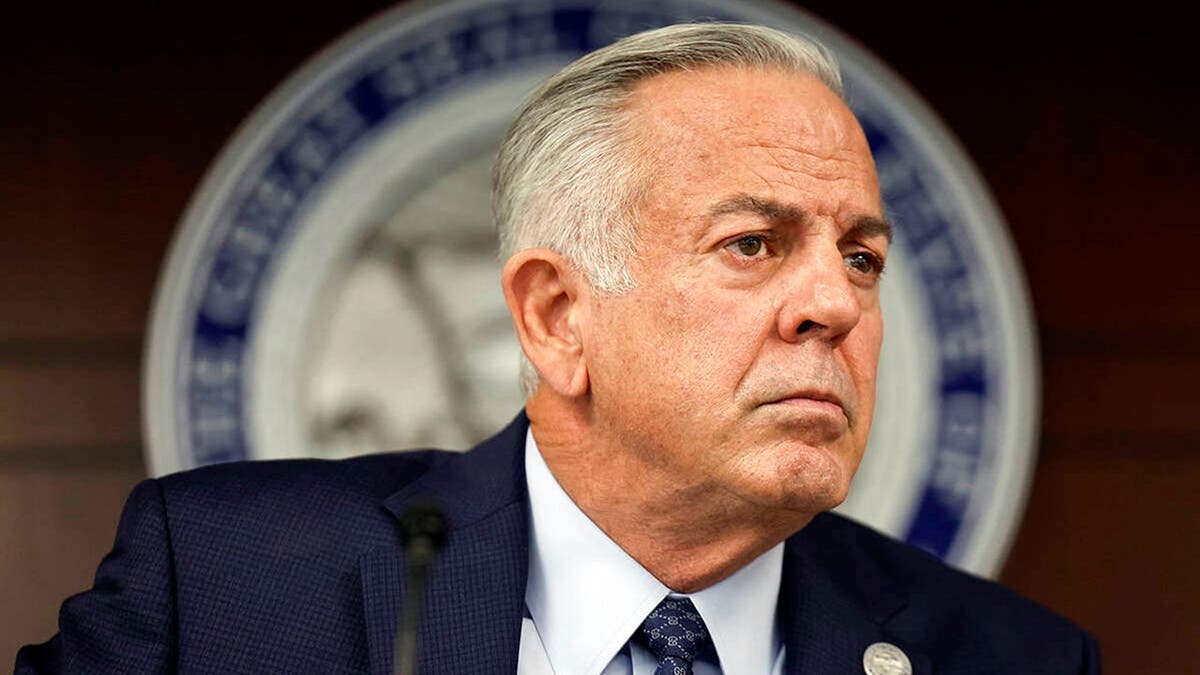
This fiscal debate unfolds against a backdrop of intense political competition in Nevada, a key swing state. Governor Joe Lombardo, a Republican, is seeking his second term, having won a closely contested race in the previous election cycle. His campaign’s focus on fiscal prudence and the potential for tax increases under a Democratic administration aligns with traditional Republican messaging designed to appeal to fiscally conservative and moderate voters.
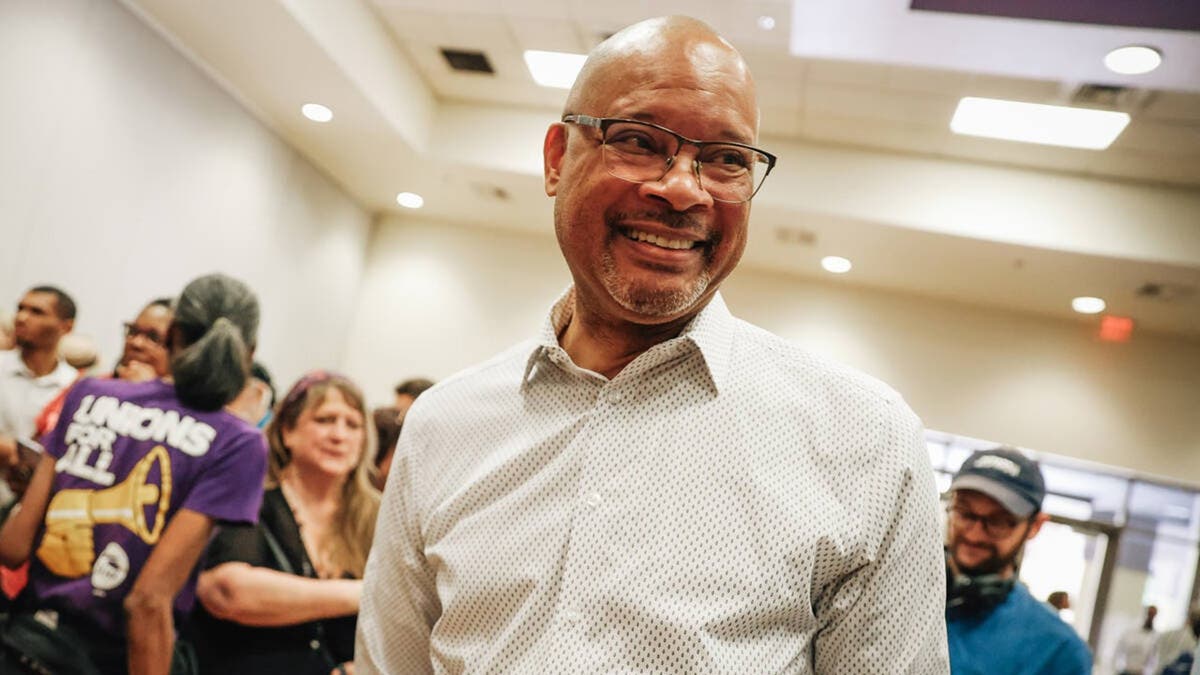
Attorney General Aaron Ford, a Democrat, is positioned as a progressive alternative, advocating for expansive government programs aimed at improving social services, healthcare access, and educational outcomes. His campaign’s emphasis on "common-sense policies" and cost savings for taxpayers seeks to frame his agenda as beneficial without undue financial strain.
Nevada’s unique tax structure, without a personal income tax, means that significant new recurring state spending would almost certainly necessitate revenue generation through other avenues. This could include increases in sales tax, gaming taxes, business fees, or property taxes, or a combination thereof. Any move to raise these taxes or introduce new fees would likely face considerable political opposition in a state generally wary of expanding the tax burden.
Past Scrutiny and Ethical Questions Facing Ford
Adding another layer of complexity to the election narrative, Attorney General Ford has faced his own share of scrutiny regarding financial matters during his tenure. In March, state records reviewed by Fox News Digital revealed that Ford accumulated over $410,000 in travel costs since taking office in 2019. Local news outlets further reported that he spent more than 100 days outside Nevada during this period. While a spokesperson for the attorney general’s office maintained that these trips were legitimate and tied to Ford’s official duties and campaign activities, and were permitted under Nevada law, the scale of the spending drew public attention.
Furthermore, Ford is currently under investigation by the Nevada Commission on Ethics. Documents obtained by local outlets indicate allegations that he accepted improper gifts or benefits and used his office to improperly benefit himself. These ongoing investigations, while distinct from the policy cost debate, contribute to a broader narrative surrounding financial accountability and public trust that could influence voter perceptions.
Implications for Nevada Voters
For Nevada voters, the dueling fiscal reports present a significant challenge. They are tasked with evaluating wildly different financial projections for the state’s future under two distinct leadership visions. The ability to discern the accuracy and methodological integrity of each campaign’s analysis will be crucial in an election where economic stability and the cost of living are paramount concerns.
The debate forces voters to consider not only the merits of specific policy proposals but also the practicalities of funding them within Nevada’s unique financial framework. Will Ford’s policies genuinely lead to "savings for Nevadans at very little to no cost to the state," as his campaign claims? Or will they necessitate "record-breaking increases in spending" and potentially higher taxes, as the Lombardo campaign warns? The answers to these questions will heavily shape the electoral outcome and the state’s trajectory for the next four years. The upcoming months will undoubtedly see both campaigns intensify their efforts to persuade voters of the validity of their respective financial narratives, making fiscal responsibility a central battleground in the race for the governor’s mansion.