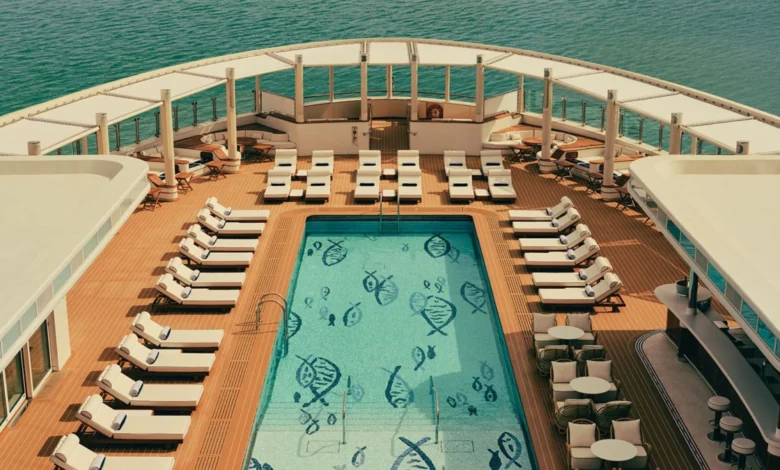
The global landscape of luxury maritime travel has undergone a profound transformation over the past decade, moving far beyond the traditional, standardized mega-ship experience into a dynamic golden age of boutique seafaring. No longer confined to classic ocean liners traversing predictable transatlantic routes, today’s discerning travelers can choose from an unprecedented array of ultra-luxury vessels. These range from ice-strengthened expedition ships plying previously inaccessible polar wildernesses and sumptuous river cruisers navigating the Amazon and the Mekong to flashy, high-profile superyachts more accustomed to the docks of Monaco than mass-market cruise terminals. Aboard these floating sanctuaries, passengers are greeted with amenities and service levels mirroring the world’s most exclusive land-based hotels, featuring personal butlers, multi-story penthouses, and bespoke wellness programs.
The Evolution of Hospitality at Sea
The most significant disruption in the maritime luxury sector is the rapid entry of legendary hospitality and hotel brands into the shipbuilding arena. Unlike legacy cruise conglomerates, these hotel-bred lines are constructing vessels with dramatically lower passenger capacities, deliberately cultivating the intimate atmosphere of a private yacht charter or an exclusive boutique resort. This shift in design philosophy places a heavy emphasis on architectural minimalism, residential-style layouts, and thoughtfully curated culinary and wellness programs. Furthermore, itinerary planning has evolved to meet the demands of a year-round luxury market. Posh lines are successfully extending traditional Mediterranean seasons into the shoulder months and winter, ensuring that high-end voyages are no longer restricted to a narrow summer window.
Traditional luxury cruise operators, frequently referred to in the industry as the old guard, are not sitting idly by as new competitors enter the market. Brands such as Regent Seven Seas Cruises, Seabourn, and Crystal are aggressively modernizing their fleets, restructuring cabin layouts to increase personal space, and overhauling culinary offerings. For instance, Regent is actively reducing the passenger density on its Explorer Class ships while finalizing preparations for the late-year debut of the opulent Seven Seas Prestige. Crystal, following its acquisition and subsequent dropping of the word "Cruises" from its brand identity, is looking ahead to the 2028 launch of the new-build Crystal Grace.
The Rise of Polar Exploration and Adventure Luxury
Concurrently, the definition of luxury has expanded to encompass the most remote and extreme environments on Earth. Expedition cruising has shed its historical reputation for roughing it, replacing spartan research vessels with floating five-star hotels equipped with state-of-the-art green technology. Silversea has cemented its all-suite, butler-serviced, and caviar-inclusive philosophy across its specialized exploration fleet, including the Galapagos-focused Silver Origin. Similarly, Scenic Luxury Cruises & Tours operates specialized discovery yachts outfitted with twin helicopters, submersibles, and up to 15 distinct dining venues, with the upcoming debut of the Scenic Ikon slated for April 2028.
French luxury operator Ponant commands attention with Le Commandant Charcot, widely recognized as the only luxury icebreaker capable of navigating to the true North Pole. Meanwhile, Seabourn operates twin polar-class expedition ships, the Seabourn Venture and Seabourn Pursuit, both carrying dedicated submarines to offer guests unprecedented sub-surface explorations of polar waters. Industry analysts note that this convergence of extreme adventure and uncompromised luxury represents one of the fastest-growing segments in high-end tourism, driven by a wealthy demographic seeking transformational travel experiences without sacrificing physical comfort.

Categorical Breakdown of Elite Maritime Brands
Yacht Experiences: Redefining Private Seafaring
The superyacht segment represents the pinnacle of the hotel-to-sea crossover trend, offering unmatched privacy and personalized service.
Aman at Sea: The renowned ultra-luxury hotel group is entering the maritime space with the 94-passenger Amangati, scheduled to set sail in spring 2027. Emphasizing the brand’s signature minimalist aesthetic, privacy, and expansive spatial design, the ship will feature a two-deck spa complete with a Japanese serenity garden. Tailored specifically for ultra-high-net-worth individuals and private buyouts, the vessel includes specialized "host suites" for personal security or service staff, alongside two helipads.
Four Seasons Yachts: Following the March 2026 debut of the residential-leaning, 95-suite Four Seasons I—which boasts a remarkable one-to-one passenger-to-crew ratio—the line will introduce the 79-suite Four Seasons II in May 2028. Featuring expansive multi-bedroom accommodations on upper decks and an unprecedented 11 culinary concepts, Four Seasons introduces a novel pricing structure where only breakfast is included, leaving guests to customize their daily dining and beverage experiences. The line also integrates high-end wellness initiatives, such as the Lanserhof longevity reset program featured on inaugural transatlantic crossings.
Orient Express Sailing Yachts: Combining historical railway prestige with cutting-edge maritime engineering, this line features bespoke vessels propelled by fully automated, wind-powered rig systems capable of 100% wind propulsion under favorable conditions. The 54-suite Orient Express Corinthian utilizes advanced LNG propulsion and dynamic positioning, offering five distinct restaurants under the culinary direction of multi-Michelin-starred chef Yannick Alléno.
Ritz-Carlton Yacht Collection: Established as a pioneer among hotel-branded fleets, Ritz-Carlton operates a growing portfolio of all-suite, all-inclusive yachts, including the Evrima, Ilma, and Luminara. Each ship features multiple dining venues helmed by acclaimed chefs, extensive marina platforms for watersports, custom spa therapies, and high-end retail boutiques.
Expedition Cruising: Navigating the Edge of the World

For travelers drawn to remote wilderness and ice-bound archipelagos, modern expedition lines offer robust engineering paired with lavish onboard amenities.
Ponant: Anchored by Le Commandant Charcot, Ponant provides access to the geographic North Pole and remote polar latitudes aboard a certified icebreaker. The ship features Le Nuna, the only Alain Ducasse fine-dining restaurant at sea, supported by a fleet of bilingual explorer vessels operating in warmer regions.
Seabourn: The line’s PC6 Polar Class twin ships, Seabourn Venture and Seabourn Pursuit, combine ice-strengthened hulls with all-suite luxury, fine dining, and onboard submarines, allowing guests to explore polar regions in absolute comfort.
Scenic Luxury Cruises & Tours: Known for its ultra-luxury discovery yachts, Scenic integrates helicopters, submersibles, Zodiacs, and multiple culinary venues into polar-capable itineraries, bridging the gap between rigorous exploration and high-end hospitality.
Silversea: Operating a robust fleet of classic ocean liners and dedicated expedition vessels, Silversea extends its signature all-suite, butler-serviced hospitality to remote itineraries spanning Antarctica, the Kimberley region of Australia, and the Galapagos. Additionally, the line is expanding its terrestrial infrastructure with the October 2026 opening of The Cormorant at 55 South in Puerto Williams, Chile, serving as the Earth’s southernmost luxury hotel and an optimized waystation for Antarctic travelers.
Ocean Voyages: The Traditional Masters of the Sea
For those who prefer classic ocean liners with expansive deck spaces and grand social areas, established luxury lines continue to set the benchmark.
Crystal: Owned by the Abercrombie & Kent Travel Group, Crystal operates the ultra-luxurious Crystal Serenity and Crystal Symphony. Both ships offer universal butler service, extensive pillow menus, and Nobu Matsuhisa-affiliated dining, with strategic land-sea itineraries planned in partnership with Abercrombie & Kent.

Explora Journeys: The luxury lifestyle brand of the MSC Group continues its rapid expansion, introducing the 461-suite Explora IV in summer 2027, followed by near-twin vessels Explora V and Explora VI. These ships emphasize contemporary design, featuring multiple heated pools, private chef’s tables, and expansive wellness facilities.
Oceania Cruises: Celebrated for its culinary focus, Oceania operates a fleet of intimate ships dedicated to gastronomic excellence. With the introduction of the 238-guest Oceania Aurelia in November 2027 and subsequent builds, the line continues to collaborate with prominent travel publications to provide expert-led insights into shore excursions.
Regent Seven Seas Cruises: Positioned as a premier all-inclusive ocean cruise line, Regent is expanding its fleet with the December debut of Seven Seas Prestige, featuring innovative suite categories complete with private gyms, in-suite elevators, and dedicated butler service.
SeaDream Yacht Club: Operating twin mega-yachts, SeaDream I and SeaDream II, the line champions a casual, yacht-centric lifestyle characterized by open-air dining, bespoke watersports marinas, and an intimate passenger count, with larger vessels planned for future deployment.
River Cruising: Intimate Waterways and Cultural Immersion
River cruising has similarly evolved from basic regional transit into an immersive, design-forward luxury experience.
Riverside Luxury Cruises: Operating a fleet of all-suite European river vessels, Riverside emphasizes gastronomy and exclusive shoreside excursions, ranging from private palace concerts in Vienna to candlelit dinners in historic French vineyards.
Uniworld Boutique River Cruises: Recognized for its highly individualized, boutique-hotel-inspired interior designs, Uniworld operates across multiple global waterways in Europe, Asia, and Egypt, tailoring every ship’s aesthetic to its specific geographic region.

AmaWaterways: Bridging accessible luxury with intimate ship design, AmaWaterways offers environmentally conscious river cruising across diverse global routes, highlighted by its pioneering deployment of luxury itineraries on Colombia’s Magdalena River.
Viking River Cruises: As a dominant force in European river cruising, Viking has earned widespread acclaim for its clean Scandinavian design, adult-only atmosphere, Nordic-inspired spas, and consistent service standards.
Economic Implications and Industry Analysis
The unprecedented capital investment in luxury maritime travel reflects a broader macroeconomic shift in consumer spending habits. Market research indicates that high-net-worth consumers are increasingly prioritizing experiential travel and multi-generational luxury over traditional luxury goods. By leveraging established brand equity from the hotel sector, parent companies are able to capture loyal clientele who previously avoided traditional cruising due to perceived overcrowding or lack of personalization.
Furthermore, stringent environmental regulations in sensitive ecosystems—particularly in the Arctic and Antarctic—have forced operators to invest heavily in sustainable marine technologies, including advanced wastewater treatment systems, shore-power connectivity, and hybrid LNG propulsion. While these upgrades require significant capital expenditure, they ensure regulatory compliance and appeal to an increasingly eco-conscious luxury demographic. As shipyards around the world continue fulfilling orders stretching well into the late 2020s, the luxury cruise market is poised for sustained, diversified growth, fundamentally redefining what it means to travel in style across the world’s oceans and rivers.