Coal remains the most carbon-intensive of the world’s primary energy sources, serving as the backbone of industrial-era emissions. Historically responsible for nearly half of all cumulative global carbon output, coal produces significantly more carbon dioxide per unit of electricity generated than its cleaner counterparts, natural gas and renewable sources. As climate scientists and international policy experts emphasize, the systematic phaseout of coal-fired power represents the single most significant lever available to mitigate the acceleration of global warming. Yet, in the United States, this transition has become a volatile political pendulum, swinging sharply between aggressive regulatory mandates and deregulation efforts.
A Two-Decade Regulatory Seesaw
For nearly twenty years, the federal approach to coal has been defined by extreme instability. The cycle began in earnest following the failure of the Obama administration to secure a comprehensive carbon tax through Congress. In response, the administration pivoted to the “Clean Power Plan,” a regulatory framework designed to force utilities to shift away from coal by setting strict emissions targets. This plan was effectively neutralized by legal challenges and subsequently repealed during the first term of the Trump administration. The Supreme Court further complicated federal oversight by ruling that the Environmental Protection Agency (EPA) could not unilaterally impose broad mandates that essentially force utilities to abandon specific fuel sources.
The Biden administration attempted to navigate these legal constraints in 2024 by introducing a more flexible rule. Rather than outright bans, the policy offered utilities a choice: retire coal assets by the 2030s or implement carbon capture and sequestration (CCS) technology to scrub emissions from smokestacks. Proponents argued that this approach would achieve necessary climate goals while providing a pathway for compliance.
However, the current administration has now moved to dismantle this framework entirely. On Monday, the EPA announced its intent to rescind all federal regulations governing carbon emissions from the power sector. The agency justified the decision by citing economic considerations and questioning the scientific consensus on climate change—a move echoing its earlier policy changes regarding motor vehicle emissions.
The Official Stance on Energy Unleashed
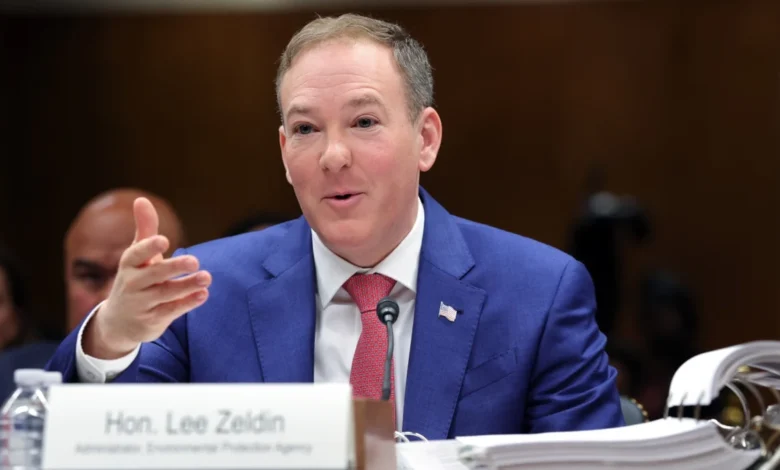
Lee Zeldin, the current EPA Administrator, framed the repeal as a necessary step to restore economic stability and energy independence. Speaking at an international energy summit in Texas, Zeldin characterized previous federal policies as a "war on coal" that harmed the American economy.
"For over 15 years, the Obama and Biden administrations implemented a war on coal to destroy reliable and affordable energy," Zeldin stated. "We are working to go even further so that American energy can be fully unleashed. Realizing the full potential of American energy means more jobs, lower prices, and a more prosperous America."
This rhetoric highlights a fundamental divide in the American energy debate: the prioritization of low-cost, immediate power supply versus the long-term ecological and public health costs associated with fossil fuel combustion.
The Hidden Costs: Public Health and Climate Impact
The repeal of the 2024 standards carries significant implications for public health, beyond the obvious climate-related concerns. Coal-fired power plants are significant sources of mercury, sulfur dioxide, and particulate matter—toxins linked to a wide array of respiratory and cardiovascular illnesses.
Independent analysis by the EPA under the previous administration estimated that the 2024 rule would have prevented roughly $370 billion in health-related damages by 2035. Specifically, the projections suggested the regulation would have averted hundreds of thousands of asthma flare-ups and over 1,200 premature deaths annually. By removing the regulatory pressure to close or retrofit these facilities, the current policy shift risks prolonging the lifespan of older, dirtier plants, effectively locking in a higher baseline of air pollution for the next decade.
Market Realities and the Artificial Intelligence Boom
While the political debate rages, the energy market has been undergoing a quiet transformation driven by economic realities. For two decades, coal’s decline has been primarily fueled by the shale gas revolution. The surge in natural gas production created a massive supply glut, making gas-fired electricity significantly cheaper than coal. This economic shift, rather than government regulation, has been the primary driver behind the roughly 50% reduction in U.S. power sector emissions.
However, a new variable has emerged: the unprecedented energy demand from the rapid expansion of artificial intelligence and the resulting surge in data center construction. Data centers require consistent, high-capacity electricity, leading some utilities to rethink their retirement schedules for legacy coal assets.
Southern Company, a major utility provider in the Southeast, serves as a prime example of this trend. Having previously planned to shutter a significant coal plant in Mississippi by 2028, the company announced last year that increased load projections—largely attributed to data center requirements—would necessitate keeping the plant operational well into the 2030s. Previous attempts by the utility to implement CCS at its facilities were marred by technical failures and cost overruns, leading critics to argue that the extension of coal life is a regressive step for both the climate and the company’s long-term sustainability goals.
The Role of Regulatory Teeth
The frequent reversal of federal policy has left the energy sector in a state of uncertainty. Kenneth Gillingham, a professor of environmental economics at Yale and a former adviser to the Obama administration, argues that the lack of consistent policy signals undermines long-term investment.
"The reason to have a target is that it sends a clear signal to decision-makers in companies," Gillingham observed. "If you’re on the fence between choosing two things, you might as well choose the one that’s in line with the target. That’s been undermined. There has to be some teeth behind it."
Gillingham notes that while the current administration’s support and the demand from the tech sector may offer a temporary reprieve for coal, the structural trend remains unfavorable. Many of the nation’s coal plants are reaching the end of their operational lifespans, and the capital expenditure required to keep them compliant with basic safety standards is often higher than the cost of transitioning to renewables or natural gas.
Future Outlook: The Inevitable Transition
Looking ahead, the next administration to prioritize climate action will inherit a complex landscape. The "stick" of regulation—as seen in the failed Clean Power Plan and the now-repealed 2024 rule—may be necessary to accelerate a transition that the market is currently slowing down.
However, market forces are rarely static. Even as the federal government removes barriers for coal, global markets, financing institutions, and the declining costs of wind, solar, and battery storage are creating a headwind that may prove difficult for coal plants to overcome. While the Trump administration’s repeal may delay the phaseout, it does not necessarily guarantee the long-term viability of the coal industry.
As Gillingham concluded, "We have more electricity demand than we did before, which is, on the margins, going to make it easier for a coal plant to stay on. But the trend is pretty clear, and you can only fight markets so much."
The coming years will likely be defined by a tug-of-war between artificial, policy-driven support for coal and the inexorable march of economic efficiency and technological advancement. For now, the repeal of federal carbon standards marks a decisive, if potentially temporary, victory for proponents of traditional fossil fuel energy, setting the stage for a contentious legal and political battle over the future of the American power grid.