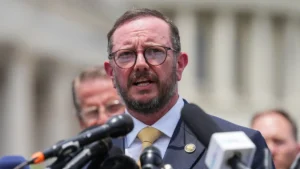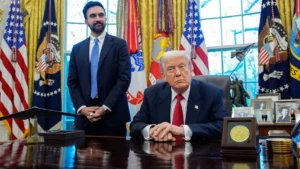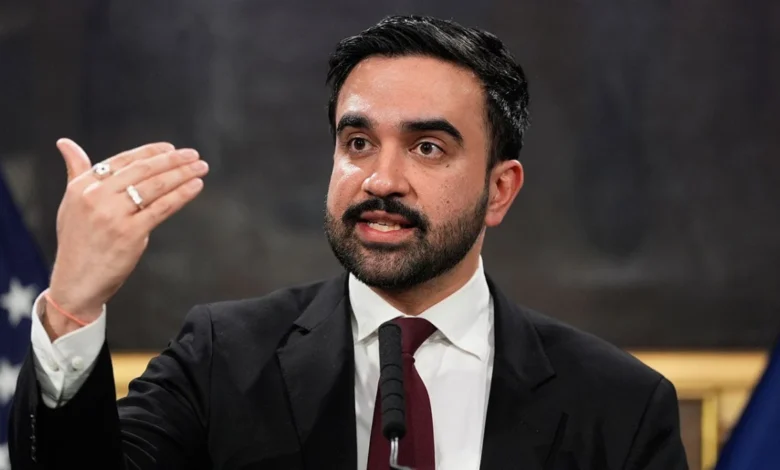
The political climate in New York City has reached a boiling point as Mayor Zohran Mamdani faces mounting pressure from various cultural and civic groups, culminating in a recent, highly publicized incident on Staten Island. The mayor, who has navigated a tumultuous term marked by fiscal challenges and cultural friction, was met with vocal disapproval during a pro-police celebration, signaling a deepening divide between his administration and segments of the city’s population. This latest backlash follows a series of controversies, including the invitation of the mayor to the prestigious Manhattan Columbus Day Parade, an event that has drawn sharp condemnation from prominent Italian-American leaders.
The Staten Island Incident and Fiscal Scrutiny
The confrontation on Staten Island serves as a microcosm of the broader dissatisfaction currently permeating Mamdani’s administration. Attendees at the pro-police event expressed open hostility toward the mayor, a reaction that political analysts attribute to a confluence of policy disputes. Beyond the immediate optics of the protest, the mayor is contending with significant fiscal headwinds. His administration has proposed a series of ambitious social programs, including a universal free childcare initiative, which critics argue is fiscally unsustainable given the city’s projected budget deficits.
Financial analysts have noted that the city faces a structural budget gap as it attempts to balance post-pandemic economic recovery with rising municipal costs. By prioritizing expansive social spending, Mamdani has found himself at odds with fiscal hawks who demand austerity, particularly in a climate where public safety funding remains a primary concern for the city’s electorate. The hostility at the Staten Island event reflects a broader anxiety among residents who fear that the mayor’s policy priorities do not align with the essential needs of the city’s public safety infrastructure.
The Columbus Day Parade Controversy
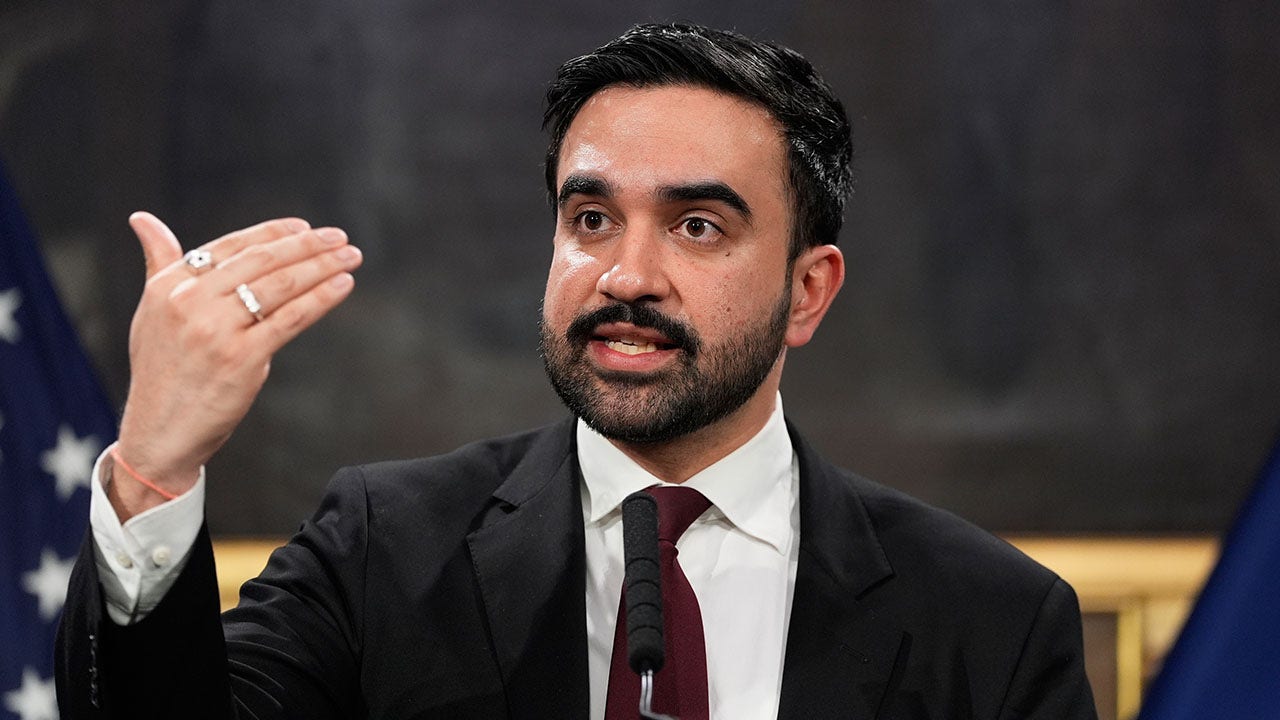
While the Staten Island event focused on law enforcement, the upcoming Columbus Day Parade has ignited a firestorm within the Italian-American community. The Columbus Citizens Foundation, which oversees the annual tradition, extended an invitation to Mayor Mamdani in what it described as an effort to bridge the gap between City Hall and the Italian-American community. However, the gesture has been met with immediate and vocal rejection from several influential figures.
The core of the opposition stems from the mayor’s documented history of activism against symbols of Italian heritage. In 2020, Mamdani shared a social media post depicting him directing an obscene gesture toward a statue of Christopher Columbus with the caption "take it down." For many Italian Americans, the explorer serves as a foundational cultural figure, representing the struggles and successes of their ancestors in the United States. Consequently, the invitation is viewed by some as an act of bad faith or, at the very least, a profound misunderstanding of the community’s values.
Chronology of Escalating Tensions
The friction between the Mayor and various interest groups has been building for several months, punctuated by specific events that have deepened the rift:
- 2020: Mamdani’s social media post regarding the Columbus statue sparks early criticism from conservative and cultural heritage organizations.
- Early 2026: The city releases a map of ethnic enclaves that noticeably excludes the historic Little Italy neighborhood. The oversight triggers widespread backlash, forcing the administration to issue an apology and promise a revision to include the area.
- September 11, 2026: Mayor Mamdani attends the annual Ground Zero memorial service, despite an organized petition signed by over 110,000 family members of 9/11 victims requesting that he abstain from attending.
- June 2026: The mayor opts out of the annual Israel Day Parade, marking a significant departure from a decades-long tradition of mayoral participation in the city’s major ethnic and cultural celebrations.
- October 2026: Anticipation builds surrounding the Columbus Day Parade, with threats of protests and the potential formation of a competing, alternative parade should the invitation to the mayor remain in place.
Voices of Opposition
The criticism of the mayor’s policies and public presence has transcended traditional political lines. Mike Crispi, president of the Italian American Civil Rights League, was among the first to voice his outrage on social media, labeling the invitation a "weak and feckless" move by the organizers. Similarly, Councilwoman Joann Ariola of Queens has publicly questioned the mayor’s sincerity, suggesting that his attempt to participate in the parade is a performative gesture that ignores his previous dismissals of Italian-American history.
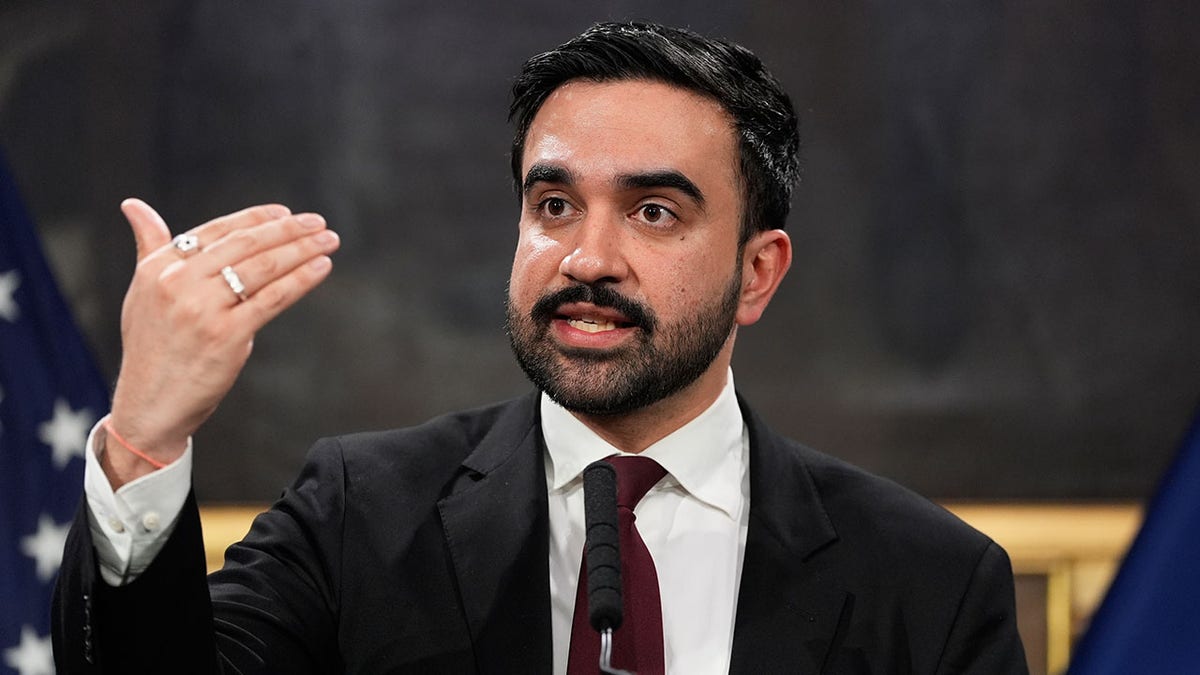
Even media personalities have weighed in on the controversy. Sid Rosenberg, a radio host, expressed strong indignation, stating that he would boycott the event if the mayor is present. These sentiments underscore a feeling of alienation among groups that feel the current administration is either indifferent or hostile to their heritage and civic concerns.
Official Responses and Institutional Perspective
Despite the public outcry, the Columbus Citizens Foundation has remained committed to its goal of diplomatic engagement. Christopher Loiacono, the organization’s president, stated that the foundation believes in the importance of maintaining an open line of communication with the mayor’s office. The goal, according to the foundation, is to foster a relationship that might encourage the administration to be more receptive to the needs of the Italian-American community in the future.
However, the mayor’s office has remained largely silent regarding the specific criticisms of his attendance at these events. When approached for comment by various media outlets, representatives for the mayor have not provided a formal statement, leaving a vacuum that continues to be filled by vocal opponents and political observers.
Analysis of the Broader Political Landscape
The pattern of resistance to Mayor Mamdani’s public appearances suggests a significant challenge in his ability to govern a diverse and often divided city. Political scientists note that while it is common for a mayor to face criticism, the frequency and intensity of the pushback from specific ethnic and cultural groups—as well as the families of 9/11 victims—is notable.
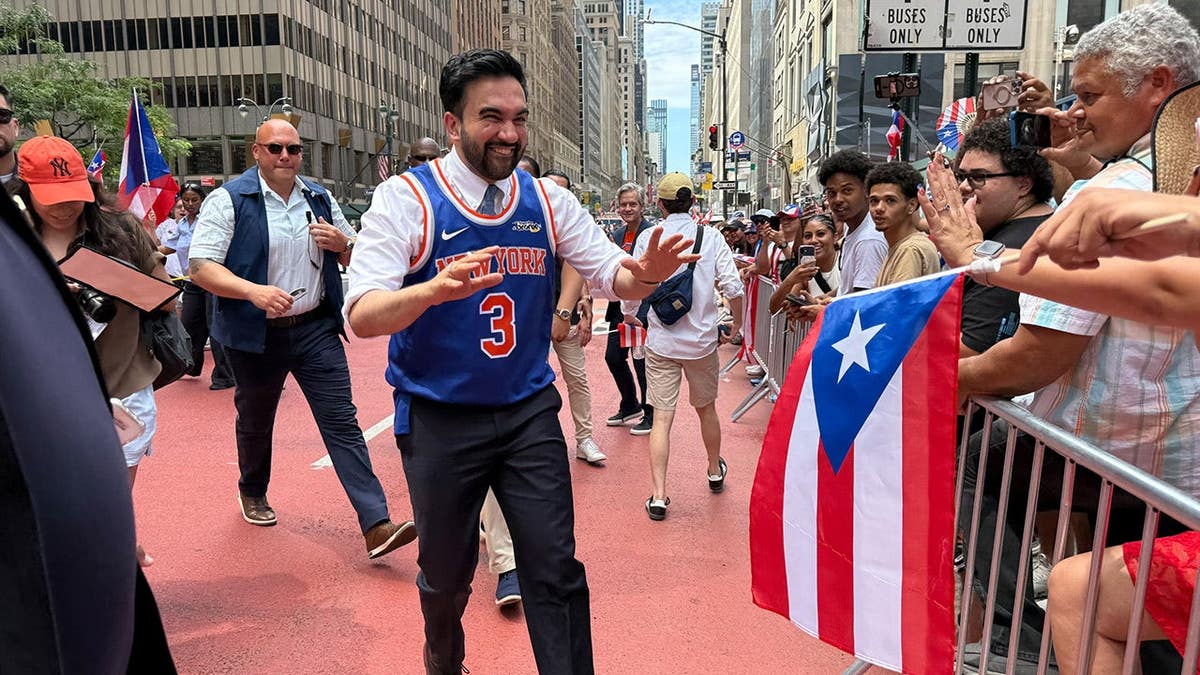
The omission of Little Italy from the city’s ethnic enclave map, while eventually corrected, remains a symbol of the "cultural blind spot" that critics accuse the administration of possessing. When coupled with his absence from the Israel Day Parade and the friction at the 9/11 memorial, a narrative has formed among his opposition that the mayor is disconnected from the historical and emotional pillars of New York City’s identity.
Implications for Future Governance
As the city approaches the fall, the implications for the mayor are twofold. First, the political cost of these cultural skirmishes may hinder his ability to build the broad coalitions necessary to pass his legislative agenda, including his controversial childcare plan. If the mayor is unable to win the trust of these key constituencies, his ability to implement long-term policy goals may be severely curtailed.
Second, the rise of "competing events," such as the potential alternative Columbus Day parade proposed by activists, points to a fragmentation of the city’s public life. If traditional, unified civic events begin to fracture along ideological or cultural lines, it could lead to a more polarized municipal landscape.
The coming weeks will be a test of the mayor’s political durability. Whether he chooses to lean into these confrontations or attempts a more conciliatory approach to his critics will likely define the trajectory of his administration in the months ahead. For now, the city remains a tinderbox, with the Columbus Day Parade serving as the next major flashpoint in a series of conflicts that show little sign of abating. The administration’s ability to navigate these cultural waters will ultimately determine whether he can successfully pivot from a period of intense, widespread backlash toward a more stable governance model.