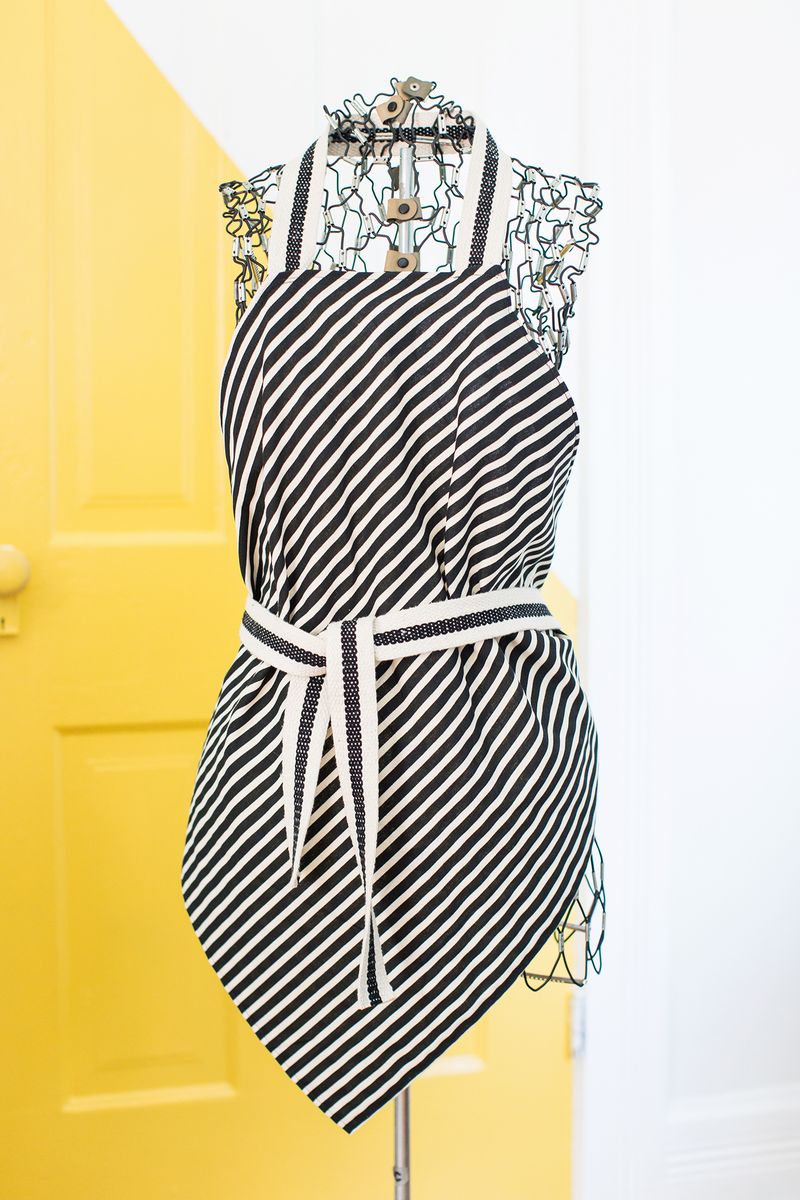

No-Sew Square Apron: The Ultimate Easy, No-Sew Craft for Instant Kitchen & Craft Protection
The allure of a functional and stylish apron is undeniable, offering a protective barrier against spills and splatters during cooking, baking, crafting, or even during messy DIY projects. Traditionally, apron creation involved a sewing machine and a degree of fabric knowledge. However, for those seeking an immediate and accessible solution, the no-sew square apron emerges as a brilliant and surprisingly versatile option. This article delves into the simplicity and adaptability of the no-sew square apron, providing comprehensive instructions, design variations, and practical applications, all optimized for search engines to help you discover this effortless craft.
The fundamental concept behind the no-sew square apron hinges on the inherent properties of fabric and the clever use of readily available fasteners. Unlike sewn aprons that rely on stitches to secure seams and form the apron’s structure, the no-sew version utilizes techniques that eliminate the need for needle and thread. This dramatically lowers the barrier to entry for anyone, from complete beginners to seasoned crafters looking for a quick project. The primary requirement is a piece of fabric, ideally a sturdy yet pliable material like cotton, canvas, denim, or even an old tablecloth or towel. The dimensions of this fabric piece will dictate the overall size of the apron. A common and effective starting point is a square of approximately 24×24 inches or 30×30 inches, depending on the desired coverage.
To transform this simple square into a wearable apron without sewing, the critical elements are the neck strap and the waist ties. These are typically created from complementary fabric strips or, for an even quicker solution, from grosgrain ribbon, bias tape, or even sturdy twine. The fabric for the ties should be cut into strips roughly 2-3 inches wide and at least 30-40 inches long, depending on the wearer’s waist and neck size. Hemming these fabric strips is optional for a more rustic look, but for a cleaner finish, a no-sew hem can be achieved using fabric glue or fusible hemming tape. Apply a small amount of fabric glue along the raw edge of the fabric strip, fold the edge over by about ½ inch, and press firmly. Alternatively, fusible hemming tape can be ironed on to create a neat hem.
The attachment of these ties to the fabric square is where the no-sew magic truly happens. For the neck strap, a common method involves creating a simple loop. Fold the top edge of the fabric square down by about 1-2 inches to create a casing. Secure this casing using fabric glue or fusible hemming tape. Once the glue has dried or the tape has been ironed, thread one end of your chosen tie material through this casing. Knot the ends of the tie securely within the casing to create a fixed loop that will go around the neck. Ensure the knot is substantial enough to prevent it from pulling through the casing. The length of the tie should be adjusted to comfortably fit around the wearer’s neck, allowing for adjustability by re-knotting if necessary.
For the waist ties, the process is similar but involves attaching the ties to the sides of the apron square. Locate the mid-points of the left and right sides of your fabric square. Measure down approximately 3-5 inches from the top edge on each side and mark these points. Apply fabric glue or fusible hemming tape to the raw edge of the fabric square at these marked points, creating a small hem or reinforced area. Attach one end of a waist tie to each of these reinforced side points using fabric glue or fusible hemming tape. Again, ensure a strong bond. For a more secure attachment, especially for heavier fabrics or more strenuous activities, consider using fabric glue and then reinforcing the bond with a few strategically placed staples or brass fasteners (also known as brads).
The beauty of the no-sew square apron lies in its adaptability and the multitude of ways it can be personalized. Fabric choice plays a significant role in the apron’s final aesthetic and function. For a robust kitchen apron, a heavy-duty cotton duck or canvas is ideal. These fabrics are resistant to stains and durable enough for frequent use. For a lighter-duty crafting apron, a patterned cotton print or even an old, but clean, bedsheet can work wonderfully. Consider the drape of the fabric; a stiffer fabric will create a more structured apron, while a softer fabric will yield a more relaxed fit.
Beyond the basic square, variations can be explored to enhance functionality. For instance, adding pockets is a popular modification. These pockets can be created from smaller pieces of the same or contrasting fabric. Cut a rectangular piece of fabric for the pocket, fold and hem its top edge (using no-sew methods), and then attach it to the front of the apron square using fabric glue. Position pockets strategically for easy access to tools, utensils, or cleaning cloths. Another simple variation involves rounding the bottom corners of the fabric square before attaching the ties. This creates a softer, more flowing silhouette.
For an even more streamlined approach to the no-sew square apron, consider utilizing pre-made materials. Fabric-covered button kits or snap fastener kits can be used instead of fabric ties. For the neck strap, a strong cord or rope, secured with knots, can be threaded through reinforced buttonholes (created with fabric glue and a buttonhole maker tool or by simply folding and gluing). Waist ties can be substituted with sturdy Velcro strips or adjustable buckle systems, offering greater ease of wear and removal. These elements significantly speed up the process and are excellent for those who want an apron in mere minutes.
The applications of a no-sew square apron extend far beyond the kitchen. Its quick creation and customizable nature make it perfect for a variety of scenarios. Children’s art classes or at-home craft sessions become far less messy with these simple aprons. Gardeners can wear them to protect their clothing from soil and dirt, and they can be easily washed. DIY enthusiasts tackling painting or woodworking projects will find them invaluable. Even pet groomers or owners can utilize them to keep their clothes clean during grooming sessions. The affordability and ease of making multiples also mean you can have a dedicated apron for each activity without concern for wear and tear.
When selecting your fabric, think about the intended use. For food preparation, ensure the fabric is food-safe and easily washable. Natural fibers like cotton are generally preferred for kitchen use. For crafting or DIY, a more durable and stain-resistant material like canvas or denim might be a better choice. The color and pattern of the fabric can also be used to express personal style. Bold prints can add personality to your apron, while a solid color can offer a more classic and understated look.
The process of attaching ties using fabric glue requires patience. Ensure the glue is fully dry before putting any stress on the bond. Different fabric glues have varying drying times, so always check the manufacturer’s instructions. For extra durability, consider using a fabric glue specifically designed for strong, permanent bonds. Fusible hemming tape, when properly ironed according to instructions, can provide a very strong and secure hold. The key is to use sufficient heat and pressure during the ironing process.
Cleaning your no-sew square apron is as simple as washing a regular fabric item. Most cotton and canvas aprons can be machine washed and dried. However, if you’ve used fabric glue, it’s advisable to check the glue’s instructions regarding washability. Some glues are water-resistant but not fully washable, while others are designed to withstand repeated laundering. For aprons with non-washable embellishments or ties, spot cleaning might be the best option.
The environmental aspect of no-sew aprons is also noteworthy. Repurposing old tablecloths, sheets, curtains, or even large feed sacks provides an eco-friendly way to create useful items. This reduces textile waste and gives new life to materials that might otherwise be discarded. It’s a fantastic project for those looking to embrace a more sustainable lifestyle.
When considering the construction of your no-sew square apron, the precision of your measurements is important for a well-fitting garment. While a perfect fit isn’t as critical as with tailored clothing, a few inches here or there can impact comfort. For the neck loop, it’s often best to err on the side of slightly too long, as you can always re-knot to shorten it. For the waist ties, ensure they are long enough to tie comfortably in a knot or bow around the waist.
For those who want to add a professional touch without sewing, explore no-sew hemming techniques for the edges of the apron itself. While a raw edge can have a bohemian charm, a finished hem offers a more polished appearance. This can be achieved with fabric glue, fusible hemming tape, or even fabric paint used to seal the raw edge. This adds an extra layer of durability and prevents fraying over time.
The ease of customization is a significant SEO keyword here, as people searching for no-sew aprons are often looking for ways to personalize their creations. Think about adding appliqué shapes using fabric glue, attaching buttons for decoration, or even using fabric markers to draw designs. These simple additions can transform a plain square into a unique and personalized item.
In conclusion, the no-sew square apron represents a fantastic intersection of simplicity, functionality, and creativity. It’s a project accessible to everyone, regardless of crafting experience, offering immediate gratification and a highly practical outcome. From protecting clothes in the kitchen to safeguarding garments during creative endeavors, this humble no-sew design proves its worth time and again. Its adaptability, affordability, and eco-friendly potential make it a standout crafting solution, easily discoverable through targeted search terms related to "easy aprons," "no-sew crafts," "DIY kitchen wear," and "fabric projects."
