
The Life of a Game Journalist: Behind the Pixels and the Paychecks
The allure of playing video games for a living is potent. Images of perpetual playtime, exclusive access to unreleased titles, and a constant stream of exciting new hardware fuel this perception. While elements of this fantasy hold true, the reality of a career in game journalism is a far more complex, demanding, and often less glamorous affair than often portrayed. It’s a profession that requires a potent blend of passion, critical thinking, strong writing skills, and an almost superhuman ability to adapt to a rapidly evolving industry.
At its core, game journalism is about informing and engaging an audience about the world of video games. This encompasses a wide spectrum of content creation, from in-depth reviews and analytical features to breaking news, interviews with developers, and opinion pieces that spark debate. A game journalist acts as a bridge between the creators of games and the people who play them, providing context, critique, and community. This role necessitates a deep understanding of game design, mechanics, narrative, technology, and the cultural impact of gaming.
The pathway into game journalism is rarely linear. Many aspiring journalists begin by contributing to fan sites, personal blogs, or student publications, honing their craft through unpaid or low-paid internships. Building a portfolio of published work is paramount, demonstrating a consistent ability to produce high-quality content under deadlines. Networking within the industry, attending events like E3 (or its modern equivalents), PAX, and Gamescom, and engaging with developers and fellow journalists on social media are crucial for visibility and opportunity. Social media platforms, particularly Twitter and YouTube, have become indispensable tools for sharing work, building a personal brand, and forging connections.
One of the most misunderstood aspects of game journalism is the process of reviewing games. Contrary to popular belief, reviewers rarely get to simply "play games all day." A typical review assignment involves receiving a game (often under embargo, meaning it cannot be discussed publicly until a specific date and time), playing through it thoroughly, analyzing its various components, and then articulating those findings in a coherent and persuasive manner. This process can take anywhere from a few days to several weeks, depending on the game’s length and complexity, and the publication’s review cycle. The pressure to deliver a comprehensive and timely review, often alongside dozens of other reviewers working on the same title, can be intense.
Beyond reviews, game journalists engage in a variety of other content forms. Feature articles allow for deeper dives into specific topics, such as the history of a particular genre, the ethical implications of loot boxes, or the impact of indie developers on the market. News reporting demands vigilance, with journalists constantly monitoring industry announcements, financial reports, and developer statements to break timely stories. Interviews are a vital part of the job, requiring journalists to prepare thoughtful questions, conduct interviews effectively (often remotely), and then transcribe and synthesize the information into engaging narratives. Opinion pieces, while not always the focus for every publication, allow journalists to express their unique perspectives and contribute to the ongoing discourse surrounding gaming.
The tools of the trade are varied. Beyond a reliable computer and high-speed internet, a game journalist needs a good microphone for voiceovers and interviews, and often a capture card for recording gameplay footage. Video editing software is increasingly essential as video content plays a significant role in online gaming publications. Understanding content management systems (CMS) for websites and the nuances of SEO (Search Engine Optimization) to ensure content is discoverable by search engines are also critical skills.
Compensation in game journalism can be highly variable. Freelancing often offers the most flexibility but can lead to inconsistent income. Staff positions at larger publications may offer more stability and benefits, but competition for these roles is fierce. Early-career journalists may find themselves working for low wages, or even unpaid, for a considerable period as they build their experience and reputation. As a journalist gains experience and a demonstrable track record, their earning potential increases, but it rarely reaches the stratospheric salaries associated with some other media professions. The passion for games often has to outweigh the financial rewards, at least in the initial stages of a career.
The challenges are numerous. The constant pressure of deadlines, the need to stay abreast of an ever-accelerating industry, and the sheer volume of games released each year can lead to burnout. Navigating the complex relationships with public relations (PR) departments and developers requires a delicate balance of advocacy for the audience and maintaining professional relationships. The rise of social media has also blurred the lines between professional journalism and casual commentary, and game journalists must constantly prove their credibility and commitment to journalistic integrity in a landscape often rife with misinformation and toxicity.
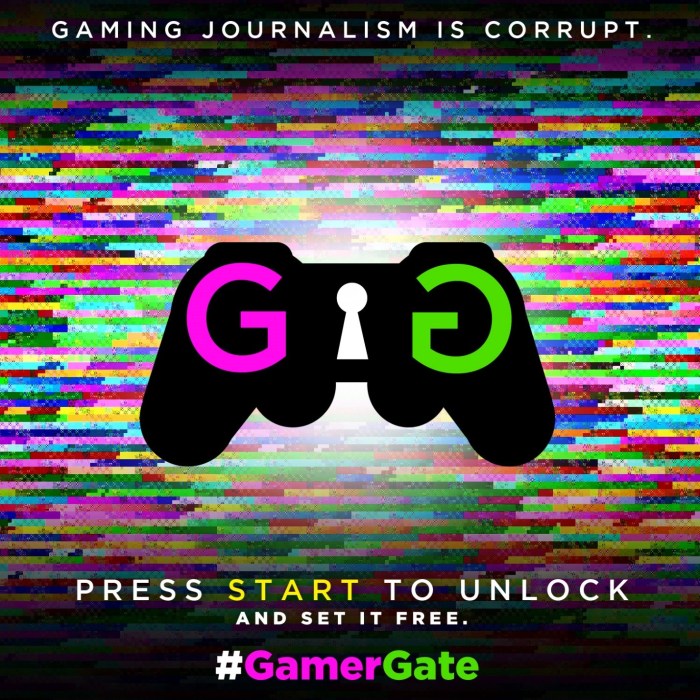
A particularly thorny issue is the potential for bias, both conscious and unconscious. Developers and publishers often provide early access to games and exclusive information, creating a perception of favoritism or a quid pro quo arrangement. Ethical game journalists strive for objectivity, disclosing any potential conflicts of interest and maintaining a critical distance from promotional materials. The pursuit of clickbait headlines and sensationalism, while tempting for short-term gains, can damage a journalist’s reputation and erode reader trust in the long run. Maintaining a strong ethical compass is paramount for career longevity and respect within the industry.
The industry’s financial models also present challenges. Many online publications rely on advertising revenue, which can fluctuate. The increasing prevalence of subscription models and premium content offers an alternative, but requires a loyal and engaged audience. This economic uncertainty can make it difficult for publications to offer stable employment and competitive salaries to their staff.
Despite these hurdles, the rewards can be immense. The opportunity to be at the forefront of a dynamic and culturally significant industry, to shape conversations, and to connect with a passionate community is deeply fulfilling. The chance to play and critique cutting-edge games before they are released, to interview the creative minds behind them, and to contribute to the ongoing evolution of interactive entertainment provides a unique and exhilarating professional experience. For those who possess a genuine love for games, a sharp mind, and a tenacious spirit, a life in game journalism, while demanding, can be an exceptionally rewarding path. The constant learning curve, the engagement with diverse perspectives, and the direct impact on how games are perceived and consumed make it a career that is anything but stagnant. It’s a profession that requires constant adaptation, a dedication to truth, and an unshakeable belief in the power of storytelling and critical analysis within the realm of interactive media. The pursuit of excellence in this field is a marathon, not a sprint, and for those who endure, the journey is often as compelling as the games they cover.

