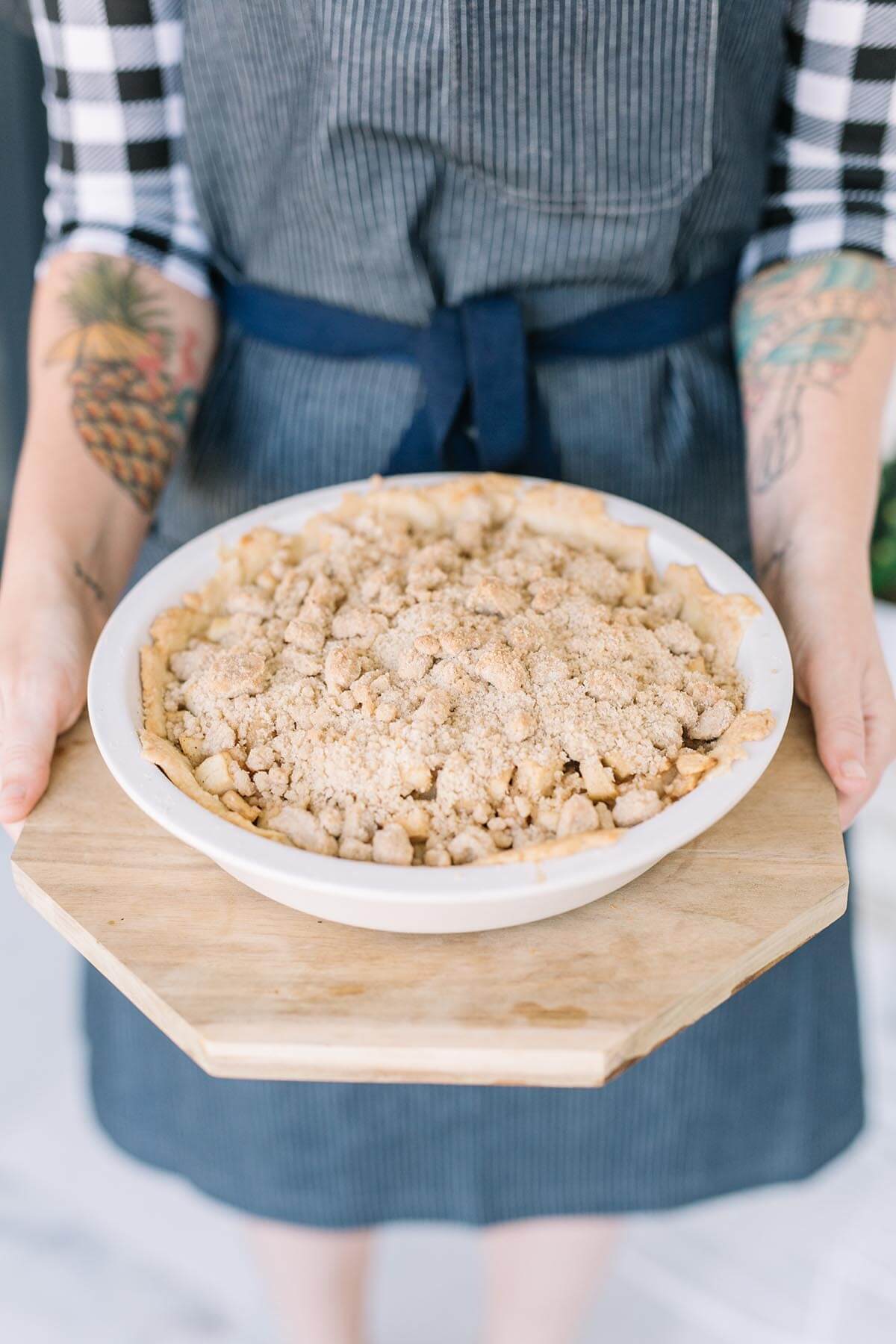

Apple and Asian Pear Crumble Pie: A Modern Twist on a Classic Dessert
The traditional apple pie, a cornerstone of comforting American cuisine, receives a sophisticated upgrade with the inclusion of the crisp, subtly sweet Asian pear. This fusion dessert, an apple and Asian pear crumble pie, offers a delightful textural contrast and a nuanced flavor profile that elevates it beyond its humble origins. The inherent sweetness of the Asian pear, coupled with its firm, juicy flesh that holds its shape beautifully during baking, complements the tartness and softer texture of apples, creating a harmonious filling. The crumble topping, a buttery, crumbly blanket, provides a satisfying crunch, acting as a perfect counterpoint to the tender fruit beneath. This article will delve into the intricacies of crafting an exceptional apple and Asian pear crumble pie, covering ingredient selection, preparation techniques, baking considerations, and variations that cater to diverse palates and dietary needs, all while optimizing for search engine visibility.
The selection of fruit is paramount to the success of this crumble pie. For apples, choose varieties that offer a balance of sweetness and tartness, and crucially, that hold their shape when baked. Granny Smith apples are a classic choice for their tartness and firm texture, providing a welcome counterpoint to the sweetness. Honeycrisp apples, with their explosive crunch and balanced sweet-tart flavor, are another excellent option. Fuji and Gala apples, while sweeter, can also be incorporated in smaller quantities to add depth, but it’s essential to manage their sugar content to prevent an overly sweet filling. The key is to avoid varieties that tend to become mushy, such as Red Delicious. For the Asian pear component, the Hosui, Shinseiki, and Nijisseiki varieties are particularly well-suited. Hosui pears are known for their exceptional sweetness and rich honey-like flavor, with a grainy texture that softens slightly when cooked but retains integrity. Shinseiki and Nijisseiki pears offer a milder, refreshing sweetness and a crisp, juicy bite, contributing to the overall textural complexity. When purchasing Asian pears, look for firm, unblemished fruit with a slight give when gently pressed near the stem. Avoid pears that are bruised or overly soft, as this indicates they are past their prime. The ratio of apples to Asian pears is flexible and can be adjusted to personal preference. A 50/50 split is a good starting point, but some may prefer a slightly higher proportion of apples for more pronounced tartness, while others might favor the Asian pear’s delicate sweetness.
Crafting the perfect pie crust is foundational. A flaky, buttery pastry is essential for any pie, and this crumble pie is no exception. For an SEO-friendly approach, we’ll focus on keywords related to "flaky pie crust recipe," "all-butter pie crust," and "homemade pie dough." The ideal pie crust is achieved through careful ingredient proportions and technique. A classic ratio of flour, fat (butter and/or shortening), salt, and ice water is crucial. Using cold, unsalted butter, cut into small cubes, is vital. The fat coats the flour, creating layers that puff up during baking, resulting in flakiness. Shortening can be incorporated to enhance tenderness and prevent toughness, but an all-butter crust offers superior flavor. The key is to work the fat into the flour until it resembles coarse meal with some pea-sized pieces of butter remaining. Ice water is added sparingly, just enough to bring the dough together. Overworking the dough develops gluten, leading to a tough crust. Chilling the dough is a non-negotiable step, allowing the gluten to relax and the fat to firm up, both contributing to a tender and flaky outcome. For a double-crust pie, two discs of dough are needed: one for the bottom and one for the top, which will later be replaced by the crumble. Rolling out the bottom crust requires a gentle touch, ensuring even thickness and avoiding stretching, which can cause shrinkage during baking. Transferring the rolled dough to the pie plate, gently pressing it into the corners without tearing, is a delicate maneuver. Trimming and crimping the edges can be done before or after adding the filling, depending on personal preference and ease of handling.
The heart of this dessert lies in its fruit filling and the complementary crumble topping. For the fruit filling, after preparing and coring the apples and Asian pears, they should be sliced to a uniform thickness, typically around ¼ to ½ inch. This ensures even cooking. Overlapping slices can create a more aesthetically pleasing arrangement in the bottom crust, but for a crumble pie, a more rustic, mixed arrangement is perfectly acceptable. The filling is then tossed with sugar, spices, and a thickener. The type and amount of sugar can be adjusted based on the sweetness of the fruit. Brown sugar adds a caramel note, while granulated sugar provides clean sweetness. A combination often yields the best results. Cinnamon is the quintessential spice for apple pies, but for this hybrid, consider adding a touch of cardamom, ginger, or nutmeg to complement the subtle floral notes of the Asian pear. A pinch of ground cloves can also add warmth. For thickening, all-purpose flour, cornstarch, or tapioca starch are common choices. Cornstarch provides a clear, glossy finish, while flour can sometimes leave a slightly opaque appearance. Tapioca starch is excellent for fruit pies, creating a smooth, non-gelatinous texture. The key is to ensure the thickener is evenly distributed to prevent pockets of raw starch. A squeeze of lemon juice is often added to the filling to brighten the flavors and prevent the apples from browning excessively.
The crumble topping, a defining element of this dessert, requires a simple yet effective preparation. Keywords such as "crumble pie topping recipe," "streusel topping," and "oat crumble" are relevant for SEO. The classic crumble consists of flour, sugar, and butter, often with the addition of oats for texture and flavor. Rolled oats, also known as old-fashioned oats, add a delightful chewiness and nutty undertone. The ratio of dry ingredients to fat is critical for achieving the desired crumbly consistency. A common ratio involves equal parts flour and sugar to fat, or slightly more flour for a drier crumble. Cold butter, cut into small pieces, is pulsed with the dry ingredients in a food processor or rubbed in with fingertips until the mixture resembles coarse crumbs. Adding a pinch of salt enhances the overall flavor profile. Some bakers like to add chopped nuts, such as pecans or walnuts, to the crumble for added crunch and flavor. Spices, mirroring those in the filling, can also be incorporated into the crumble for a unified flavor experience. The crumble topping is generously sprinkled over the fruit filling just before baking, creating a golden, crisp blanket.
Baking an apple and Asian pear crumble pie involves specific considerations to ensure the crust is cooked through and the filling is bubbling and tender. Keywords such as "how to bake a fruit pie," "preventing soggy bottom pie crust," and "oven temperature for pie" are valuable for search engine optimization. The pie should be baked in a preheated oven, typically at 400°F (200°C) for the initial 15-20 minutes, to set the crust and begin the cooking process. This higher temperature helps to crisp the bottom crust. Subsequently, the oven temperature is reduced to 375°F (190°C) to allow the filling to cook through without burning the topping. Baking time will vary depending on the oven and the size of the pie, but generally ranges from 45 to 60 minutes. To prevent the edges of the crust from over-browning, a pie crust shield or strips of aluminum foil can be placed around the perimeter during the latter stages of baking. The pie is done when the crust is golden brown, and the filling is visibly bubbling through the crumble topping. For added assurance of the filling’s doneness, a knife inserted into the center should encounter tender fruit. Resting the pie after baking is crucial. Allowing it to cool for at least 2-3 hours, or even overnight, permits the juices to thicken and set, preventing a soupy pie when sliced. This cooling period is essential for achieving clean slices.
Variations on the apple and Asian pear crumble pie can cater to a wide range of dietary preferences and flavor profiles. For those seeking gluten-free options, using a gluten-free all-purpose flour blend for both the crust and the crumble topping is a viable solution. Ensure the blend contains a binder like xanthan gum. Similarly, a gluten-free oat crumble is easily achievable. For vegan versions, replace butter with vegan butter or a solid coconut oil. Plant-based milk can be used in place of eggs if an egg wash is desired for the crust, though it’s not essential for a crumble pie. For those mindful of sugar intake, natural sweeteners like maple syrup or honey can be used in place of some or all of the granulated sugar, though this may alter the moisture content and require adjustments to the thickener. The addition of other fruits can further enhance the flavor profile. Berries, such as blueberries or raspberries, can be incorporated alongside the apples and Asian pears, adding a tart and vibrant dimension. A few tablespoons of orange zest can brighten the citrus notes of the filling. For a more decadent crumble, consider adding a tablespoon of cornmeal to the topping for an extra crunch. The possibilities for customization are extensive, allowing for a truly personalized dessert experience.
In terms of SEO, consistently integrating relevant keywords throughout the article is key. This includes terms like "apple and Asian pear pie recipe," "best crumble pie," "fruit pie with Asian pears," "fall dessert recipes," "easy pie recipes," and "homemade dessert." Utilizing headings and subheadings with these keywords will improve readability for both users and search engines. Image alt text should also be descriptive and include relevant keywords. The structure of the article, from ingredient sourcing to baking and variations, provides a comprehensive guide that users are likely to search for when planning to make this dessert. The detailed instructions and explanations cater to both novice and experienced bakers, increasing the likelihood of organic traffic. The emphasis on specific fruit varieties, baking techniques, and troubleshooting tips further enhances its authority and relevance in search results. The fusion of a classic with an unexpected fruit offers a unique selling proposition that can attract a wider audience seeking novel dessert experiences. By focusing on the practical aspects of creating this delicious and visually appealing crumble pie, this article aims to become a go-to resource for bakers worldwide.
