Crafting Sustainable Beauty: An In-Depth Guide to Dried Citrus Ornaments
Dried citrus ornaments offer a captivating fusion of natural aesthetics and sustainable crafting, transforming simple fruit into vibrant, aromatic decorations. This guide delves deep into the world of dried citrus for ornamentation, exploring the techniques, applications, and benefits of this eco-conscious craft. From the fundamental process of dehydration to advanced embellishment and creative display ideas, we’ll equip you with the knowledge to create stunning, long-lasting citrus decor that resonates with both environmental responsibility and artistic expression. The enduring appeal of dried citrus lies in its inherent beauty, the comforting aroma it releases, and its versatility, making it a sought-after element for festive occasions, home decor, and even thoughtful, handmade gifts. Understanding the nuances of selecting the right citrus, achieving perfect drying, and preventing spoilage are crucial for maximizing the lifespan and visual impact of these ornaments.
The cornerstone of creating exceptional dried citrus ornaments is the selection of appropriate citrus fruits. While oranges, lemons, and grapefruits are the most common choices due to their vibrant colors and firm flesh, other citrus varieties can also yield beautiful results. Consider limes for their bright green hue, blood oranges for their deep, rich color and speckled interiors, or even kumquats for their miniature size and edible rind. The key is to choose fruits that are ripe but not overly soft, as this will facilitate a more even drying process. Inspect each fruit carefully for any blemishes, soft spots, or signs of decay, as these imperfections can hinder drying and lead to mold. The thickness of the fruit slices also plays a significant role. Aim for slices that are approximately ¼ inch (0.6 cm) thick. Thinner slices risk becoming brittle and breaking easily, while thicker slices will require a longer drying time and may not dehydrate completely, leading to potential spoilage. Uniformity in slice thickness is paramount for achieving consistent results across your batch of ornaments.
Dehydration is the critical step in transforming fresh citrus into durable ornaments. Several methods can be employed, each with its own advantages. The most accessible and common method is oven drying. Preheat your oven to its lowest setting, typically between 170°F and 200°F (77°C to 93°C). Line a baking sheet with parchment paper to prevent sticking. Arrange the citrus slices in a single layer, ensuring they do not overlap. Flip the slices periodically, every 30-60 minutes, to promote even drying. The drying time can vary significantly depending on the thickness of the slices, the humidity of your environment, and the specific temperature of your oven, but generally ranges from 4 to 12 hours. To check for doneness, the slices should feel leathery and dry to the touch, with no visible moisture. A slight translucence is acceptable, but they should not be pliable or feel damp.
An alternative and often preferred method for achieving a more consistent and controlled drying process is the use of a food dehydrator. This appliance is specifically designed for dehydration and allows for precise temperature control, which is ideal for fruits. Follow the manufacturer’s instructions for your dehydrator, typically setting the temperature between 125°F and 140°F (52°C to 60°C). Arrange the citrus slices on the dehydrator trays in a single layer, again, ensuring no overlap. The drying time in a dehydrator is generally shorter than in an oven, often ranging from 6 to 24 hours. Rotate the trays or flip the slices midway through the process to ensure even dehydration.
For those seeking a more natural and time-intensive approach, air-drying is an option, though it is best suited for drier climates and requires patience. This method involves placing the citrus slices on a wire rack in a well-ventilated area, away from direct sunlight. This can take several days to a week or more, and it’s essential to monitor for any signs of mold or spoilage. While this method requires minimal energy input, it is more susceptible to environmental factors. Regardless of the chosen method, it is crucial to ensure the citrus is thoroughly dried to prevent mold and decay, which would render the ornaments unusable.
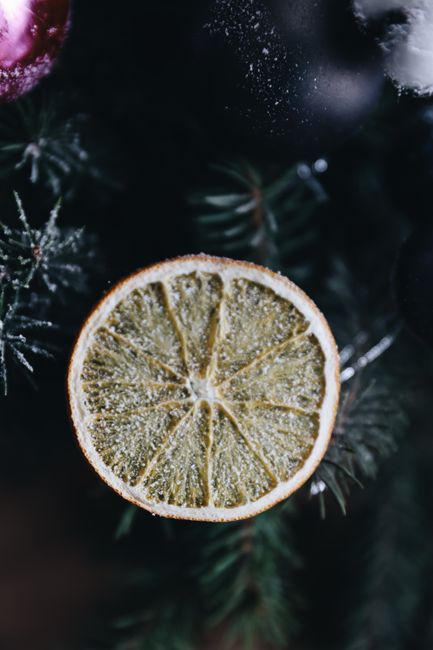
Once dried, the citrus ornaments are ready for preservation and enhancement. To prolong their lifespan and maintain their vibrancy, a sealant can be applied. A clear acrylic spray sealant or a food-grade varnish works effectively. This not only protects the ornaments from moisture but also adds a subtle sheen. Apply the sealant in a well-ventilated area, spraying a thin, even coat onto both sides of the dried citrus slices. Allow each coat to dry completely before applying additional coats if desired. For an extra touch of sparkle or a different finish, fine glitter or iridescent powders can be mixed into the sealant or applied directly to the damp sealant.
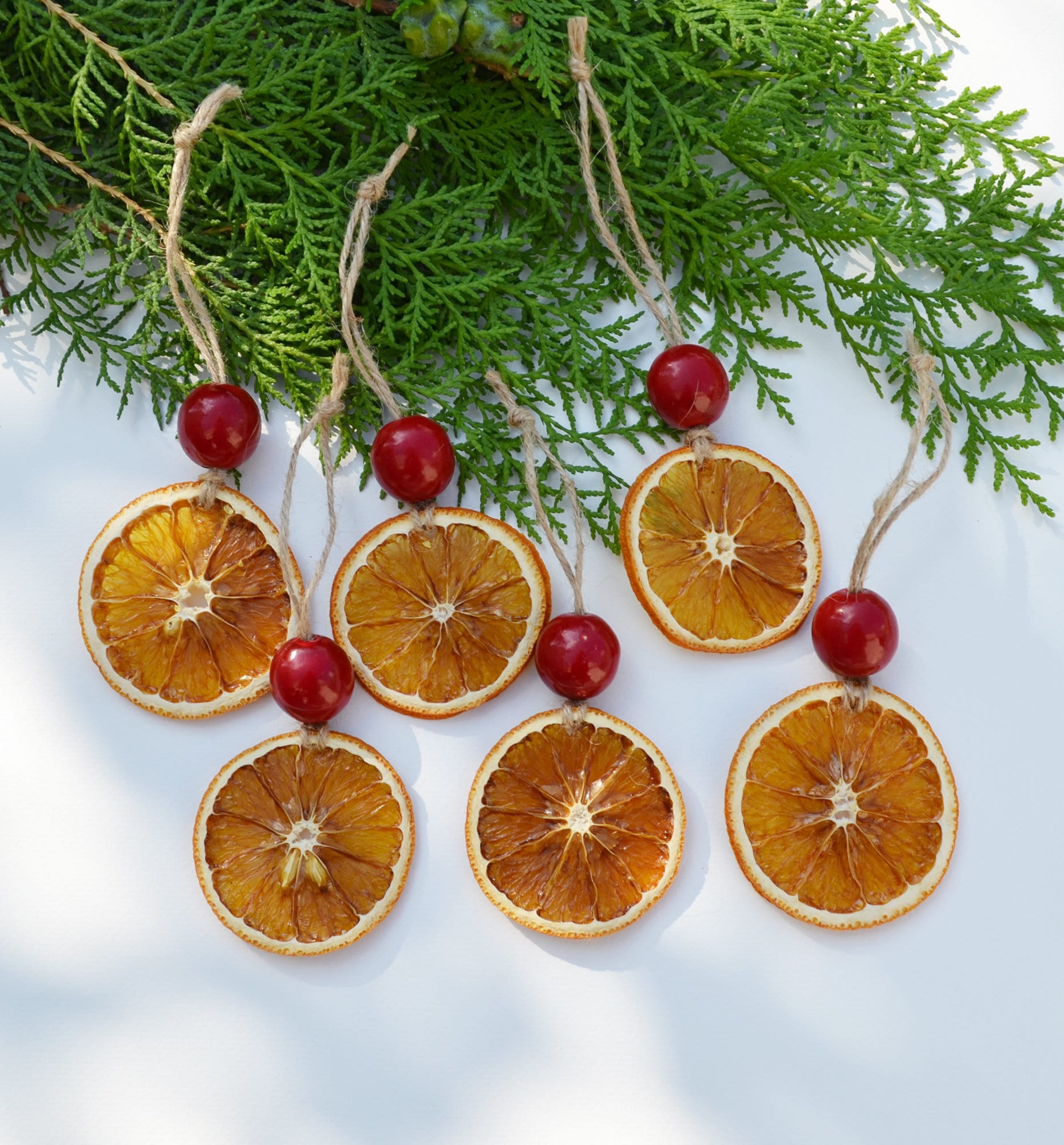
Beyond simple preservation, dried citrus ornaments can be further embellished to enhance their visual appeal and thematic relevance. Consider adding a cinnamon stick, star anise, or cloves to the center of an orange slice for a festive, aromatic touch. These natural elements not only complement the citrus scent but also add textural and visual interest. Small pinecones, dried berries, or sprigs of rosemary can be attached using a hot glue gun to create miniature wreaths or clusters. For a touch of elegance, metallic spray paint in gold, silver, or rose gold can be applied to the edges of the slices or to intricate patterns cut into the fruit before drying. Be mindful of over-embellishment; the natural beauty of the citrus should remain the focal point.
The applications of dried citrus ornaments are remarkably diverse. Their most popular use is in holiday decorating. Strung together, they create beautiful and fragrant garlands for Christmas trees, mantels, or windows. Tied with ribbon, they become charming gift toppers or hangings for wreaths. They are also ideal for creating natural potpourri, releasing a gentle, refreshing scent into any room. Beyond holidays, dried citrus adds a bohemian and naturalistic touch to everyday home decor. They can be placed in decorative bowls, incorporated into floral arrangements, or hung as subtle accents in kitchens and living spaces. Their longevity makes them a sustainable alternative to fresh flowers and foliage in many decorative contexts.
For crafters looking to create unique and personalized gifts, dried citrus ornaments are an excellent choice. Their handmade nature conveys thoughtfulness and effort. They can be incorporated into DIY gift baskets, added to homemade candles, or presented as standalone decorative items. Their natural aroma also makes them a popular addition to aromatherapy kits or relaxation gifts. The ability to customize their appearance through various embellishments allows for a wide range of recipients and occasions. A citrus ornament adorned with cinnamon and star anise, for example, would be a perfect gift for the holiday season, while a more subtly decorated slice might be suitable for a housewarming or a birthday.
The environmental benefits of using dried citrus ornaments are a significant draw for conscious consumers and crafters. By repurposing fruit that might otherwise be discarded, this practice champions the principles of zero waste and sustainability. Dehydration is an energy-efficient preservation method, particularly when using methods like solar drying or food dehydrators powered by renewable energy. The natural origins of these ornaments mean they are biodegradable, unlike many synthetic decorative items. Furthermore, their use reduces the demand for mass-produced, often plastic-based, decorations, contributing to a smaller environmental footprint. This aligns with a growing global trend towards eco-friendly living and a desire for more natural and ethically sourced products.
Maintaining the quality and longevity of dried citrus ornaments requires proper storage and handling. Once completely dry and sealed (if desired), store them in airtight containers in a cool, dry, and dark place. This will protect them from moisture, direct sunlight, and potential pests. Avoid storing them in humid environments, such as bathrooms or kitchens with active cooking, as this can lead to moisture absorption and potential spoilage. When displaying them, be mindful of direct sunlight, which can cause fading over time. While they are relatively durable, they are still organic materials and can be fragile. Handle them with care to prevent breakage.
The process of creating dried citrus ornaments also offers a sensory experience. The act of slicing the vibrant fruit, the warming aroma that emanates during the dehydration process, and the satisfaction of transforming a natural ingredient into a beautiful and lasting decoration all contribute to a rewarding crafting endeavor. This tactile and aromatic engagement with natural materials can be a form of mindful practice, offering a respite from the digital world. Sharing this craft with others, whether through workshops or by gifting the finished products, can foster a sense of community and shared appreciation for natural beauty and sustainable living.
In conclusion, dried citrus ornaments represent a delightful intersection of natural artistry, sustainable practices, and creative expression. From the careful selection of fruits and precise dehydration techniques to the imaginative embellishments and diverse applications, this guide has provided a comprehensive overview of the journey from fresh fruit to enduring decor. By embracing this eco-conscious craft, individuals can not only beautify their surroundings but also contribute to a more sustainable and mindful lifestyle, one vibrant, aromatic slice at a time. The enduring appeal and versatility of dried citrus ensure its place as a cherished element in the world of natural crafting and decorative arts for years to come.

