
Pepper Jack Cheese: A Flavorful Fusion of Spice and Cream
Pepper Jack cheese, a celebrated staple in the dairy aisle and a beloved ingredient in kitchens worldwide, represents a harmonious marriage of two distinct culinary traditions: the creamy, meltable nature of Monterey Jack and the vibrant, piquant kick of chili peppers. This fusion results in a cheese that is not only incredibly versatile but also possesses a unique flavor profile that appeals to a broad spectrum of palates. Unlike many aged cheeses with complex, often acquired tastes, Pepper Jack offers an immediate and accessible sensory experience – a delightful interplay of smooth dairy richness punctuated by assertive bursts of heat. Its popularity stems from this very balance, making it a go-to choice for everything from casual snacking to sophisticated culinary creations. This article delves deep into the essence of Pepper Jack cheese, exploring its origins, production, characteristics, culinary applications, and the compelling reasons behind its enduring appeal in the global food landscape. Understanding Pepper Jack is an exercise in appreciating how seemingly simple ingredients can be combined to create something truly special and universally enjoyed.
The genesis of Pepper Jack cheese can be traced back to the late 19th or early 20th century in California. While precise historical documentation is somewhat elusive, the prevailing narrative attributes its creation to Mexican-American cheesemakers in Monterey County. This region was already known for its production of Monterey Jack, a semi-soft, white cheese with a mild, buttery flavor that became popular in the mid-1800s. The innovation, it is believed, involved introducing chili peppers, likely jalapeños, into the Monterey Jack curds during the cheesemaking process. This was a natural evolution, given the strong culinary influence of Mexican cuisine in California, which frequently incorporates chili peppers for flavor and heat. The "Jack" in Pepper Jack is a direct homage to Monterey Jack, signifying its foundational cheese base. The addition of peppers was not merely an afterthought but a deliberate culinary experiment that yielded a cheese with a significantly enhanced flavor dimension. This development coincided with the burgeoning American interest in spicy foods and the increasing availability of diverse agricultural products in California. The resulting cheese, with its melty texture and spicy undertones, quickly gained traction, offering a novel alternative to more traditional cheeses. While other regional variations might have existed, the Pepper Jack as we know it today is intrinsically linked to the Monterey Jack tradition and the rich agricultural tapestry of California.
The production of Pepper Jack cheese closely follows the established methods for making Monterey Jack, with the crucial addition of chili peppers. The process begins with high-quality cow’s milk, which is pasteurized and then inoculated with bacterial cultures. These cultures are essential for developing the cheese’s characteristic mild flavor and texture. Rennet is then added to coagulate the milk, forming a curd. The curd is cut into small pieces to release whey, the liquid component of milk. This step is critical for controlling the moisture content and, consequently, the texture of the final cheese. After the whey is drained, the curds are often cheddared, a process where they are matted together and allowed to acidify, which develops a slightly firmer texture and a more pronounced flavor. It is at this stage, or sometimes during the milling of the curd, that the chopped chili peppers are introduced. Jalapeños are the most common choice, but other varieties like serranos or even habaneros can be used to create variations with differing heat levels. The peppers are typically finely diced or minced to ensure an even distribution throughout the cheese. The pepper-infused curds are then pressed into forms, and the cheese is aged for a relatively short period, typically ranging from one to three months. This brief aging period contributes to Pepper Jack’s characteristic semi-soft texture and allows the flavors of the milk and peppers to meld without becoming overly sharp or complex. The result is a cheese that is moist, pliable, and readily meltable, with distinct flecks of pepper visible throughout its creamy interior. The quality of the milk and the type and quantity of peppers used significantly influence the final taste and heat intensity of the Pepper Jack.
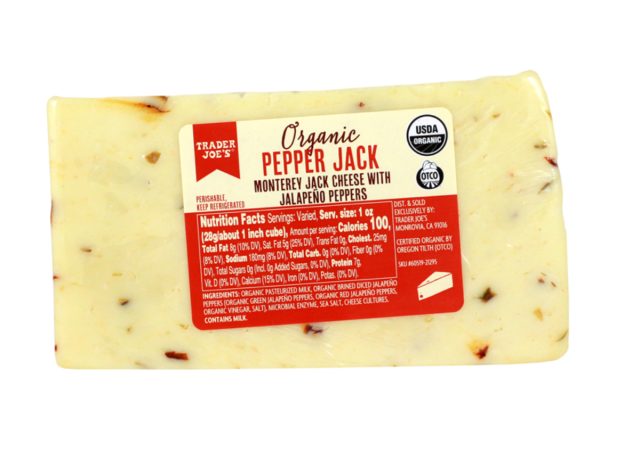
Pepper Jack cheese is characterized by its distinct sensory attributes, making it easily identifiable. Visually, it presents as a pale yellow to creamy white cheese, often speckled with vibrant green or red pieces of chili pepper. The texture is semi-soft, moist, and yielding, making it exceptionally easy to slice, shred, and melt. Unlike harder cheeses, Pepper Jack does not crumble easily and maintains a pleasant chewiness when melted. The aroma is a delightful blend of creamy dairy notes with a subtle, spicy fragrance from the embedded peppers. Upon tasting, the initial impression is typically one of mild, buttery, and slightly tangy dairy flavor, reminiscent of its Monterey Jack heritage. This foundational creaminess is quickly followed by a building warmth from the chili peppers. The heat is generally not overpowering but rather a pleasant, lingering sensation that complements rather than dominates the cheese’s inherent flavor. The type of chili pepper used will dictate the specific nuance of the spice; jalapeños provide a bright, grassy heat, while other peppers might offer smokier or fruitier undertones. The balance between the creamy, mild cheese and the spicy kick is what defines Pepper Jack’s appeal, making it approachable for those who enjoy a touch of heat without an extreme burn. Its melting properties are exceptional, creating a smooth, gooey, and richly flavored finish.
The culinary versatility of Pepper Jack cheese is a primary driver of its widespread popularity. Its semi-soft texture and excellent melting capabilities make it an ideal candidate for a vast array of dishes. In the realm of appetizers, it shines in queso dips, where it melts into a smooth, spicy, and incredibly dippable concoction. Nachos are a natural fit, with shredded Pepper Jack blanketing tortilla chips and creating a molten layer of cheesy goodness. Stuffed jalapeños, often filled with cream cheese and then wrapped in bacon, are elevated by a generous portion of Pepper Jack, which adds both creaminess and an extra layer of spice. Burgers are perhaps one of its most iconic applications; a slice of Pepper Jack atop a grilled patty introduces a welcome burst of flavor and a luxurious, melted finish that complements the savory meat. It also performs exceptionally well on sandwiches, adding a zesty kick to grilled cheese, steak sandwiches, and chicken sandwiches. For a more elevated experience, Pepper Jack can be incorporated into mac and cheese recipes, lending a subtle heat to the creamy sauce. Its meltability also makes it a fantastic topping for pizzas, quesadillas, and enchiladas, adding a spicy dimension to traditional Mexican and Tex-Mex fare. Beyond melting, grated Pepper Jack can be sprinkled over salads for a flavorful punch or stirred into soups and chili for added richness and warmth. Its ability to enhance both simple and complex dishes, from casual snacks to more elaborate meals, underscores its status as a pantry essential for many home cooks.
The market presence and consumer appeal of Pepper Jack cheese are robust and continue to grow. It is a staple in virtually every supermarket, available in various forms – blocks, shredded, slices, and even pre-portioned snack packs. This accessibility ensures that consumers can easily incorporate it into their daily meals and culinary adventures. Its broad appeal can be attributed to several factors. Firstly, the fusion of mild dairy with gentle heat caters to a wide spectrum of taste preferences, bridging the gap between those who prefer purely mild cheeses and those who actively seek out spicy flavors. This makes it a universally appealing option for households with diverse palates. Secondly, its versatility is a significant draw. In an era where convenience and adaptability in the kitchen are highly valued, Pepper Jack offers a solution for adding instant flavor and appeal to a multitude of dishes without requiring specialized culinary knowledge. Thirdly, Pepper Jack taps into the ongoing global trend of increasing consumer interest in spicy and globally inspired flavors. As palates become more adventurous, cheeses like Pepper Jack, which offer an accessible entry point into spiced foods, gain further traction. The cheese also benefits from positive brand association with comfort food and casual dining, making it a go-to for everyday meals and gatherings. The consistent quality and predictable flavor profile of commercially produced Pepper Jack further solidify its place in the market, offering consumers a reliable and enjoyable dairy option.
When selecting Pepper Jack cheese, several considerations can help ensure the best culinary outcome. The primary differentiator will be the type and intensity of the chili peppers used. While jalapeños are standard, some brands may use serranos for a spicier kick or even incorporate smoked peppers like chipotles for a smoky undertone. Reading the product description or label can provide insight into the pepper blend and expected heat level. The fat content and moisture level also play a role. Higher fat content generally leads to a richer flavor and creamier melt, while a lower moisture content can result in a slightly firmer texture. For cooking applications where a smooth melt is paramount, a cheese with a good fat-to-moisture ratio is ideal. When purchasing shredded Pepper Jack, it’s worth noting that pre-shredded cheeses often contain anti-caking agents, such as cellulose, which can slightly affect their melting properties. For the absolute best meltability, shredding a block of cheese yourself is often recommended. The age of the cheese can also influence its flavor. While Pepper Jack is typically aged for a short period, some artisanal producers might offer slightly aged versions with more developed flavors. Ultimately, the best Pepper Jack cheese is a matter of personal preference, influenced by desired heat level, texture, and intended use in a recipe. Experimenting with different brands and varieties is encouraged to discover individual favorites.
Beyond its culinary uses, Pepper Jack cheese also finds a niche in the growing market for artisanal and specialty cheeses. While mass-produced Pepper Jack is widely available, a growing number of smaller dairies and cheesemakers are producing their own interpretations. These artisanal versions often feature higher-quality milk, unique pepper blends, and more nuanced aging processes. They may incorporate exotic chili varieties, herbs, or even spirits, creating more complex and sophisticated flavor profiles. These specialty Pepper Jacks can range from intensely fiery to subtly spiced, with textures that might be creamier, firmer, or even have a slightly crumbly quality depending on the cheesemaker’s approach. The appeal of artisanal Pepper Jack lies in its unique character and the story behind its creation. Consumers interested in exploring beyond the conventional can find these specialty cheeses at farmers’ markets, gourmet food stores, and online retailers. They offer an opportunity to appreciate the craft of cheesemaking and to experience Pepper Jack in a more refined and distinctive form. The growth of the artisanal cheese movement has undoubtedly contributed to a broader appreciation for the potential of flavored cheeses, and Pepper Jack, with its inherent ability to absorb and complement additional flavors, remains a popular canvas for innovation.
In conclusion, Pepper Jack cheese stands as a testament to the power of culinary fusion. By combining the mild, creamy foundation of Monterey Jack with the vibrant heat of chili peppers, it has carved out a significant and beloved place in the world of cheese. Its semi-soft texture, excellent meltability, and balanced flavor profile make it an exceptionally versatile ingredient, suitable for a wide array of dishes, from simple snacks to more elaborate culinary creations. The accessibility of commercially produced Pepper Jack ensures its widespread availability, while the growing interest in artisanal versions offers a more refined and diverse tasting experience. Whether enjoyed on a burger, melted into a dip, or as a stand-alone snack, Pepper Jack cheese consistently delivers a delightful interplay of spice and cream that appeals to a broad consumer base. Its enduring popularity is a reflection of its ability to enhance meals with both comfort and excitement, solidifying its status as a flavorful and indispensable cheese in kitchens around the globe.

