
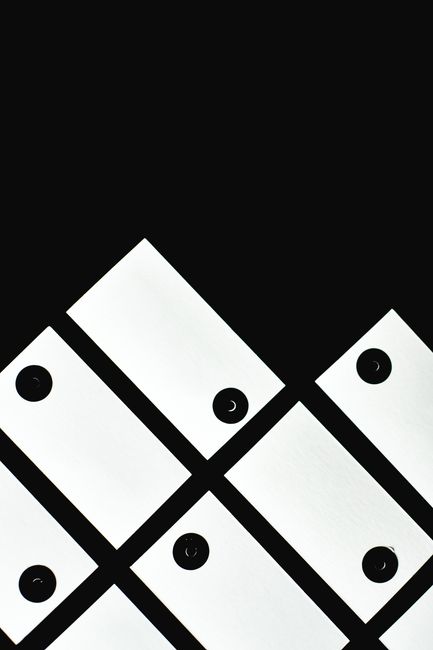
Negative Space Art: The Power of Absence in Visual Storytelling
Negative space art, a concept often misunderstood as simply "empty" or "background," is a sophisticated and powerful artistic technique where the absence of elements becomes as crucial as the presence of forms. It’s the intentional use of the area around and between the subject(s) of an image that defines and enhances their impact. Far from being mere filler, negative space is an active participant in the composition, guiding the viewer’s eye, creating balance, evoking emotion, and communicating meaning. Understanding and employing negative space art is fundamental for any artist seeking to create compelling, memorable, and impactful visual narratives, whether in graphic design, illustration, photography, or fine art. The strategic deployment of white space, or any intentionally unadorned area, can transform a cluttered, confusing image into one of clarity, elegance, and profound resonance. This article will delve into the multifaceted nature of negative space art, exploring its principles, its applications across various disciplines, its psychological impact, and the key considerations for its effective utilization in SEO-optimized content.
The core principle of negative space art lies in the deliberate manipulation of the relationship between positive and negative forms. Positive space refers to the primary subjects or elements within an artwork – the objects, figures, or characters that occupy the viewer’s immediate attention. Negative space, conversely, is the area that surrounds and defines these positive elements. It is the background, the gaps between objects, the breathing room that allows the positive forms to be perceived and appreciated. The skillful integration of both is what elevates an artwork from a simple depiction to a carefully crafted visual experience. In graphic design, for instance, the judicious use of whitespace on a webpage or advertisement can significantly improve readability and comprehension. Too much information crammed into a small space overwhelms the viewer, hindering their ability to process the message. Negative space, however, provides visual respite, allowing the eye to rest and focus on the essential content. Similarly, in photography, framing a subject with ample negative space can isolate it, emphasizing its importance and creating a sense of scale or isolation. The viewer’s gaze is naturally drawn to the positive form, but it is the surrounding negative space that dictates how that form is perceived and understood within the context of the image.
The historical roots of negative space art can be traced back to ancient cultures, most notably to East Asian art traditions, particularly Chinese and Japanese ink wash painting (sumi-e). These traditions, deeply influenced by Taoist philosophy, embraced the concept of wu wei (non-action) and the appreciation of emptiness as a source of potential and meaning. The empty spaces in these paintings were not seen as voids but as vital components that suggested form, atmosphere, and the ephemeral nature of existence. The viewer’s imagination was invited to fill these spaces, creating a dynamic and interactive artistic experience. This philosophy of the profound significance of emptiness also permeated their calligraphy and garden design, where the deliberate placement of rocks and water features created evocative landscapes defined as much by what was not there as by what was. In Western art, while perhaps less explicitly articulated as a philosophical concept until modern times, the principles of balance and composition inherent in negative space have been employed by artists for centuries. Renaissance painters, for example, meticulously considered the background elements to enhance the focal point of their compositions, and Impressionists often used broad, unblended brushstrokes in their backgrounds to emphasize the vibrancy and immediacy of their subjects. The advent of minimalist art in the 20th century further brought the concept of negative space to the forefront, with artists deliberately reducing forms and emphasizing the surrounding void.
The psychological impact of negative space art is profound and multifaceted. Our brains are wired to seek patterns and meaning. When presented with an image, we naturally try to interpret the forms and their relationships. Strategic use of negative space can influence this interpretation in several ways. Firstly, it can create a sense of calm and order. An uncluttered composition with ample negative space is less demanding on the viewer’s cognitive processing, leading to a feeling of relaxation and clarity. This is why minimalist designs are often perceived as sophisticated and elegant. Secondly, negative space can enhance the perceived quality and importance of the positive elements. By isolating a subject, it becomes more prominent and commands greater attention. This is a common technique in advertising and branding, where a product is often presented against a clean, uncluttered background to highlight its features and appeal. Thirdly, negative space can evoke specific emotions and moods. Vast, empty expanses can convey feelings of loneliness, introspection, or awe, while tighter, more contained negative spaces might suggest intimacy or tension. The ambiguity inherent in some negative space art can also be a powerful tool, prompting the viewer to engage more actively with the artwork, filling in the gaps with their own interpretations and experiences. This active participation fosters a deeper connection with the piece.
The practical applications of negative space art are ubiquitous across diverse creative fields. In graphic design and branding, it’s essential for creating visually appealing and effective layouts. Logos, advertisements, and websites that utilize negative space well are more memorable, easier to navigate, and convey a sense of professionalism. Consider the iconic Apple logo; its simplicity, with ample surrounding white space, makes it instantly recognizable and associated with elegance and innovation. Illustration and editorial design benefit immensely from negative space to guide the reader’s eye through complex information or to create impactful imagery that complements text. A well-placed illustration with strategic negative space can break up blocks of text, add visual interest, and reinforce the narrative. In photography, negative space is a fundamental compositional tool. Photographers use it to isolate their subjects, create a sense of depth, or convey a specific mood. A portrait with soft, blurry bokeh in the background (a form of negative space) draws all attention to the subject’s face, while a landscape photographer might use a vast sky or an empty beach to emphasize the grandeur of nature or the isolation of a solitary figure. Typography itself is a masterclass in negative space. The space between letters (kerning), between words (tracking), and between lines of text (leading) are all forms of negative space that dictate readability and aesthetic appeal. Well-chosen typography with ample negative space can make even dense prose feel accessible and inviting.
In fine art, artists have long explored the expressive potential of negative space. From the abstract compositions of artists like Mark Rothko, where vast fields of color are juxtaposed with deliberate voids, to the figurative works that use the surrounding atmosphere to define the form, negative space plays a crucial role in conveying emotion and meaning. Sculptors, too, utilize negative space by considering the voids within and around their forms, creating dynamic interplay between mass and emptiness. The negative space in a sculpture can define its silhouette, its internal structure, and its relationship to the surrounding environment, contributing to its overall impact and perception.
For SEO optimization, understanding and leveraging negative space art is an indirect but powerful strategy. While you can’t directly "tag" negative space in the traditional sense, you can create content that demonstrates and explains the principles of negative space art, thereby attracting organic traffic from users searching for related terms. Keywords such as "negative space art," "whitespace in design," "composition principles," "visual hierarchy," "minimalist design," "graphic design layout," "photography composition," and "balance in art" are all directly relevant. When creating content, focus on:
- Visual examples: Showcase high-quality images and illustrations that effectively utilize negative space. Use alt text for these images that accurately describes the content and includes relevant keywords (e.g., "Minimalist logo design demonstrating effective use of negative space").
- Detailed explanations: Elaborate on the principles and techniques of negative space art in your written content. Break down complex concepts into easily digestible sections.
- Case studies and analyses: Analyze how successful brands, artworks, or photographs employ negative space. This demonstrates practical application and provides valuable insights for readers.
- Tutorials and how-tos: Offer guidance on how designers, photographers, or artists can incorporate negative space into their own work.
- Internal linking: Link to other relevant articles on your website that discuss related design principles, artistic movements, or software techniques.
- External linking: Cite reputable sources and examples that reinforce your points.
The search engines aim to provide users with the most relevant and comprehensive information. By creating detailed, well-researched content about negative space art, replete with excellent examples and clear explanations, you position your website as an authority on the topic. Users searching for "how to improve my logo design" or "understanding visual balance" will find your content valuable, leading to increased organic traffic, longer dwell times, and a higher likelihood of conversions, whether that’s a lead, a sale, or a subscription. The quality of your content, including its visual presentation and structural clarity – both of which are enhanced by good use of negative space within the content itself – directly impacts its SEO performance.
Key considerations for effectively employing negative space art include balance and proportion. The amount of negative space relative to positive space is crucial. Too much negative space can make a composition feel empty and uninspired, while too little can result in a cluttered and overwhelming design. The goal is to achieve a harmonious relationship between the two. Hierarchy and focus are also paramount. Negative space can be used to direct the viewer’s eye to the most important elements of the composition. By strategically placing positive forms within areas of negative space, you can create a clear visual path for the viewer. Context and intent are equally important. The purpose of the artwork or design will dictate how negative space is best utilized. A minimalist website aiming for a clean, modern aesthetic will employ negative space differently than a vibrant, energetic illustration for a children’s book.
Furthermore, contrast plays a significant role. The contrast between positive and negative space, whether in terms of color, value, or texture, helps to define the forms and create visual interest. A stark contrast can make the positive elements pop, while a more subtle contrast can create a softer, more ethereal effect. Rhythm and movement can also be influenced by negative space. The deliberate placement of empty areas can create a sense of flow and guide the viewer’s eye through the artwork, mimicking a visual rhythm. Finally, simplicity and clarity are often the ultimate goals of employing negative space. By stripping away extraneous elements, artists can distill their message to its essence, creating a more powerful and direct impact on the viewer. The careful curation of what is not shown is as critical as the meticulous rendering of what is shown.
In conclusion, negative space art is not an absence of creativity but rather a profound testament to the power of thoughtful omission. It is an integral component of visual design and artistic expression, influencing perception, evoking emotion, and communicating meaning with unparalleled subtlety and strength. By mastering the principles of negative space, artists and designers can elevate their work from merely competent to truly exceptional. For SEO purposes, creating comprehensive, visually rich, and insightful content about negative space art will attract a dedicated audience and improve search engine rankings. The strategic use of whitespace within your own content, and the deep exploration of its artistic applications, are essential for both aesthetic success and online visibility.

