
Restarting Exercise After a Heart Attack: A Comprehensive Guide
A heart attack, medically known as myocardial infarction, is a critical cardiovascular event that necessitates significant lifestyle adjustments. Among the most crucial of these is the gradual and safe reintroduction of physical activity. Restarting exercise after a heart attack is not merely recommended; it is a cornerstone of cardiac rehabilitation, playing a vital role in recovery, reducing the risk of future events, and improving overall quality of life. This comprehensive guide will detail the essential steps, considerations, and benefits of resuming an exercise program post-heart attack, emphasizing an SEO-friendly approach to reach individuals seeking this critical information.
The cornerstone of safely restarting exercise after a heart attack is a thorough medical evaluation and clearance from your cardiologist or healthcare provider. This initial step is non-negotiable. Before even considering lacing up your running shoes or joining a yoga class, a physician must assess your current cardiac health, the extent of damage from the heart attack, and your overall fitness level. This assessment typically involves an exercise stress test, often referred to as a stress EKG or treadmill test. During this test, you will walk on a treadmill or cycle on a stationary bike while your heart’s electrical activity, blood pressure, and heart rate are monitored. The intensity of the exercise is gradually increased, allowing your doctor to determine how your heart responds to physical exertion and to identify any potential limitations or warning signs. Based on the results of this evaluation, your doctor will provide specific recommendations regarding the type, intensity, duration, and frequency of exercise that is appropriate for your individual recovery stage. They will also advise on any exercises to avoid and the warning signs that necessitate immediate cessation of activity and medical attention. This personalized medical guidance forms the bedrock upon which a safe and effective exercise program can be built, mitigating risks and maximizing benefits.
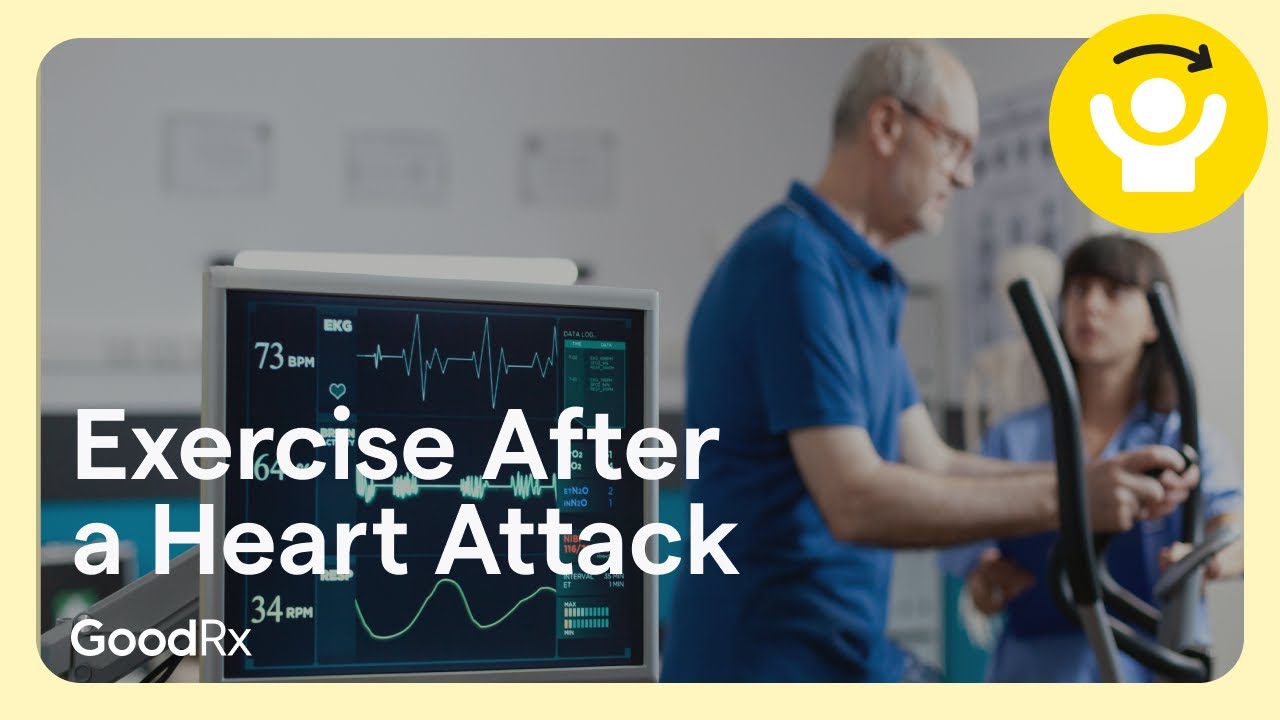
Cardiac rehabilitation programs are invaluable resources for individuals recovering from a heart attack. These supervised programs, typically conducted in a hospital or clinical setting, are specifically designed to help patients regain strength and confidence in their physical abilities. A multidisciplinary team, including cardiologists, nurses, exercise physiologists, dietitians, and therapists, collaborates to create a tailored exercise plan. Under their expert supervision, you will engage in monitored exercise sessions, allowing healthcare professionals to track your heart rate, blood pressure, and oxygen levels in real-time. This close observation is crucial for identifying any abnormal responses to exercise and for adjusting the program as needed. Beyond the physical benefits, cardiac rehab provides vital education on heart-healthy living, including nutrition, stress management, and medication adherence. Furthermore, these programs offer emotional support and a sense of community, connecting you with others who have experienced similar health challenges. The confidence gained in a supervised setting often empowers individuals to transition to independent exercise with a greater understanding of their capabilities and limitations.
When you begin exercising again, prioritizing low-impact activities is paramount. These exercises place minimal stress on the cardiovascular system and joints, making them ideal for the initial stages of recovery. Walking is often the first recommended form of exercise. It is accessible, requires no special equipment, and can be easily adjusted in intensity and duration. Start with short, leisurely walks, gradually increasing the distance and pace as your stamina improves. Stationary cycling is another excellent low-impact option. It provides a controlled environment for cardiovascular training, and the resistance can be adjusted to match your fitness level. Water aerobics or swimming can also be highly beneficial. The buoyancy of water reduces stress on joints, making it a comfortable and effective way to build cardiovascular fitness and strength. For individuals with access to them, elliptical trainers offer a smooth, low-impact cardiovascular workout that engages both the upper and lower body. The key is to choose activities that you enjoy, as this will increase adherence and make the process more sustainable.
Gradually increasing the intensity and duration of your workouts is a critical aspect of progression in your post-heart attack exercise journey. Pushing yourself too hard, too soon, can lead to adverse cardiac events. A common guideline for increasing intensity is the "talk test." During exercise, you should be able to hold a conversation without becoming breathless. If you are unable to speak more than a few words at a time, the intensity is likely too high. Alternatively, your doctor or cardiac rehab team may provide you with target heart rate zones based on your stress test results. It is essential to stay within these prescribed zones. Similarly, progression in duration should be slow and steady. Begin with short exercise sessions, perhaps 10-15 minutes, and gradually increase the time by 5-10 minutes each week or as tolerated. When increasing the duration, it is often advisable to maintain the current intensity. Overtraining can be detrimental, so listen to your body and avoid signs of fatigue or discomfort. Consistency is more important than intensity in the early stages. Aim for regular exercise sessions, even if they are shorter, rather than infrequent, overly strenuous workouts.
Incorporating strength training into your exercise routine is crucial for overall health and cardiovascular recovery, but it requires careful consideration after a heart attack. Initially, focus on exercises that use lighter weights or resistance bands and prioritize proper form over lifting heavy loads. Bodyweight exercises, such as modified push-ups (on knees), squats (with chair support), and lunges, can be effective starting points. Resistance bands offer a versatile and portable way to build strength, allowing for a wide range of motion and adjustable resistance. When using weights, start with very light dumbbells or even just your own body weight for movements like bicep curls, triceps extensions, and shoulder presses. It is vital to avoid holding your breath during strength training exercises, as this can significantly increase blood pressure. This practice is known as the Valsalva maneuver, and it can put undue strain on your heart. Exhale during the exertion phase of the movement (e.g., when lifting the weight) and inhale during the relaxation phase (e.g., when lowering the weight). It is also essential to avoid exercises that involve significant straining or isometric holds, particularly in the initial recovery phases. As your strength and cardiovascular fitness improve, and with continued medical clearance, you can gradually increase the weight or resistance and the number of repetitions.
Flexibility and balance exercises are integral components of a holistic exercise program for individuals recovering from a heart attack. Improved flexibility can enhance range of motion, reduce muscle stiffness, and contribute to overall comfort during physical activity. Gentle stretching exercises are highly recommended. Static stretches, where you hold a stretch for 20-30 seconds without bouncing, are a safe and effective way to improve flexibility. Focus on stretching major muscle groups, including the hamstrings, quadriceps, calves, chest, and shoulders. Avoid overstretching or pushing into pain. Dynamic stretching, which involves controlled, fluid movements, can be incorporated as you progress and with medical guidance, but static stretching is generally preferred in the initial stages. Balance exercises are also crucial for fall prevention, especially as you become more active. Simple exercises like standing on one foot (initially with support), heel-to-toe walking, and standing with your feet together can help improve your balance and proprioception (your body’s awareness of its position in space). Yoga and Tai Chi are excellent disciplines that combine flexibility, balance, and mindful movement, and can be highly beneficial, provided you choose classes appropriate for your fitness level and inform the instructor of your cardiac history.
Warm-up and cool-down periods are essential pre- and post-exercise routines that are particularly important for individuals recovering from a heart attack. A warm-up prepares your cardiovascular system for physical activity by gradually increasing your heart rate and blood flow to your muscles. This can involve 5-10 minutes of light aerobic activity, such as brisk walking or gentle cycling, followed by some dynamic stretches. A proper warm-up helps prevent muscle strains and reduces the risk of cardiac events by allowing your heart to adapt to the increasing demands of exercise. Similarly, a cool-down period is crucial for allowing your heart rate and blood pressure to gradually return to their resting levels. This typically involves 5-10 minutes of light aerobic activity, followed by static stretching. Abruptly stopping exercise can cause blood to pool in the extremities, leading to dizziness or lightheadedness. A gradual cool-down helps prevent these symptoms and promotes recovery. Never skip these vital components of your workout; they are as important as the main exercise itself in ensuring safety and maximizing benefits.
Listening to your body is perhaps the most critical aspect of restarting exercise after a heart attack. Your body will provide clear signals if you are pushing too hard or engaging in an activity that is not suitable for your current condition. It is imperative to be aware of and responsive to these signals. Warning signs that necessitate immediate cessation of exercise and medical consultation include chest pain or discomfort (angina), shortness of breath that is disproportionate to the level of exertion, dizziness or lightheadedness, palpitations or an irregular heartbeat, nausea, excessive fatigue, or pain in the jaw, neck, arms, or back that occurs during exercise. Do not try to "work through" these symptoms. They are your body’s way of telling you to stop. It is also important to recognize that recovery is not linear. There may be days when you feel stronger and more energetic, and other days when you feel more fatigued. Adjust your exercise intensity and duration accordingly. Avoid comparing your progress to others; focus on your own journey and celebrate small victories. Maintaining an exercise log can be helpful in tracking your progress and identifying any patterns or triggers for symptoms.
Hydration and proper nutrition are fundamental pillars supporting a healthy lifestyle and exercise recovery after a heart attack. Adequate water intake is essential for numerous bodily functions, including temperature regulation, nutrient transport, and joint lubrication. During exercise, your body loses fluids through sweat, so it is crucial to replenish these fluids before, during, and after your workouts. Carry a water bottle with you and sip regularly, especially during longer or more intense exercise sessions. Avoid sugary drinks and excessive caffeine, which can have adverse effects on heart health. Nutrition plays a direct role in providing the energy needed for exercise and supporting the body’s repair processes. A heart-healthy diet, typically rich in fruits, vegetables, whole grains, lean proteins, and healthy fats, provides the essential nutrients your body needs to recover and thrive. Consult with a registered dietitian or your cardiac rehabilitation team for personalized dietary recommendations. They can help you create a meal plan that supports your exercise goals and overall cardiovascular health. Proper fueling will enhance your performance, improve your recovery, and contribute to a stronger, healthier heart.
Stress management techniques are integral to a comprehensive recovery plan after a heart attack and can significantly impact your ability to exercise safely and effectively. Chronic stress can negatively affect cardiovascular health, increasing blood pressure and heart rate, and contributing to inflammation. Incorporating stress-reducing activities into your routine can complement your exercise program. Mindfulness meditation, deep breathing exercises, and progressive muscle relaxation are effective techniques for managing stress. Engaging in hobbies you enjoy, spending time in nature, and maintaining strong social connections also contribute to reduced stress levels. Furthermore, adequate sleep is paramount for physical and mental recovery. Aim for 7-9 hours of quality sleep per night. Poor sleep can impair cognitive function, reduce energy levels, and negatively impact your immune system, all of which can affect your motivation and ability to exercise. Prioritizing stress management and sufficient sleep will create a more conducive environment for successful and sustainable exercise after a heart attack, promoting both physical and emotional well-being.
Finally, maintaining consistent communication with your healthcare team is crucial throughout your exercise journey. Your cardiologist, primary care physician, and cardiac rehabilitation specialists are your partners in recovery. Do not hesitate to contact them with any questions or concerns, no matter how minor they may seem. They can provide ongoing guidance, adjust your exercise prescription as needed, and monitor your progress. Regular follow-up appointments are essential for assessing your cardiac health and ensuring that your exercise program remains safe and effective. Remember that restarting exercise after a heart attack is a marathon, not a sprint. It requires patience, perseverance, and a commitment to a heart-healthy lifestyle. By following these comprehensive guidelines, prioritizing safety, and staying in close contact with your medical team, you can successfully and confidently reintroduce physical activity into your life, significantly improving your long-term health and well-being. This proactive approach to cardiac recovery empowers individuals to regain control of their health and live a fuller, more active life.

