
Tag Data Loss Prevention: Safeguarding Your Digital Assets with Comprehensive Strategies
Tag data loss prevention (DLP) is a critical aspect of modern data security, focusing specifically on the metadata, labels, and classifications embedded within digital assets. Unlike traditional DLP solutions that primarily address content, tag DLP targets the information about the data, which can be equally sensitive and valuable. This includes sensitive classifications, compliance labels, access controls, ownership information, and usage rights. The loss or corruption of tag data can lead to significant security breaches, compliance violations, operational disruptions, and reputational damage. Understanding the nuances of tag data and implementing robust prevention strategies is no longer optional but a fundamental necessity for organizations of all sizes.
The inherent vulnerability of tag data stems from its distributed nature and its reliance on various systems and applications. Tags are often applied at the point of data creation, during processing workflows, and as data moves through an organization’s infrastructure. This lifecycle involves numerous touchpoints, each presenting a potential for error, misconfiguration, or malicious alteration. For instance, a misapplied compliance tag might inadvertently grant access to sensitive information to unauthorized personnel. Conversely, the accidental deletion of an ownership tag could obscure accountability and hinder data governance efforts. The complexity of modern IT environments, with their hybrid cloud deployments, diverse endpoints, and reliance on cloud-based collaboration tools, further amplifies these risks. Without a dedicated focus on tag DLP, organizations are leaving a critical vulnerability exposed.
The scope of tag data extends beyond simple labeling. It encompasses a broad spectrum of metadata crucial for data management and security. This includes:
- Sensitivity Classifications: Identifying data as Public, Internal, Confidential, Restricted, or Highly Restricted. This dictates handling procedures, access controls, and protection mechanisms.
- Compliance Labels: Indicating adherence to regulatory frameworks such as GDPR, HIPAA, CCPA, PCI DSS, or SOX. These labels trigger specific retention, privacy, and security policies.
- Ownership and Stewardship: Designating individuals or teams responsible for data creation, maintenance, and lifecycle management. This is vital for accountability and data governance.
- Access Control Information: Defining who can view, edit, or delete specific data sets. Inaccurate or missing access tags can lead to unauthorized access.
- Retention and Archival Policies: Specifying how long data should be kept and when it should be archived or purged, crucial for compliance and storage management.
- Data Provenance and Lineage: Tracking the origin and transformation of data, essential for auditing, troubleshooting, and building trust in data.
- Usage Rights and Licensing: For intellectual property and licensed content, tags define how the data can be used, shared, or distributed.
- Anonymization and Pseudonymization Status: Indicating whether personal data has undergone privacy-enhancing transformations, critical for privacy compliance.
- Geographic Location and Jurisdiction: Marking data based on its origin or the legal jurisdiction it falls under, impacting data sovereignty and compliance.
The potential consequences of tag data loss are multifaceted and severe. A primary concern is security breaches. If sensitive data is misclassified due to corrupted tags, it might not receive adequate protection, leading to unauthorized access, exfiltration, or leakage. For example, an "Internal Use Only" tag that is erroneously changed to "Public" can expose confidential company strategies or customer lists. Similarly, the loss of access control tags can effectively render data unprotected, allowing anyone with access to the underlying file system to view sensitive information.
Beyond direct security threats, compliance violations represent a significant risk. Many regulations mandate specific data handling practices based on classification and sensitivity. If these tags are lost or corrupted, organizations may fail to adhere to these mandates, resulting in hefty fines, legal repercussions, and reputational damage. For instance, a GDPR-tagged dataset that loses its PII (Personally Identifiable Information) classification might not be subjected to the required anonymization or deletion protocols, leading to a GDPR violation.
Operational disruptions are another direct consequence. Data governance frameworks rely heavily on accurate tagging for data discovery, classification, and management. When tags are lost, IT administrators and data stewards struggle to locate, manage, and secure data effectively. This can halt critical business processes, delay reporting, and impede data analytics initiatives. Imagine a scenario where an organization cannot locate its critical financial data because the relevant tags have been lost, preventing the timely generation of financial reports.
Reputational damage is an inevitable outcome of any significant data loss event, and tag data loss is no exception. News of data breaches, compliance failures, or operational disruptions spreads rapidly, eroding customer trust, damaging brand image, and potentially impacting market share. Rebuilding this trust can be a long and arduous process.
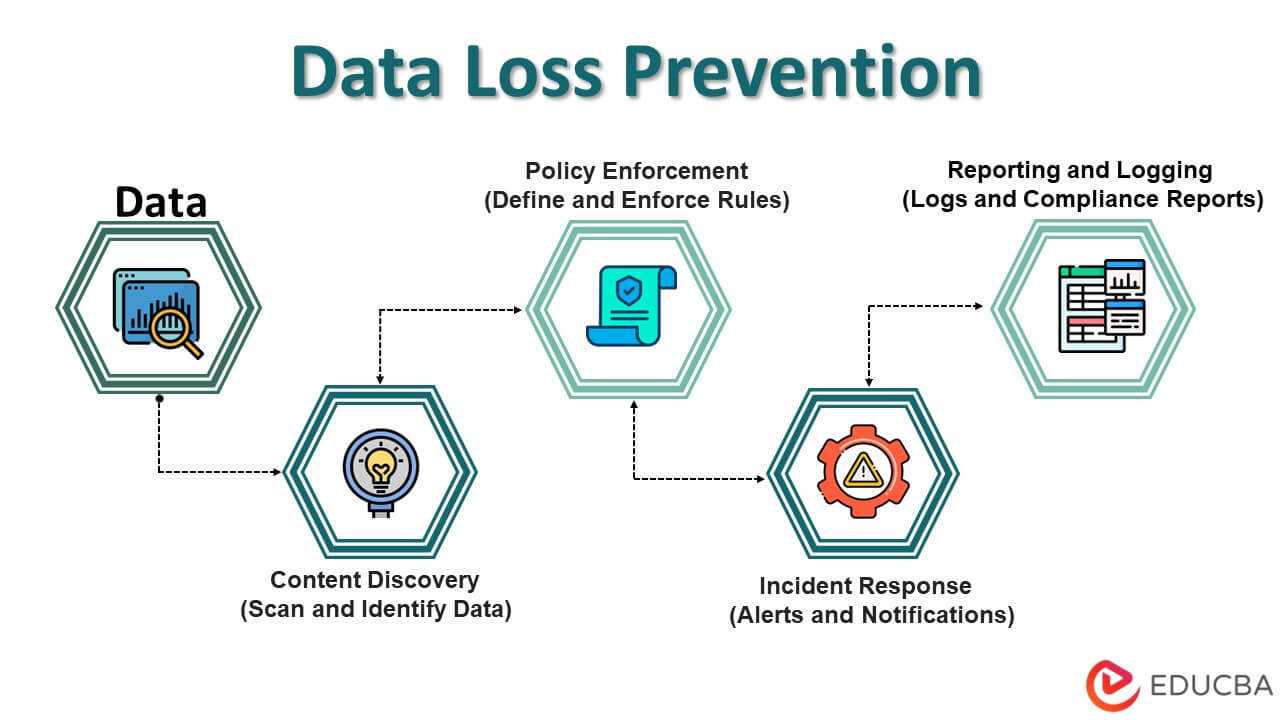
Preventing tag data loss requires a multi-layered and proactive approach, integrating technology, policy, and user education. The foundational element of any effective tag DLP strategy is comprehensive data discovery and classification. Before you can protect tag data, you must know what it is and where it resides. This involves deploying automated tools that can scan data repositories – including file servers, cloud storage, email systems, and collaboration platforms – to identify data assets and their associated tags. These tools should be capable of understanding various tagging schemas and identifying inconsistencies or missing tags. Regular, automated scans are essential to keep pace with the dynamic nature of data creation and modification.
Centralized tag management is another critical component. Instead of allowing tags to be applied and managed in disparate systems with varying standards, organizations should establish a centralized platform for tag creation, application, and governance. This ensures consistency in tagging conventions, reduces the likelihood of errors, and provides a single pane of glass for monitoring tag integrity. This platform should enforce predefined taxonomies and business rules for tag application.
Automated tag application and enforcement leverages technology to ensure that tags are applied consistently and correctly at the point of data creation or modification. This can be integrated into workflows, applications, and endpoint security solutions. For example, as a user attempts to save a document containing sensitive financial information, the system could automatically apply a "Confidential – Finance" tag. Similarly, policies can be set to prevent the deletion or modification of critical tags without proper authorization. This is where the integration of DLP technologies with data classification tools becomes paramount.
Data lineage and audit trails are crucial for monitoring tag integrity and investigating any instances of loss or corruption. A robust system should log every modification or deletion of a tag, including who made the change, when it occurred, and from which system. This provides invaluable forensic information and allows for the reconstruction of events if tag data is compromised. Tools that visualize data lineage can help understand how tags are applied and propagated across different data sets.
Access controls and permissions must be rigorously applied not only to the data itself but also to the tag management systems and metadata repositories. Only authorized personnel should have the ability to create, modify, or delete tags. This prevents accidental or malicious tampering with critical classification and sensitivity information. Implementing the principle of least privilege is essential here, ensuring users have only the access they need to perform their roles.
User education and awareness are often overlooked but are vital for a comprehensive DLP strategy. Employees are the first line of defense. They need to understand the importance of accurate tagging, the organization’s tagging policies, and the potential consequences of mismanaging tag data. Regular training sessions, clear guidelines, and awareness campaigns can significantly reduce human error. This education should cover what constitutes sensitive data, how to apply appropriate tags, and the risks associated with incorrect or missing tags.
Regular backups and disaster recovery plans are fundamental for any data protection strategy, and tag data is no exception. Ensuring that tag metadata is included in regular backups of critical systems and repositories allows for the restoration of tag data in the event of system failure, accidental deletion, or a cyberattack. The disaster recovery plan should specifically address the recovery of tag data and the restoration of data classification and governance integrity.
Integration with existing security infrastructure is key to a holistic approach. Tag DLP solutions should integrate seamlessly with other security tools, such as Data Loss Prevention (DLP) suites, Security Information and Event Management (SIEM) systems, and identity and access management (IAM) solutions. This allows for a unified view of security posture, correlated alerts, and automated response actions. For example, a detected tag modification could trigger an alert in the SIEM and initiate an automated lockdown of the affected data.
Monitoring and analytics are essential for continuous improvement and proactive threat detection. Organizations should continuously monitor tag usage, identify anomalies, and analyze trends. This can help identify potential policy violations, emerging risks, and areas where user training might be insufficient. Advanced analytics can even predict potential tag data loss scenarios based on observed patterns.
Policy enforcement and automated remediation take tag DLP from detection to action. When a policy violation is detected (e.g., a sensitive document being saved without a required tag), automated remediation actions can be triggered. This might include blocking the save operation, automatically applying the missing tag, quarantining the file, or alerting the data owner and security team. This automation reduces manual intervention and ensures immediate response to potential risks.
The implementation of tag DLP is an ongoing process, not a one-time project. As data landscapes evolve and new threats emerge, organizations must continuously review and adapt their tag DLP strategies. This includes staying abreast of emerging technologies, understanding evolving regulatory requirements, and conducting regular risk assessments. A commitment to continuous improvement ensures that tag data remains protected and that organizations can confidently manage their sensitive information in an increasingly complex digital world. The future of data security lies in its granular understanding and meticulous protection, and tag data loss prevention is at the forefront of this imperative.

