
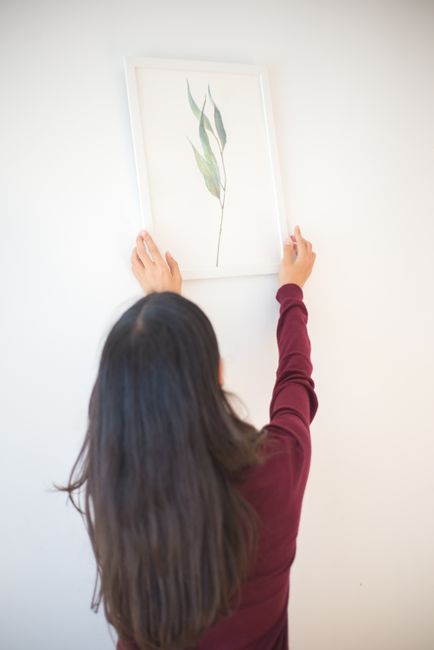
DIY Living Wall Art: Green Your Space Effortlessly
Transforming a blank wall into a vibrant, breathing masterpiece is more accessible than ever with DIY living wall art. This guide provides comprehensive, SEO-friendly instructions for creating stunning vertical gardens, focusing on ease of execution and readily available materials. We’ll explore various approaches, from simple framed moss art to more involved systems for live plants, ensuring you can bring the benefits of biophilia – the innate human tendency to connect with nature – into your home or office without requiring a green thumb or a massive budget. The allure of a living wall lies not only in its aesthetic appeal but also in its ability to purify air, improve acoustics, and create a calming ambiance. This article will empower you to design and build your own living artwork, offering tips on plant selection, structural integrity, watering techniques, and ongoing maintenance, all geared towards a successful and rewarding DIY experience.
The most straightforward entry point into DIY living wall art is preserved moss art. This method utilizes naturally dried and preserved moss, which retains its vibrant green color and soft texture without any need for watering, sunlight, or soil. The result is a maintenance-free piece of botanical art that brings a touch of nature indoors. To begin, gather your materials: a sturdy frame (an old picture frame or a custom-built wooden shadow box works perfectly), various types of preserved moss (reindeer moss, sheet moss, mood moss are popular choices), hot glue gun and glue sticks, a backing board (thin plywood or MDF), and optional decorative elements like driftwood, stones, or faux succulents.
Start by preparing your frame and backing board. If using an existing frame, remove the glass and backing. Measure and cut your backing board to fit snugly inside the frame. You can paint or stain the backing board a complementary color to enhance the moss’s natural tones. Next, begin arranging your moss. Lay out your chosen moss types on the backing board, experimenting with different textures and color variations to create visual interest. Consider creating distinct sections or a more organic, flowing design. Once you’re satisfied with your layout, carefully begin adhering the moss to the backing board using your hot glue gun. Apply small dots of hot glue to the underside of the moss and press it firmly into place. Work in sections, ensuring a secure bond. For larger pieces of moss, you might need to apply glue along the edges as well.
Don’t be afraid to layer different moss types for added depth and realism. Reindeer moss, with its porous texture, can be used to fill in gaps, while sheet moss offers a flatter, more uniform coverage. Mood moss, with its cushion-like appearance, can add a luxurious feel. Once the moss is securely glued, you can begin adding your decorative elements. Driftwood branches can create naturalistic focal points, while small stones or pebbles can add textural contrast. Faux succulents or air plants can also be incorporated for a touch of contrasting greenery. Ensure all elements are securely attached with hot glue. Finally, insert your finished backing board into the prepared frame. For added stability, you can secure the backing board to the frame with small screws or staples. The beauty of preserved moss art is its versatility; it can be hung on any wall, requires no special environmental conditions, and offers a sophisticated, natural aesthetic. This method is ideal for beginners and those seeking a low-maintenance yet impactful decorative piece.
For a slightly more involved but still beginner-friendly approach, consider air plant living walls. Air plants (Tillandsia) are epiphytic plants, meaning they grow without soil, absorbing moisture and nutrients from the air. This makes them ideal candidates for vertical gardens as they eliminate the need for messy soil and complex watering systems. You’ll need a sturdy backing material like a piece of reclaimed wood, a metal grate, or even a large ceramic tile. You’ll also need air plants of varying sizes and shapes, fishing line or fine wire, and optionally, small decorative elements like pebbles or shells.
To construct an air plant living wall, begin by preparing your backing. If using wood, you might want to seal it with a water-resistant finish to protect it from moisture. If using a metal grate, ensure it’s rust-resistant. Plan your arrangement of air plants on the backing material. Consider how they will complement each other in terms of size, color, and texture. You can attach the air plants using fishing line or fine wire, creating a secure cradle that supports the plant without damaging its base. Loop the line around the base of the plant and then attach it to the backing material. For a more permanent fixture, you can also use a strong, water-resistant adhesive like E6000.
The key to air plant living walls is proper care. While they don’t need soil, they do require regular misting or soaking. Depending on your climate, mist your air plants every few days, ensuring they dry out completely between waterings to prevent rot. Alternatively, you can remove them from the wall for a weekly soak in room-temperature water for 20-30 minutes, followed by thorough drying before returning them to their place. Good air circulation is crucial for air plants, so ensure your living wall is not in a stagnant area. This DIY project offers a dynamic and evolving art piece, as air plants can bloom and grow, adding an element of natural change to your decor.
Moving towards more substantial living walls that incorporate actual plants with soil, small-scale framed living walls offer a beautiful and manageable introduction. These can be constructed using shallow wooden frames with mesh or fabric backing, designed to hold a small amount of potting mix and plants. Materials include a deep picture frame or shadow box, wire mesh (chicken wire or hardware cloth), landscape fabric or burlap, potting soil suitable for your chosen plants, and a selection of small, slow-growing plants. Succulents, ferns, and small foliage plants are excellent choices.
Begin by preparing your frame. Remove the glass and any existing backing. Cut a piece of wire mesh to fit the inside of the frame, securing it firmly with staples or small nails. This mesh will act as a support structure for the soil and plants. Next, line the inside of the frame with landscape fabric or burlap, ensuring it covers the mesh and extends slightly up the sides of the frame. This fabric will prevent soil from falling out while allowing for drainage. Before adding soil, consider how you want to arrange your plants. Lay them out on a flat surface to visualize your design.
Now, carefully fill the frame with potting soil, pressing it gently around the roots of your plants. You can use a trowel or your hands to get the soil into all the nooks and crannies. Once the soil is in place and the plants are arranged to your liking, gently pat the soil down to secure them. You may need to add a bit more soil to fill any gaps. After planting, water your living wall gently. For the first few weeks, it’s advisable to keep your living wall horizontal to allow the soil and roots to establish themselves. Once the plants have taken root, you can carefully tilt and eventually hang your living wall. Watering will require a gentle spray or a watering can with a fine spout, aiming the water directly at the soil. Overwatering is a common pitfall, so always check the soil moisture before watering. This type of living wall requires more attention than preserved moss or air plants but offers the profound satisfaction of nurturing living greenery.
For those seeking a more ambitious and permanent living wall, modular living wall systems offer a professional and scalable solution that can still be tackled as a DIY project with careful planning. These systems typically involve pre-made panels or modules that interlock and are designed for vertical planting. They often come with integrated irrigation and drainage, simplifying maintenance significantly. While the initial investment might be higher, the ease of installation and long-term benefits are considerable. Materials include your chosen modular living wall system (available from specialized suppliers), appropriate fasteners for your wall type, a water source and pump if an integrated irrigation system is not included, and a selection of plants suitable for vertical growing.
The process begins with selecting the right system for your needs and wall. Consider the weight of the system when filled with soil and plants, the available space, and your budget. Most modular systems come with detailed installation instructions. Generally, you will mount a support structure to your wall, such as a series of brackets or a framework. The modular panels or pockets are then attached to this structure. Once the framework is in place, you can begin filling the pockets with a lightweight, well-draining potting mix.
Plant selection is critical for modular living walls. Opt for plants that are well-suited to vertical growth, have relatively shallow root systems, and can tolerate consistent moisture. Many suppliers of living wall systems offer recommendations for suitable plant species. Consider a mix of foliage plants for year-round interest and flowering plants for seasonal color. If your system doesn’t include integrated irrigation, you’ll need to set up a drip irrigation system or commit to regular manual watering. Ensure proper drainage is in place to prevent waterlogging. The ongoing maintenance for a well-designed modular living wall involves periodic plant care, such as pruning and fertilizing, and checking the irrigation system. This approach transforms a large wall into a verdant tapestry, significantly improving air quality and aesthetics.
Regardless of the DIY method chosen, successful plant selection and ongoing maintenance are paramount to the longevity and beauty of your living wall art. For any living wall involving plants, consider the light conditions of your space. Low-light tolerant plants like snake plants, ZZ plants, and pothos are suitable for shadier areas, while succulents and flowering plants will thrive in brighter locations. Drought-tolerant plants are generally easier to maintain, especially for beginners. Research the specific needs of each plant in terms of watering, light, and humidity.
Regular maintenance is key. For living walls with soil, monitor soil moisture diligently. Overwatering is a leading cause of plant death in vertical gardens. Feel the soil; if it’s dry to the touch an inch or two down, it’s time to water. Underwatering can also be detrimental, leading to wilting and leaf drop. Pruning is essential to maintain the shape and size of your living wall, preventing plants from becoming overgrown and shading out others. Fertilizing, typically done during the growing season, provides essential nutrients for healthy plant growth. Use a diluted liquid fertilizer to avoid overwhelming the plants.
Pest and disease control are also important considerations. Regularly inspect your plants for any signs of infestation or disease. Early detection and intervention are crucial. For minor pest issues, a simple solution of soapy water can often be effective. For more persistent problems, consider organic pest control methods. Ensure good air circulation around your living wall, as stagnant air can promote fungal growth and attract pests. Finally, be patient. Living walls evolve and change over time. Embrace the natural growth and development of your plants, and enjoy the ongoing transformation of your space into a living work of art. The inherent beauty of a DIY living wall lies in its organic nature and the continuous process of growth and renewal it offers.

