
Transform Your Space: A Comprehensive Guide to Painting a Wall with Whiteboard Paint
Painting a wall with whiteboard paint offers a dynamic and interactive surface ideal for brainstorming, planning, teaching, or simply creative expression. This transformation can revitalize a home office, a child’s playroom, a classroom, or even a conference room. The process, while requiring careful preparation and execution, is accessible to most DIY enthusiasts. Understanding the properties of whiteboard paint and following a structured approach will ensure a smooth application and a durable, functional finish. The key to success lies in surface preparation, primer application, the correct technique for applying the whiteboard paint itself, and finally, proper curing and maintenance. This article will guide you through each step, providing essential tips and considerations for achieving a professional-looking whiteboard wall.
The first critical step in painting a wall with whiteboard paint is meticulous surface preparation. This is arguably the most important stage, as it directly impacts the adhesion, smoothness, and overall functionality of your new whiteboard surface. Begin by thoroughly cleaning the existing wall. Remove any dust, dirt, cobwebs, or grease. A mild detergent solution and a damp cloth are usually sufficient. For stubborn marks or greasy residues, a degreaser might be necessary. Ensure the wall is completely dry before proceeding. Next, inspect the wall for any imperfections such as holes, cracks, or uneven patches. Fill any holes or cracks with a suitable spackling compound, following the manufacturer’s instructions for application and drying time. Once the filler is dry, sand it smooth using fine-grit sandpaper (around 120-150 grit). The goal is to create a seamless surface. After sanding, wipe down the wall again with a clean, dry cloth to remove any sanding dust. If your existing wall has a glossy or semi-gloss finish, it’s advisable to lightly scuff sand the entire surface. This "de-glossing" creates a better mechanical bond for the primer and subsequent paint layers. Use a fine-grit sandpaper (220 grit or higher) for this purpose. Again, thoroughly clean the wall to remove all dust. Consider the existing color of the wall. While many whiteboard paints can be applied over darker colors, some manufacturers recommend or require a specific primer. White or light-colored primers are generally best for maximizing the reflectivity and brilliance of the whiteboard surface, especially if you’re using a standard white whiteboard paint.
Following surface preparation, the application of a primer is essential. Not all primers are created equal, and choosing the right one is crucial for whiteboard paint adhesion and longevity. Many whiteboard paint manufacturers recommend or even mandate the use of their specific primer. This is often because their primers are formulated to create an ideal surface for their whiteboard paint to bond to, preventing issues like peeling or delamination. If a specific primer is recommended, it is highly advisable to use it. If not, opt for a high-quality, water-based, stain-blocking primer. A white primer is generally preferred, as it will enhance the brightness and clarity of the whiteboard. Avoid oil-based primers unless specifically instructed by the paint manufacturer, as they can sometimes interact negatively with certain whiteboard paint formulations. Apply the primer evenly using a roller or a brush, depending on the size and complexity of the area. For large, flat walls, a roller with a medium nap (3/8 inch to 1/2 inch) is ideal for consistent coverage. Pay attention to edges and corners, using a brush for precision. Allow the primer to dry completely according to the manufacturer’s instructions. This typically ranges from 2 to 4 hours, but it’s best to err on the side of caution and allow for adequate drying time. Some manufacturers may recommend a second coat of primer for optimal results, especially if the existing wall color is very dark or uneven. Again, ensure each coat is fully dry before proceeding. The primer acts as a unifying layer, ensuring that the whiteboard paint adheres uniformly and that any underlying colors or stains don’t bleed through.
The application of the whiteboard paint itself requires a methodical approach to achieve a smooth, streak-free, and highly functional surface. Whiteboard paints are typically a two-part system, involving a base coat and a clear topcoat or activator. It is critical to read and strictly follow the manufacturer’s instructions, as mixing ratios, application techniques, and drying times can vary significantly between brands. Before you begin, ensure the room is well-ventilated. Open windows and doors, and consider using a fan to circulate air. Gather your tools: high-quality rollers (usually foam or a short-nap synthetic roller specifically designed for smooth finishes), paint trays, painter’s tape, and potentially a stir stick. Mix the paint components thoroughly as per the manufacturer’s directions. For two-part systems, this often involves carefully measuring and combining resin and hardener. Once mixed, there is usually a pot life – a limited time during which the paint remains usable. Work efficiently within this timeframe.
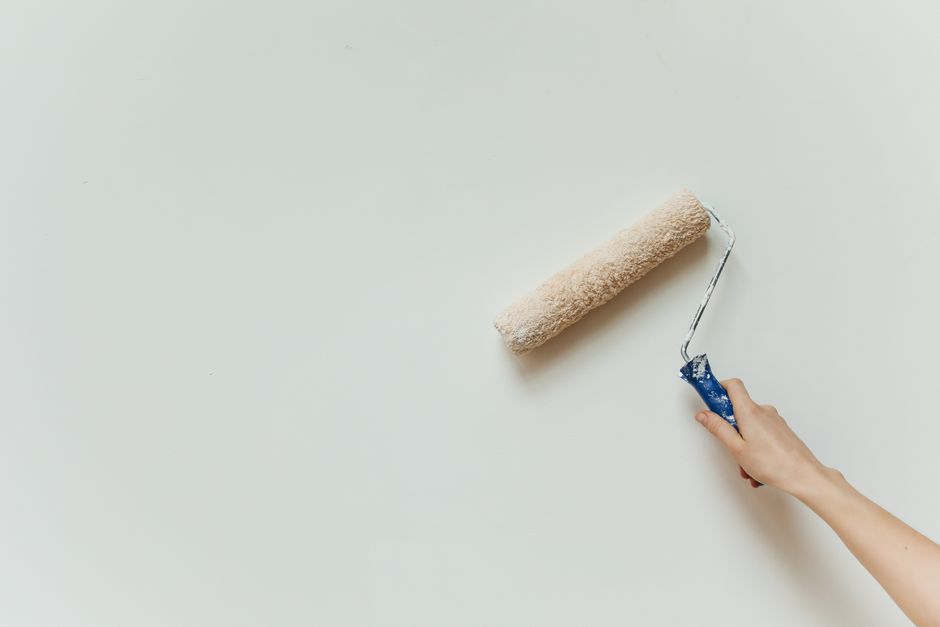
Begin by taping off all edges of the area you intend to paint. Use high-quality painter’s tape to protect adjacent walls, trim, ceilings, and floors. Press the tape down firmly to create a clean seal and prevent paint bleed. Start by cutting in the edges and corners with a paintbrush. Apply a thin, even coat of whiteboard paint using your roller. Avoid applying the paint too thickly, as this can lead to drips, runs, and an uneven surface. Work in manageable sections, maintaining a wet edge to avoid lap marks. Apply the paint in consistent, overlapping strokes. For best results, use a consistent rolling technique. If you’re using a two-part system, you might be applying the base coat first, followed by the clear topcoat after a specific drying period. Again, adhere strictly to the manufacturer’s instructions regarding recoat times. The goal is to build up a smooth, durable film. If you notice any imperfections, such as drips or uneven coverage, address them immediately while the paint is still wet, if possible. Small imperfections can be carefully smoothed out with a clean roller or brush. However, it’s generally better to aim for a clean, even application from the start.
The curing process for whiteboard paint is as critical as its application. Whiteboard paint requires a significant curing period before it can be used effectively as a writing surface. This curing time allows the paint to fully harden and develop its characteristic dry-erase properties. Do not rush this process; impatience can significantly impair the performance and durability of your whiteboard wall. The manufacturer’s instructions will specify the recommended curing time, which can range from 3 to 7 days, and sometimes even longer. During the curing period, avoid touching or marking the surface. Keep the area clean and free from dust or debris. Ensure adequate ventilation throughout the curing process. Even after the initial curing period, it’s a good idea to continue to treat the surface gently for the first few weeks. Avoid using permanent markers or abrasive cleaning tools during this extended period.
Once the paint has fully cured, you can begin using your new whiteboard wall. For the best writing experience and to maintain the surface’s integrity, use high-quality dry-erase markers. Avoid using markers that are known to be difficult to erase or that have aggressive pigments. Immediately after use, wipe the whiteboard clean with a dry microfiber cloth or a dedicated whiteboard eraser. For more stubborn marks or ghosting (faint traces left behind from previous writing), use a whiteboard cleaner solution. Apply the cleaner to a soft cloth and wipe the surface gently. Avoid abrasive cleaners or solvents, as these can damage the paint’s finish and reduce its dry-erase capabilities. Regular cleaning is key to keeping your whiteboard wall in optimal condition. Schedule regular cleaning sessions to prevent ink from setting into the surface. A weekly clean with a whiteboard cleaner is generally recommended. Store your dry-erase markers with the cap on securely to prevent them from drying out, and consider using a designated tray or holder on or near your whiteboard.
The durability and longevity of your whiteboard wall are directly related to the quality of the materials used and the care taken during application and maintenance. Investing in a reputable brand of whiteboard paint is crucial. While some budget options exist, they may not offer the same level of performance or longevity. The thicker, more robust formulations often found in higher-end products tend to be more durable and easier to erase from. Similarly, using high-quality rollers and brushes designed for smooth finishes will contribute to a superior outcome. The proper application technique, particularly avoiding thick coats and ensuring even coverage, is paramount. Over-application can lead to a sticky or tacky surface, making it difficult to erase. Under-application can result in a porous surface that absorbs ink. Maintaining a consistent painting rhythm and working efficiently within the paint’s pot life are vital.
Consider the type of whiteboard paint you choose. There are clear whiteboard paints that can be applied over any color, allowing for a more integrated aesthetic. These are ideal for situations where you want the whiteboard functionality without a stark white surface. There are also colored whiteboard paints, offering additional customization options. However, it’s important to note that darker colored whiteboard paints may be more prone to ghosting or require more diligent cleaning. The ambient temperature and humidity of the room during painting and curing can also play a role. Avoid painting in extremely hot or humid conditions, as this can affect drying times and the overall finish. Conversely, very cold conditions can also impede proper curing. Ensure the room is within the manufacturer’s recommended temperature range for application and curing.
When planning your whiteboard wall project, consider the intended use. For a heavily used brainstorming area in an office, a highly durable, commercial-grade whiteboard paint might be the best investment. For a child’s playroom, a more budget-friendly option might suffice, but still prioritize ease of cleaning. For educational settings, clarity and erasability are paramount. Think about the size of the whiteboard. A small section of a wall can be transformed, or you can cover an entire wall for maximum creative space. Ensure you have enough paint for your intended area, accounting for two coats if recommended by the manufacturer. Always purchase slightly more paint than you think you’ll need to avoid running out mid-project. The preparation of the surface cannot be overemphasized. A perfectly prepared surface ensures that the paint adheres well and that the final whiteboard surface is smooth and uniform. Any bumps or imperfections will be amplified once the paint is applied, and can hinder the smooth gliding of a marker.
Finally, consider the removal process if needed. While durable, whiteboard paint is still paint. Removal typically involves standard paint stripper or sanding, similar to removing regular paint. However, the multi-layer nature of some whiteboard paints might make this a more involved process. Plan your project with the long-term in mind, and choose a location where the whiteboard functionality will be beneficial for an extended period. The investment in time and materials will pay dividends in terms of a versatile and engaging surface that encourages creativity and productivity. The ability to write, draw, and erase on demand offers a unique advantage in various settings, making this DIY project a worthwhile endeavor for anyone looking to enhance their living or working environment. Remember, patience and attention to detail are your greatest allies throughout this transformative process.

