
Old Master Drawings: A Timeless Dialogue with Modern and Contemporary Art 2
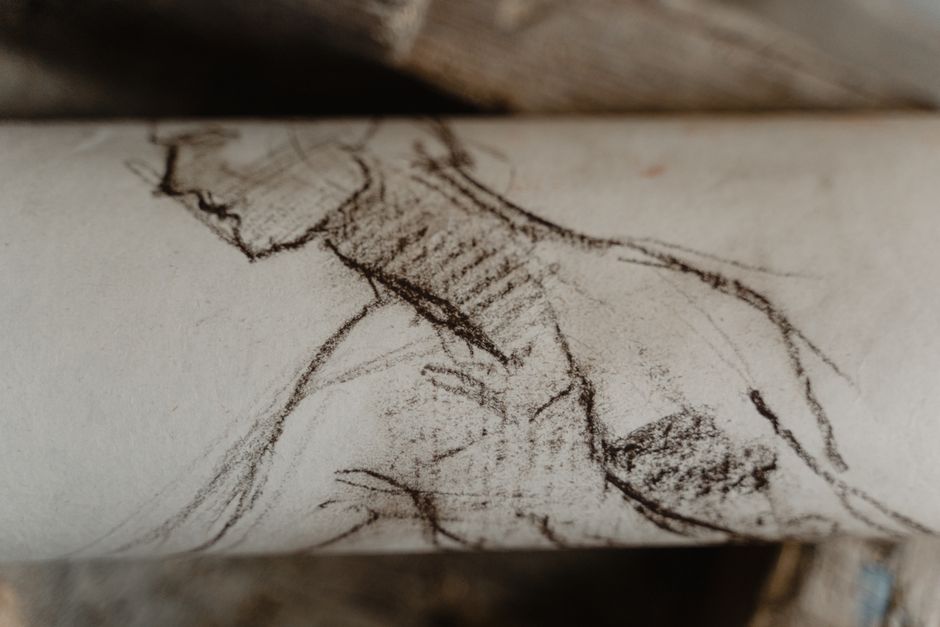
The enduring legacy of Old Master drawings, a rich tapestry woven by the hands of artists from roughly the Renaissance to the late 18th century, continues to resonate profoundly within the landscape of modern and contemporary art. This is not a mere historical footnote but an active, dynamic dialogue, where the foundational principles of drawing – its immediacy, its exploration of form and line, its capacity for raw emotion and intellectual rigor – are continuously reinterpreted and revitalized. The term "Old Master drawings" encompasses a vast spectrum of artistic production, from the meticulously detailed anatomical studies of Leonardo da Vinci and Michelangelo to the expressive figure sketches of Rembrandt and Rubens, the serene landscapes of Claude Lorrain, and the intricate compositions of Piranesi. These works, often created as preparatory studies, exercises in artistic training, or as standalone artworks, possess an intrinsic value that transcends their initial purpose. Their inherent qualities – the spontaneity of a chalk stroke, the deliberate hatching of a pen, the subtle tonal variations achieved with wash – offer a direct conduit to the artist’s thought process, their hand, and their intention. This directness, this unvarnished glimpse into creation, is a potent force that continues to captivate and inspire artists working centuries later.
The influence of Old Master drawings on modern art is multifaceted, manifesting in various artistic movements and individual practices. The Impressionists, for instance, while lauded for their revolutionary approach to color and light, were also deeply engaged with the fundamentals of drawing. Artists like Edgar Degas, renowned for his ballet dancers and racehorses, meticulously studied the human form and movement, often through preparatory drawings that echoed the dynamism and anatomical understanding of their Old Master predecessors. His emphasis on capturing fleeting moments and the psychological nuances of his subjects finds a parallel in the expressive figure studies of artists like Gian Lorenzo Bernini or Annibale Carracci. Similarly, the Post-Impressionists, in their pursuit of greater emotional expression and structural solidity, turned to the linear qualities and compositional arrangements found in Old Master drawings. Paul Cézanne’s persistent exploration of geometric forms and his rigorous analytical approach to depicting still lifes and landscapes owe a debt to the structural underpinnings evident in drawings by artists like Raphael, whose masterful compositions and understanding of perspective were fundamental to the High Renaissance. The Symbolists, in their quest for inner worlds and subjective experience, found inspiration in the evocative power of line and the suggestive nature of unfinished sketches, resonating with the atmospheric and emotionally charged works of artists like Parmigianino or Guercino.
Furthermore, the modernist fascination with abstraction can be seen as an extension and radicalization of certain aspects inherent in Old Master drawings. The reduction of forms to their essential lines, the exploration of pure gesture, and the emphasis on the materiality of the drawing medium itself – ink, charcoal, chalk – all find precedents in the more experimental or freely executed drawings of the Old Masters. The Cubists, with their deconstruction of form and simultaneous representation of multiple viewpoints, engaged with the underlying structural principles of drawing in a revolutionary way, but their exploration of line and plane can be traced back to the foundational studies of perspective and volume mastered by Renaissance artists. The Abstract Expressionists, particularly those who embraced gestural abstraction like Jackson Pollock or Willem de Kooning, directly channeled the raw energy and immediacy of the artist’s mark-making. Pollock’s drip paintings, though vastly different in execution, can be viewed as an extreme manifestation of the direct imprint of the artist’s body and intention, a concept deeply embedded in the very act of drawing. The psychological intensity and emotional outpouring present in many abstract expressionist works also echo the powerful emotional resonance found in the more dramatic and expressive drawings of the Baroque period.
The dialogue extends powerfully into the realm of contemporary art. Contemporary artists, in an era characterized by diverse media, interdisciplinary practices, and a constant interrogation of artistic traditions, often find in Old Master drawings a source of inspiration for their conceptual frameworks, their technical approaches, and their thematic concerns. The resurgence of drawing as a significant medium in contemporary art is, in itself, a testament to the enduring appeal of Old Master traditions. Many contemporary artists are not simply referencing historical styles but are actively engaging with the core tenets of drawing as a medium for exploration, contemplation, and critical commentary. For instance, artists exploring themes of identity, memory, and the human condition often find the directness and intimacy of drawing particularly potent. A charcoal portrait by a contemporary artist that delves into the psychological complexities of its subject can draw upon the legacy of Rembrandt’s deeply humanistic portraits, where the subtle shading and expressive lines convey a profound sense of inner life.
The conceptual underpinnings of Old Master drawings also provide fertile ground for contemporary artistic investigation. The process of sketching, the exploration of ideas in nascent form, and the inherent vulnerability of an unfinished work are all concepts that contemporary artists are actively exploring. Artists who use appropriation or recontextualization often engage with the historical weight and cultural significance of Old Master works, including their drawings. This can take the form of direct engagement with historical imagery, but it can also involve a more abstract engagement with the underlying structures, compositional strategies, or thematic preoccupations. For example, an artist creating intricate line drawings that comment on the anxieties of the digital age might be engaging with the precision and systematic approach found in scientific or architectural drawings of the Old Master period, reinterpreting them within a new cultural context.
The materiality of Old Master drawings is another key area of influence. The specific qualities of chalk, ink, and paper, and the way these materials interact with the artist’s hand, continue to inspire contemporary artists who are rediscovering and innovating with traditional drawing techniques. Contemporary artists might experiment with different types of paper, explore the tonal possibilities of various charcoals, or meticulously replicate the hatching and cross-hatching techniques employed by Renaissance masters to achieve specific effects. This engagement with materiality is not simply about historical mimicry; it is about understanding how the physical properties of the drawing medium can contribute to the overall meaning and impact of the artwork. The raw, unmediated nature of a graphite line on paper, for example, can convey a sense of urgency or immediacy that is difficult to replicate with other media.
Moreover, the narrative potential inherent in Old Master drawings, whether explicit or implied, continues to be explored. Many Old Master drawings are preparatory studies for larger works, offering glimpses into the artist’s creative journey and the development of their ideas. Contemporary artists who explore storytelling, historical events, or personal narratives can find inspiration in this aspect of Old Master practice. The fragmented narratives, the suggestive gestures, and the psychological tension present in many historical drawings can serve as a model for contemporary artists seeking to convey complex ideas and emotions through the medium of drawing. The exploration of the "unfinished" in art, a concept often associated with sketches and studies, is also a significant theme in contemporary drawing, reflecting an interest in process, impermanence, and the open-ended nature of artistic creation.
The economic and institutional context of Old Master drawings also informs their relationship with contemporary art. The high value placed on Old Master drawings in the art market and their prominent display in major museums can create a complex relationship for contemporary artists. Some artists might challenge this hierarchy, re-examining the definition of "masterpiece" or using drawing as a more accessible and democratic form of artistic expression. Others might seek to engage with the historical gravitas of Old Master drawings, incorporating them into their practice as a means of entering into a dialogue with art history and asserting their own position within that lineage. The digitization of vast collections of Old Master drawings, making them more accessible to a global audience, has also facilitated a deeper and more widespread engagement with these works by contemporary artists and scholars alike.
In conclusion, the influence of Old Master drawings on modern and contemporary art is not a static or one-way phenomenon. It is a vibrant, ongoing conversation that continues to shape artistic practice, conceptual thinking, and our understanding of the enduring power of the drawn line. The fundamental principles of drawing – its immediacy, its expressive potential, its intellectual rigor, and its materiality – remain profoundly relevant, offering a timeless dialogue with artists across centuries. The ability of these historical works to speak to the concerns, aspirations, and innovations of contemporary artists underscores their exceptional and enduring significance in the broader trajectory of art history. The foundational genius captured in the swift strokes of a Renaissance master’s chalk remains a potent wellspring of inspiration, a testament to the enduring power of human creativity and the fundamental role of drawing in its expression.

