
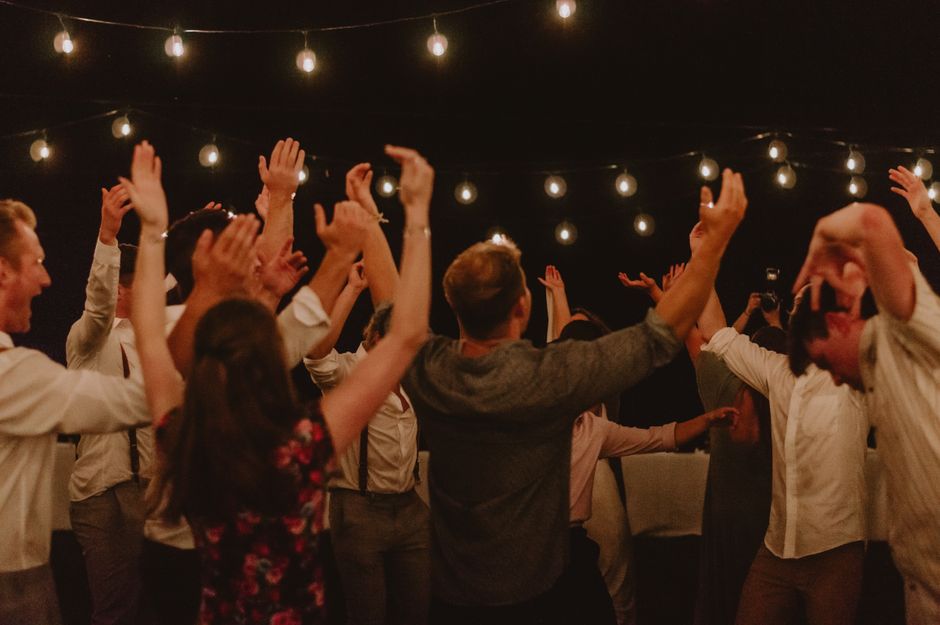
Unforgettable Wedding Reception Dancing: A Guide to Maximizing Your Dance Floor Experience
The wedding reception dance floor is a pivotal element of any celebration, serving as the heart of the party and the engine of shared joy. Beyond mere entertainment, it’s a space for guests to connect, for memories to be forged, and for the couple to truly bask in the culmination of their special day. Optimizing this experience requires careful consideration of numerous factors, from music selection and DJ performance to lighting, guest engagement, and even the physical layout of the dance floor itself. This comprehensive guide explores the multifaceted aspects of creating an unforgettable wedding reception dancing experience, offering actionable advice for couples and event planners seeking to elevate their celebration.
The music is, undeniably, the bedrock of any successful dance party. A skilled wedding DJ or band understands the delicate art of crafting a playlist that caters to a diverse range of ages and musical tastes while maintaining a cohesive flow. This begins with a thorough consultation process, where the couple’s preferences are meticulously documented. Beyond simply listing favorite songs, it’s crucial to discuss genres, artists, and eras that resonate with the couple and their anticipated guest list. Think about the energy levels desired throughout the evening. A gentle dinner set, transitioning into more upbeat tempos for the main dancing hours, and potentially winding down with a romantic slow dance or a crowd-pleasing singalong anthem, creates a dynamic and engaging experience. DJs should be adept at reading the room, intuitively adjusting the music based on the crowd’s response. If a particular song is clearing the floor, they need the experience to pivot smoothly to something that will reignite the energy. Likewise, if a specific genre is proving exceptionally popular, they can lean into it strategically. Beyond the obvious hits, consider incorporating some less predictable but still widely recognizable tracks that can create moments of delightful surprise. The "do not play" list is just as critical as the "play" list. Certain songs might hold negative connotations or simply not align with the couple’s vision, and a professional DJ will respect and adhere to these boundaries strictly. The transition between songs is also a vital, often overlooked, element. Seamless transitions prevent awkward silences or jarring shifts that can disrupt the party’s momentum.
The DJ or live band is more than just a music provider; they are the conductors of the dance floor’s energy. A great DJ is an engaging host, capable of hyping up the crowd, making announcements clearly and enthusiastically, and facilitating key moments like the bouquet toss or the garter removal. Their personality and interaction style should complement the couple’s vision for the reception. Some couples prefer a DJ who is a subtle guide, while others may want a more vibrant and participatory presence. It’s important to have open communication about this during the booking process. For live bands, the musicians’ stage presence, interaction with the audience, and their ability to switch genres or styles will significantly impact the dance floor’s success. Rehearsing specific songs for important moments, like the first dance, father-daughter dance, or mother-son dance, is essential. These are often deeply personal and sentimental moments, and a professional musician or DJ will ensure they are executed flawlessly, with the right tempo and emotional resonance. Beyond the formalities, their ability to adapt to impromptu requests or crowd reactions is a testament to their skill. A seasoned performer can spot a lull in energy and inject it with a well-timed, crowd-pleasing track.
Lighting plays a crucial, often underestimated, role in setting the mood and transforming the dance floor from a functional space into an immersive experience. Uplighting, for instance, can wash the walls with vibrant colors that match the wedding’s theme or decor, instantly elevating the ambiance. Gobos, custom-projected patterns or monograms onto the dance floor or walls, add a personalized and sophisticated touch. Disco balls are a classic for a reason, creating a dynamic and shimmering effect that encourages movement and festivity. Intelligent lighting, controlled by the DJ, can dynamically change colors, patterns, and intensity in sync with the music, mirroring the ebb and flow of the dance party. Strobe lights can inject high energy into specific moments, while softer, more ambient lighting can create intimacy for slower songs. Consider the overall visual narrative you want to create. A dimly lit, candlelit atmosphere for dinner can transition into a more energetic, colorful light show once the dancing begins. Fog machines can add a dramatic flair, especially for a couple’s first dance or a high-energy song. The key is to work with a lighting professional or a DJ who has a strong understanding of lighting design and how it impacts mood and perception.
The physical layout of the dance floor is paramount for both functionality and guest comfort. The size of the dance floor should be proportionate to the expected number of guests who will be dancing. A dance floor that is too small can lead to overcrowding, discomfort, and a less enjoyable experience, while an overly large one can feel empty and lacking in energy. Consider the placement of the dance floor in relation to the main seating areas, the bar, and the DJ booth. It should be easily accessible and visible, encouraging guests to join in. Obstructions, such as pillars or poorly placed tables, should be avoided. Think about the flow of traffic around the dance floor. Are there clear pathways for guests to enter and exit? Is there adequate space for servers to move through without disrupting dancers? The flooring itself can also play a role. A smooth, non-slip surface is essential for safety. For outdoor weddings, consider the type of flooring needed to accommodate uneven terrain or potential weather conditions. Some couples opt for a temporary dance floor installation to ensure a level and pristine surface.
Guest engagement is not solely dependent on the music; it’s also about creating an environment where guests feel comfortable and encouraged to participate. A charismatic DJ can act as a master of ceremonies, inviting guests onto the dance floor, leading simple line dances, or organizing fun group activities. Consider incorporating interactive elements that appeal to different age groups. For example, a photobooth with fun props located near the dance floor can encourage spontaneous photo-taking and shared laughter, which can spill over into dancing. Theme nights, while not for every wedding, can be a fun way to boost engagement. A "throwback" night with 80s hits and corresponding attire, or a "masquerade" theme, can add an extra layer of excitement. Encouraging guests to write song requests on cards placed at tables is a classic and effective method. Beyond formal activities, the couple themselves set the tone. Their presence on the dance floor, their willingness to dance with guests, and their evident enjoyment are infectious and will inspire others to join in. Don’t underestimate the power of the wedding party to initiate dancing and get the energy going.
The "must-play" songs are the anthems that define a generation or hold deep personal significance for the couple. These are the tracks that will fill the dance floor and create iconic moments. Think about songs that have a broad appeal across age groups, such as "Don’t Stop Believin’" by Journey, "Sweet Caroline" by Neil Diamond, or "Dancing Queen" by ABBA. These are songs that people instinctively know the lyrics to and are motivated to sing along with. For the couple, identifying a few key songs that represent their relationship – the song they met to, their first date song, or a song with a special meaning – is crucial. These personal anthems can be strategically placed throughout the evening to punctuate different phases of the reception. A good DJ will understand how to build anticipation for these songs and how to maximize their impact. They might use a gradual fade-in, a brief spoken introduction, or even a lighting cue to signal the arrival of a highly anticipated track. The energy around these songs should be palpable, and the DJ’s role is to orchestrate that energy effectively.
The wedding ceremony and cocktail hour often precede the main dancing portion of the reception. The music during these earlier stages should be carefully curated to set a welcoming and sophisticated tone, but it should also subtly build anticipation for the dance party. During the ceremony, instrumental music, classical pieces, or acoustic arrangements create a reverent and emotional atmosphere. For the cocktail hour, a live jazz trio, a sophisticated playlist of lounge music, or an acoustic guitarist can provide a relaxed and engaging backdrop. These musical choices should reflect the overall style and theme of the wedding. As the reception transitions from dinner to dancing, the music should gradually increase in tempo and energy. This seamless transition is key to maintaining guest engagement and preventing a sudden drop in atmosphere. The DJ can subtly introduce more upbeat tracks during dessert or as speeches conclude, signaling the imminent shift in energy. This gradual build-up is more effective than an abrupt change from a slow ballad to a high-energy dance track.
The bouquet toss and garter toss, while traditional, can also be opportunities to inject fun and energy onto the dance floor. A skilled DJ can make these moments entertaining and engaging, encouraging participation from single guests and creating memorable photo opportunities. Rather than simply tossing the items, consider adding some playful commentary, a relevant song, or even a mini-game to build excitement. For the garter toss, the DJ can encourage the groom to get creative with his removal technique, leading to laughter and applause. Similarly, for the bouquet toss, the DJ can create a sense of friendly competition among the single ladies. These moments, when executed with enthusiasm and good humor, can momentarily halt the dancing and draw everyone’s attention, only to reignite the dance floor with renewed vigor afterward.
Beyond the music and formal activities, fostering a relaxed and inclusive atmosphere is key to ensuring everyone feels comfortable dancing. This means ensuring there’s a good balance of music genres and tempos throughout the night. Not everyone enjoys aggressive dance music, and providing a variety of options ensures that guests of all ages and musical preferences can find something to enjoy. A well-placed slow dance, a classic motown track, or a popular pop hit can bring different groups of people onto the dance floor. The presence of a comfortable seating area near the dance floor allows guests to take breaks and observe the festivities without feeling excluded. Providing water stations nearby also encourages guests to stay hydrated and return to the dance floor. Ultimately, the wedding reception dance floor is a collective celebration, and creating an environment where everyone feels welcomed and encouraged to participate is the ultimate goal. A successful dance floor is a testament to careful planning, a skilled DJ or band, and a genuine desire to create a joyous and unforgettable experience for all guests.

