
DIY Fabric Fishing Game: A Crafty and Engaging Activity for All Ages
Creating a DIY fabric fishing game is a rewarding and surprisingly straightforward project that yields a fun, interactive toy suitable for toddlers, preschoolers, and even older children who enjoy imaginative play. This game not only promotes fine motor skills, hand-eye coordination, and color recognition but also offers a fantastic opportunity for upcycling old fabric scraps and developing sewing skills. The core components of this game involve crafting a simple fishing rod, a collection of fabric "fish," and a container to serve as the "pond." Each element can be customized extensively, allowing for a truly unique creation that reflects personal style and available materials. The beauty of a fabric fishing game lies in its tactile nature; the soft textures of the fabric offer a comforting sensory experience, and the gentle weight of the finished fish makes them easy to manipulate with the fishing rod. This accessibility makes it an ideal activity for young children who are developing their dexterity. Furthermore, the open-ended nature of the game encourages imaginative scenarios, from underwater adventures to friendly competitions. The materials are generally inexpensive and readily available, often found in the form of remnants from previous sewing projects or even discarded clothing items. This project is also highly adaptable to different skill levels. Beginners can opt for simpler shapes and sewing techniques, while those with more experience can incorporate intricate details, embellishments, and varied textures to enhance the visual and tactile appeal. The satisfaction of building a toy from scratch, coupled with the enjoyment of playing with it, makes this DIY project a valuable and enduring endeavor.
The foundation of the fabric fishing game is the "pond," which can be as simple or elaborate as desired. A basic pond can be fashioned from a large piece of fabric, such as felt, fleece, or even an old t-shirt. Cut a rectangular or circular shape, depending on preference, approximately 18-24 inches in diameter or length. For a more robust pond, consider using a plastic storage bin lid, a shallow cardboard box, or a repurposed laundry basket. If using fabric, reinforcing the edges with a serger or a zig-zag stitch will prevent fraying and enhance durability. To create a more visually engaging pond, consider layering different shades of blue fabric to mimic water. One popular method is to cut wavy strips of various blue fabrics and appliqué them onto a base fabric using a sewing machine or fabric glue. For added texture and realism, small fabric scraps in green or brown can be stitched on to represent lily pads or underwater plants. Sequins, beads (securely sewn to prevent detachment, especially for younger children), or even small fabric cutouts of seaweed can also be incorporated. If opting for a rigid container like a bin lid, simply decorating its surface with fabric paint or glued-on fabric scraps will suffice. Another creative approach is to create a "net" pond by using a large piece of netting or mesh fabric, securing its edges, and attaching fabric "lily pads" or "weeds" to it. This provides a different tactile experience and can be a fun variation. The key is to create a distinct, enclosed space that visually represents the fishing area and provides a surface to which the fabric fish can be attached or retrieved from. The pond serves as the central hub of the game, setting the stage for the aquatic adventure.
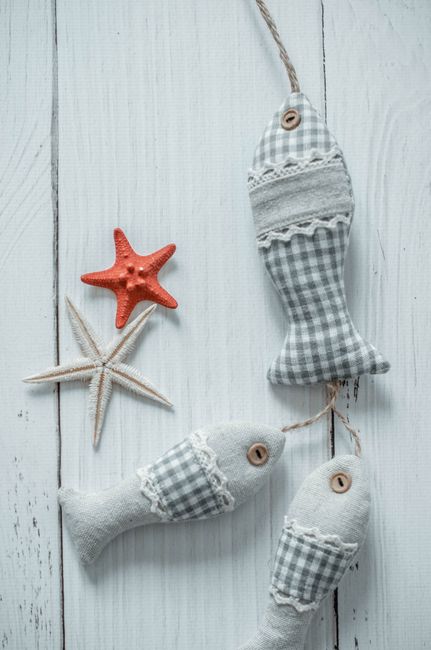
Crafting the fabric fish is where the real creativity and customization come into play. The possibilities for fish shapes, sizes, and embellishments are virtually limitless. Start by sketching out various fish designs on paper. Consider simple silhouettes like goldfish, angelfish, or even more abstract, whimsical shapes. Trace these designs onto your chosen fabric. A good selection of colors is essential for a visually stimulating game. Bright, contrasting colors will make the fish stand out against the pond background and also aid in color recognition for younger players. Felt is an excellent choice for fish due to its non-fraying edges and easy-to-cut nature, making it ideal for hand-sewing or machine-sewing. Other fabrics like cotton, fleece, or even old denim can be used, though they might require more careful edge finishing. For each fish, cut out two identical shapes. If using cotton or other woven fabrics, consider using a pinking shears for the edges to minimize fraying.
The filling for the fish can vary. For a soft, squishy fish, polyester fiberfill is the standard choice. Alternatively, fabric scraps cut into small pieces can also be used as stuffing, offering a way to further upcycle materials. For a slight weight and a satisfying tactile feel, a small amount of rice or dried beans can be added to the stuffing, but ensure these are completely enclosed within the fabric layers to prevent any leakage.
Attaching the "fishing hook" is a crucial functional element. The most common method is to sew a small loop of ribbon, string, or fabric onto one end of the fish. This loop should be sturdy enough to withstand being "hooked" repeatedly. Alternatively, a small button can be sewn onto the fish, and the fishing rod’s magnetic end can attach to it. Another option is to create a small "mouth" opening in the fish and insert a small metal washer or a strong magnet that can be picked up by a magnetic fishing rod. Ensure all attachments are securely sewn down to prevent any choking hazards.
Embellishing the fish adds personality and visual interest. Fabric markers can be used to draw eyes, scales, or stripes. Small fabric scraps can be appliquéd onto the fish to create fins, tails, or patterns. Buttons, beads (again, securely sewn), or even small pieces of yarn can be used to add texture and detail. For example, a fish with a yarn mane could represent a lionfish, or a fish with sequined scales could be a disco fish. The more variety in design and texture, the more engaging the game will be. Aim for a collection of at least 6-10 fish to provide ample play options.
The fishing rod itself can be a simple yet effective tool. The most straightforward rod is constructed from a dowel rod or a sturdy stick, approximately 18-24 inches in length. One end of the dowel rod needs to be prepared to hold the "line" and the "hook." For a magnetic fishing rod, which is popular for its ease of use, a small but strong magnet is required. Securely attach the magnet to one end of the dowel rod. This can be done by drilling a small hole, inserting the magnet, and securing it with strong adhesive like super glue or epoxy. Alternatively, the magnet can be attached to a sturdy piece of fabric or felt, which is then securely wrapped and glued around the end of the dowel rod. Ensure the magnet is facing outwards.
For a "hook and loop" fishing rod, a small piece of felt or fabric is attached to the end of the dowel rod. To this fabric piece, a small loop of sturdy string or fishing line is securely attached. The other end of this string or fishing line is then attached to a small metal paperclip, a small crochet hook, or even a sturdy piece of wire bent into a hook shape. The length of the line should be appropriate for the size of the pond, allowing the "hook" to reach the fish without being excessively long.
Another variation involves using a simple string with a knot at one end to create a "catch" for the fish’s loop. The string is then tied securely to the end of the dowel rod. For a more advanced rod, you could consider a reel mechanism, but for a basic DIY project, a fixed line is perfectly functional. Decorative elements can be added to the dowel rod itself, such as painting it, wrapping it with colorful yarn, or attaching small fabric streamers. The goal is to create a tool that allows the player to interact with the fabric fish in a fun and challenging way.
When constructing the game, especially if it’s intended for very young children, safety is paramount. All small embellishments like beads and buttons should be securely sewn, and any loose threads should be trimmed. If using magnets, ensure they are strong enough not to be easily pulled off and are large enough not to pose a choking hazard. For fabric fish filled with rice or beans, double-check that the seams are robust and that the filling is completely contained. Regularly inspect the game for any signs of wear and tear that might compromise its safety. The longevity of the game is also enhanced by using durable fabrics and strong stitching. Reinforcing key stress points, such as where the line attaches to the rod or where loops are sewn onto the fish, will ensure the game can withstand repeated play. Consider the age range of the intended players and adjust the complexity and size of the components accordingly. For toddlers, larger fish with simpler shapes and a more robust, easy-to-handle fishing rod are recommended. For older children, you can introduce more intricate fish designs and perhaps a more challenging fishing rod with a longer line or a more delicate hook. The process of making the game can also be a family activity, with older children helping with cutting fabric, sewing simple seams, or decorating the pond. This shared experience adds another layer of value to the DIY project.
The educational benefits of a DIY fabric fishing game are substantial. Beyond the development of fine motor skills and hand-eye coordination, the game serves as an excellent tool for teaching color identification. Children can be asked to catch a specific color fish, fostering their understanding of the color spectrum. Sorting the fish by color after playing is another valuable learning activity. The game also introduces basic counting skills; children can count how many fish they catch or how many of each color they have. For slightly older children, you can introduce simple math concepts by asking them to add or subtract the number of fish caught. The imaginative play aspect is equally important. Children can create elaborate underwater narratives, assign roles to different fish, and develop problem-solving skills as they navigate the challenges of "catching" their prey. The tactile nature of the fabric game also provides sensory input, which is particularly beneficial for young children or those with sensory processing needs. The textures of the fabric, the weight of the stuffed fish, and the gentle tug of the line all contribute to a rich sensory experience. Furthermore, the act of participating in the creation of the game instills a sense of accomplishment and pride in children. They become invested in the toy because they contributed to its existence. This fosters a sense of ownership and encourages them to engage more deeply with the play experience. The adaptability of the game means it can grow with the child, offering new challenges and learning opportunities as they develop. This makes it a long-lasting and invaluable addition to a toy collection. The ability to customize the game with different themes, characters, or even educational elements makes it a versatile resource for parents and educators. For instance, one could create fish with letters or numbers on them, turning the fishing game into a literacy or numeracy tool. The potential for learning and fun is truly boundless with this simple yet ingenious DIY creation.
