
Why Can’t I Stop Binge Watching Daily Vlogs? Understanding the Digital Dopamine Loop and Modern Escapism
The allure of daily vlogs is a complex phenomenon, often leading to an almost compulsive habit of binge-watching. This isn’t a simple matter of idle entertainment; it’s deeply rooted in psychological mechanisms and the evolving landscape of digital consumption. Understanding why you can’t stop is the first step towards regaining control and fostering a healthier relationship with this content. The core of this compulsion lies in the digital dopamine loop, a powerful cycle of reward and anticipation that YouTube and similar platforms are expertly designed to exploit. When you watch a vlog, your brain releases dopamine, a neurotransmitter associated with pleasure and reward. This initial release feels good, prompting you to seek out more. The anticipation of what might happen next, the introduction of new people or situations, and the continuous stream of novel information all contribute to this reward system. This isn’t dissimilar to the mechanisms that can lead to other addictive behaviors, where a pleasurable stimulus triggers a cascade of neurochemical responses that reinforce the desire for more. The constant availability of new content, delivered directly to your screen, ensures that the dopamine hits are readily accessible, making it incredibly easy to fall into a pattern of continuous consumption. Furthermore, the algorithmic nature of these platforms plays a significant role. YouTube’s recommendation engine is designed to keep you engaged by suggesting content that aligns with your viewing history. This creates a personalized echo chamber, constantly feeding you more of what you seem to enjoy, thus reinforcing the binge-watching habit. The more you watch, the more tailored your recommendations become, making it increasingly difficult to break free from the curated stream of vlogs. This algorithmic feedback loop is a powerful driver of extended viewing sessions.
The escapism offered by daily vlogs is another potent factor contributing to their addictive nature. In an increasingly stressful and demanding world, the act of immersing oneself in someone else’s life, however mundane or extraordinary, can provide a temporary respite from personal anxieties and responsibilities. Vlogs offer a window into curated realities, often showcasing aspirational lifestyles, relatable struggles, or simply the comforting familiarity of a recurring personality. This creates an emotional surrogate, allowing viewers to vicariously experience different emotions, environments, and social interactions without the associated risks or efforts of real-life engagement. For many, daily vlogs become a form of passive social interaction, filling a void of connection or combating feelings of loneliness. You might feel a sense of parasocial relationship with the vloggers you follow. You know their routines, their friends, their pets, and even their minor inconveniences. This perceived intimacy, even though one-sided, can be incredibly comforting. It’s easier to feel connected to someone you see every day on a screen than to initiate and maintain complex real-life relationships. This sense of belonging, however artificial, can be a powerful motivator for continued viewing. The predictable structure of many vlogs – the morning routine, the daily activities, the evening recap – creates a sense of order and familiarity that can be highly reassuring. This predictability stands in stark contrast to the inherent uncertainty and challenges of one’s own life, making the vlog world a more appealing and less demanding place to inhabit. The constant novelty within this structured format, through new destinations, activities, or guest appearances, keeps the experience fresh enough to prevent boredom without requiring significant mental effort from the viewer.
The low barrier to entry for consuming vlog content significantly fuels the binge-watching habit. Unlike a feature film that requires dedicated time and attention, or a complex documentary demanding intellectual engagement, daily vlogs are designed for easy digestion. They are often fragmented into shorter segments, punctuated by frequent cuts, energetic music, and direct-to-camera address, all of which cater to shorter attention spans. This makes them ideal for multitasking or for viewing during brief periods of downtime, such as commuting, waiting in line, or taking a short break. The sheer volume of content available is also a contributing factor. The internet is awash with daily vlogs covering every conceivable niche, from travel and fashion to gaming and lifestyle. This abundance ensures that there is always something new to watch, catering to even the most specific interests. The fear of missing out (FOMO) can also play a role. With new episodes dropping daily, there’s an implicit pressure to keep up to stay relevant in online conversations or to avoid feeling out of the loop regarding a favorite vlogger’s life. This creates a sense of urgency and perpetuates the cycle of continuous watching, as falling behind can feel like a significant loss of engagement. The accessibility across multiple devices – smartphones, tablets, laptops – further enhances the pervasive nature of this content, allowing for consumption anytime, anywhere. This constant availability means that the temptation is never far away, making it challenging to disconnect even when a desire to do so exists. The ease with which one can transition from one vlog to the next, with a simple click or swipe, further contributes to the seamless and often unconscious flow of binge-watching.
The psychological need for validation and social comparison, however unconscious, can also drive binge-watching of daily vlogs. Many vloggers present idealized versions of their lives, showcasing achievements, material possessions, and seemingly effortless happiness. This can trigger social comparison in viewers, who may begin to evaluate their own lives against these curated portrayals. This comparison can lead to feelings of inadequacy, envy, or aspiration, all of which can keep viewers engaged as they seek to understand how others achieve these seemingly desirable outcomes, or conversely, to feel a sense of superiority by identifying flaws. This constant exposure to aspirational content can inadvertently foster a desire to "keep up" or to find inspiration for one’s own life, thus prolonging viewing sessions. The inherent voyeurism in watching someone’s daily life unfold also plays a part. Humans are naturally curious about the lives of others, and vlogs satisfy this curiosity in an easily accessible format. This peek into intimate details, even if curated, can be compelling and difficult to resist, fostering a sense of being an insider. The dopamine loop is reinforced not just by the pleasure of watching but also by the subtle validation of the viewer’s own preferences and tastes. When the algorithm serves up a vlog you enjoy, it’s a form of positive reinforcement for your viewing habits. This can lead to a self-perpetuating cycle where the platform learns your preferences, and you, in turn, are rewarded with more content that aligns with those preferences, further solidifying the habit. This creates a feedback loop that is difficult to break without conscious intervention. The emotional engagement, whether it’s empathizing with a vlogger’s struggles or celebrating their triumphs, also contributes to the addictive quality. These vicarious emotional experiences provide a sense of connection and engagement that can be lacking in everyday life.
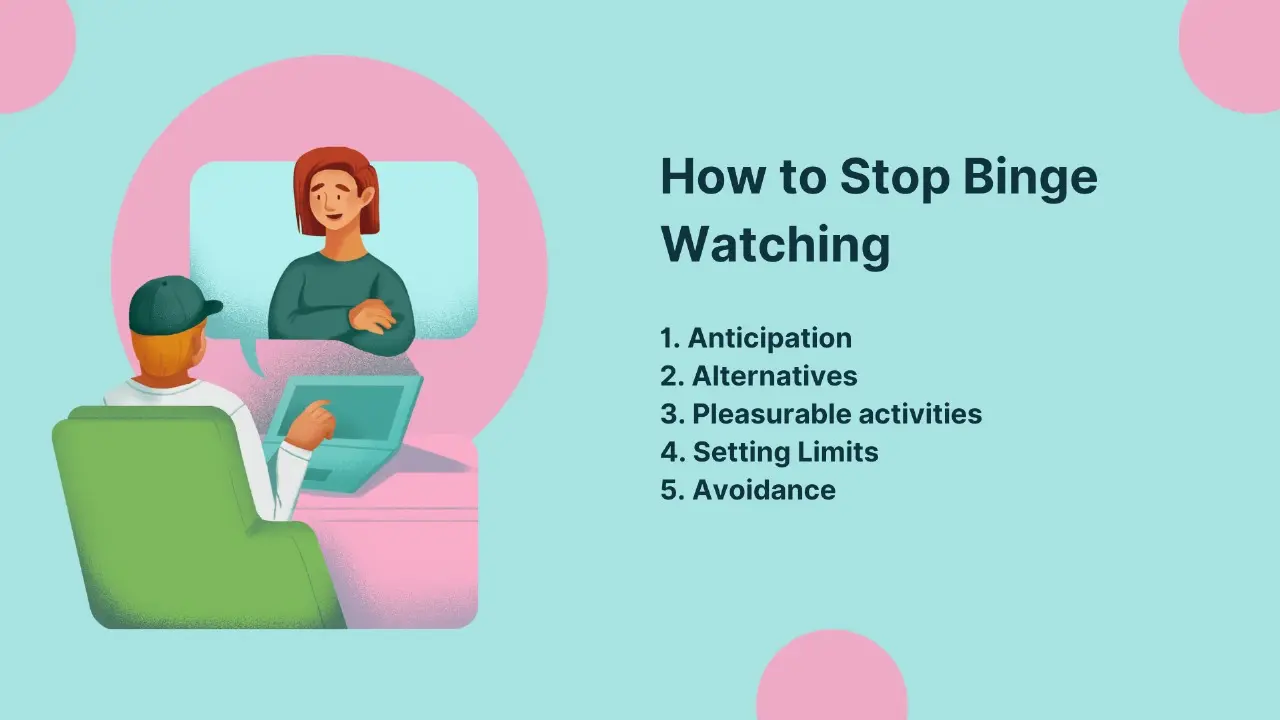
Understanding the underlying psychological drivers is crucial for addressing the compulsion to binge-watch daily vlogs. It’s not about judging the content itself, but rather recognizing how it interacts with our brain’s reward systems, our need for escapism and connection, and our susceptibility to digital design. The platforms are built for engagement, and the content often taps into fundamental human desires. The first step is awareness: acknowledging that the compulsion exists and is driven by these powerful forces. Once this awareness is established, you can begin to implement strategies to regain control. This might involve actively curating your viewing habits, setting time limits, diversifying your media consumption, and prioritizing real-world interactions and activities. The goal isn’t necessarily to eliminate vlogs entirely, but to transform your relationship with them from one of compulsive consumption to one of intentional and balanced engagement. Recognizing the specific triggers that lead to binge-watching, such as stress, boredom, or loneliness, is also key. By identifying these triggers, you can develop alternative coping mechanisms and activities that address the underlying need without resorting to prolonged screen time. This might involve engaging in hobbies, exercising, practicing mindfulness, or reaching out to friends and family. The digital world offers a wealth of information and entertainment, but it’s essential to maintain a healthy balance to ensure that it enhances, rather than detracts from, your overall well-being. The ease of access, the personalized algorithms, and the inherent human desire for connection and escapism all contribute to the powerful draw of daily vlogs, creating a cycle that, for many, is difficult to break.

