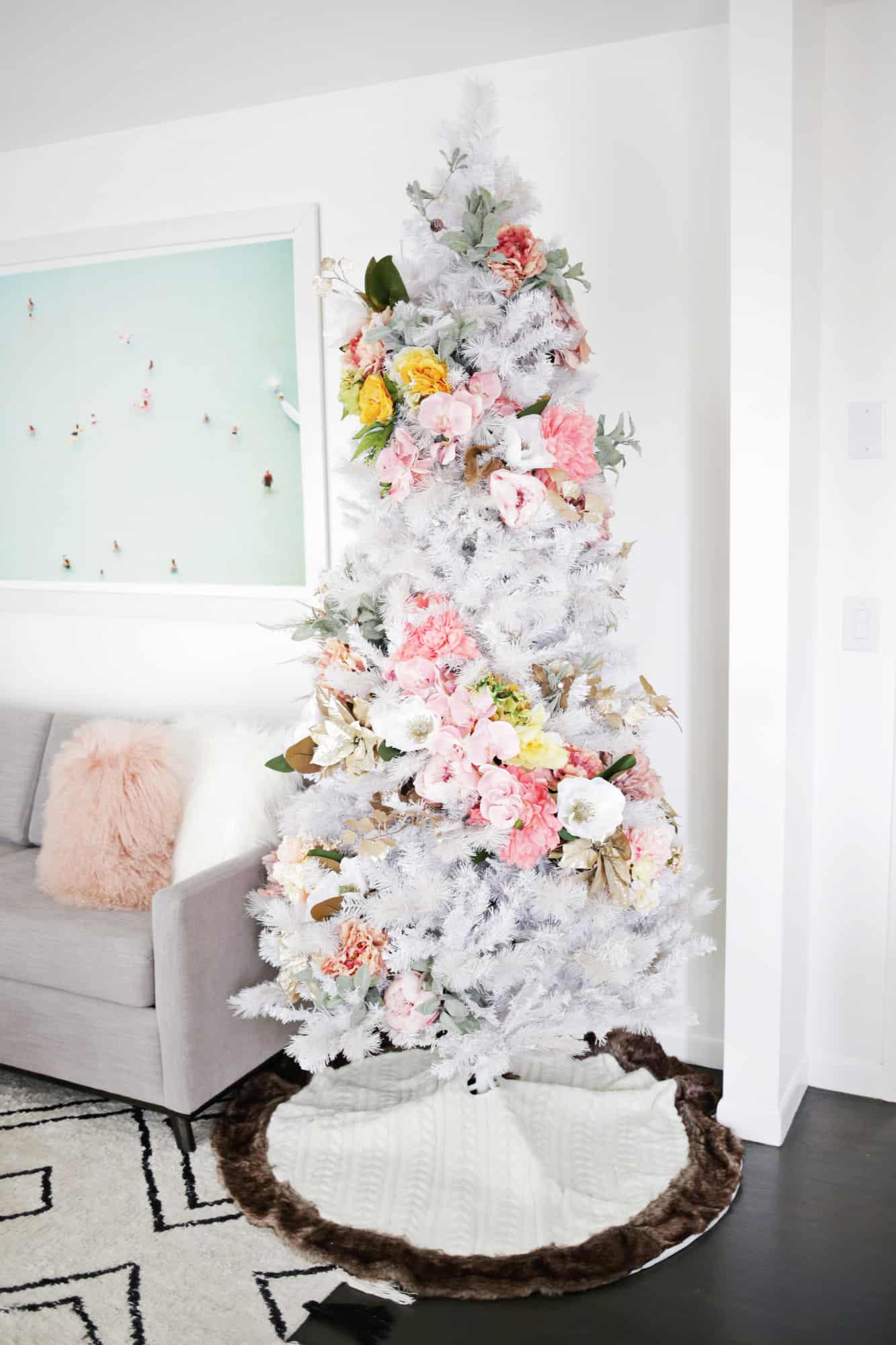
The Ultimate Guide to Creating a Stunning Floral Christmas Tree: A DIY Masterclass
Transforming your traditional Christmas tree into a breathtaking floral masterpiece is a truly rewarding DIY project, offering a unique and elegant alternative to conventional ornaments. This guide will walk you through every step, from selecting the right materials to achieving a professionally polished look, ensuring your floral Christmas tree becomes the stunning focal point of your holiday décor. We’ll delve into the practicalities of construction, discuss the aesthetic considerations, and provide ample inspiration to fuel your creativity.
The foundation of any successful floral Christmas tree is a well-constructed framework. While you can certainly use a live evergreen as your base, the longevity and potential mess associated with fresh foliage require careful consideration. A more practical and sustainable approach for a dedicated floral tree is to build a conical frame. This can be achieved using various materials. Wire mesh, often referred to as chicken wire or hardware cloth, is a popular choice due to its flexibility and ability to hold floral foam securely. Begin by creating a cone shape, securing the edges with wire or zip ties. The size of your cone will dictate the overall scale of your tree, so plan accordingly. For a more substantial tree, you might need to create multiple cones and join them together. Alternatively, repurposed materials like cardboard tubes, stacked and secured, can form a sturdy base, especially for smaller tabletop versions. If opting for a larger, floor-standing tree, consider constructing a wooden frame resembling a cone, offering robust support for heavier floral arrangements. The key is to create a stable, conical structure that provides ample surface area for floral attachment. Remember to ensure the base of your cone is wide enough to provide stability, especially if your tree will be tall. For added security, consider attaching the base to a sturdy wooden platform.
Once your framework is established, the next crucial step is preparing your floral medium. Floral foam is the undisputed champion for fresh flower arrangements, providing hydration and support. For a floral Christmas tree, you’ll need a significant amount of floral foam. Consider using multiple large blocks of wet floral foam, cutting and shaping them to fit snugly within your wire mesh or frame. It’s essential to soak the floral foam thoroughly before use. Submerge the blocks in water, allowing them to absorb moisture naturally from the bottom up. Do not force them down, as this can create dry pockets within the foam. Once saturated, carefully drain any excess water. For wire mesh frames, you can cut the floral foam into smaller pieces and insert them directly into the mesh, ensuring they are tightly packed. If you’re using a more solid frame, you might need to create slots or shelves to accommodate the foam blocks. Alternatively, for dried floral arrangements, you can forgo the wet floral foam and opt for a dry foam or even a thicker gauge wire mesh that allows you to directly secure dried stems. The choice of floral medium directly influences the type of flowers and foliage you can use and the overall longevity of your tree.
The selection of your floral elements is where the true artistry of your floral Christmas tree comes to life. For a fresh flower tree, think about durability and fragrance. Roses, carnations, chrysanthemums, and alstroemeria are excellent choices due to their long vase life. Consider a color palette that complements your existing décor. Classic Christmas colors like deep reds, whites, greens, and golds are always a winning combination. However, don’t shy away from bolder choices like vibrant blues, purples, or even a monochromatic theme. Incorporate a variety of textures and shapes for visual interest. Think about adding greenery like eucalyptus, pine sprigs, or ivy to create a lush base and a more traditional Christmas feel. For dried floral arrangements, the possibilities are even broader. Dried roses, hydrangeas, eucalyptus, pinecones, and even dried citrus slices can create a rustic and charming aesthetic. Consider incorporating elements like cinnamon sticks, star anise, or dried berries for added festive fragrance and visual appeal. When selecting fresh flowers, ensure they are in good condition, with firm petals and no signs of wilting. For dried elements, check for any signs of damage or fragility.
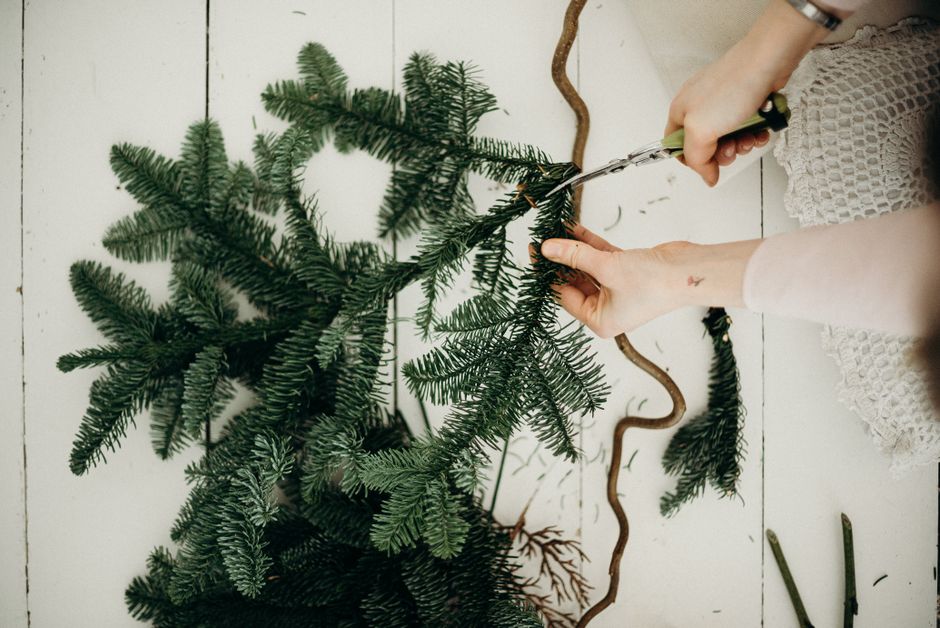
The process of attaching your flowers and foliage to the frame is a delicate and time-consuming but ultimately rewarding endeavor. For fresh flowers, use your prepared floral foam. Cut the stems at an angle to maximize water absorption and insert them firmly into the foam. Start from the bottom of your cone and work your way up, overlapping your elements to create a full and seamless look. Consider planting taller, more statement flowers at the base and gradually decreasing their size as you ascend. Mix in your greenery, strategically placing it to fill gaps and add depth. For dried elements, you’ll employ different techniques. Floral wire is your best friend here. Bend floral wire into a loop and attach it to the stems of your dried flowers and foliage, or directly wire smaller embellishments like pinecones. Then, you can twist these wired elements into your wire mesh frame or directly into the dried floral foam. Hot glue can also be a useful tool for attaching smaller, lighter dried elements or embellishments. For a truly integrated look, you can also consider using natural twine or ribbon to tie bundles of dried botanicals to your frame. Patience is key; take your time and step back frequently to assess your progress and make adjustments.
Achieving a balanced and visually appealing arrangement is paramount. Think of your floral Christmas tree as a living sculpture. Begin by establishing a base layer of greenery. This will provide a lush foundation and help fill out the shape of your cone. Then, start incorporating your main floral elements, working in sections and ensuring consistent coverage. Pay attention to color distribution. Avoid clumping all of one color or type of flower in one area. Instead, spread them out evenly to create visual harmony. Consider the directionality of your flowers. Many flowers have a natural curve or upward growth. Utilize this to create a sense of movement and organic flow. For a more traditional look, consider placing larger, statement blooms at the base and progressively smaller, more delicate blooms towards the top. Incorporate a variety of textures. A mix of velvety rose petals, feathery eucalyptus, and rough pinecones will add depth and interest. Step back regularly to evaluate the symmetry and balance of your tree. Rotate your tree as you work to ensure all sides are equally adorned.
The finishing touches are what elevate your floral Christmas tree from a handmade creation to a truly professional-looking piece of art. Consider adding subtle accents that enhance the overall theme. For fresh floral trees, a light misting of floral sealant can help extend the life of your blooms and prevent excessive shedding. For dried arrangements, consider spraying them with a UV-protectant spray to prevent fading. Think about incorporating decorative elements that complement your chosen color palette and style. Tiny fairy lights woven through the foliage can add a magical glow, especially in the evening. Small, elegant ornaments, sparingly used, can add pops of metallic shine or sparkle. Consider using natural elements like small pinecones, acorns, or even dried citrus slices as additional decorative accents. For a truly personalized touch, you could even craft custom floral embellishments, like hand-painted leaves or fabric flowers. The goal is to add a layer of sophistication without overwhelming the natural beauty of the floral arrangement.
Maintaining your floral Christmas tree will depend on whether you’ve opted for fresh or dried elements. For fresh flower trees, regular misting with water is crucial. Use a fine-spray mister to lightly dampen the petals and foliage, being careful not to saturate the floral foam excessively, which can lead to mold or rot. If possible, place your tree in a cool location away from direct sunlight and heat sources, which will help prolong the life of your blooms. You may need to replace individual flowers as they start to wilt. For dried floral trees, maintenance is significantly simpler. Keep your tree in a dry environment, away from humidity, which can cause dried elements to degrade or mold. Gently dust your tree periodically with a soft brush or a can of compressed air to remove any accumulated dust. Avoid direct sunlight, which can cause dried flowers to fade. With proper care, both types of floral Christmas trees can be enjoyed for the duration of the holiday season and beyond.
Exploring different floral themes can unlock endless creative possibilities for your DIY floral Christmas tree. Beyond traditional Christmas colors, consider a winter wonderland theme using whites, silvers, and icy blues, incorporating frosted elements and perhaps even artificial snow. A rustic farmhouse theme could feature dried wheat, burlap accents, and a palette of warm earth tones. For a more modern and minimalist aesthetic, a monochromatic design in shades of green or a single vibrant color can be incredibly impactful. Don’t be afraid to experiment with unusual floral combinations. Succulents, for instance, can add a unique textural element and a contemporary twist, though they will require a different approach to mounting and care. Consider incorporating seasonal fruits and vegetables like cranberries, pomegranates, or small gourds for a harvest-inspired look. The key is to let your imagination run wild and to draw inspiration from your personal style and the overall ambiance you wish to create in your home.
The structural integrity of your floral Christmas tree is as important as its aesthetic appeal. When using wire mesh, ensure it is securely fastened to prevent any sagging or collapsing, especially under the weight of the flowers. If you’re building a larger tree, consider reinforcing the internal structure with additional wire or even thin wooden dowels. For fresh flower trees, ensure the floral foam is adequately hydrated and securely positioned within the frame. If you notice any areas that seem less stable, add more floral foam or use floral tape to reinforce the connections. When attaching heavier elements, particularly to dried floral arrangements, it’s crucial to use strong floral wire and to create secure attachment points within the frame. Regularly inspect your tree for any signs of weakness or instability, and address them promptly. A well-constructed floral Christmas tree will not only look beautiful but will also stand the test of time throughout the holiday season.
The cost of creating a floral Christmas tree can vary significantly depending on the materials you choose and the scale of your project. Purchasing fresh flowers in bulk from a wholesaler or a local flower market can be more economical than buying from a retail florist. Similarly, buying floral foam, wire mesh, and other supplies in larger quantities can lead to cost savings. For dried floral arrangements, sourcing materials from craft stores, garden centers, or even foraging (responsibly and legally) can be more budget-friendly. Consider upcycling materials whenever possible. Old wire hangers can be repurposed into a smaller frame, and discarded burlap sacks can provide a rustic decorative element. While the initial investment in materials might seem considerable, the unique and stunning result is often well worth the expense, especially when compared to the cost of high-end artificial trees or elaborate store-bought decorations.
The environmental impact of a floral Christmas tree is an important consideration for many. Opting for a reusable frame made from wire mesh or wood can significantly reduce waste compared to single-use artificial trees. For fresh flower trees, supporting local flower farmers who practice sustainable growing methods can minimize the carbon footprint associated with transportation. If using dried flowers, you’re inherently working with a longer-lasting and often more sustainable material. Consider the sourcing of your materials, opting for recycled or biodegradable components whenever possible. For instance, instead of plastic zip ties, explore biodegradable alternatives or natural twine. The beauty of a DIY project is the ability to make conscious choices about the materials you use, allowing you to create a stunning holiday centerpiece that aligns with your environmental values.
The process of creating a floral Christmas tree is more than just a crafting project; it’s an opportunity to infuse your holiday décor with personal style, creativity, and a touch of nature’s artistry. By following these comprehensive steps, you can transform ordinary materials into an extraordinary centerpiece that will captivate your guests and bring an unparalleled sense of festive elegance to your home. Embrace the journey, enjoy the creative process, and prepare to be amazed by the breathtaking beauty of your very own floral Christmas tree. This endeavor offers a truly unique way to celebrate the holiday season, blending the timeless appeal of Christmas with the vibrant beauty of the floral world.

