Sheki: A Journey into Azerbaijan’s Glass Artistry – Crafting Experiences in a Historic Hub
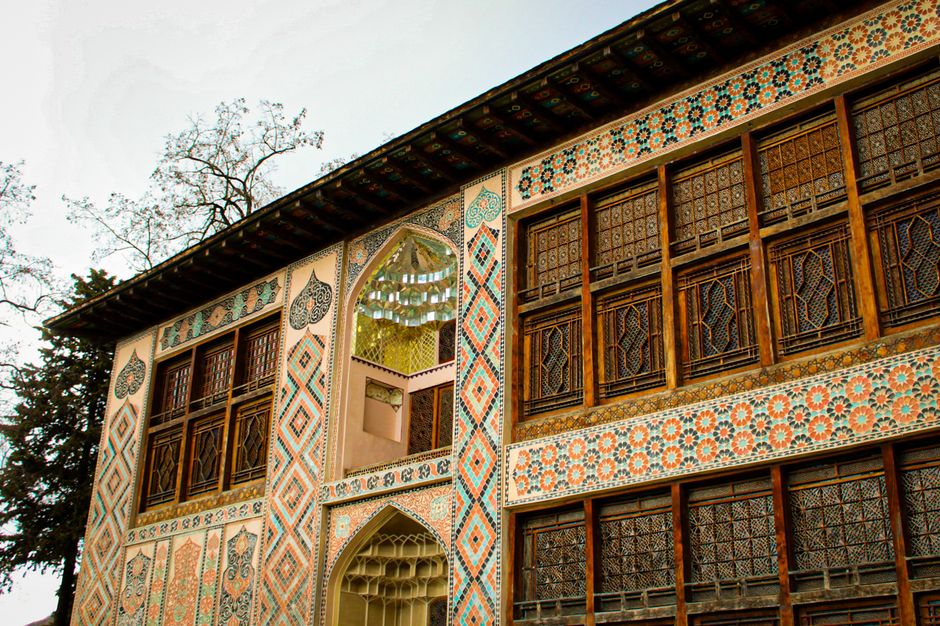
Sheki, a city steeped in history and nestled at the foothills of the Greater Caucasus Mountains, has long been recognized as a vibrant center for traditional Azerbaijani crafts. While its architectural marvels like the Palace of the Shaki Khans and its renowned silk production often steal the spotlight, a burgeoning art form is captivating travelers seeking unique, hands-on experiences: glass art. This article delves into the world of glassmaking in Sheki, exploring the heritage, the contemporary artisans, and the transformative travel opportunities that await those drawn to the magic of molten glass. For SEO purposes, understanding the keywords such as “Azerbaijan travel,” “Sheki crafts,” “glass art workshop,” “traditional Azerbaijani art,” “cultural tourism,” and “handmade glass” will be crucial for attracting a discerning audience.
The historical roots of glass production in Azerbaijan are deep, stretching back millennia. Archaeological discoveries have unearthed glass fragments and artifacts dating from the ancient period, indicating a sophisticated understanding of glassmaking techniques. While the specific history of glass artistry in Sheki itself is less extensively documented compared to other crafts, the broader Azerbaijani tradition of working with glass, particularly for decorative and functional items, laid the groundwork for its contemporary resurgence. Historically, glass was likely produced using locally sourced materials, including sand, soda ash, and lime, transformed through intense heat in rudimentary kilns. The advent of more refined techniques and materials, influenced by trade routes and cultural exchange, would have gradually shaped the evolution of glass artistry. Today, Sheki’s glass artists draw inspiration from this rich past, blending traditional motifs and patterns with modern aesthetics to create pieces that are both culturally resonant and aesthetically compelling. This connection to heritage is a significant draw for cultural tourists and those interested in authentic craft experiences.
The modern resurgence of glass art in Sheki is largely driven by dedicated artisans who are passionate about preserving and innovating this ancient craft. These individuals are not only skilled practitioners but also enthusiastic educators, opening their workshops to visitors eager to learn. Traveling to Sheki and engaging in a glass art workshop offers a profoundly immersive experience. Participants are typically guided through the entire process, from understanding the properties of glass to the delicate art of shaping and decorating. The core of any glass art experience is the furnace, where raw glass is heated to temperatures exceeding 1000 degrees Celsius, transforming it into a malleable, molten state. Under the expert guidance of the artisan, participants learn to manipulate this fiery material using tools like blowpipes, jacks, and paddles. The process is both physically demanding and mentally engaging, requiring focus, precision, and a delicate touch. It’s an opportunity to witness firsthand the transformation of sand into luminous objects, a testament to human ingenuity and artistic vision.
One of the most captivating aspects of visiting a Sheki glass art workshop is the opportunity to create a personalized piece. Whether it’s a delicate vase, a whimsical figurine, or a decorative panel, the visitor actively participates in its creation. This hands-on involvement fosters a deep appreciation for the skill and labor involved in glassmaking. Imagine the satisfaction of shaping a molten blob of glass into your own unique design, knowing that you’ve contributed to its existence. This creates a tangible memory of your journey, far more impactful than any mass-produced souvenir. The process often involves different techniques, such as blowing, where air is introduced into the molten glass through a blowpipe to create hollow forms, or lampworking, where a torch is used to melt glass rods and tubes, allowing for intricate detailing and smaller creations. Color is introduced through various oxides and metallic compounds, which are mixed with the molten glass, adding vibrancy and depth to the finished product.
The raw materials and tools employed in Sheki’s glass art workshops are central to the craft’s authenticity. The primary ingredient, of course, is silica sand, meticulously selected for its purity. Other crucial components include soda ash, which lowers the melting point of silica, and limestone, which adds durability. These raw materials are carefully proportioned and mixed before being introduced into the furnace. The furnaces themselves are often custom-built, designed to reach and maintain the exceptionally high temperatures required for glass melting. Traditional tools, passed down through generations of glassblowers, are still in use. These include long metal blowpipes, often crafted from steel or iron, used to inflate and shape the molten glass. Various metal tools, known as jacks, tweezers, and paddles, are employed to manipulate the glass while it’s hot, allowing for the creation of specific forms and textures. The use of these traditional implements adds another layer of authenticity to the workshop experience, connecting participants to centuries of glassmaking heritage.
Beyond the technical skills, the artistic principles of glass art are also imparted during these workshops. Artisans in Sheki often draw upon traditional Azerbaijani patterns and motifs, incorporating elements from carpets, calligraphy, and nature into their designs. These can range from intricate floral arrangements to geometric patterns and symbolic representations. Participants might be encouraged to sketch their ideas before bringing them to life in glass, fostering a blend of artistic conception and practical execution. The play of light through glass is another fundamental aspect that is explored. The way molten glass refracts and reflects light, and how different colors interact, are key considerations in creating visually stunning pieces. This understanding of light and color contributes significantly to the aesthetic appeal of the finished artwork.
For travelers, Sheki offers a unique cultural immersion beyond just the glass workshops. The city’s ancient caravanserai, once bustling stopping points for Silk Road merchants, now offer charming accommodations, allowing visitors to step back in time. Exploring the cobbled streets, visiting local bazaars filled with regional produce and handicrafts, and interacting with the welcoming local community all contribute to a rich tapestry of experiences. The cuisine of Sheki is another delight, with dishes like Sheki Piti, a hearty lamb stew, and the famed Sheki Halva, a sweet pastry, offering a taste of local flavors. Combining these cultural explorations with a hands-on glass art workshop provides a holistic and unforgettable travel experience.
The economic impact of promoting glass art tourism in Sheki is significant. By offering workshops and selling handmade glass products, local artisans can generate sustainable income, fostering economic development within the community. This also helps to preserve traditional skills that might otherwise fade away. For the traveler, purchasing a piece of Sheki glass art directly from the artisan ensures that the money spent directly supports the craftsman and their family, making it a more ethical and meaningful purchase. This direct connection between the consumer and the producer is a cornerstone of responsible tourism. Furthermore, increased tourism related to crafts can inspire younger generations to take up these traditional skills, ensuring their continuity for the future.
The marketing and promotion of Sheki as a glass art destination requires a strategic SEO approach. Targeting keywords such as “glass blowing classes Azerbaijan,” “Sheki artisan workshops,” “buy handmade Azerbaijani glass,” “cultural tours Caucasus,” and “unique travel experiences Central Asia” will attract a relevant audience. High-quality imagery and video content showcasing the glassmaking process and the beauty of the finished products are essential for online promotion. Collaborations with travel bloggers, influencers, and tourism platforms specializing in cultural and craft tourism can further amplify reach. Highlighting the "authentic" and "hands-on" nature of the experience will resonate with travelers seeking meaningful engagement.
The challenges and opportunities for glass art in Sheki are multifaceted. On one hand, there is the challenge of sourcing specific raw materials and maintaining consistent quality in a region where specialized suppliers might be limited. The high energy consumption of glass furnaces also presents an environmental consideration. However, these challenges are also opportunities for innovation. Exploring more sustainable heating methods, local sourcing of materials, and promoting the durability and longevity of glass art as an alternative to disposable goods are all avenues for growth. The growing global interest in artisanal products and unique travel experiences presents a significant opportunity for Sheki to establish itself as a premier destination for glass art enthusiasts. The potential to collaborate with international artists and designers could also lead to exciting new artistic directions and expand the market for Sheki glass.
The future of glass art in Sheki is bright, fueled by the dedication of its artisans and the growing global appreciation for authentic craft experiences. As more travelers discover the magic of molten glass and the rich cultural heritage of this Azerbaijani jewel, Sheki’s role as a vibrant hub for glass artistry is set to flourish. The transformative power of travel, allowing individuals to connect with ancient traditions and create something beautiful with their own hands, makes Sheki a compelling destination for anyone seeking a truly unforgettable journey. By focusing on SEO best practices and consistently highlighting the unique value proposition of Sheki’s glass art, the region can solidify its position as a must-visit destination for cultural tourism and craft enthusiasts worldwide. The narrative of Sheki is one of history, artistry, and the enduring human desire to create, a narrative that is increasingly appealing to a global audience seeking genuine connection and creative expression.
