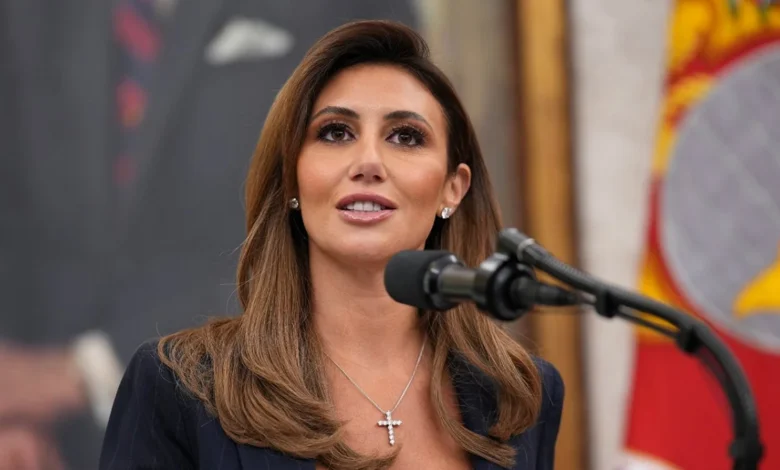
Alina Habba Mildon, a prominent attorney and former legal counsel to President Donald Trump, has had her four-year, $50 million consulting contract terminated by Concord Partners. The decision to sever ties with the high-profile lawyer followed direct public and private pressure from President Trump, who labeled the financial arrangement as "obnoxious and outrageous." The termination marks a significant development in the intersection of private legal consulting, high-stakes corporate interests, and presidential influence.
Concord Partners, a Florida-based entity established by Isabela Herrera, daughter of the Venezuelan billionaire and banker Julio Herrera Velutini, cited a "failure to perform duties" in a formal termination notice dated November 4. The contract, which had already yielded approximately $14.5 million to Habba Mildon—including an $8 million signing bonus and $6.5 million in subsequent payments—was intended to span four years, but concluded abruptly following the President’s vocal disapproval.
A Chronology of the Dispute
The relationship between Habba Mildon and Concord Partners began to draw public scrutiny due to the proximity between her hiring and the legal status of the company founder’s father, Julio Herrera Velutini. The timeline of these events is central to the ongoing discourse surrounding the contract’s legitimacy:
- August 2025: Julio Herrera Velutini reaches a plea agreement regarding a misdemeanor campaign finance violation, effectively resolving federal charges that had previously involved allegations of bribery tied to the administration of the Governor of Puerto Rico.
- October 2025: While serving as the acting U.S. attorney for New Jersey, Habba Mildon signs the $50 million agreement with Concord Partners.
- January 15, 2026: President Trump grants a presidential pardon to Julio Herrera Velutini, just two weeks after Habba Mildon officially commenced her advisory role with his daughter’s company.
- October 21, 2026: In response to mounting public questions regarding the potential correlation between her contract and the presidential pardon, Habba Mildon posts a statement on X (formerly Twitter). She asserts that she was "never paid to secure a pardon" and had no involvement in discussions with the White House or the Department of Justice regarding the matter.
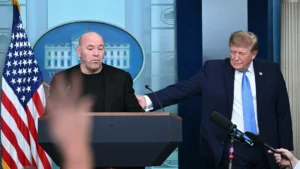
- October 31, 2026: President Trump publicly denounces the $50 million contract during a press briefing at Mar-a-Lago, characterizing the arrangement as unacceptable and stating that he had instructed those involved to cease payments.
- November 4, 2026: Concord Partners formally terminates the contract, citing a failure to perform duties.
The Dynamics of Presidential Intervention
The intervention by President Trump appears to have been the decisive factor in the company’s decision to terminate the agreement. During his remarks at the end of October, the President made his position clear to the media, stating, "I thought it was terrible. I told her, and I said, ‘I don’t want her paid.’"
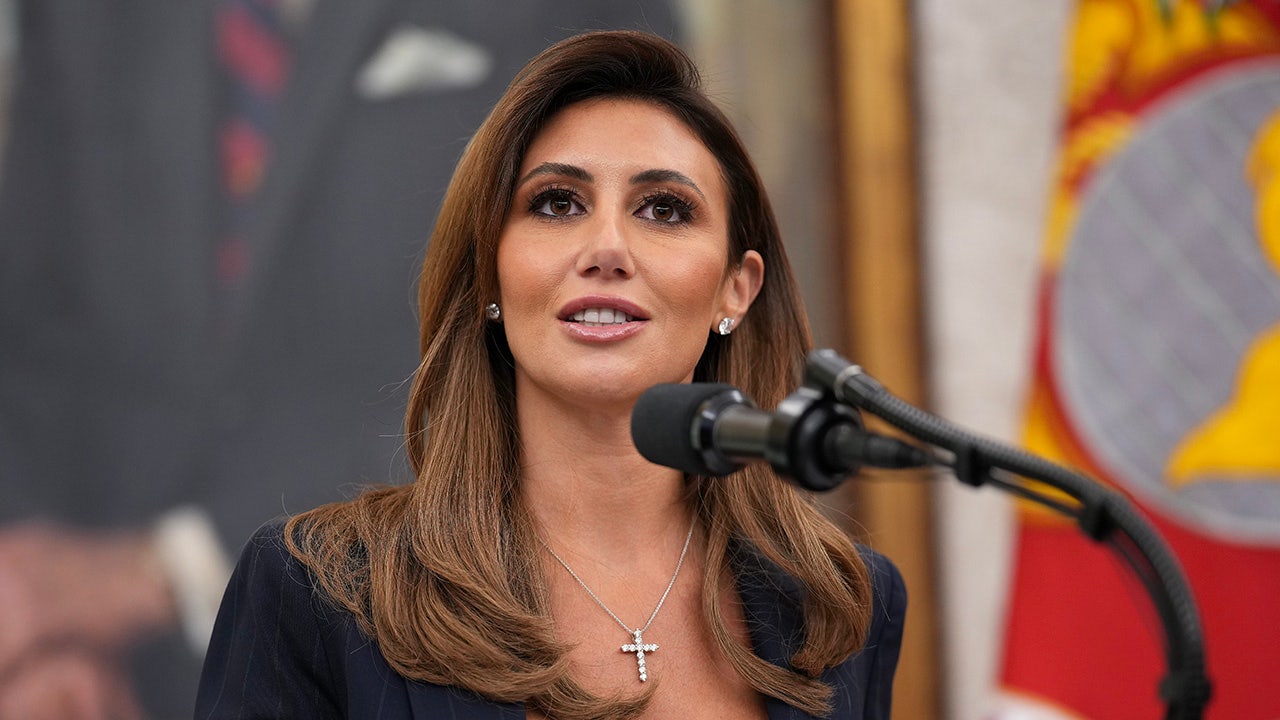
For many legal observers, the President’s public rebuke of a former personal attorney represents an unusual departure from standard administrative dynamics. By framing the compensation package as "not acceptable," the President effectively signaled that the optics of the contract were untenable for his administration. The fact that the termination occurred merely days after these comments suggests that Concord Partners prioritized maintaining favor with the White House over the fulfillment of the multi-year legal services agreement.
Contextualizing the Legal and Ethical Landscape
The scrutiny surrounding Habba Mildon’s contract is part of a broader conversation regarding the role of political figures and their associates in the private sector. The compensation package—reaching $50 million over four years—is significant by any legal industry standard. While legal consulting fees for high-profile cases can reach into the millions, the scale of this contract, coupled with the political associations of the parties involved, has invited intense oversight from watchdog groups and political opponents.
Habba Mildon, who has served as a White House Presidential Counselor and held the position of acting U.S. attorney for New Jersey, has consistently maintained that her professional duties were distinct from her personal affiliations. Her defense centers on the assertion that she was hired for her legal expertise, not for her proximity to the executive branch. However, the timing of the pardon remains the focal point of the controversy. Critics argue that the appearance of a conflict of interest is inherently damaging, regardless of whether a formal legal violation occurred.
Analysis of Financial Implications
The $14.5 million already disbursed to Habba Mildon remains a subject of potential future litigation. Employment contracts, particularly those involving high-level advisory roles, typically contain specific clauses regarding termination for cause. By citing "failure to perform duties," Concord Partners is likely attempting to establish a legal basis to prevent further payments and, potentially, to seek the recovery of portions of the $14.5 million already paid.
Whether the company pursues legal action to claw back these funds remains to be seen. In high-stakes corporate law, such disputes are frequently settled behind closed doors to avoid the public disclosure of internal company communications and potential evidence that could further damage the reputation of all involved parties.

Broader Political Impact
This episode underscores the heightened sensitivity surrounding the influence of political insiders within the current administration. As the Department of Justice continues to investigate other figures within the President’s orbit—such as the recent inquiry into Corey Lewandowski—the administration faces a growing challenge in managing the public perception of ethics and financial transparency.
For Habba Mildon, the termination of the contract represents a significant setback in her professional portfolio. Her tenure in public office, particularly as an interim U.S. attorney, was characterized by high-profile assignments and a central role in the administration’s legal strategy. The sudden collapse of this private consulting deal forces a spotlight on the transition of former government officials into the private sector, an area that has long been a subject of ethical debate in Washington.
Official Responses and Future Outlook
To date, the White House has remained largely tight-lipped regarding the specifics of the President’s private conversations with the Herrera family, though the President’s public comments have served as the de facto official position. Spokespeople for the White House have not provided further details on whether similar interventions are planned for other associates holding private contracts.
Habba Mildon has not provided extensive follow-up comments beyond her initial denial on social media. Her legal team and the representatives for Concord Partners are expected to navigate the post-termination phase of their relationship through private legal channels.
As this story develops, it highlights a critical intersection of power, money, and accountability. The case of the Concord Partners contract serves as a case study in how public scrutiny, when combined with direct presidential intervention, can drastically alter the landscape of private enterprise. The long-term implications for Habba Mildon’s legal career and the potential for federal regulatory interest in the nature of these payments remain open questions that will likely continue to be addressed in the coming months.
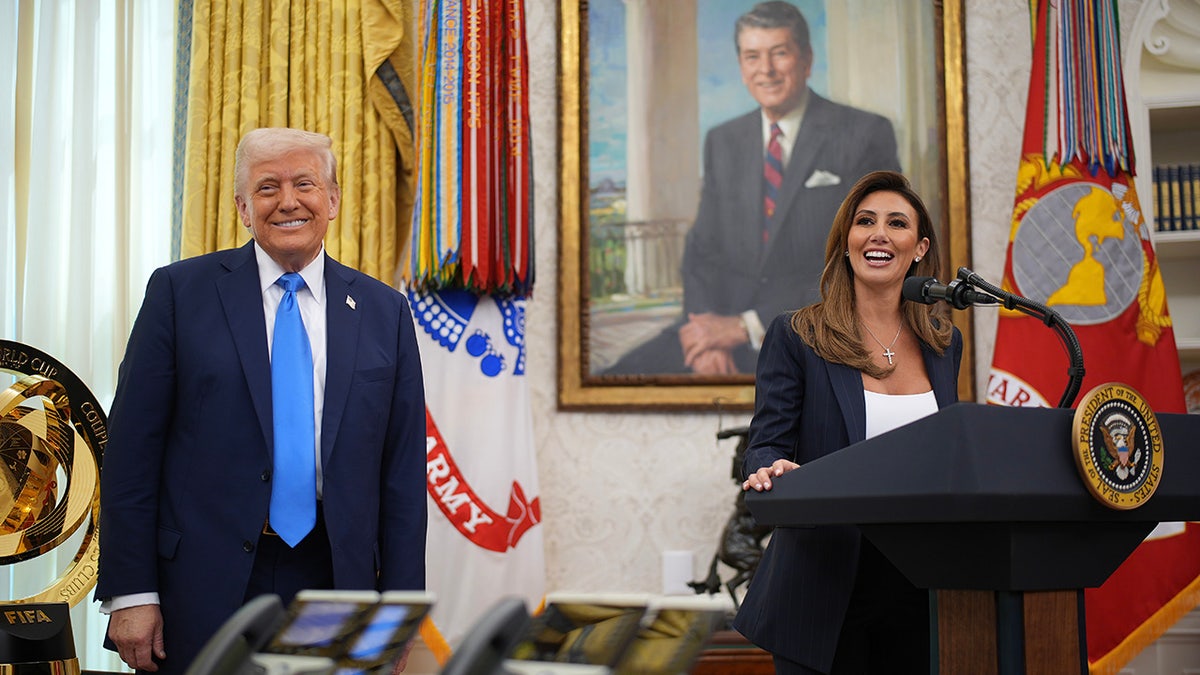
The political climate surrounding the administration’s associates suggests that the "optics" of financial arrangements will remain a high priority for the White House. Whether this move is viewed as a genuine effort to uphold ethical standards or a calculated attempt to distance the administration from potentially embarrassing associations, the outcome is a clear demonstration of the limits of influence for those connected to the President.
The incident also serves as a warning to other firms and consultants who may be considering similar high-value contracts with individuals connected to the current administration. In an environment where the President is willing to intervene publicly in the private contractual affairs of his associates, the risk profile of such arrangements has increased exponentially. As the administration continues its term, the transparency of these financial dealings will undoubtedly remain under the microscope of both the media and federal oversight bodies.