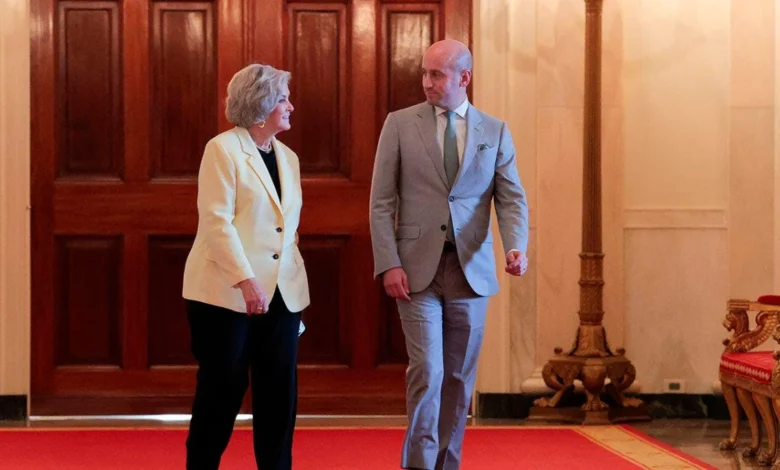
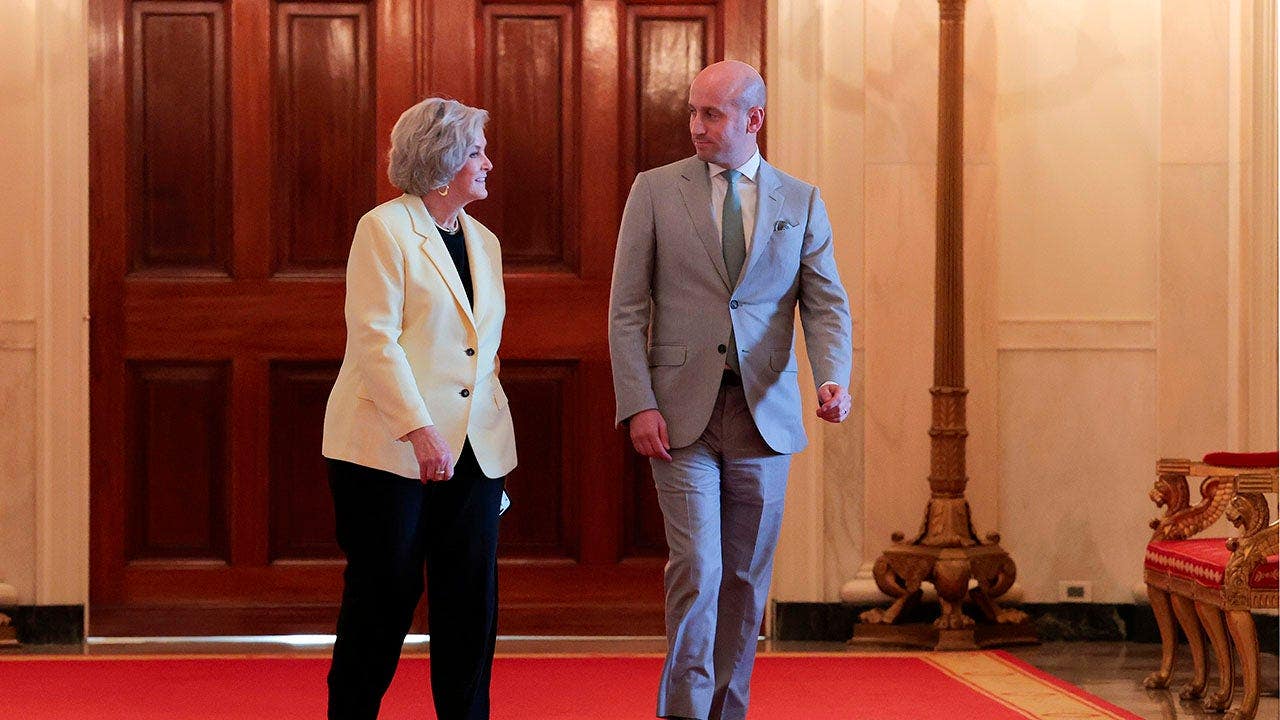
A sweeping administrative transition has taken hold at the White House this week, marking a departure from the communication strategies that defined the first two years of President Donald Trump’s second term. Under the direction of newly appointed Chief of Staff Stephen Miller, the administration is pivoting toward a decentralized messaging model. A formal internal memo circulated to staff outlines a strategic restructuring designed to grant Cabinet secretaries greater autonomy over their departments’ public narratives and operational communications. This shift signals a dismantling of the rigid, centralized oversight previously maintained by former Chief of Staff Susie Wiles, who was widely characterized by insiders as exercising tight, top-down control over virtually all administration messaging.
The directive, which was distributed by Miller’s office shortly after he assumed the role on Monday, frames the change as a mechanism to streamline the executive branch. By reclassifying the role of "Cabinet Secretary" to "Director of Cabinet Relations," the administration aims to pivot from a model of micromanagement to one of empowerment. The memo clarifies that this new office will focus on providing resources and tactical support to Cabinet heads, rather than acting as a gatekeeper for their public statements.
A Departure from the Wiles Era
For nearly two years, the administrative apparatus of the Trump White House was defined by the influence of Susie Wiles. According to sources familiar with the administration’s internal dynamics, Wiles employed a methodology centered on strict message discipline. This approach, while effective at maintaining a unified front, created a culture of extreme caution among Cabinet leaders, who reportedly feared professional repercussions for deviating from pre-approved talking points.
Critics of the previous arrangement, including current administration officials, have described the atmosphere under Wiles as one governed by "prescriptive directives." One former official, speaking on the condition of anonymity, described the environment as one of “threat of duress,” where Cabinet secretaries were allegedly warned that any unauthorized public deviation would result in them being held responsible for political setbacks, such as midterm election losses. The shift under Miller is being viewed by many within the West Wing as a strategic reversal of this philosophy, intended to unleash the potential of department leaders who have historically struggled with the lack of direct communication channels.
The New Organizational Hierarchy
The memo issued by Miller’s office provides granular detail on how the administration intends to function moving forward. Beyond the changes in messaging policy, the document codifies a new reporting structure intended to eliminate the overlaps that frequently plagued the previous administration’s policy development process.

Key elements of the restructuring include:
- Renaming of the Cabinet Liaison: The transition from Cabinet Secretary to Director of Cabinet Relations indicates a shift in focus toward support rather than regulation.
- Centralized Scheduling Control: The Director of Presidential Scheduling and the Office of Presidential Scheduling will now report directly to Chamberlain Harris, the deputy director of outer oval operations.
- Policy Streamlining: Caleb Orr, a veteran of the State Department who previously served as assistant secretary of state for economic and business affairs, has been confirmed as the new chief of staff for policy.
- Elimination of Overlapping Portfolios: The memo explicitly states that the White House will operate through a clear policy process managed by the Deputy Chief of Staff for Policy and the National Security Advisor, aiming to prevent the "policy drift" that occurred when multiple departments claimed jurisdiction over single issues.
Strategic Implications and Political Analysis
Political analysts note that the move to empower Cabinet secretaries serves a dual purpose. First, it addresses the long-standing complaint from department heads that their expertise was being sidelined by White House staffers who were often less informed about the specific technical challenges of their respective agencies. By granting these leaders more control over their messaging, the President is signaling a return to a more traditional Cabinet-style government.
Second, the move is a pragmatic acknowledgment of the scale of the federal government. Managing the modern American administrative state through a single, narrow bottleneck—as was the case under the previous regime—is increasingly viewed as an impossible task. By decentralizing, Miller is betting that he can increase the administration’s "velocity of action." If department heads are free to advocate for their policies and defend their agencies without waiting for approval from a central communications hub, the administration may be able to respond more rapidly to emerging crises and legislative opportunities.

However, this strategy carries inherent risks. Decentralization can lead to message fragmentation, where different Cabinet departments might inadvertently contradict one another, creating opportunities for political opponents to exploit perceived chaos. The success of Miller’s plan will depend heavily on whether the newly empowered secretaries can maintain alignment with the President’s core agenda without the constant supervision that characterized the Wiles era.
Chronology of the Transition
The rapid implementation of these changes follows a period of intense scrutiny over the administration’s communication failures. In early 2026, the White House faced a series of public disputes, including a high-profile tension between the administration and major media outlets regarding the coverage of internal staffing changes.
- January 2026: Stephen Miller takes on a more prominent advisory role, signaling potential changes in the administrative flow.
- March 2026: Tensions regarding the influence of Susie Wiles reach a boiling point, with public reports detailing the "chokehold" on communications.
- May 2026: A series of Cabinet meetings suggests that the administration is beginning to seek more independent input from agency heads.
- Late 2026: Following a series of personnel departures—including the exit of Deputy Chief of Staff Richard Walters—Miller officially transitions into the role of Chief of Staff, leading to the immediate publication of the reform memo.
Reaction and Official Response
The transition has been met with cautious optimism by proponents of a more aggressive, policy-focused administration. Supporters argue that Miller’s background as a long-time policy architect makes him uniquely suited to manage the complex, often conflicting interests of various Cabinet agencies.

"It’s really smart to be making these moves quite clear," one source close to the administration remarked. "It reflects well on Miller and his team. They are recognizing that you cannot possibly micromanage an organization of this size and that it is better to trust and invest in a support system that elevates the people closest to the issues."
While the administration has moved quickly to solidify these changes, the transition has not been without friction. The threats of "consequences" directed at media organizations that reported on the previous management style highlight the sensitivity of these internal power shifts. As of the time of publication, Susie Wiles has not responded to inquiries regarding the restructuring or the criticism of her management tenure.
Broader Impact on the Executive Branch
The long-term impact of this shift remains to be seen, but it represents one of the most significant internal reorganizations of the second Trump term. By shifting the focus of the White House toward being a "support system" for the Cabinet, Miller is attempting to pivot away from the defensive, reactive posture that many argue hindered the administration’s legislative agenda in the past.
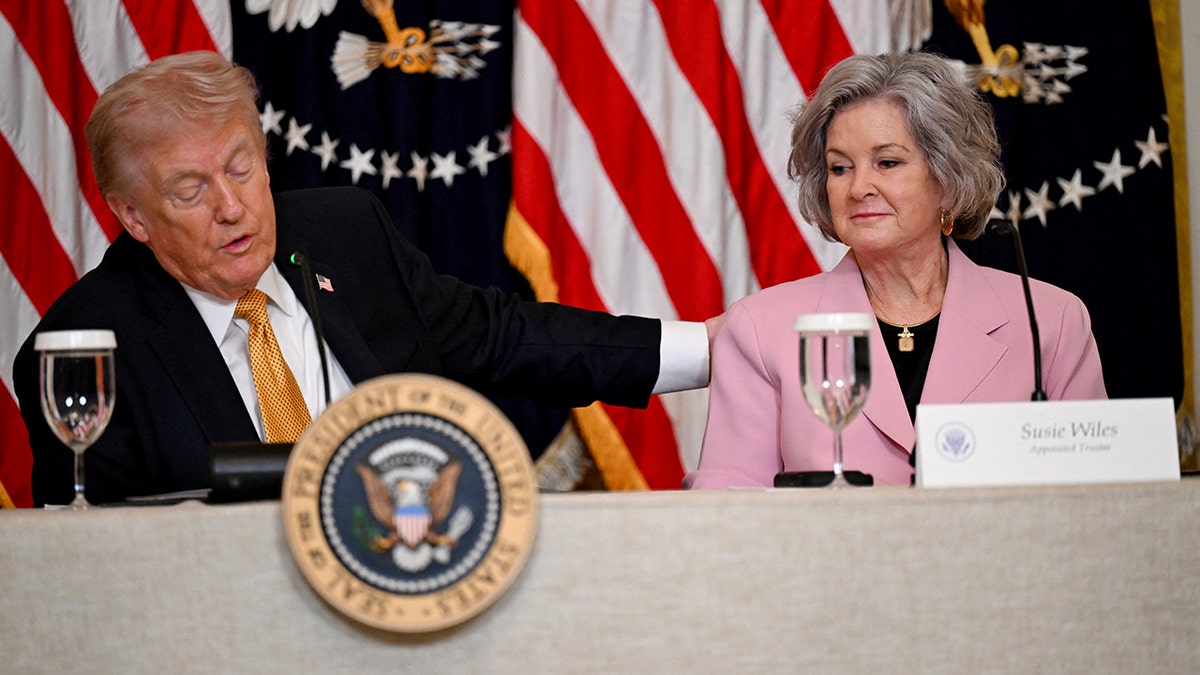
For the American public, this may result in more frequent, direct communication from agencies like the Department of Justice, the Department of Energy, or the Department of Health and Human Services. Whether this translates into more efficient governance or a more fragmented public image will likely become the primary metric by which Miller’s tenure as Chief of Staff is judged. As the administration enters this new era, the focus remains on whether this structural flexibility will allow the President to deliver the "swift, critical, and lasting wins" promised in the Miller memo, or if the loss of centralized control will create new vulnerabilities in an already volatile political landscape.