
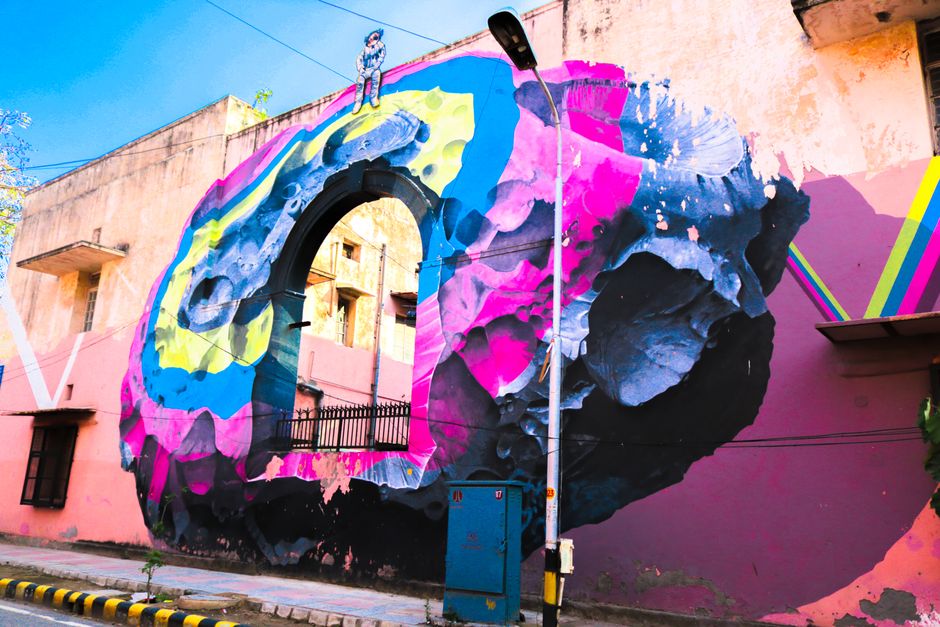
Art Special 2024: The New Vocabulary of Street Art in India
The urban canvases of India are undergoing a radical transformation, birthing a vibrant and dynamic new vocabulary in street art. Beyond mere graffiti, this evolving movement in 2024 reflects a sophisticated interplay of artistic expression, social commentary, cultural reclamation, and technological integration. Gone are the days of rudimentary tags; today’s Indian street art scene is characterized by intricate murals, thought-provoking installations, and digital augmentations that speak to a nation grappling with rapid modernization, historical narratives, and environmental consciousness. This new lexicon is not confined to paint and spray cans; it encompasses a spectrum of mediums, from stencils and wheatpastes to yarn bombing and light projections, each element contributing to a richer, more layered artistic language that resonates with a diverse and increasingly engaged public. The themes explored are equally varied, ranging from ancestral traditions and mythological figures reinterpreted through a contemporary lens, to pressing issues like climate change, gender equality, and the socio-economic disparities shaping Indian society. This artistic evolution is driven by a generation of artists who are not only technically skilled but also acutely aware of their role as cultural commentators and storytellers, utilizing public spaces as galleries to initiate dialogues and foster a sense of collective identity.
One of the most striking shifts in the new vocabulary of Indian street art is the deep integration of traditional Indian art forms. Artists are no longer solely borrowing from Western graffiti aesthetics; instead, they are consciously weaving in elements of Madhubani paintings, Warli art, Kalamkari, Gond art, and even Mughal miniatures. This is not a simple imitation but a sophisticated hybridization, where ancient motifs and color palettes are reimagined with spray cans and modern techniques. For instance, a colossal mural in Mumbai might feature a contemporary interpretation of a Hindu deity, rendered with the bold lines and earthy tones characteristic of Gond art, but executed with the scale and dynamic composition of a modern mural. This fusion serves multiple purposes: it anchors the street art movement in its cultural roots, making it more accessible and relatable to a wider Indian audience, while simultaneously elevating these traditional forms to a global contemporary art stage. It’s a reclamation of heritage, presenting it not as a relic of the past, but as a living, breathing entity capable of engaging with the complexities of the 21st century. This trend allows for a potent blend of the familiar and the unexpected, sparking curiosity and pride in local artistic traditions. The visual language becomes instantly recognizable yet refreshingly novel, fostering a unique Indian identity within the global street art movement.
Furthermore, the new vocabulary is increasingly vocal about social and political issues, utilizing public walls as platforms for activism and awareness. Climate change is a recurring motif, with artists depicting the fragility of ecosystems, the impact of pollution, and the urgent need for sustainable practices. Murals might illustrate melting glaciers, endangered species, or the devastating consequences of unchecked industrialization. Gender equality and women’s empowerment are also prominent themes, with artists creating powerful portraits of resilient women, challenging patriarchal norms, and advocating for equal rights. The socio-economic divide is another area of intense focus, with works highlighting the struggles of marginalized communities, the plight of migrant workers, and the stark realities of poverty in rapidly urbanizing India. This socially conscious street art acts as a visual newspaper, reporting on the nation’s challenges and aspirations. It bypasses censorship and traditional media gatekeepers, directly engaging with the public in their everyday spaces. The boldness of these messages, combined with the arresting visuals, creates an immediate and undeniable impact, prompting reflection and potentially inspiring collective action. This is street art as a form of public service, a democratic art form that gives voice to the voiceless and sparks crucial conversations.
The rise of digital and interactive elements represents another significant advancement in the new vocabulary of Indian street art. Augmented Reality (AR) is being seamlessly integrated into murals, allowing viewers to point their smartphones at a piece and unlock hidden animations, additional layers of information, or even interactive games. This creates a multi-dimensional experience, transforming static artworks into dynamic narratives. Projection mapping is also gaining traction, with artists using light and video to project ephemeral artworks onto buildings, creating stunning, temporary spectacles that engage audiences at night. This technological integration not only pushes the boundaries of artistic creation but also democratizes access to art, making it more engaging and accessible to a younger, tech-savvy demographic. It bridges the gap between the physical and digital realms, offering a glimpse into the future of public art. This innovative use of technology broadens the appeal of street art, attracting new audiences and fostering a more immersive and personalized artistic encounter. It transforms passive observation into active participation, fostering a deeper connection with the artwork and its underlying message.
The concept of "place-making" is central to the contemporary Indian street art scene. Artists are not just decorating walls; they are actively engaging with the specific context of their chosen locations. A mural in a bustling market might reflect the energy and commerce of that area, while a piece in a quiet residential neighborhood could explore themes of community and domestic life. This site-specific approach ensures that the art feels authentic and relevant to the people who live and work there, fostering a sense of ownership and belonging. Artists are collaborating with local communities, incorporating their stories and perspectives into their work, thereby creating art that is truly by and for the people. This collaborative spirit extends to urban regeneration projects, where street art is used to revitalize neglected public spaces, transforming them into vibrant cultural hubs. The urban landscape becomes a living gallery, with each piece telling a story specific to its environment, fostering a deeper understanding and appreciation of the local identity. This intentionality imbues the art with a profound sense of purpose, making it an integral part of the urban fabric.
The internationalization of Indian street art is also contributing to its evolving vocabulary. Indian artists are increasingly participating in global street art festivals and collaborating with international artists, bringing new influences and perspectives to the scene. Conversely, the unique aesthetic and thematic concerns of Indian street art are gaining international recognition, with artists being invited to showcase their work in galleries and public spaces around the world. This cross-pollination of ideas is enriching the artistic dialogue, leading to a more diverse and globally conscious street art movement in India. The exchange of techniques, styles, and conceptual approaches broadens the artistic horizon, fostering a dynamic and ever-expanding creative ecosystem. This global dialogue ensures that Indian street art remains at the forefront of innovation, constantly pushing its boundaries and redefining its identity on a world stage. The infusion of diverse artistic sensibilities enriches the local scene, creating a vibrant tapestry of influences that speak to a globalized world.
The materials and techniques employed are also diversifying. Beyond spray paint and acrylics, artists are experimenting with a wider range of mediums. Wheatpasting, a technique of adhering paper posters to walls, allows for intricate detail and portability, enabling artists to create complex narratives that can be easily reproduced and disseminated. Stenciling, with its precision and reproducibility, is another popular method for delivering potent messages. Yarn bombing, the practice of covering public objects with knitted or crocheted material, adds a softer, more textural dimension to the urban landscape, often bringing a sense of whimsy and community engagement. Mosaic art is also making a comeback, with artists utilizing broken tiles and glass to create durable and visually striking pieces that interact with light and shadow. This experimentation with diverse materials and techniques demonstrates a sophisticated understanding of artistic possibilities and a desire to explore new aesthetic territories, further enriching the visual language of Indian street art. This conscious exploration of diverse mediums signifies a maturation of the art form, moving beyond convention to embrace a broader spectrum of creative expression and tactile engagement.
The role of digital platforms in disseminating and documenting this evolving vocabulary cannot be overstated. Social media, particularly Instagram, has become an indispensable tool for Indian street artists. It allows them to share their work with a global audience, connect with other artists, and build a following. Online communities and forums provide spaces for discussion, critique, and collaboration, fostering a sense of camaraderie and shared purpose within the art scene. Furthermore, digital archives and online galleries are playing a crucial role in preserving and showcasing the ephemeral nature of street art, ensuring its legacy for future generations. This digital presence amplifies the reach and impact of street art, transforming it from a localized phenomenon into a global conversation. The internet acts as a virtual gallery, extending the life and influence of artworks that might otherwise fade with time, ensuring their continued impact and accessibility. This digital infrastructure empowers artists, providing them with the tools to build their careers and connect with a global community of art enthusiasts.
The legal and ethical landscape surrounding street art in India is also an evolving aspect of its vocabulary. While some cities have embraced street art as a form of cultural expression and urban beautification, others still grapple with its legality, often conflating it with vandalism. However, there is a growing recognition of street art as a legitimate art form, with increased efforts to create designated art districts and foster dialogues between artists and local authorities. This evolving legal framework is crucial for the sustained growth and development of the street art scene, providing artists with the security and support they need to create and innovate. The ongoing negotiation between artistic freedom and public space regulation shapes how and where this new vocabulary can flourish, influencing its accessibility and its impact on the urban environment. This dynamic interplay between regulation and artistic expression defines the boundaries and possibilities of street art in the public sphere, influencing its evolution and its societal acceptance.
In conclusion, the new vocabulary of street art in India in 2024 is a complex, multi-layered, and rapidly evolving phenomenon. It is characterized by the sophisticated integration of traditional Indian art forms, a powerful voice for social and political commentary, innovative use of digital and interactive technologies, a deep engagement with place-making, a growing international presence, and a constant exploration of diverse materials and techniques. This vibrant movement is not merely decorative; it is a crucial form of cultural expression, a powerful tool for social change, and a testament to the creative spirit of a nation undergoing profound transformation. The ongoing dialogue between artists, communities, and authorities will continue to shape this dynamic lexicon, ensuring that Indian street art remains a vital and influential force in the global art landscape.

