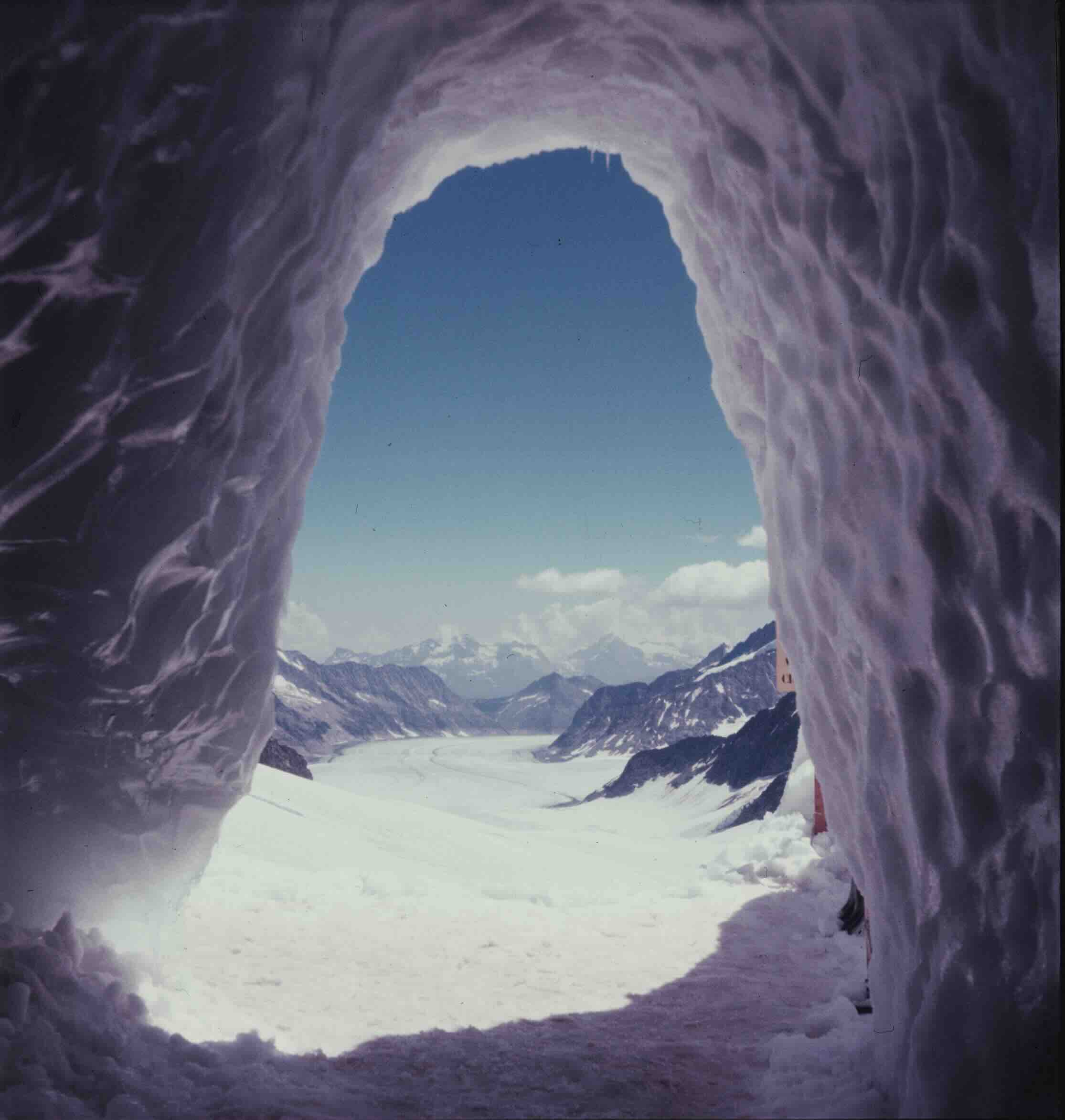
For the modern geographer and cryospheric scientist, the world is a map of shifting ice. The professional life of a researcher in this field is defined by an incessant traversal of continents, moving from the glacial remnants of East Africa to the receding ice fields of the Arctic and the high-altitude peaks of the Caucasus. While the global narrative of climate change often reduces glaciers to a singular, tragic story of uniform decline, recent fieldwork suggests a more nuanced reality. There are currently approximately 275,000 individual glaciers remaining worldwide. While the aggregate data points toward a catastrophic loss of mass and a significant contribution to sea-level rise, a granular analysis reveals that glaciers do not live identical lives. Instead, they are distinct entities shaped by local topography, microclimates, and regional human activity. By examining the specific life histories of glaciers in the Pacific Northwest, Azerbaijan, and Japan, it becomes clear that we are not witnessing one global collapse, but rather hundreds of thousands of individual stories of transformation that require a shift in perspective.
The Pacific Northwest: The Anomaly of Mount St. Helens
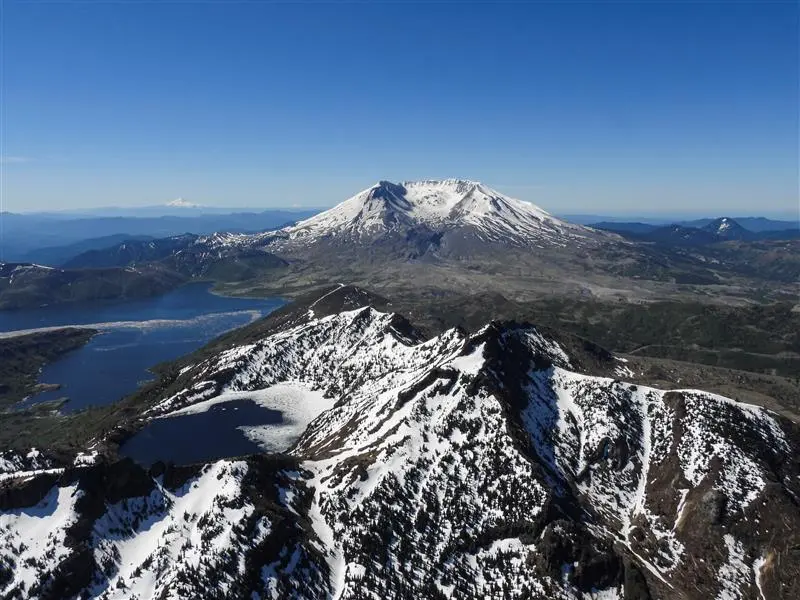
The most striking counter-narrative to the standard model of glacial retreat is found in the Cascade Range of the United States. Following the catastrophic eruption of Mount St. Helens on May 18, 1980, the mountain was transformed from a peak supporting 11 named glaciers into a shattered, horseshoe-shaped crater. The eruption destroyed roughly 70 percent of the mountain’s total ice volume, effectively erasing established glacial systems.
However, in the decades that followed, the crater’s unique geology—specifically its steep, shaded north-facing walls—facilitated the accumulation of snow. This snow, bolstered by frequent avalanches from the crater rim, began to compress and move. By September 1996, the accumulation had achieved the defining characteristic of a glacier: it began to flow. This new body of ice, now known as Crater Glacier, presents a rare example of a glacier expanding during a period of global warming.
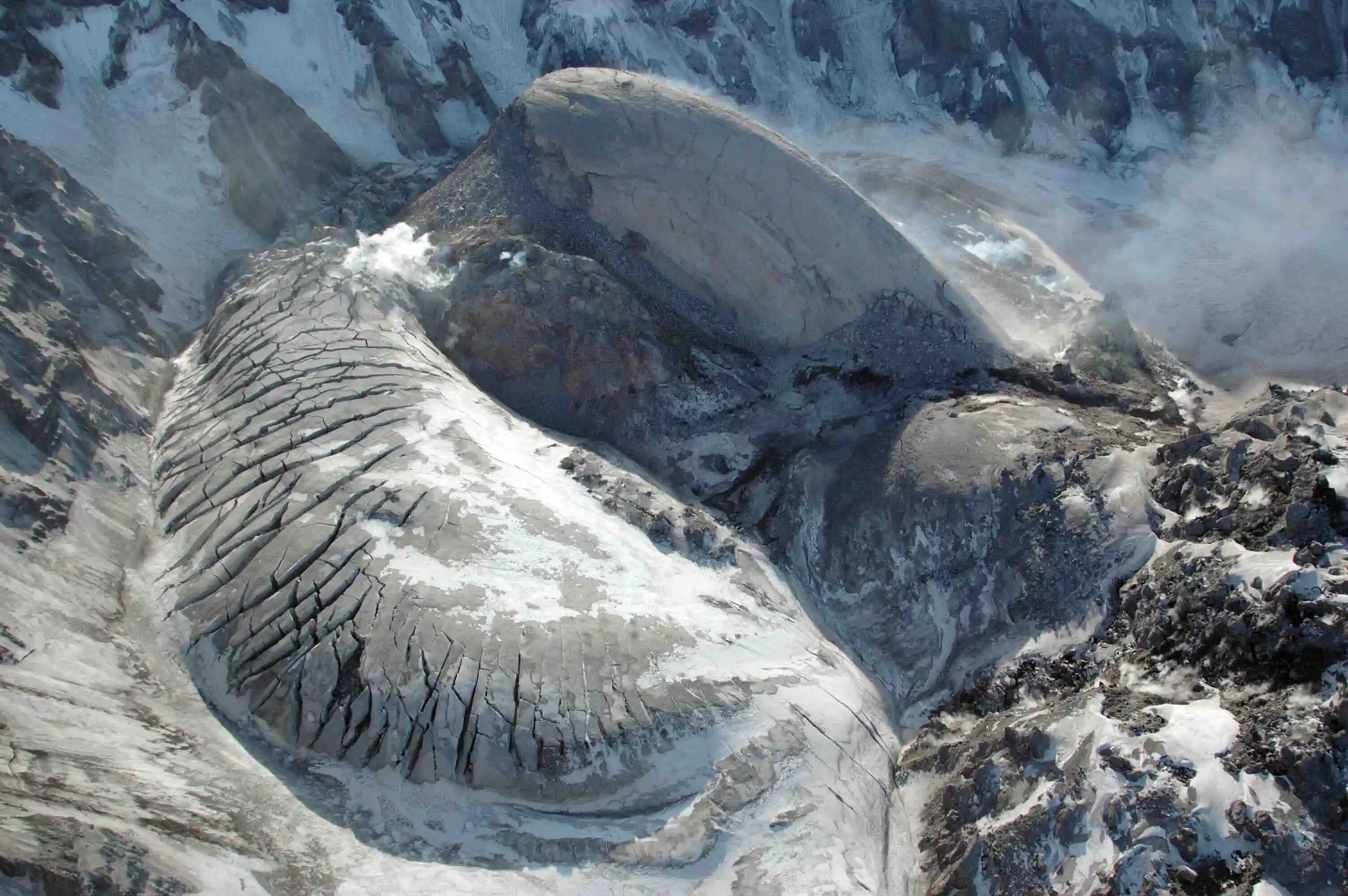
The glacier’s growth has been anything but conventional. In 2004, when the volcano began a new eruptive phase, a lava dome pushed up through the crater floor, directly into the glacier. This marked a rare geological event: the emplacement of a volcanic dome through active glacial ice. The glacier was split in two by the rising rock but, rather than dissipating, the ice deformed and thickened, flowing at rates of up to 60 centimeters per day. By 2009, the two arms of the glacier had rejoined around the dome. Between 2009 and 2019, the glacier gained an estimated 13.8 million cubic meters of ice. While experts note that the glacier’s advance is currently slowing and faces threats from rising summer temperatures, its existence serves as a critical reminder that local geological conditions can override broader climatic trends. The implication for local communities is significant; the presence of a large, moving mass of ice on an active volcano creates the potential for future lahars—destructive mudflows that pose risks to infrastructure and downstream settlements.
The Caucasus: Glaciers as Disappearing Reservoirs
In contrast to the growth seen in Washington state, the glaciers of the Caucasus region in Azerbaijan represent a more conventional, albeit urgent, narrative of loss. Between 2000 and 2020, Azerbaijan experienced a 77 percent reduction in total glacier area. Despite this precipitous decline, the subject remains largely absent from the public discourse in the region, where economic interests often prioritize energy production and international events over environmental shifts.
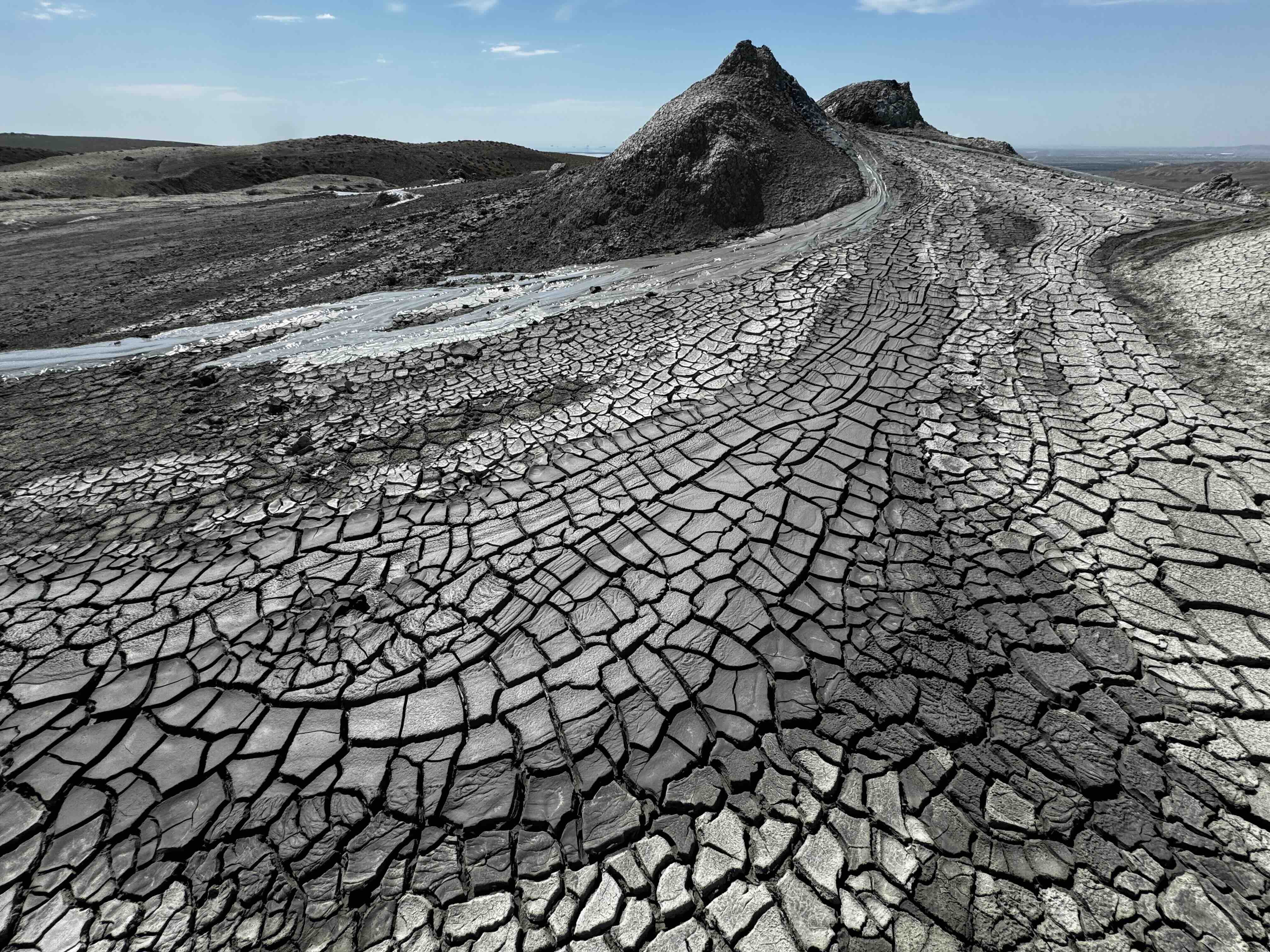
The scientific reality, however, is that these glaciers function as "natural water towers." Azerbaijan’s agriculture, particularly the production of wheat, fruit, and vegetables, is heavily dependent on a complex network of reservoirs and irrigation canals. For decades, these glaciers have provided a consistent, regulated supply of meltwater. As the ice melts at an accelerated rate, the immediate effect is an increase in discharge into rivers like the Mahmuddara. While this "peak water" phase may initially benefit local farmers through increased irrigation capacity, it is a finite resource. Once the glaciers reach a threshold of depletion, the downstream water supply will inevitably decline, potentially creating a crisis for a nation that has heavily increased its groundwater extraction since the turn of the millennium. The disappearance of these glaciers from the landscape is mirrored by their disappearance from the local conversation, a phenomenon that underscores the disconnect between hydrological reality and public policy.
Japan: Redefining the Boundaries of Glacierhood
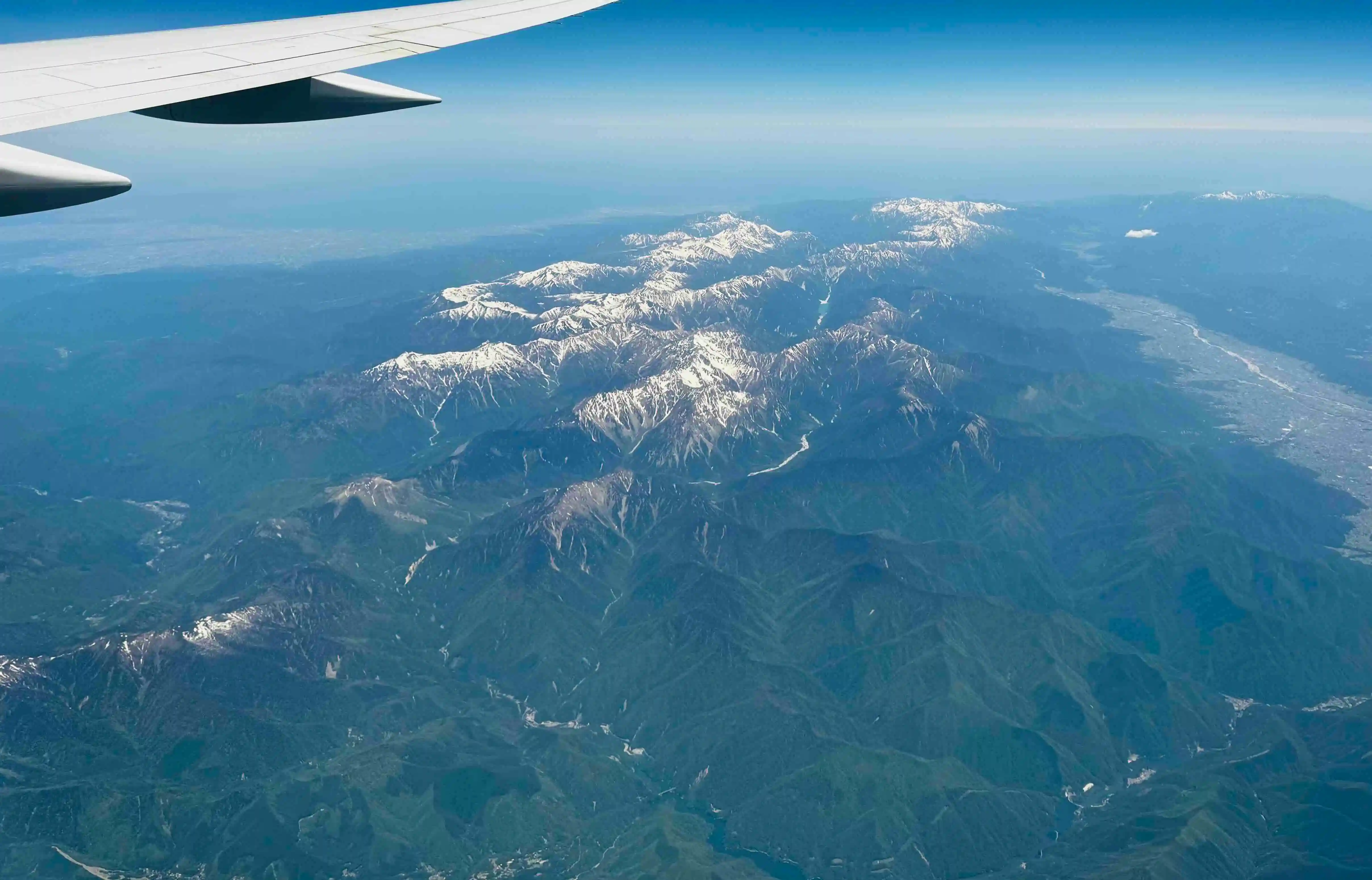
The case of the Kuranosuke Glacier in Japan’s northern Alps offers a different lesson: the importance of scientific observation in identifying what was previously overlooked. For years, the scientific community operated under the assumption that Japan, due to its relatively low altitude and warm maritime climate, did not possess active glaciers. It was assumed that the white patches observed on peaks like Mount Tateyama were merely perennial snow patches—static remnants of winter snow that failed to melt completely.
However, a shift in methodology, utilizing geodetic measurements and ground-penetrating radar, revealed that these features were not static. Researchers found that bodies of ice, including Kuranosuke, were indeed moving—albeit at a rate as slow as three centimeters per year. This discovery in the early 21st century formally reclassified these features as glaciers, adding them to the global tally. Yet, the classification is tenuous. As Japan faces rising temperatures, Kuranosuke is currently transitioning back into a state of stagnation, blurring the lines between a "living" glacier and a stationary snow patch.
The history of Kuranosuke is deeply intertwined with Japanese cultural heritage. The eighth-century poet Otomo no Yakamochi wrote of the "summer snow" of Mount Tateyama, characterizing it as a sacred and enduring presence. The fact that this ice has persisted for over 1,700 years speaks to the resilience of the local environment. Today, as that ice begins to fade, the cultural and environmental significance of the mountain remains, yet the physical reality is once again in flux.
Implications for Future Climate Research
The diverse trajectories of Crater Glacier, the Azerbaijani ice fields, and the Kuranosuke Glacier illustrate that the "global" story of climate change is built upon a foundation of localized variability. The implications for policymakers and the scientific community are twofold. First, the existence of "unexpected" glaciers—such as those discovered in Japan—suggests that there may be other micro-environments globally that act as refugia for ice, which have yet to be identified or properly studied. Second, the reliance of human civilizations on these glaciers for water security, as seen in Azerbaijan, requires a more proactive approach to water storage and management.
As the planet continues to warm, the reliance on glaciers as natural, unregulated water reservoirs is becoming an increasingly precarious strategy. The transition from "ice-based" water storage to human-engineered storage is a transition that will require significant investment and long-term planning. The stories of these three regions prove that the future of the cryosphere is neither linear nor predictable. While some glaciers are dissolving into history, others are defying expectations, and all are undergoing profound transformations. Understanding these individual histories is not merely an academic exercise; it is an essential step in preparing for a world where the water that was once held in ice must be captured, stored, and managed by human hands. The objective reality of our changing climate is not just a rise in temperatures, but a fundamental rewriting of the geography of our most essential resource.