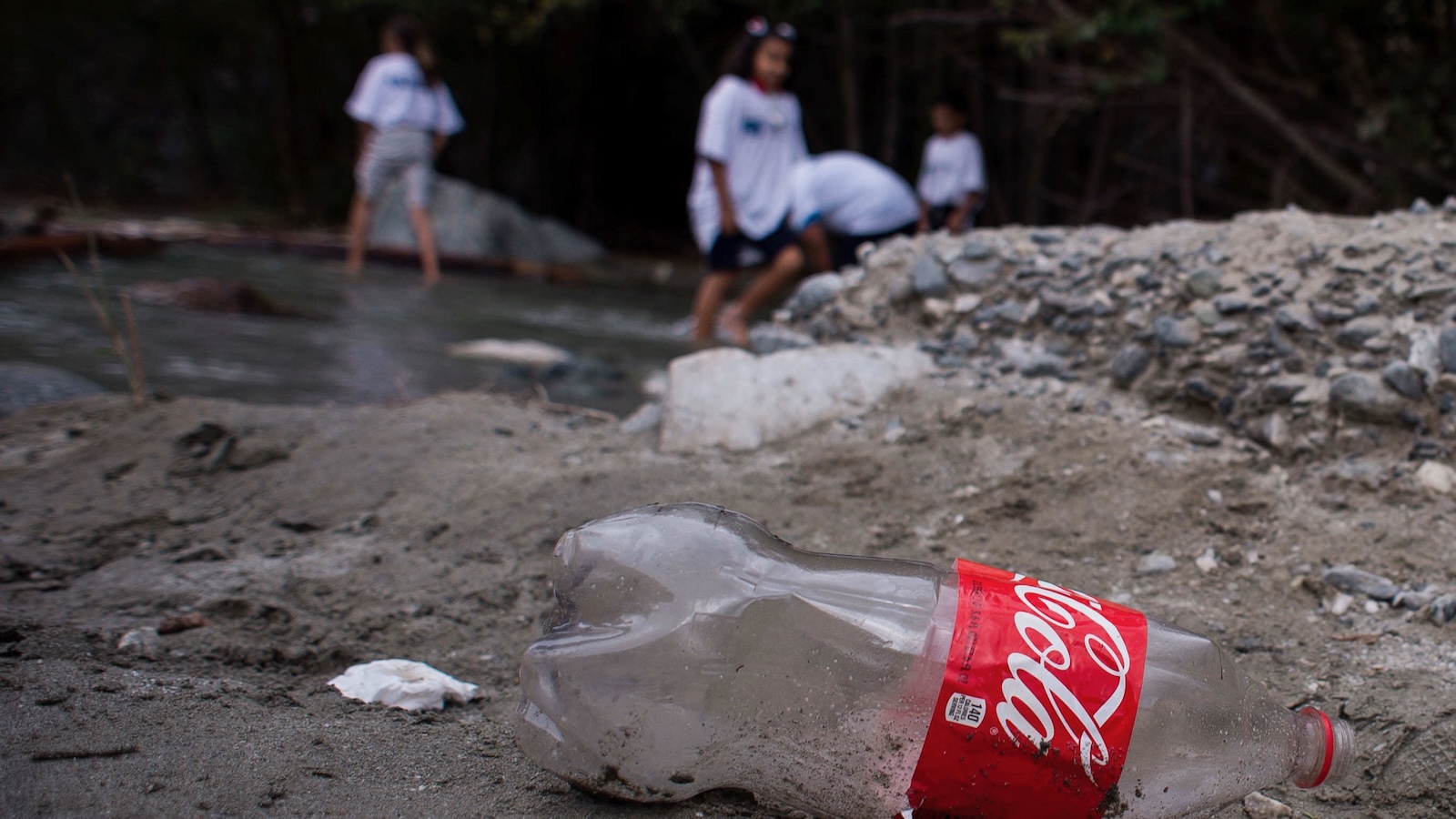
From the bustling harbors of Baltimore to the pristine coastlines of California, plastic waste has become an omnipresent feature of the American landscape. Streets, parks, and waterways are frequently marred by discarded bottles and packaging, many bearing the unmistakable red-and-blue insignia of PepsiCo or the iconic flowing script of Coca-Cola. For years, local governments have grappled with the mounting fiscal burden of waste management, leading a wave of municipalities to test a bold legal strategy: utilizing public nuisance lawsuits to hold these multinational corporations financially accountable for the pollution their products create. However, a series of recent judicial rulings suggests that this strategy is hitting a formidable wall, forcing a national conversation about where consumer responsibility ends and corporate accountability begins.
The Judicial Roadblock: The Baltimore Precedent
The current legal landscape was significantly defined this summer by a ruling in a Baltimore circuit court. Judge Audrey J.S. Carrión dismissed a high-profile lawsuit filed by the city and county of Baltimore, which sought to recover costs associated with cleaning up plastic litter. The city’s argument rested on the premise that beverage giants were responsible for the ecological and financial fallout of their single-use plastic packaging.
Judge Carrión’s decision was stark in its clarity regarding the limits of current law. She ruled that companies "conducting lawful activities"—specifically the manufacturing and sale of beverages—cannot be held liable for public nuisance when third parties, such as consumers, misuse those products by littering. In the eyes of the court, the manufacturer’s legal obligation concludes at the point of sale. This reasoning mirrors similar outcomes in New York, Missouri, and California, where courts have consistently struggled to bridge the gap between a company’s product design and the subsequent unlawful behavior of individual litterers.
Historical Context and the Evolution of Public Nuisance Law
To understand the current tension, one must look to the origins of public nuisance law, which dates back to 13th-century English common law. Originally designed to protect rights shared by the public—such as the right to navigate a public road or breathe clean air—the doctrine has been stretched in the modern era to address systemic societal threats. Since the 1970s, plaintiffs have increasingly utilized this framework to target industries they believe jeopardize public health and safety.
The track record of this legal maneuver is decidedly mixed. Timothy Lytton, a professor at the Georgia State University College of Law, notes that while the industry has seen massive payouts in cases involving tobacco, opioids, and e-cigarettes, these results rarely stem from clear-cut judicial rulings in favor of public nuisance theories. Instead, they are typically the result of extensive, high-stakes settlements where corporations choose to mitigate long-term reputational risk rather than face the unpredictability of a jury trial. The challenge remains the concept of "causation"—the ability to prove that a defendant’s specific actions are the direct, proximate cause of a public harm when that harm is facilitated by the independent choices of millions of consumers.
The Foreseeability Argument
Despite the setbacks, environmental advocates are not retreating. They are shifting their focus to the concept of "foreseeability." The argument presented by organizations like the Earth Island Institute is that these corporations were not merely selling a product; they were knowingly fueling a global plastic crisis while being fully aware of the limitations of recycling infrastructure.
Supporting this argument is a growing body of evidence regarding industry knowledge. Investigations, including a recent report from the Los Angeles Times, have unearthed documents suggesting that industry scientists understood the risks of microplastics and the futility of plastic recycling as early as the 1970s. Plaintiffs contend that by marketing these products as "recyclable" or "sustainable" while knowing that the majority would end up in the environment, companies actively induced consumers to purchase items that would inevitably become a public nuisance. In the Baltimore complaint alone, the term "foreseeable" appears 22 times, underscoring the legal team’s intent to prove that the current state of pollution is an intended or at least expected consequence of the industry’s business model.
Supporting Data and Environmental Impact
The scale of the crisis is immense. According to data from the Environmental Protection Agency and various environmental watchdogs, the United States generates millions of tons of plastic waste annually, with a recycling rate that has historically struggled to stay above single digits for certain plastic types. The persistence of these materials in the environment—breaking down into microplastics that infiltrate water supplies and food chains—creates a long-term liability that cities argue they are ill-equipped to manage.
For municipalities, the costs are not just aesthetic; they are economic. Municipalities must invest in advanced filtration systems for storm drains, constant beach maintenance, and landfill expansion, all of which are funded by taxpayer dollars. When city councils look at the ledger, they see the brand names on the trash and argue that the "polluter pays" principle should apply. Conversely, industry representatives argue that such lawsuits threaten to upend the fundamental tenets of commerce. As seen in the appeal of the New York case, attorneys for the defense have argued that if a company were held liable for the post-consumer disposal of every item sold, the economic model of the modern consumer goods industry would be rendered unsustainable.
The Legislative Counter-Offensive
The legal battlefield is now expanding into the halls of state legislatures. Recognizing that public nuisance claims represent a systemic threat to their operations, several states have moved to preempt such litigation. Last year, Montana enacted a law that creates a "lawful activities" shield, effectively barring public nuisance lawsuits against companies that are acting within the scope of their regulatory permits. Kansas and Utah have followed suit, adopting similar language.
These legislative moves are not coincidental. Many of these bills are modeled after policies drafted by the American Legislative Exchange Council (ALEC), a conservative organization that promotes model legislation across state lines. This indicates a coordinated effort to secure a legal environment where companies are insulated from the growing trend of environmental litigation.

The Future of the Legal Strategy
As courts in California continue to weigh cases against giants like Exxon Mobil, legal experts are watching closely. California, known for its rigorous environmental statutes, has shown more willingness to allow these cases to proceed to trial compared to the more conservative rulings in the East. However, even in California, a trial does not equate to a victory. The summary judgment that previously dismissed Earth Island’s claims against several food and beverage giants serves as a cautionary tale for those who believe the courts will be the ultimate arbiter of plastic waste policy.
Looking ahead, legal scholars suggest that plaintiffs might pivot away from public nuisance entirely. By focusing on consumer protection laws, false advertising, and deceptive marketing—the same tactics that ultimately brought Big Tobacco to the negotiating table—environmental groups may find more success. These claims focus on the specific promises made to the public rather than the broader, more difficult-to-prove public nuisance argument.
Conclusion: A Shift in the Public Narrative
Even if these lawsuits fail to secure the multi-billion dollar clean-up funds that cities desire, they are achieving a different kind of success. By forcing the production of internal documents and bringing industry scientists to testify, these cases are shifting the public narrative. As Professor Lytton suggests, the act of filing these lawsuits is a storytelling exercise. It moves the conversation from the individual "litterbug" to the structural decisions made in corporate boardrooms.
The legal struggle over plastic pollution is, at its core, a debate about the social contract in the 21st century. Whether the solution lies in the courtroom, through federal regulation, or via technological innovation remains to be seen. For now, the streets of Baltimore and cities across the nation remain a testament to the fact that while the legal system may be struggling to assign blame, the physical reality of the plastic crisis continues to grow, ensuring that the issue will remain at the forefront of policy debates for years to come.