The 27-year-long drought currently gripping the Southwestern United States represents the most severe arid period in the region in over 1,200 years, forcing a radical reassessment of how water is managed, stored, and utilized across the Colorado River Basin. This massive hydrological system, which serves as a lifeline for 40 million people and supports a multi-billion-dollar agricultural industry, is experiencing a fundamental breakdown. As climate change accelerates the depletion of the Rocky Mountain snowpack—the source of approximately 80 percent of the river’s annual flow—and rising temperatures drive unprecedented evaporation rates across the basin’s 40 primary reservoirs, the very infrastructure built to guarantee water security is becoming a central point of failure.
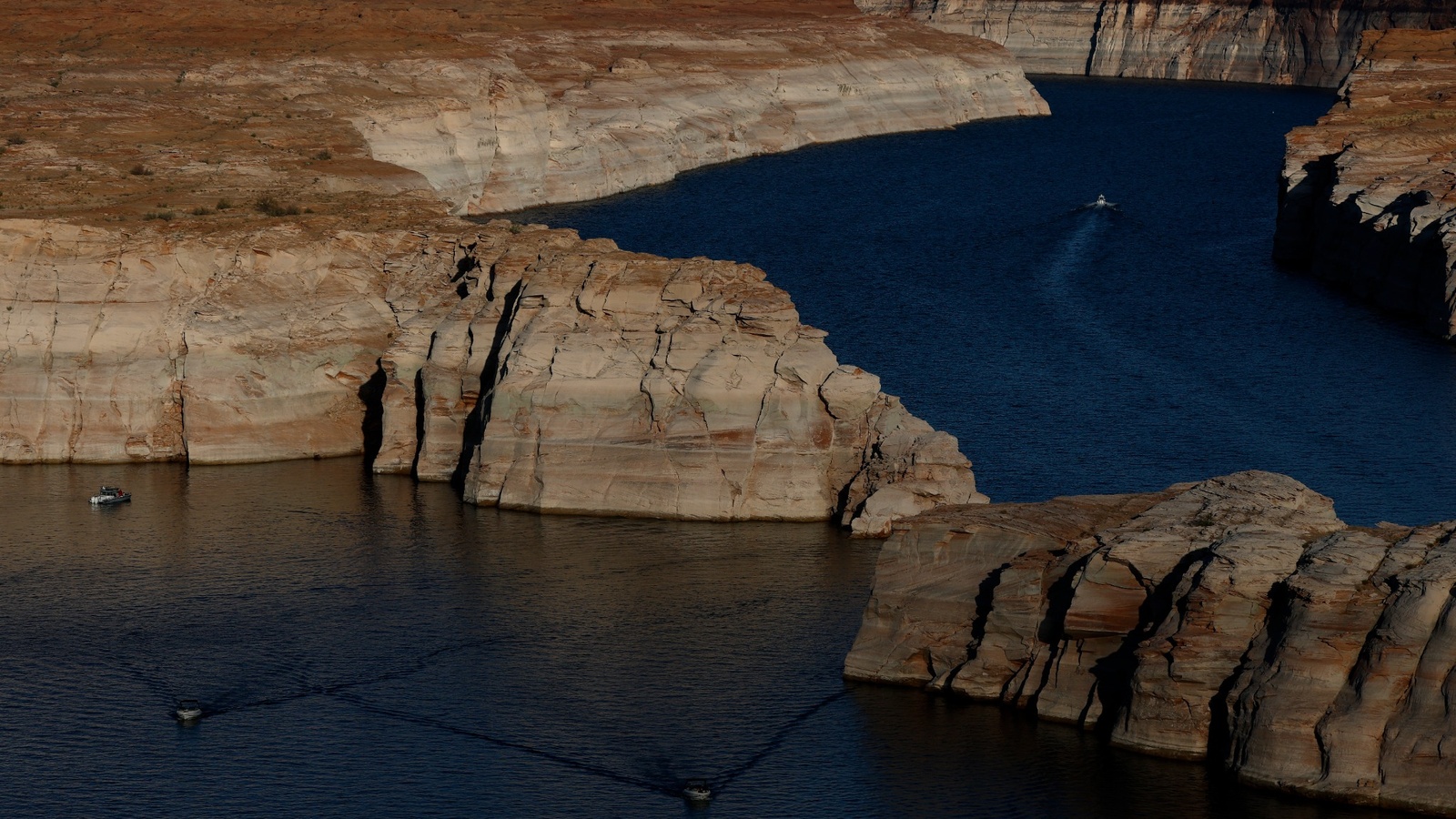
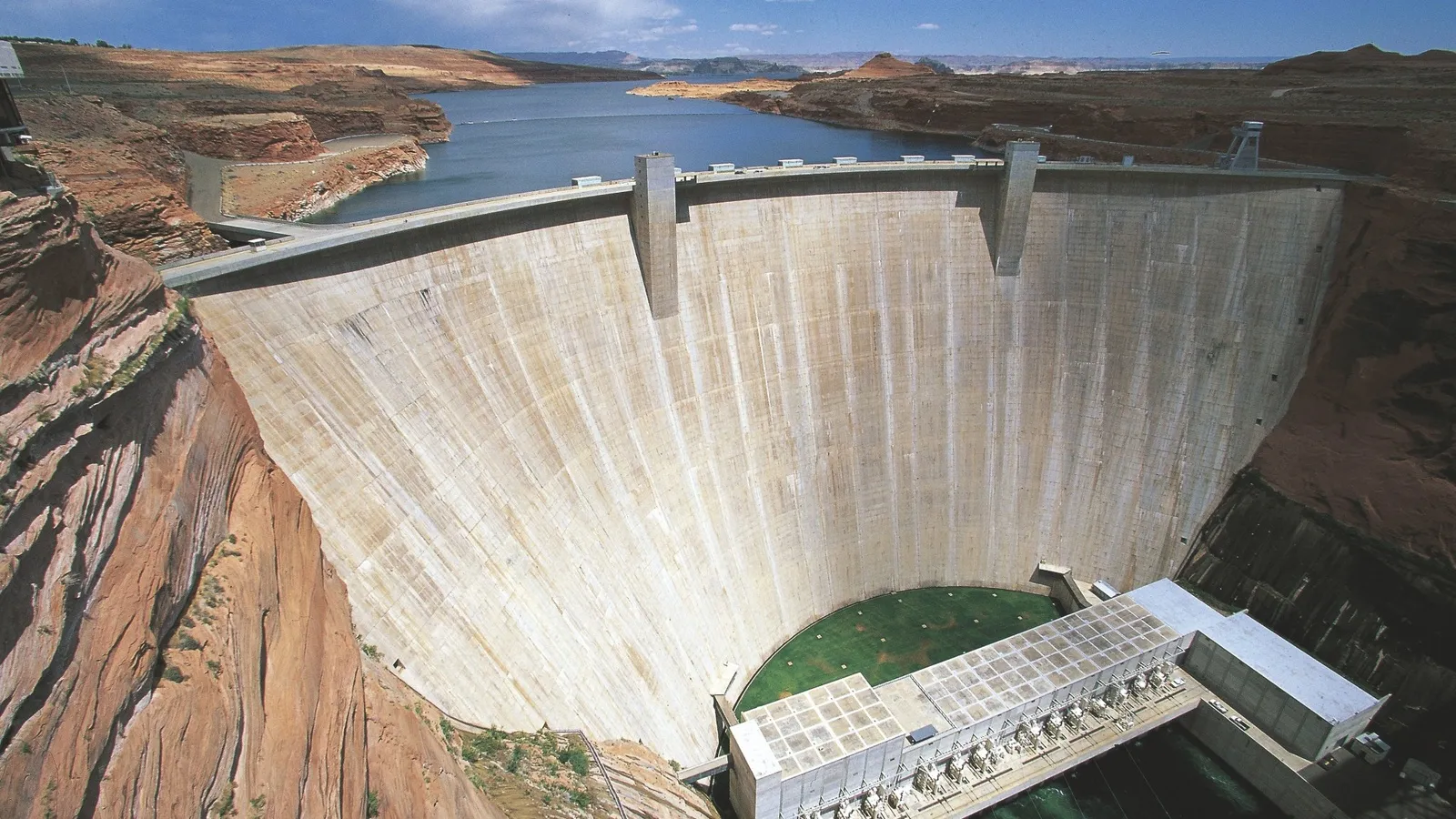
The gravity of the situation was underscored last month when Lake Powell, situated on the border of Utah and Arizona, plummeted to a historic low. The water level sits precariously close to the "dead pool" threshold, a critical point at which water would no longer be able to pass through the Glen Canyon Dam’s bypass tubes to reach Lake Mead, the nation’s largest reservoir located 300 miles downstream. The potential cessation of water flow between these two giants threatens to trigger a catastrophic collapse of water deliveries to the Lower Basin states of California, Nevada, and Arizona, while simultaneously crippling the hydropower generation that powers millions of homes.
A Chronology of Decline: From Engineering Marvel to Structural Liability
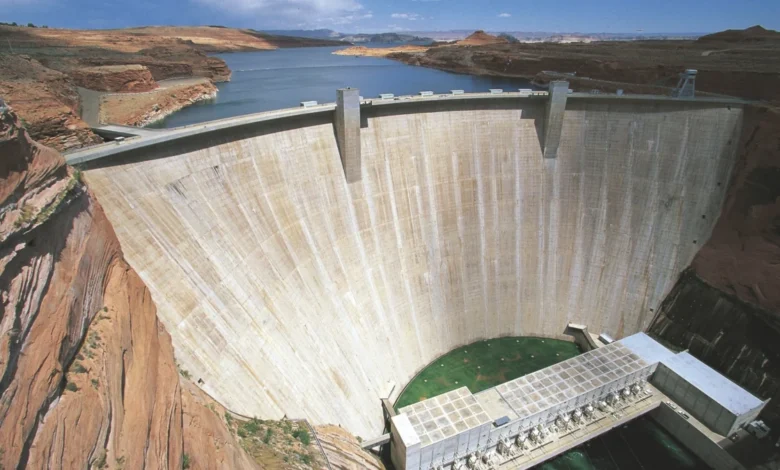
The Glen Canyon Dam was completed in 1963, a hallmark of mid-century engineering designed to tame the Colorado River. Proponents championed the project for its ability to provide cheap, carbon-free electricity and a steady supply of irrigation water for cotton and alfalfa farmers in the desert. However, the construction came at the cost of submerging Glen Canyon, a red-rock landscape of immense geological and spiritual significance that critics argued rivaled the Grand Canyon in splendor.
For decades, the dam operated as a reliable utility. However, the structural design of the dam is now being tested by a reality its creators never anticipated: a permanent, climate-driven reduction in river volume.
- 1963: The Glen Canyon Dam is completed, creating Lake Powell.
- 1997: The onset of the current 27-year drought begins, marking the start of a long-term decline in basin-wide water levels.
- 2024: The Biden administration issues emergency orders to curtail water deliveries, signaling the failure of previous management agreements to address the severity of the drought.
- 2025: The Bureau of Reclamation conducts emergency inspections and relining of the dam’s bypass tubes, acknowledging that the facility may soon rely on these secondary structures for basic operations.
- 2026 and beyond: Federal authorities begin to grapple with the reality that the "post-2026" management plan must move beyond temporary stopgaps.
The Engineering Crisis: The Threat of the Penstocks
The core of the current crisis lies in the dam’s physical architecture. The power generation turbines are fed by massive pipes known as penstocks, located at a specific elevation. If the lake level falls below the "minimum power pool," these penstocks will be left stranded above the water line, effectively ending hydropower production.

When this happens, the Bureau of Reclamation is forced to use low-level bypass tubes to release water. These tubes were never intended for continuous, long-term use. Experts warn that operating these structures at high capacity for extended periods could cause severe vibrations, internal scouring, and structural damage to the dam itself. Furthermore, the discharge capacity of these tubes is less than half that of the main penstocks, creating a severe bottleneck that complicates the legal requirements for water delivery to the Lower Basin and international obligations to Mexico.
The "Fill Mead First" Proposal: A Radical Shift in Strategy
In response to the diminishing utility of Lake Powell, a growing coalition of environmental groups and water policy experts, led by organizations like the Glen Canyon Institute, has championed a proposal known as "Fill Mead First." The strategy advocates for drilling new, permanent diversion tunnels near the riverbed to drain Lake Powell entirely, allowing water to flow directly into Lake Mead.
Proponents argue that the benefits are threefold. First, it would eliminate the massive evaporative losses—estimated at 11 percent of the lake’s annual volume—that occur when water is spread thin across the vast, shallow surface area of Lake Powell. Second, consolidating the water in Lake Mead would increase the hydrostatic pressure behind the Hoover Dam, enhancing the efficiency of its turbines. Third, the project would trigger an ecological restoration of Glen Canyon, allowing natural river processes to flush out sediment and bring back native riparian habitats, including cottonwoods, willows, and the return of species like the beaver and river otter.
Conflicting Interests and Economic Realities
The proposal to drain Lake Powell is not without fierce opposition. The town of Page, Arizona, has developed an economy heavily dependent on the reservoir, particularly its tourism and motorized boating industry. The BlueRibbon Coalition, which represents recreation interests, has argued against the plan, proposing instead a $40 billion infrastructure investment focused on desalination and advanced water reuse to keep the lake levels high.
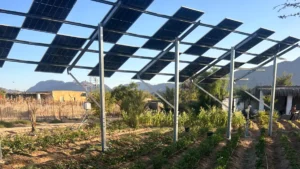
Furthermore, there is the matter of the power grid. The Glen Canyon Dam currently generates roughly 730 megawatts of electricity. While advocates of dam drainage suggest that this capacity could be replaced by modern solar installations—pointing to projects like the 690-megawatt Gemini solar plant—the transition would require significant capital investment and political willpower, both of which are currently in short supply at the federal level.
Broader Implications and Future Outlook
The decision of how to manage the Colorado River is no longer a matter of simple logistics; it is an existential question for the American West. As the Bureau of Reclamation finalizes its management plans for the next decade, the absence of radical solutions like the drainage of Lake Powell from official environmental impact statements has drawn criticism from those who believe the government is "kicking the can down the road."

Scientific analysis suggests that the river’s ecosystem is already in a state of flux. The elimination of natural spring flooding, combined with the current low-water conditions, has led to the loss of critical sandbars and beaches in the Grand Canyon—features that are vital for native fish habitat and recreational river use. Paradoxically, if Lake Powell were drained, the immediate result would be a surge of sediment and a potential influx of non-native fish species previously confined to the reservoir, creating new, complex management challenges.
"It is all a trade-off in this screwy manmade world," notes Jack Schmidt, director of the Center for Colorado River Studies at Utah State University. The reality is that the river has been fundamentally altered by 70 years of human intervention. Returning to a "natural" state is impossible, but maintaining the status quo is increasingly untenable.
As global temperatures continue to climb, the margin for error in the Colorado River Basin is shrinking. The debate over the future of the Glen Canyon Dam is merely the most visible manifestation of a much larger crisis. With agriculture falling, housing developments being stalled, and the federal government under pressure to mediate between desperate states, the consensus among observers is that the old management models have reached their limit. The question is no longer whether the system will change, but whether the necessary infrastructure and policy shifts can be implemented before the "road" runs out completely.