
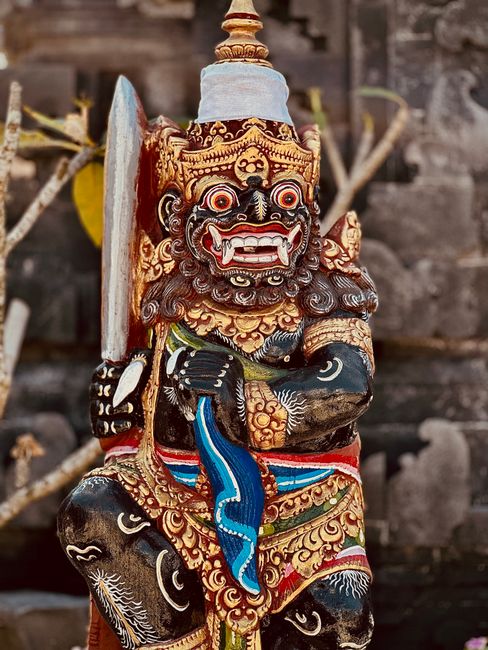
Category Mythology and Folklore: Unraveling Archetypes and Narratives Across Cultures
Category mythology and folklore represent a fundamental human endeavor: the creation and transmission of stories that explain the world, our place within it, and the unseen forces that shape our existence. These narratives, far from being mere quaint tales, are intricate systems of meaning, offering insights into a culture’s values, fears, aspirations, and societal structures. By examining shared archetypes and recurring thematic categories across diverse mythologies, we can uncover universal human concerns and the ingenious ways different societies have grappled with them. This exploration moves beyond simply cataloging individual myths to understanding the underlying frameworks and categorizations that give these stories their enduring power and relevance.
One of the most pervasive categories within mythology is the creation myth. These narratives provide an account of the origin of the universe, humanity, and all living things. They often begin with a state of primordial chaos, void, or an undifferentiated substance, from which the cosmos is subsequently ordered. Common motifs include the emergence of deities from this void, the separation of sky and earth, the formation of land and water, and the crafting of humanity from materials such as clay, dust, or divine breath. Examples abound: the Mesopotamian Enûma Eliš depicts the cosmos born from the battle between primordial sea deities, Tiamat and Apsu. The Judeo-Christian Genesis narrative presents a singular, omnipotent God creating the world through divine pronouncements. Indigenous Australian Dreamtime stories speak of ancestral beings who shaped the land through their journeys. These creation myths are crucial for establishing a culture’s worldview, defining its relationship with the divine, and instilling a sense of order and purpose in the face of an often overwhelming natural world. They answer the fundamental question of "where did we come from?" and, in doing so, provide a foundation for all subsequent narratives and societal understanding. The specific materials and processes involved often reflect the environmental realities and available technologies of the cultures that produced them, offering a tangible link between myth and material culture.
Another vital category is heroic narratives, which focus on the exploits of exceptional individuals who undertake extraordinary journeys, confront formidable challenges, and often embody societal ideals. These heroes are frequently set apart by divine lineage, supernatural abilities, or an unwavering moral compass. Their quests typically involve overcoming monstrous foes, navigating treacherous landscapes, and undergoing trials that test their courage, strength, and wisdom. The archetypal hero’s journey, as famously described by Joseph Campbell, involves a departure from the ordinary world, an initiation into a realm of trials and tribulations, and a triumphant return with a boon for their community. Think of Hercules with his twelve labors, Odysseus’s perilous voyage home, or the valiant knights of Arthurian legend. These stories serve to inspire, to provide role models, and to reinforce cultural values such as bravery, perseverance, loyalty, and sacrifice. They also often explore the duality of human nature, showcasing both the immense potential for greatness and the inherent vulnerabilities that even heroes must face. The antagonists in these myths, whether monsters, rivals, or internal demons, represent the obstacles that individuals and societies must overcome to achieve growth and progress. The success of the hero often signifies the triumph of order over chaos, of good over evil, or of civilization over barbarism.
The category of trickster figures is equally compelling, offering a different perspective on societal norms and challenging established power structures. Tricksters are often amoral or morally ambiguous beings who use cunning, wit, and deception to achieve their goals, frequently with unintended consequences. They can be benevolent, malevolent, or simply self-serving, blurring the lines between creator and destroyer, wise and foolish. Loki in Norse mythology, Anansi the spider in West African folklore, and Coyote in Native American traditions are prime examples. Tricksters often embody chaos and unpredictability, serving as agents of change or highlighting the absurdity and hypocrisy within a society. They can expose flaws in rigid systems, provoke laughter, and offer a necessary counterbalance to the solemnity of heroic narratives. Their actions, though sometimes disruptive, can ultimately lead to new orders or a deeper understanding of the world’s complexities. The inherent ambiguity of the trickster allows them to occupy a liminal space, reflecting humanity’s own capacity for both great good and great mischief. They are the embodiment of the unexpected, the disruptive force that keeps systems from becoming stagnant.
Eschatological myths, dealing with the end of the world or the final judgment, form another significant category. These narratives often reflect anxieties about societal decline, moral decay, or existential threats. They can offer warnings, prognosticate future events, and provide a framework for understanding human accountability. The Ragnarök in Norse mythology, where gods and giants clash in a cataclysmic battle that destroys the world, only to be reborn anew, is a prominent example. The Book of Revelation in the Christian Bible offers a complex vision of divine judgment and the ultimate triumph of good. These myths can serve to reinforce moral codes, encourage adherence to religious or societal laws, and offer solace by suggesting that even in destruction, there is often the promise of renewal and a just cosmic order. They provide a framework for understanding the cyclical nature of existence, where endings pave the way for new beginnings. The imagery employed in these myths, often involving natural disasters, celestial phenomena, and divine interventions, reflects humanity’s deep-seated awareness of its own fragility and the powerful forces beyond its control.
Transformation myths explore the fluidity of identity and the constant process of change that characterizes both the natural world and human experience. These stories often involve beings who can alter their form, such as shapeshifters, or individuals who undergo profound personal metamorphoses. Myths of gods changing into animals to interact with mortals, or of humans being cursed to become beasts, fall into this category. Ovid’s Metamorphoses is a vast repository of such tales. These narratives highlight themes of adaptation, the blurring of boundaries between species, and the psychological implications of change. They can also serve to explain natural phenomena, such as why certain animals possess specific characteristics, or to explore the inherent mutability of existence. The ability to transform can symbolize freedom, power, or a loss of control, depending on the context of the myth. These stories often delve into the anxieties and possibilities associated with shedding one identity and embracing another, reflecting a fundamental aspect of life itself.
The category of fertility and nature myths is deeply rooted in humanity’s reliance on the natural world for survival. These myths often personify natural forces such as the sun, moon, rain, and earth, and explore the cycles of growth, decay, and rebirth. Deities associated with agriculture, the seasons, and the bounty of the earth are central to these narratives. The Eleusinian Mysteries of ancient Greece, centered around the goddess Demeter and her daughter Persephone, illustrate the connection between the cyclical loss and return of Persephone and the annual cycle of vegetation. These myths offer explanations for agricultural success or failure, celebrate the generative power of nature, and foster a sense of reverence for the environment. They underscore humanity’s dependence on the rhythms of the natural world and the need for balance and respect in interacting with it. The rituals and festivals associated with these myths often served to appease the gods and ensure continued prosperity.
Underworld myths explore the realms of the dead, the afterlife, and the journeys souls undertake after death. These narratives offer a glimpse into a culture’s beliefs about mortality, judgment, and the spiritual consequences of one’s actions in life. The Greek Underworld with its rivers like the Styx, the Egyptian Duat, and the Norse Helheim are well-known examples. These myths can be terrifying, offering warnings against wrongdoing, or hopeful, providing a vision of a peaceful or just afterlife. They often feature guides or ferrymen who escort souls, and judges who determine their eternal fate. The concept of the underworld serves as a powerful metaphor for confronting the ultimate unknown and grappling with the finite nature of human existence. They also highlight the importance of cultural rituals and beliefs surrounding death and mourning, providing a structured way to process loss and maintain a connection with the departed.
Finally, cosmological myths go beyond simple creation stories to depict the structure of the universe, the relationships between celestial bodies, and the underlying principles that govern existence. These myths often reflect early scientific observations and attempts to understand the vastness and complexity of the cosmos. The World Tree (Yggdrasil) in Norse mythology, connecting different realms, or the ancient Egyptian cosmology with its sun god Ra sailing across the sky in a boat, are examples. These narratives provide a framework for understanding the celestial order, the movement of stars and planets, and humanity’s place within this grand design. They often imbue the cosmos with spiritual significance and demonstrate the human impulse to find order and meaning in the face of astronomical immensity. These myths are the precursors to scientific cosmology, showcasing the innate human curiosity about the universe and our persistent drive to map and comprehend it.
By categorizing myths and folklore in this manner, we gain a deeper appreciation for their multifaceted nature. These categories are not rigid boxes but fluid archetypal frameworks that allow for infinite variation and adaptation across cultures. The persistent recurrence of these thematic categories across geographically and temporally distinct societies speaks to their profound resonance with the human psyche, revealing universal concerns about origins, purpose, morality, and our ultimate fate. The study of category mythology and folklore, therefore, is not simply an academic pursuit; it is an exploration of the shared narrative inheritance of humanity, the enduring stories that continue to shape our understanding of ourselves and the world around us. Each category, in its own way, addresses fundamental questions that have occupied human minds since the dawn of consciousness, demonstrating the enduring power of narrative to organize experience, transmit knowledge, and forge collective identity.

