The cost of a data breach is a growing concern for businesses of all sizes. It’s not just about the financial impact, though that’s significant. Data breaches can damage your reputation, erode customer trust, and even lead to legal action.
Understanding the true cost of a data breach is crucial for any organization that wants to protect its data and its future.
From stolen credit card information to sensitive medical records, the types of data breaches are varied and the consequences can be devastating. The financial impact of a data breach can include direct costs like legal fees, regulatory fines, and incident response expenses.
But the indirect costs can be even more significant, including lost revenue, reputational damage, and customer churn. The cost of a data breach is a complex issue, and it’s one that every organization needs to take seriously.
The Scope of Data Breaches
Data breaches are a significant threat to individuals and organizations alike, impacting everything from personal privacy to financial security. Understanding the various types of data breaches, their impact, and the methods used by attackers is crucial for effective cybersecurity strategies.
Types of Data Breaches
Data breaches can be categorized based on the type of data compromised and the methods used to access it. Here are some common types:
- Data Theft:This involves the unauthorized access and exfiltration of sensitive information, such as personal details, financial data, or intellectual property. For example, a recent breach at a major retailer exposed millions of customer credit card numbers.
- Data Manipulation:This refers to the alteration or modification of data without authorization. A common example is the manipulation of financial records for fraudulent purposes.
- Data Deletion:This involves the intentional or accidental removal of data, making it inaccessible. This can occur due to malicious attacks or system failures.
- Data Disclosure:This type of breach involves the unauthorized release of confidential information, such as customer lists or trade secrets. A recent example involved the accidental disclosure of employee data by a government agency.
Industries Most Susceptible to Data Breaches
Certain industries are more prone to data breaches due to the nature of their data and the security measures they employ.
- Healthcare:The healthcare industry handles sensitive patient information, including medical records and insurance details, making it a prime target for attackers. According to a recent report by the Ponemon Institute, the average cost of a data breach in healthcare is $10.1 million.
- Financial Services:Financial institutions store vast amounts of sensitive financial data, such as account numbers, credit card information, and investment details. These institutions are constantly under attack, with the average cost of a data breach exceeding $5 million.
- Retail:Retailers handle a large volume of customer data, including personal information, purchase history, and payment details. Breaches in this sector can lead to significant financial losses and reputational damage.
Common Methods Used by Attackers
Attackers employ various methods to breach data security, each with its own characteristics and challenges.
- Phishing:Attackers use deceptive emails or messages to trick users into revealing sensitive information or downloading malware.
- Malware:Malicious software designed to steal data, disrupt systems, or gain unauthorized access. This can include viruses, worms, ransomware, and trojans.
- Social Engineering:Attackers manipulate people into providing access to systems or data through psychological tactics.
- Denial-of-Service (DoS) Attacks:Attackers overwhelm a system with traffic, making it unavailable to legitimate users.
- SQL Injection:Attackers exploit vulnerabilities in web applications to gain unauthorized access to databases.
Financial Impact of Data Breaches
Data breaches are not just a technological issue; they have profound financial consequences for organizations. The cost of a data breach goes far beyond the immediate expenses of incident response. It encompasses a wide range of direct and indirect costs that can significantly impact an organization’s bottom line.
Data breaches can be devastating, costing companies millions in lost revenue and reputation damage. But even a small breach can have a big impact, especially if it affects your personal information. This holiday season, why not consider a more personal touch with your holiday greetings?
You can make your own holiday card instead of relying on mass-produced options. It’s a great way to show you care and can even help you avoid becoming a victim of identity theft, which can be a major financial burden.
Direct Costs of Data Breaches
Direct costs are the immediate and tangible expenses associated with responding to a data breach. These costs are often quantifiable and can be directly attributed to the breach incident.
The cost of a data breach can be astronomical, impacting not only finances but also reputation. While we strive to protect our sensitive information, sometimes we can’t help but feel nostalgic about those less-than-perfect photos from the past. Luckily, there are creative ways to turn those “not-so-good” photos into treasured keepsakes.
Check out this helpful article on how to scrapbook your memories with not so good photos and remember, even with the risk of data breaches, we can still cherish the memories captured in those imperfect images.
- Legal Fees:Data breaches often involve legal investigations, regulatory inquiries, and potential lawsuits. Legal fees can include costs for data breach lawyers, forensic investigators, and expert witnesses.
- Regulatory Fines:Many countries and regions have data protection laws that impose fines for data breaches. The amount of the fine can vary depending on the severity of the breach, the amount of data compromised, and the organization’s compliance history.
- Incident Response Expenses:Responding to a data breach requires a dedicated team to contain the damage, investigate the cause, and notify affected individuals. This involves costs for cybersecurity experts, data breach notification services, and credit monitoring for affected customers.
- Data Recovery and Restoration:Restoring compromised systems and data can be a complex and time-consuming process. This involves costs for data recovery specialists, hardware replacement, and software licenses.
- Insurance Premiums:Organizations may need to increase their cyber insurance premiums after a data breach, as insurers perceive them as a higher risk.
Indirect Costs of Data Breaches
Indirect costs are the less tangible but equally significant consequences of a data breach. These costs are often difficult to quantify but can have a lasting impact on an organization’s reputation and financial performance.
- Lost Revenue:Data breaches can disrupt business operations, leading to lost sales, service interruptions, and customer churn. This can have a significant impact on revenue, especially for businesses that rely heavily on online transactions or customer data.
- Reputational Damage:A data breach can severely damage an organization’s reputation, leading to loss of trust from customers, partners, and investors. This can result in decreased brand value, reduced customer loyalty, and difficulty attracting new business.
- Customer Churn:Customers may lose trust in an organization after a data breach and choose to do business elsewhere. This can lead to a significant decrease in customer base and revenue.
- Increased Security Costs:Organizations may need to invest in additional security measures to prevent future breaches. This can include upgrading security software, hiring more security personnel, and implementing more robust security protocols.
Financial Impact of Different Data Breach Types
The financial impact of a data breach can vary significantly depending on the sensitivity of the compromised data. Breaches involving highly sensitive data, such as financial information, medical records, or personal identification information, tend to have a more severe financial impact due to the potential for identity theft, fraud, and legal liabilities.
- Breaches involving sensitive financial datacan lead to significant costs related to fraud prevention, identity theft monitoring, and regulatory fines. The cost of recovering from a financial data breach can be substantial, as organizations may need to compensate affected customers and implement enhanced security measures to prevent future breaches.
- Breaches involving medical recordscan result in hefty fines under HIPAA regulations and potential lawsuits from affected individuals. The cost of recovering from a medical data breach can be significant, as organizations may need to provide credit monitoring, identity theft protection, and other services to affected individuals.
- Breaches involving personal identification informationcan lead to identity theft, fraud, and reputational damage. The cost of recovering from a breach involving personal identification information can be substantial, as organizations may need to provide credit monitoring, identity theft protection, and other services to affected individuals.
Factors Influencing Breach Costs

The cost of a data breach is not a fixed amount, but rather a variable influenced by several factors. Understanding these factors is crucial for organizations to develop effective strategies to mitigate their risk and manage potential financial repercussions.
The cost of a data breach can be astronomical, affecting not just finances but also a company’s reputation. Sometimes, the best way to unwind after dealing with such a stressful situation is to pick up a hobby like crocheting, and what better project to start with than a cozy make your own crochet cowl ?
It’s a relaxing way to de-stress, and the finished product can be a comforting reminder that even in the face of adversity, there’s always something beautiful to create.
Company Size, Industry, and Location
The size, industry, and location of an organization significantly impact the cost of a data breach. Larger companies tend to have more complex systems and greater amounts of sensitive data, leading to higher breach costs. For example, a global financial institution with millions of customers would likely face much higher costs than a small local bakery.
The industry an organization operates in also plays a role. For instance, healthcare organizations are subject to stricter regulations and penalties for data breaches, making their costs potentially higher than other sectors. Location also influences costs due to differences in legal frameworks, labor costs, and the availability of cybersecurity expertise.
Data Breach Notification Laws and Regulations
Data breach notification laws and regulations mandate organizations to inform individuals and authorities about data breaches. These regulations vary significantly by jurisdiction, influencing the cost of a breach. Some regulations impose strict timelines for notification, requiring organizations to act swiftly and potentially incur higher costs for rapid response.
Additionally, penalties for non-compliance can significantly increase the overall cost of a breach.
For example, the General Data Protection Regulation (GDPR) in the European Union imposes fines of up to €20 million or 4% of global annual turnover for violations.
Time Taken to Detect and Respond to a Breach
The time it takes to detect and respond to a breach significantly influences the overall cost. The longer a breach goes undetected, the more data can be compromised, leading to higher costs for remediation, notification, and potential legal liabilities.
Studies have shown that organizations that can detect and respond to a breach within 100 days experience an average cost of $3.62 million, compared to $8.19 million for organizations taking longer than 200 days.
A swift response minimizes the impact of a breach, reducing the amount of data stolen, the number of individuals affected, and the potential for reputational damage.
Mitigating Data Breach Costs: Cost Of A Data Breach
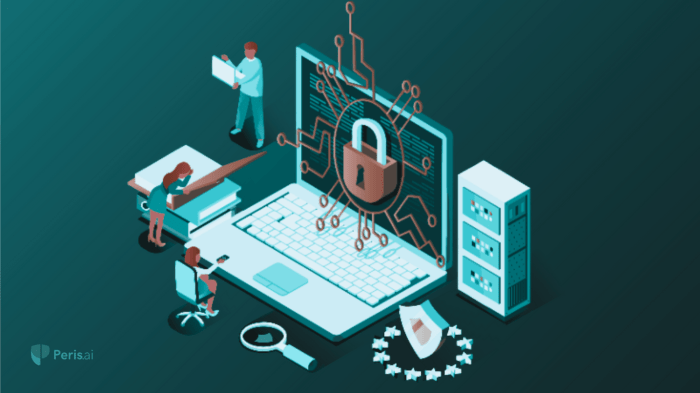
Data breaches can inflict significant financial and reputational damage on organizations. While it’s impossible to eliminate the risk entirely, proactive measures can significantly reduce the likelihood and impact of breaches, ultimately mitigating their costs.
Designing a Comprehensive Data Security Strategy, Cost of a data breach
A robust data security strategy serves as the foundation for preventing and responding to data breaches. It should encompass both preventative measures and incident response plans.
- Risk Assessment:Conduct regular risk assessments to identify vulnerabilities and prioritize security controls.
- Security Policies and Procedures:Establish clear policies and procedures for data access, handling, and disposal.
- Employee Training:Implement comprehensive cybersecurity training programs for all employees to raise awareness and build skills in recognizing and mitigating security threats.
- Incident Response Plan:Develop a detailed incident response plan that Artikels steps for detection, containment, recovery, and post-breach activities.
Data Encryption
Encrypting sensitive data at rest and in transit is crucial for protecting it from unauthorized access.
- Encryption at Rest:Encrypt data stored on servers, databases, and other storage devices.
- Encryption in Transit:Use Transport Layer Security (TLS) or Secure Sockets Layer (SSL) to encrypt data transmitted over networks.
- Key Management:Securely manage encryption keys to prevent unauthorized access and ensure data confidentiality.
Access Control
Implement strong access control measures to restrict access to sensitive data based on the principle of least privilege.
- Multi-Factor Authentication (MFA):Require users to provide multiple forms of authentication, such as a password and a one-time code, before granting access to systems and data.
- Role-Based Access Control (RBAC):Assign roles to users based on their job functions and grant access only to the data they need to perform their duties.
- Regular Access Reviews:Regularly review user access permissions to ensure they remain appropriate and revoke access for inactive or terminated employees.
Vulnerability Management
Proactively identify and address vulnerabilities in systems and applications to prevent attackers from exploiting them.
- Vulnerability Scanning:Regularly scan systems and applications for known vulnerabilities using automated tools.
- Patch Management:Promptly apply security patches and updates to address vulnerabilities.
- Penetration Testing:Conduct penetration testing to simulate real-world attacks and identify weaknesses in security controls.
Cybersecurity Training and Awareness Programs
Investing in cybersecurity training and awareness programs can significantly reduce the likelihood and impact of data breaches by empowering employees to be the first line of defense.
- Phishing Awareness Training:Train employees to recognize and report phishing emails and other social engineering attacks.
- Password Security Training:Educate employees on creating strong passwords and practicing good password hygiene.
- Data Security Best Practices Training:Teach employees about data security policies, procedures, and best practices.
Case Studies and Real-World Examples

Data breaches are a growing concern for organizations of all sizes. The cost of a data breach can be significant, ranging from millions to billions of dollars. Understanding the financial impact of data breaches is essential for organizations to develop effective security measures and mitigate their risk.
Notable Data Breaches and Their Financial Impact
To understand the magnitude of data breaches, it’s essential to examine some real-world examples. Here’s a table showcasing prominent data breaches and their estimated costs:
| Company Name | Industry | Breach Details | Estimated Cost |
|---|---|---|---|
| Equifax | Credit Reporting | Personal information of 147 million individuals was compromised, including Social Security numbers, birth dates, and addresses. | $700 million |
| Yahoo! | Internet Services | Two separate breaches in 2013 and 2014 affected over 3 billion user accounts, exposing email addresses, passwords, and other personal information. | $350 million |
| Target | Retail | A massive data breach in 2013 compromised credit card information and other personal data of 40 million customers. | $307 million |
| Sony Pictures Entertainment | Entertainment | In 2014, hackers stole and released confidential data, including emails, scripts, and financial records. | $150 million |
These examples illustrate the devastating financial impact of data breaches. Organizations must prioritize data security to protect themselves from such costly incidents.
Mitigating Data Breach Costs
Organizations can implement various strategies to mitigate the financial impact of data breaches. The following table highlights some effective approaches:
| Mitigation Strategy | Description |
|---|---|
| Strong Security Controls | Implementing robust security measures, such as firewalls, intrusion detection systems, and multi-factor authentication, can significantly reduce the likelihood of a breach. |
| Data Encryption | Encrypting sensitive data both at rest and in transit prevents unauthorized access even if a breach occurs. |
| Employee Training | Educating employees about data security best practices and phishing scams can reduce the risk of human error leading to a breach. |
| Incident Response Plan | Having a well-defined incident response plan helps organizations to react quickly and effectively in the event of a breach, minimizing the damage. |
| Cybersecurity Insurance | Purchasing cybersecurity insurance can help cover the costs associated with a data breach, such as legal fees, forensic investigations, and regulatory fines. |
By implementing these strategies, organizations can significantly reduce their risk of a data breach and its associated costs.