DIY Grapefruit Peppermint Perfume: A Zesty and Invigorating Aroma
Creating your own custom perfume allows for unparalleled personalization, offering a scent profile that truly resonates with your individual style and preferences. Among the vast array of possible fragrance combinations, the vibrant pairing of grapefruit and peppermint emerges as a particularly compelling option. This dynamic duo provides a refreshing, uplifting, and remarkably versatile aroma that can be enjoyed year-round. This comprehensive guide will delve into the intricacies of crafting a DIY grapefruit peppermint perfume, covering everything from ingredient selection and essential oil properties to the practical steps involved in the creation process, and importantly, offering SEO-friendly insights to help enthusiasts find and share their homemade creations.
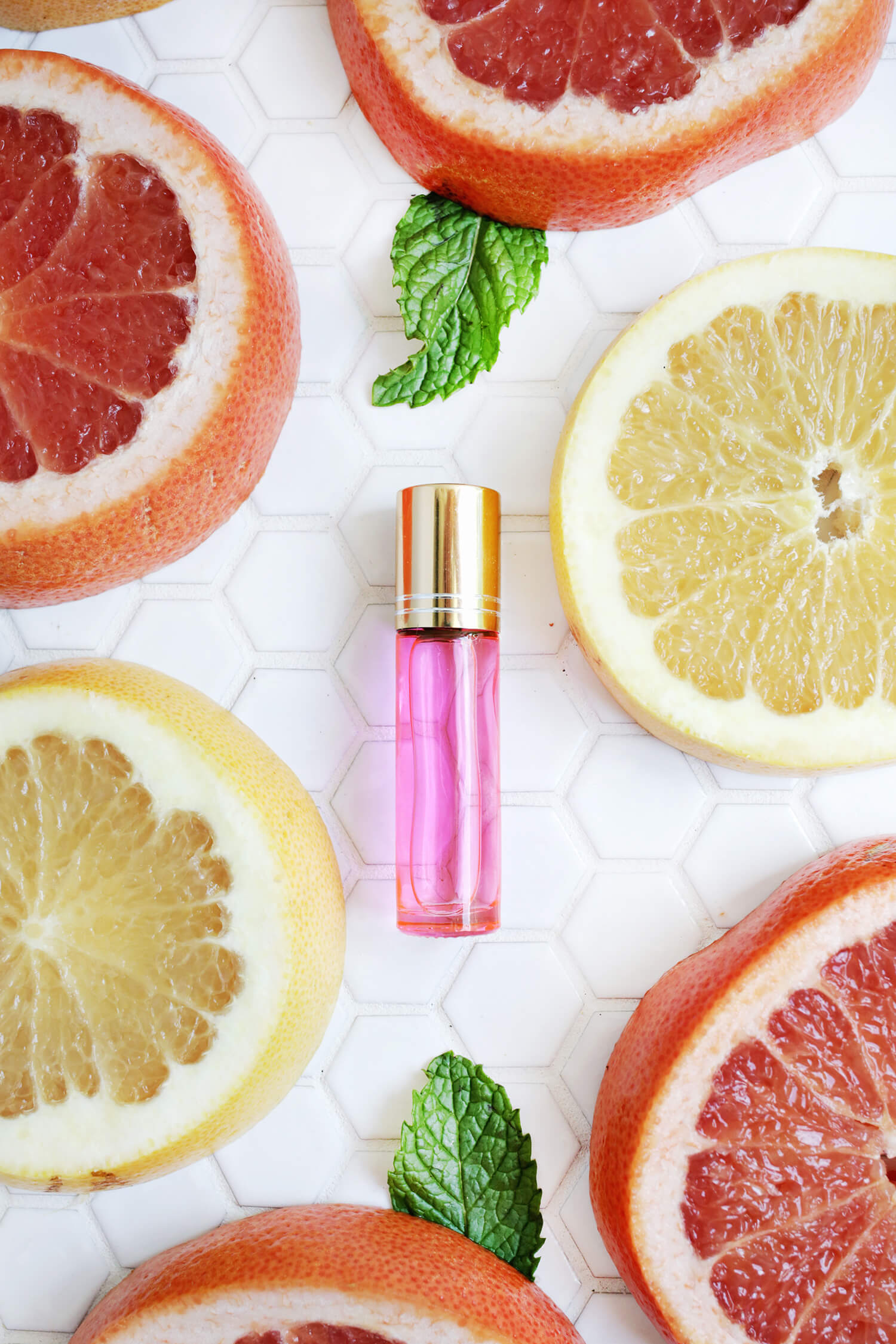
The appeal of grapefruit in perfumery lies in its bright, citrusy, and slightly bitter top notes. It’s an effervescent aroma that immediately awakens the senses, evoking feelings of optimism and energy. Grapefruit essential oil, derived from the peel of the fruit through cold pressing, captures this essence perfectly. It’s known for its mood-boosting qualities, its ability to cut through heavy or cloying scents, and its inherent freshness. When used in a perfume, grapefruit acts as a powerful top note, delivering an immediate impact and setting a lively tone for the fragrance experience. Its volatile nature means it evaporates relatively quickly, making it an excellent choice for an initial olfactory impression. Furthermore, the natural esters and limonene compounds found in grapefruit oil contribute to its characteristic tang and sparkle. For those seeking a clean, energizing scent, grapefruit is an indispensable component.
Complementing the zest of grapefruit, peppermint essential oil introduces a cool, crisp, and invigorating middle or top note. Peppermint, obtained through steam distillation of the leaves and stems of the peppermint plant, offers a sharp, minty aroma with subtle herbaceous undertones. Its defining characteristic is its cooling sensation, both physically and olfactorily, due to the presence of menthol. This menthol content not only imparts its signature scent but also contributes to the invigorating and stimulating effects often associated with peppermint. In perfumery, peppermint can add a surprising depth and complexity, preventing the citrus from becoming overly sweet or one-dimensional. It provides a refreshing counterpoint, like a cool breeze on a warm day, and can also enhance mental clarity and focus. The dual nature of peppermint, being both refreshing and slightly medicinal, makes it a sophisticated addition to fragrance blends, offering an element of surprise and sophistication.
The synergy between grapefruit and peppermint is not merely aesthetic; it’s rooted in the complementary olfactory profiles and their respective energetic qualities. Grapefruit offers solar, outward-directed energy, while peppermint provides lunar, inward-directed coolness and focus. This interplay creates a balanced fragrance that is both stimulating and grounding. The bright, cheerful notes of grapefruit are beautifully balanced by the cool, herbaceous sharpness of peppermint, resulting in a scent that is simultaneously uplifting and clarifying. This combination is particularly well-suited for an everyday perfume, suitable for various occasions and seasons. It avoids the heavy, overly floral, or gourmand notes that can sometimes be polarizing, instead offering a universally appealing, clean, and invigorating aroma.
The creation of a DIY perfume requires a foundational understanding of fragrance notes. Perfumes are typically constructed with three layers of scent, known as top, middle, and base notes. Top notes are the first scents you detect, are usually light and volatile, and evaporate quickly. Grapefruit, with its immediate brightness, firmly occupies the top note position in this blend. Middle notes, also known as heart notes, emerge after the top notes have begun to fade and form the core of the fragrance. Peppermint, with its longer-lasting invigorating quality and moderate volatility, often functions as a middle note, bridging the gap between the initial burst of citrus and any deeper, grounding scents. Base notes are the slowest to evaporate and provide the foundation and longevity of the perfume. While this particular blend focuses on grapefruit and peppermint, understanding base notes is crucial for those who wish to expand their DIY perfumery repertoire. Common base notes include woods (sandalwood, cedarwood), resins (frankincense, myrrh), and vanillin. For a grapefruit peppermint blend, a subtle base note like cedarwood or vetiver can add a touch of earthy sophistication without overpowering the primary aromas.
For those embarking on their first DIY perfume journey, a perfumer’s alcohol or high-proof, odorless grain alcohol (like Everclear) is the standard carrier. This alcohol is essential for dissolving the essential oils and allowing them to diffuse properly. While perfumer’s alcohol is readily available online and at specialty craft stores, it’s important to source a high-quality, unscented variety. Alternatively, a carrier oil like fractionated coconut oil or jojoba oil can be used to create an oil-based perfume. Oil-based perfumes tend to have a closer, more intimate scent profile and can be more moisturizing on the skin. The choice between alcohol-based and oil-based depends on personal preference for scent projection and skin feel. For a brighter, more diffusive grapefruit peppermint scent, alcohol is generally preferred.
The process of creating your grapefruit peppermint perfume begins with careful ingredient selection. High-quality essential oils are paramount. Look for pure, therapeutic-grade essential oils from reputable suppliers. This ensures not only the purity of the aroma but also its therapeutic benefits and safety for topical application. For our grapefruit peppermint perfume, you will need grapefruit essential oil and peppermint essential oil.
The ratio of essential oils is crucial for achieving the desired scent balance. A common starting point for a well-balanced fragrance is a ratio of roughly 30% top notes, 50% middle notes, and 20% base notes. In the case of a grapefruit peppermint perfume, where both are prominent, you might adjust this. A good starting ratio could be 60% grapefruit essential oil and 40% peppermint essential oil for a very bright, zesty forward scent. Alternatively, for a more balanced and longer-lasting aroma, you might consider adding a subtle base note. For example, a ratio of 50% grapefruit, 30% peppermint, and 20% cedarwood essential oil would offer a more rounded fragrance. Experimentation is key, and these ratios serve as excellent starting points for your olfactory adventure.
The dilution process is critical for both scent intensity and skin safety. Essential oils are highly concentrated and must be diluted before applying them to the skin. For an alcohol-based perfume, a typical dilution ranges from 10% to 30% essential oil to alcohol. A 20% dilution is a good starting point for a noticeable but not overwhelming scent. This means for every 10ml of final perfume, you would use 2ml of essential oil blend and 8ml of perfumer’s alcohol. For an oil-based perfume, the dilution is typically between 5% and 10% essential oil to carrier oil.
Let’s outline the specific steps for creating your DIY Grapefruit Peppermint Perfume, focusing on an alcohol-based formulation for maximum vibrancy.
Materials Needed:
- Glass bottle with a spray atomizer: Opt for dark glass (amber or cobalt blue) to protect the essential oils from light degradation. A 30ml or 50ml bottle is a good starting size.
- Perfumer’s alcohol or high-proof, odorless grain alcohol: (e.g., 190 proof Everclear)
- Grapefruit essential oil
- Peppermint essential oil
- (Optional) Base note essential oil: Such as cedarwood, vetiver, or a touch of frankincense.
- Small glass beaker or measuring cup
- Pipettes or droppers
- Funnel
- Scent strips or cotton swabs for testing
- Notebook and pen for recording formulations
Step-by-Step Instructions:
-
Sanitize Your Equipment: Thoroughly wash and dry all your glass bottles, beakers, and pipettes. You can also sterilize them by rinsing with a small amount of your chosen alcohol. This prevents contamination and ensures the longevity of your perfume.
-
Measure Your Essential Oils: Determine your desired total volume of essential oil. For a 30ml perfume bottle, a 20% dilution would mean using 6ml (approximately 120 drops, assuming 20 drops per ml) of essential oil blend.
- Decide on your ratio. Let’s use the example of 50% grapefruit, 30% peppermint, and 20% cedarwood.
- In your beaker, carefully add your essential oils using pipettes:
- Grapefruit essential oil: 3ml (approx. 60 drops)
- Peppermint essential oil: 1.8ml (approx. 36 drops)
- Cedarwood essential oil: 1.2ml (approx. 24 drops)
- Record these exact measurements in your notebook. This is crucial for replicating or adjusting the scent later.
-
Blend the Essential Oils: Gently swirl the beaker to combine the essential oils. You can use a scent strip or cotton swab to dip into the blend and assess the initial aroma. Allow the oils to meld for a few minutes.
-
Add the Alcohol: Using a funnel, carefully pour the perfumer’s alcohol into your glass perfume bottle. For a 20% dilution in a 30ml bottle, you will add approximately 24ml of alcohol.
-
Combine and Mix: Add the essential oil blend to the perfume bottle containing the alcohol. Seal the bottle tightly.
-
Agitate Gently: Gently swirl and rock the bottle to ensure the essential oils are fully dispersed in the alcohol. Avoid vigorous shaking, which can introduce air bubbles.
-
Maceration (Aging Process): This is a critical step for allowing the fragrance notes to meld and mature. Store the perfume in a cool, dark place (like a cupboard or drawer) for at least 2-4 weeks. Some perfumers recommend longer maceration periods, up to 6-8 weeks, for optimal scent development. During this time, the volatile compounds will harmonize, and the aroma will become more complex and rounded. You can gently swirl the bottle every few days to aid the process.
-
Testing and Adjustment: After the maceration period, you can test your perfume. Apply a small amount to a scent strip or your wrist.
- Evaluate the top notes: Are they bright and zesty as expected?
- Assess the middle notes: Is the peppermint invigorating and well-balanced?
- Consider the longevity: Does the scent linger appropriately?
- If the scent is too strong, you can add a little more alcohol. If it’s too weak, you can create a more concentrated blend of essential oils and add it to your existing perfume (ensuring you adjust for the alcohol already present). Always record any adjustments made.
-
Final Bottling: Once you are satisfied with the scent, ensure your perfume is in its final dark glass bottle.
SEO-Friendly Considerations for Your DIY Perfume:
To ensure your creations are discoverable by fellow DIY enthusiasts and perfume lovers, consider the following SEO strategies when sharing your recipes or experiences online:
- Keywords: Utilize specific keywords in your titles, descriptions, and tags. Essential keywords include: "DIY grapefruit peppermint perfume," "homemade grapefruit perfume," "peppermint essential oil perfume," "citrus mint perfume recipe," "natural perfume DIY," "essential oil fragrance recipe," "how to make perfume at home," "citrus scent," "invigorating perfume."
- Long-Tail Keywords: These are more specific phrases that users search for. Examples: "easy grapefruit peppermint perfume recipe for beginners," "alcohol-based grapefruit mint perfume," "best essential oils for refreshing perfume."
- Descriptive Titles: Make your titles engaging and informative. Instead of "Perfume," use "Zesty Grapefruit Peppermint Perfume: Easy DIY Recipe."
- Detailed Descriptions: In blog posts, social media captions, or product descriptions, provide thorough details about the ingredients, process, and the resulting scent profile. Mention the mood-boosting, energizing, and refreshing qualities.
- High-Quality Images/Videos: Visual content is crucial. Share appealing photos or videos of your perfume-making process, the final product, and its application.
- Relevant Hashtags: Use a mix of broad and niche hashtags on social media platforms. Examples: #DIYperfume #EssentialOils #Grapefruit #Peppermint #HomemadeFragrance #NaturalPerfume #ScentDIY #Perfumery #Aromatherapy #Crafting.
- User-Generated Content: Encourage followers to share their own attempts and tag you. This builds community and increases visibility.
- Blog Content Optimization: If you have a blog, write in-depth articles about DIY perfumery, focusing on specific ingredient combinations like grapefruit and peppermint. Include sections on the benefits of the oils, the science of scent, and tips for customization.
- Link Building: If you’re sharing your recipe on a platform, link back to reputable sources for essential oils or perfumery supplies. Conversely, if you are a supplier, ensure you have a presence on relevant DIY and craft blogs.
- Metadata: When uploading images to your website or blog, use descriptive alt text that includes relevant keywords.
- Focus on Benefits: Highlight the benefits of using natural ingredients, the customizable nature of DIY perfume, and the unique sensory experience offered by the grapefruit peppermint blend.
Safety Precautions:
- Patch Test: Before applying any new perfume liberally to your skin, perform a patch test on a small, inconspicuous area (like the inner elbow) to check for any allergic reactions or sensitivities.
- Essential Oil Dilution: Always adhere to proper dilution guidelines. Never apply undiluted essential oils directly to the skin.
- Phototoxicity: Be aware that some citrus oils, including grapefruit, can be phototoxic, meaning they can increase your skin’s sensitivity to sunlight and potentially cause burns or discoloration. While cold-pressed grapefruit oil is generally less phototoxic than steam-distilled citrus oils, it’s still advisable to avoid direct sun exposure on areas where the perfume has been applied, especially if you are using a high concentration of grapefruit oil. Consider using steam-distilled grapefruit essential oil or ensuring your dilution is low enough to mitigate this risk.
- Storage: Store your essential oils and finished perfumes in dark glass bottles in a cool, dark place away from heat and direct sunlight to preserve their potency and prevent degradation.
- Ventilation: When working with essential oils and alcohol, ensure you are in a well-ventilated area.
- Keep Away from Children and Pets: Store all materials out of reach of children and pets.
The creation of a DIY grapefruit peppermint perfume is a rewarding and creative endeavor that results in a unique, personalized fragrance. By understanding the properties of grapefruit and peppermint essential oils, mastering the art of scent layering, and following precise creation steps, you can craft a zesty, invigorating aroma that embodies your individual style. Incorporating SEO best practices when sharing your creations will help connect you with a wider community of DIY perfume enthusiasts, fostering inspiration and shared passion for the art of natural fragrance creation. The combination of bright citrus and cooling mint offers a refreshing olfactory experience that is both uplifting and grounding, making it a versatile and cherished addition to any personal fragrance collection. The journey from raw ingredients to a finished, beautifully scented perfume is a testament to the power of natural elements and the joy of personal expression through scent.
