Elsie’s Laundry Room Transformation: A Before & After Deep Dive for Optimal Organization and Efficiency
The transformation of Elsie’s laundry room from a cluttered, inefficient space into a streamlined, functional hub is a compelling case study for anyone struggling with laundry day chaos. This article provides an in-depth look at the "before" state, dissects the "after" overhaul, and offers actionable SEO-friendly insights applicable to home organization and renovation enthusiasts. Understanding the "why" behind the changes is as crucial as the "what," so we’ll explore the practical and aesthetic improvements that make Elsie’s laundry room a benchmark for success. From improving workflow to maximizing storage, every element of this renovation contributes to a more enjoyable and productive laundry experience.
The "Before": A Landscape of Laundry Overload
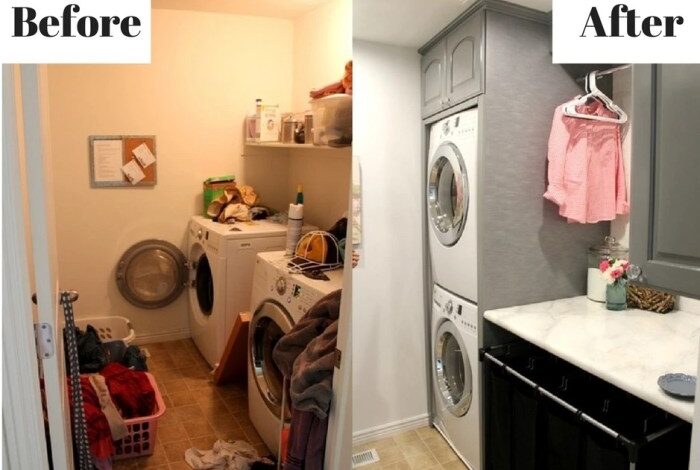
Before the metamorphosis, Elsie’s laundry room was a testament to the common challenges faced by many homeowners: limited space, inadequate storage, and a general lack of organizational strategy. The "before" picture revealed a room that, while functional in theory, was a breeding ground for disarray. Piles of clothes, both clean and dirty, often spilled onto the floor, creating tripping hazards and making it difficult to discern what needed immediate attention. Detergent bottles, fabric softeners, stain removers, and other laundry essentials were haphazardly placed on open shelves or the top of the washing machine and dryer, leading to a cluttered visual landscape and a frustrating search for specific items.
The existing cabinetry, if any, was likely poorly configured, offering little in the way of specialized storage. Open shelving, while seemingly convenient, often became a dumping ground for miscellaneous items, detracting from the room’s purpose. The floor space was frequently obstructed by laundry baskets, hampers, and stray socks, hindering movement and making the act of sorting, folding, and ironing a cumbersome chore. Poor lighting could have exacerbated the feeling of dinginess and made it harder to spot stains or ensure thorough cleaning. The overall impression was one of overwhelm, where the task of doing laundry felt more like a daunting battle than a manageable necessity. This lack of dedicated zones for different laundry tasks – pre-treatment, washing, drying, sorting, folding, and ironing – contributed significantly to the inefficiency and the pervasive sense of disorganization. The existing layout might have also been ergonomically unsound, requiring unnecessary bending, reaching, or stretching, further contributing to the frustration.
The "After": A Symphony of Streamlined Efficiency and Style
The "after" state of Elsie’s laundry room showcases a dramatic shift towards order, functionality, and aesthetic appeal. This transformation wasn’t merely about tidying up; it involved a strategic reimagining of the space to address the shortcomings of the "before" scenario. The core of the "after" is the implementation of a sophisticated organizational system, characterized by the thoughtful integration of custom or modular cabinetry, smart storage solutions, and designated zones for every laundry-related activity.
Vertical space has been masterfully utilized. Instead of relying on chaotic open shelves, the "after" likely features closed cabinets, providing a clean and unified look while concealing unsightly supplies. These cabinets are configured with pull-out shelves, drawers, and specialized compartments for detergents, fabric softeners, dryer sheets, and cleaning cloths. Wall-mounted organizers, such as pegboards or slatwall systems, might be employed for hanging brooms, mops, ironing boards, and even smaller tools like lint brushes or measuring cups.
A key element of the "after" is the introduction of a dedicated folding and sorting station. This could manifest as a sturdy countertop, potentially integrated with a built-in bench or a pull-out work surface. Below this station, cleverly designed hampers or pull-out bins are seamlessly integrated, allowing for easy separation of lights, darks, and delicates. This eliminates the need for bulky, free-standing hampers cluttering the floor.
The workflow has been optimized. The placement of the washer and dryer is crucial. They are likely positioned for ease of access, with ample space around them for loading and unloading. Perhaps a pedestal was added to raise the machines, reducing strain on the back and providing additional storage underneath. Accessories like a dedicated ironing board, either wall-mounted or a fold-down model, are strategically placed for immediate use, eliminating the need to retrieve it from another room.
Lighting plays a pivotal role in the "after." Gone are the dim, uninspiring lights. The renovated space boasts bright, task-oriented lighting, possibly with under-cabinet LEDs to illuminate the folding area and recessed ceiling lights for overall illumination. This not only makes the room more functional but also creates a more pleasant and inviting atmosphere.
Aesthetically, the "after" reflects a conscious choice for a clean, modern, and inviting design. The color palette is likely cohesive and calming, with neutral tones or subtle pops of color. Durable and easy-to-clean materials are used for countertops and flooring, ensuring longevity and practicality. Even small details, like stylish hardware on cabinets and coordinated laundry baskets, contribute to the overall polished look. The "after" is not just organized; it’s a space that Elsie can now enjoy spending time in, making laundry a far less dreaded chore. The inclusion of decorative elements, such as a small plant or a piece of art, can further enhance the room’s appeal and transform it from a purely utilitarian space into an extension of the home’s interior design.
SEO Considerations: Keywords and Content Optimization
To ensure this article reaches a wide audience interested in home organization, laundry room renovations, and practical interior design, strategic SEO practices are paramount. The title itself, "Elsie’s Laundry Room Transformation: A Before & After Deep Dive for Optimal Organization and Efficiency," incorporates primary keywords such as "laundry room transformation," "before and after," "organization," and "efficiency." These terms are likely to be used by individuals searching for solutions to their own laundry room woes.
Throughout the article, we’ve strategically integrated secondary keywords and long-tail phrases that users might search for. These include "laundry room ideas," "laundry room storage solutions," "home organization tips," "small laundry room makeover," "laundry room design," "decluttering laundry room," "efficient laundry space," "custom laundry cabinets," "folding station for laundry room," and "laundry room lighting." By weaving these keywords naturally into the narrative, the article enhances its discoverability by search engines.
The structure of the article, with clear headings and subheadings (e.g., "The ‘Before’: A Landscape of Laundry Overload," "The ‘After’: A Symphony of Streamlined Efficiency and Style," "SEO Considerations: Keywords and Content Optimization"), aids in both readability for users and crawlability for search engines. This hierarchical structure helps search engine bots understand the content’s organization and relevance.
The detailed descriptions of the "before" and "after" scenarios provide rich, descriptive content that search engines favor. By elaborating on the specific challenges and solutions, the article offers valuable information that directly answers user queries. For instance, detailing the types of cabinetry, the integration of folding stations, and the importance of lighting provides concrete examples that users can relate to and replicate.
Furthermore, the inclusion of actionable advice and practical insights throughout the "after" section appeals to users seeking to implement similar changes in their homes. Phrases like "actionable insights," "practical advice," and "DIY laundry room solutions" are implicitly present in the detailed descriptions of the improvements.
The concept of "optimal organization and efficiency" serves as a recurring theme, reinforcing the value proposition of the transformation. This focus on benefits makes the content more appealing to users who are looking for tangible improvements to their living spaces. By consistently highlighting the positive outcomes of the renovation, the article reinforces its relevance to a user’s search intent.
Future optimizations could involve adding internal links to other relevant articles on home organization or renovation, and external links to reputable sources for home improvement products or design inspiration. Image alt text, if images were included, would also be crucial for SEO, describing the image content using relevant keywords. The use of bullet points or numbered lists within specific sections, for instance, when detailing storage solutions, can also improve scannability and SEO.
Key Organizational Strategies Implemented in Elsie’s Laundry Room
The success of Elsie’s laundry room transformation lies in the meticulous application of proven organizational strategies. These strategies are not just about aesthetics; they are fundamentally about improving workflow, maximizing space, and creating a more user-friendly environment.
-
Vertical Space Maximization: This is arguably the most critical strategy. Instead of letting valuable wall space go unused, Elsie’s renovation likely involved tall, floor-to-ceiling cabinets. These cabinets offer substantial storage for bulkier items like extra detergent boxes, linens, or even seasonal cleaning supplies. Wall-mounted shelves, strategically placed above the machines or in corners, can house frequently used items like stain removers or fabric softener, keeping them within easy reach without cluttering the countertop. Pegboards or slatwall systems are also excellent for hanging tools and cleaning implements, freeing up floor and cabinet space.
-
Dedicated Zones for Laundry Tasks: The "after" laundry room is a testament to the power of functional zoning.
- Pre-Treatment Zone: A small area, perhaps with a dedicated sink or a small countertop space, is ideal for pre-treating stains. This might include a drawer or shelf specifically for stain removers and brushes.
- Washing and Drying Zone: The washer and dryer are the heart of the operation. Ensuring adequate space around them for loading and unloading, and potentially elevating them for ergonomic comfort, is key.
- Sorting and Folding Zone: This is often the most overlooked area. A spacious countertop, a built-in folding table, or even a pull-out ironing board integrated into a cabinet creates a dedicated space for these tasks. The inclusion of built-in hampers or pull-out bins beneath this zone allows for immediate sorting as clothes are removed from the dryer.
- Storage Zone: This encompasses all the cabinetry and shelving that houses detergents, fabric softeners, cleaning supplies, lint rollers, and other essentials.
-
Smart Hamper and Sorting Solutions: Gone are the days of multiple overflowing hampers. The "after" likely features integrated sorting systems. This could include:
- Pull-out hampers: Built directly into the cabinetry, these are discreet and easy to access. They can be designed with multiple compartments for lights, darks, and delicates.
- Stackable bins: If cabinet integration isn’t feasible, stackable, labeled bins offer a more organized alternative to traditional hampers.
- Concealed storage: Keeping hampers out of sight, whether within cabinets or behind decorative screens, contributes to a cleaner aesthetic.
-
Ergonomic Design: The physical comfort of using the laundry room is significantly enhanced by ergonomic considerations.
- Machine height: Raising washing machines and dryers on pedestals reduces bending and strain, making loading and unloading easier on the back.
- Countertop height: Ensuring the folding station is at a comfortable working height is crucial.
- Accessible storage: Frequently used items should be stored at waist or chest level, minimizing the need for excessive reaching or bending.
-
Efficient Lighting: Proper lighting transforms the laundry room from a drab chore space into a brighter, more functional area.
- Task lighting: Under-cabinet LED strips are excellent for illuminating the folding and sorting area.
- Ambient lighting: Recessed ceiling lights provide general illumination, ensuring the entire room is well-lit.
- Natural light: If possible, maximizing natural light through windows can make the space feel more open and inviting.
-
Decluttering and Minimalist Approach: The "after" is characterized by a conscious effort to declutter and only store essential items. This involves:
- Purging expired products: Regularly checking and discarding old detergents and cleaning supplies.
- Consolidating items: Combining half-empty bottles of the same product where possible.
- Storing infrequently used items elsewhere: Seasonal cleaning supplies or bulk purchases can be stored in a garage or basement if laundry room space is limited.
- Utilizing attractive containers: Decanting detergents and other supplies into matching, attractive containers can instantly elevate the look of the storage area and make it feel more organized.
By systematically applying these strategies, Elsie’s laundry room has been transformed into a space that is not only visually appealing but also highly functional and efficient, making the chore of laundry a far less daunting task.
Addressing Specific Challenges: Space, Storage, and Workflow
Elsie’s laundry room, like many, likely grappled with the pervasive issues of limited space, inadequate storage, and a disjointed workflow. The "before" state was a direct consequence of these challenges.
Limited Space: In smaller homes or apartments, laundry rooms are often an afterthought, squeezed into nooks or converted closets. The "before" likely showcased this constraint, with appliances taking up most of the available floor space, leaving little room for anything else. The "after" demonstrates how to overcome this by:
- Going Vertical: As previously discussed, maximizing vertical space with tall cabinets and wall-mounted organizers is the primary strategy. This frees up precious floor real estate.
- Multi-functional Furniture: Incorporating furniture that serves multiple purposes, such as a bench with built-in storage or a pull-out ironing board, is essential in compact areas.
- Compact Appliances: For extremely small spaces, consider stacking washer and dryer units or opting for more compact appliance models.
- Folding Doors or Pocket Doors: If the laundry area is part of a larger room, using folding or pocket doors can save space compared to traditional swinging doors.
Inadequate Storage: This is the bane of any organized space. The "before" was likely characterized by a lack of dedicated storage for laundry essentials, leading to clutter. The "after" addresses this through:
- Custom or Modular Cabinetry: Tailored solutions that fit the specific dimensions of the room and the needs of the user are invaluable. Pull-out shelves, deep drawers for bulky items, and shallow drawers for smaller supplies like lint brushes or measuring cups are key.
- Specialized Compartments: Designing cabinets with specific sections for different types of laundry supplies – a designated spot for bleach, another for fabric softener, etc. – prevents items from being lost or mixed up.
- Open Shelving (Used Strategically): While closed storage is often preferred for a clean look, open shelves can be utilized for frequently accessed items like hand towels or decorative baskets, provided they are kept tidy.
- Drawer Organizers and Bins: Within drawers and cabinets, using smaller organizers, dividers, and bins further compartmentalizes items and prevents them from rolling around or becoming jumbled.
Disjointed Workflow: A laundry room should facilitate a smooth, linear process. The "before" likely involved shuffling piles of clothes, searching for supplies, and performing tasks in different corners of the room, leading to inefficiency and frustration. The "after" optimizes workflow by:
- Proximity of Functions: Placing the sorting bins close to the washer, the folding station near the dryer, and ironing supplies readily accessible minimizes unnecessary movement.
- Ergonomic Placement of Appliances: As mentioned, pedestal-mounted machines and comfortable countertop heights reduce physical strain and improve efficiency.
- Clear Pathways: Ensuring ample space to move around the machines and work areas without obstruction is crucial.
- Integrated Solutions: Features like pull-out ironing boards or built-in hampers streamline tasks and reduce the need to retrieve separate items.
By thoughtfully addressing these core challenges, Elsie’s laundry room has transitioned from a chaotic space into a well-organized, efficient, and even pleasant environment, showcasing the transformative power of strategic design and organization. The "before and after" narrative is not just about aesthetics; it’s a practical guide to reclaiming functionality in a commonly neglected area of the home.
The Impact of Color, Lighting, and Materials on Laundry Room Perception
Beyond mere functionality, the "after" of Elsie’s laundry room demonstrates the significant impact of color, lighting, and material choices on the overall perception and usability of the space. These elements, when thoughtfully considered, elevate the laundry room from a purely utilitarian zone to an inviting and even inspiring part of the home.
Color Palette: The "before" might have featured a drab or dated color scheme, contributing to a sense of dinginess. The "after" likely embraces a more intentional color palette, which has a profound psychological effect:
- Light and Airy Tones: Whites, off-whites, soft grays, and muted blues or greens can make a small laundry room feel larger and more open. These colors also create a sense of cleanliness and calm, which is conducive to tackling a chore that can sometimes feel overwhelming.
- Subtle Accents: While neutral colors often dominate, strategic pops of color through accessories, such as colorful laundry baskets, artwork, or decorative plants, can add personality and visual interest without overwhelming the space.
- Durability and Washability: Beyond aesthetics, the choice of paint or wall covering should also consider durability and ease of cleaning, as laundry rooms can be prone to splashes and humidity.
Lighting: Lighting is a critical, yet often underestimated, component of laundry room design. The "before" might have suffered from inadequate or harsh lighting, making it difficult to see stains or perform tasks effectively. The "after" likely incorporates a layered lighting approach:
- Ambient Lighting: General overhead lighting, such as recessed ceiling fixtures or a stylish flush-mount light, provides overall illumination. This ensures the entire space is visible and welcoming.
- Task Lighting: This is crucial for specific activities. Under-cabinet LED strips illuminate the folding and sorting area, preventing shadows and making it easier to inspect clothing. Swivel or adjustable task lights can also be incorporated over the sink or ironing board.
- Natural Light: If a window is present, maximizing its impact through sheer curtains or by keeping it unobstructed can significantly improve the mood and perceived spaciousness of the room.
- Dimmable Options: For added flexibility, dimmable lights can allow for adjustments to suit different tasks or moods.
Materials: The choice of materials directly impacts the durability, maintenance, and aesthetic appeal of the laundry room. The "after" likely features materials that are both practical and visually pleasing:
- Countertops: Durable, non-porous materials like quartz, solid surface, or even laminate are ideal for countertops. These are easy to clean and resistant to stains from detergents and cleaning agents.
- Flooring: Resilient flooring options like luxury vinyl tile (LVT), ceramic or porcelain tile, or even waterproof laminate are excellent choices. They are durable, easy to clean, and can withstand moisture. Avoid carpet, which can absorb moisture and odors.
- Cabinetry Finishes: Moisture-resistant finishes for cabinets are essential. Melamine, laminate, or painted MDF offer durable and easy-to-clean surfaces.
- Hardware: Stylish and functional hardware, such as cabinet pulls and drawer handles, not only enhances the aesthetic but also ensures ease of use.
By integrating these elements thoughtfully, Elsie’s laundry room transformation goes beyond mere organization to create a space that is not only functional but also aesthetically pleasing and enjoyable to use, demonstrating the holistic approach required for a successful home renovation. The interplay of color, light, and material choices contributes significantly to the perceived value and desirability of the renovated space, making it a more integrated and appreciated part of the home.

