
The Unseen Threat: How Insufficient Sleep Amplifies Diabetes Risk in Women
The intricate biological tapestry of women’s health is profoundly influenced by circadian rhythms and sleep patterns, and insufficient sleep emerges as a potent, often overlooked, contributor to the escalating risk of type 2 diabetes. This phenomenon is not a simple matter of feeling tired; it represents a complex interplay of hormonal dysregulation, metabolic dysfunction, and inflammatory processes that collectively undermine glucose homeostasis, particularly within the female physiology. Understanding this connection is paramount for preventative healthcare and targeted interventions.
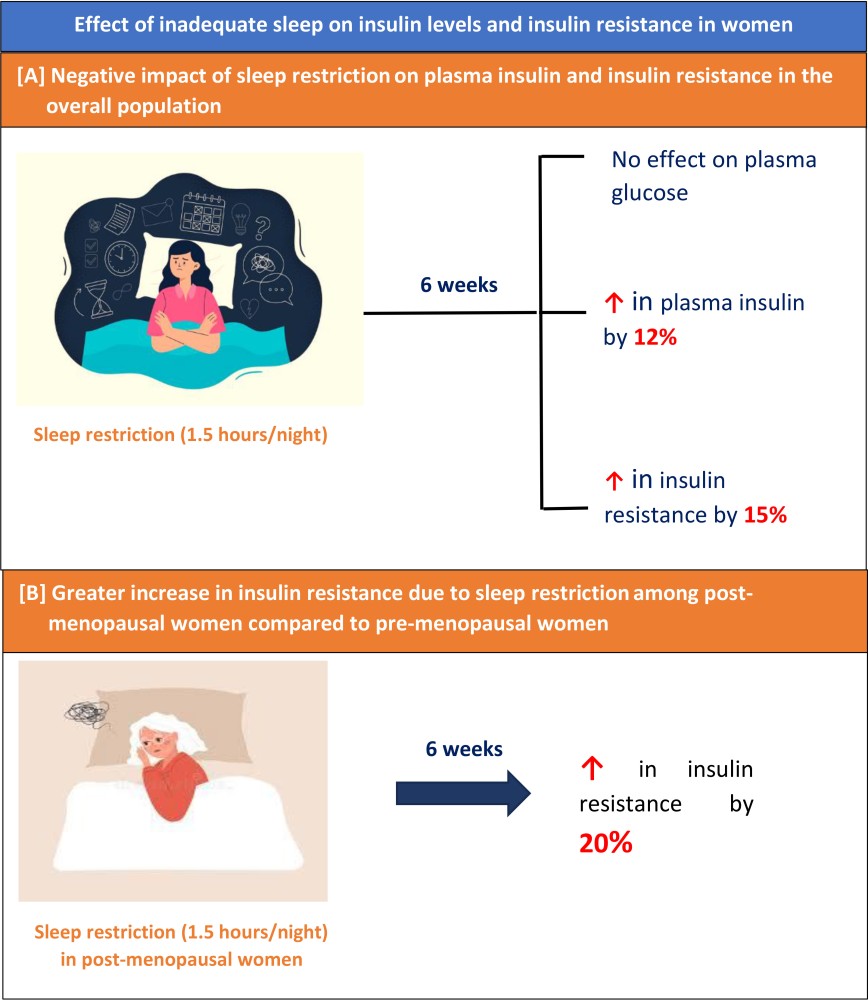
Chronic sleep deprivation, defined as consistently obtaining less than the recommended seven to nine hours of quality sleep per night, triggers a cascade of physiological responses detrimental to insulin sensitivity and pancreatic beta-cell function. For women, the cyclical nature of their hormones, including estrogen and progesterone, introduces a unique vulnerability. These hormones fluctuate throughout the menstrual cycle, pregnancy, and menopause, and their delicate balance is susceptible to disruption by sleep loss. During periods of insufficient sleep, the body enters a state of heightened stress, activating the hypothalamic-pituitary-adrenal (HPA) axis. This leads to an increased release of cortisol, the primary stress hormone. While cortisol plays vital roles in regulating blood sugar, chronic elevation due to sleep deprivation can promote insulin resistance, a hallmark of type 2 diabetes. Insulin resistance occurs when the body’s cells become less responsive to insulin, the hormone responsible for ushering glucose from the bloodstream into cells for energy. Consequently, the pancreas must produce more insulin to compensate, a demand that can eventually lead to beta-cell exhaustion and failure.
Furthermore, sleep deprivation profoundly impacts glucose metabolism by altering the secretion and sensitivity of other key hormones. Ghrelin, often termed the "hunger hormone," is typically suppressed by adequate sleep. When sleep is insufficient, ghrelin levels rise, stimulating appetite and increasing cravings for high-carbohydrate, energy-dense foods. Simultaneously, leptin, the "satiety hormone," which signals fullness, tends to decrease with sleep loss. This hormonal imbalance creates a vicious cycle where increased hunger and reduced feelings of satiety promote overeating and weight gain, both significant risk factors for type 2 diabetes. The accumulation of visceral fat, in particular, is strongly linked to insulin resistance and systemic inflammation.
The impact of insufficient sleep extends to neurotransmitter function and brain regulation of appetite and metabolism. Sleep is crucial for the proper functioning of the prefrontal cortex, an area of the brain involved in executive functions, decision-making, and impulse control. Sleep deprivation impairs this region, making individuals more prone to making poor dietary choices and succumbing to cravings, especially for sugary and processed foods that can exacerbate blood glucose fluctuations. Moreover, sleep loss can affect the brain’s reward pathways, leading to increased desire for palatable, high-sugar foods, further contributing to metabolic dysregulation.
Inflammation, a complex biological response to injury or infection, plays a central role in the pathogenesis of type 2 diabetes, and insufficient sleep is a known pro-inflammatory state. During sleep, the body undertakes essential restorative processes, including the regulation of inflammatory markers. When sleep is compromised, pro-inflammatory cytokines, such as interleukin-6 (IL-6) and tumor necrosis factor-alpha (TNF-α), are elevated. These cytokines can directly interfere with insulin signaling, further promoting insulin resistance. Chronic low-grade inflammation, fueled by sleep deprivation, contributes to a hostile environment for beta cells, potentially accelerating their dysfunction and decline.
Specific to women, the fluctuating hormonal landscape during different life stages amplifies the impact of sleep deprivation on diabetes risk. During menstruation and the luteal phase, progesterone levels rise, which can independently influence glucose metabolism and insulin sensitivity. Sleep disruption during this time can exacerbate these effects, potentially leading to greater insulin resistance. Pregnancy is a state of significant hormonal shifts and increased metabolic demands. Gestational diabetes mellitus (GDM) is a common complication, and poor sleep quality and duration have been identified as significant risk factors. Insufficient sleep during pregnancy can disrupt maternal glucose regulation and negatively impact fetal development, increasing the long-term diabetes risk for both mother and child. Menopause is another critical period characterized by declining estrogen and progesterone levels. These hormonal changes are associated with an increased risk of insulin resistance and weight gain, particularly abdominal obesity. Sleep disturbances, such as hot flashes and night sweats, are common during menopause, and the resulting sleep deprivation further magnifies these metabolic vulnerabilities. Women experiencing menopausal sleep disruptions are at a significantly higher risk of developing type 2 diabetes.
The detrimental effects of insufficient sleep on glucose metabolism are not limited to acute responses. Chronic sleep restriction can lead to long-term structural and functional changes in the pancreas. The beta cells, responsible for insulin production, can become dysfunctional and less responsive to glucose stimuli. Over time, this can result in a progressive decline in insulin secretion, ultimately leading to hyperglycemia. Studies have shown that even moderate sleep restriction over several weeks can lead to measurable declines in insulin sensitivity and impaired glucose tolerance.
The interconnectedness of sleep, stress, and metabolism creates a complex web that disproportionately affects women. Societal pressures, increased caregiving responsibilities, and hormonal fluctuations can all contribute to higher rates of sleep disturbance among women. This makes them particularly susceptible to the metabolic consequences of poor sleep, including an elevated risk of type 2 diabetes. Addressing sleep health is therefore not just about improving well-being; it is a critical component of diabetes prevention and management for women.
The diagnostic and treatment landscape for type 2 diabetes often focuses on diet, exercise, and medication. However, integrating a comprehensive assessment and intervention for sleep disturbances is crucial for a holistic approach. Clinicians should routinely inquire about sleep quality and quantity in women, particularly those with or at risk for diabetes. Behavioral interventions such as sleep hygiene education are foundational. This includes establishing a regular sleep schedule, creating a relaxing bedtime routine, optimizing the sleep environment (dark, quiet, cool), and limiting exposure to electronic devices before bed.
Cognitive Behavioral Therapy for Insomnia (CBT-I) is a highly effective treatment for chronic insomnia and can significantly improve sleep quality. By addressing maladaptive thoughts and behaviors related to sleep, CBT-I can help individuals fall asleep faster, stay asleep longer, and improve their overall sleep efficiency. Given the strong link between sleep and diabetes risk, CBT-I can be a powerful tool in a preventative or management strategy.
For women experiencing sleep disturbances related to hormonal changes, such as during perimenopause or menopause, hormone replacement therapy (HRT) may be considered, in consultation with a healthcare provider, to alleviate symptoms like hot flashes and night sweats, thereby improving sleep quality. However, the decision to use HRT requires a careful risk-benefit assessment.
Lifestyle modifications that promote better sleep also have synergistic benefits for diabetes prevention. Regular physical activity, while important for glucose control, should be timed appropriately to avoid interfering with sleep. Similarly, dietary choices play a significant role. A balanced diet rich in whole foods and low in processed sugars can help regulate blood sugar and improve sleep quality. Avoiding caffeine and alcohol close to bedtime is also essential.
Understanding the profound and multifaceted link between insufficient sleep and the increased risk of type 2 diabetes in women necessitates a paradigm shift in healthcare. It demands that sleep be recognized not as a luxury but as a fundamental pillar of metabolic health. By prioritizing sleep, women can significantly mitigate their risk of developing this chronic and debilitating disease, empowering them with a vital tool for long-term well-being and disease prevention. The scientific evidence clearly demonstrates that insufficient sleep is a potent, modifiable risk factor, and addressing it proactively can have a transformative impact on women’s health outcomes.

