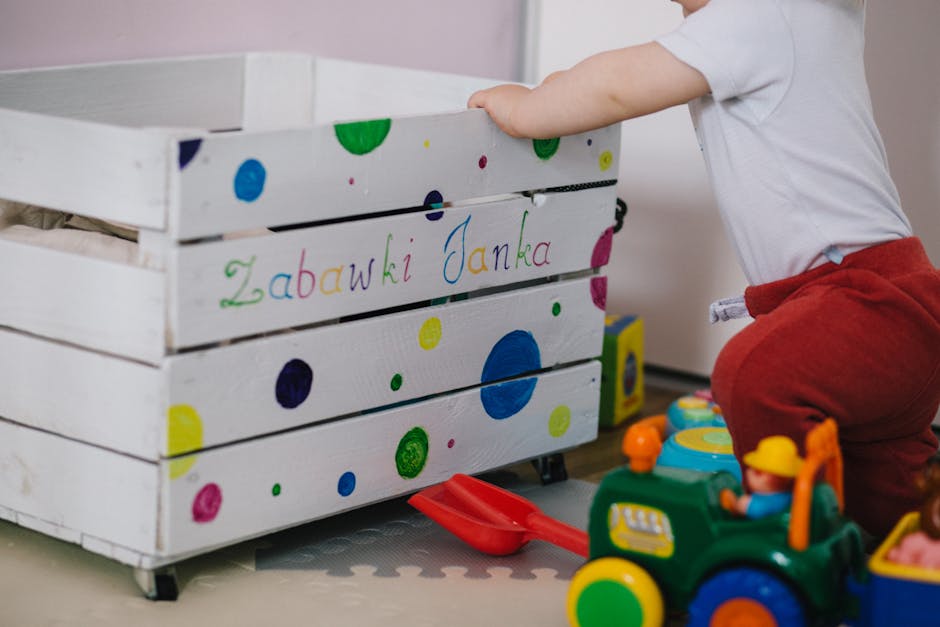
Building a Durable and Functional Toy Box: A Comprehensive DIY Guide
Constructing a toy box offers a practical and rewarding DIY project, providing essential storage for children’s toys while adding a personalized touch to a playroom or bedroom. This guide details the process, from material selection and design considerations to cutting, assembly, and finishing, ensuring a sturdy, safe, and aesthetically pleasing result. Understanding the fundamental steps and employing appropriate techniques will empower even novice woodworkers to create a functional and long-lasting toy storage solution.
Material Selection for a Robust Toy Box
The choice of lumber is paramount for a durable toy box. Plywood, particularly ¾-inch thick birch or furniture-grade plywood, is an excellent option. Its stability, resistance to warping, and smooth surface make it ideal for both structural integrity and a clean finish. For a more natural aesthetic or if weight is a concern, pine is a suitable alternative. However, opt for kiln-dried pine to minimize the risk of cracking or warping due to moisture fluctuations. Avoid particleboard or MDF for the primary construction, as these materials are less durable, susceptible to moisture damage, and can break down over time, especially under the wear and tear of children’s use. For the lid, consider lighter-weight materials like ½-inch plywood or even a solid wood panel if the box is relatively small, to prevent accidental slamming. Fasteners are also crucial. Wood screws, at least 1 ½ to 2 inches long for ¾-inch material, offer superior holding power compared to nails. Wood glue is an indispensable companion to screws, providing a strong bond that significantly enhances the toy box’s structural integrity. For decorative elements or the lid, consider using hinges. Safety hinges are highly recommended to prevent the lid from slamming shut on a child’s fingers, a critical consideration for any child-oriented project. Sandpaper in various grits, from 80-grit for initial shaping to 220-grit for a smooth finish, is essential for preparing surfaces for paint or stain.
Design Principles for an Effective Toy Box
The dimensions of the toy box should be tailored to the available space and the volume of toys it needs to contain. A common and versatile size is approximately 36 inches long, 18 inches wide, and 18 inches high. This size provides ample storage without being overwhelmingly large. Consider the height relative to the child’s age and reach; lower boxes are more accessible for younger children, encouraging independent tidying. Ventilation is often overlooked but is crucial to prevent moisture buildup and potential mold or mildew, especially if toys are put away with slight dampness. Incorporating a few strategically placed holes, perhaps near the top of the side panels or in the lid, can facilitate air circulation. For safety, rounded edges are a non-negotiable design element. All corners and edges of the toy box, both inside and out, should be sanded smooth or rounded over with a router. This eliminates sharp points that could cause injuries. The lid design is a key safety feature. A hinged lid is common, but as mentioned, safety hinges are vital. Alternatively, a lid that completely detaches or slides off can eliminate the risk of slamming. If a hinged lid is chosen, consider a gas strut or a friction hinge that holds the lid open at any angle. The internal structure should be simple and robust. Avoid complex internal dividers unless specifically needed for organization, as these can create additional weak points. A simple rectangular box is the most structurally sound and easiest to build. For ease of movement, especially if the box needs to be relocated, consider adding casters. Heavy-duty casters are recommended to support the weight of the box and its contents.
Planning and Cutting Your Toy Box Components
Accurate measurements and precise cuts are the foundation of a well-built toy box. Begin by creating a detailed cutting list based on your chosen design and dimensions. For a standard rectangular box, you will need:
- Two side panels: For example, 18 inches (height) x 36 inches (length).
- Two end panels: For example, 18 inches (height) x 16 ½ inches (width – this accounts for the ¾-inch thickness of the two side panels, assuming the end panels fit between the side panels).
- One bottom panel: For example, 16 ½ inches (width) x 34 ½ inches (length – this accounts for the ¾-inch thickness of the two end panels).
- One lid: For example, 18 inches (width) x 36 inches (length).
Use a measuring tape and a pencil to mark your cuts on the lumber. Employ a straight edge or a speed square to ensure your lines are perfectly perpendicular to the edge of the board. A circular saw with a sharp blade designed for plywood will yield the cleanest cuts. For very precise cuts, a table saw is ideal. Always use a clamp to secure the workpiece to a stable surface before cutting. When using a circular saw, a guide track or a straight edge clamped to the material will significantly improve accuracy and reduce the risk of wandering cuts. If cutting plywood, be mindful of tear-out. Scoring the cut line with a utility knife before making the cut with a saw can help minimize this. For the end panels and bottom panel, carefully measure and mark the dimensions, remembering to subtract the thickness of the adjoining panels to ensure a flush fit. For instance, if your side panels are ¾ inch thick and your total desired width is 18 inches, your end panels will need to be 16 ½ inches wide (18 – ¾ – ¾). Similarly, the bottom panel’s width and length should be calculated to fit within the assembled sides and ends. When cutting the lid, ensure it overhangs the box slightly on all sides (e.g., ¼ inch to ½ inch) to facilitate easy opening and to protect the edges of the box.
Assembling the Toy Box Structure
The assembly process begins with joining the sides and ends. Lay one of the side panels flat on your workbench. Apply a generous bead of wood glue along the edge where an end panel will attach. Position the end panel flush with the edge of the side panel and secure it with wood screws. Predrilling pilot holes slightly smaller than the diameter of your screws is crucial, especially in plywood, to prevent splitting. Space screws approximately every 6 inches. Repeat this process for the other end panel on the same side panel. You should now have a U-shaped structure. Now, apply glue to the exposed edges of the end panels and position the second side panel. Secure it with screws, ensuring all corners are square. Use a carpenter’s square to check the corners at each step. Once the main box frame is assembled, it’s time to attach the bottom panel. Apply glue to the bottom edges of the assembled box. Carefully position the bottom panel and secure it with screws, driving them up through the bottom panel into the side and end panels. Ensure the bottom is flush with the edges of the box. For added strength, consider adding a reinforcing cleat along the inside bottom edge, attaching it to both the bottom panel and the side panels. This adds significant rigidity. If you opted for casters, now is the time to attach them to the bottom panel. Ensure they are positioned at the corners for stability. Use heavy-duty screws for this attachment.
Creating and Attaching a Safe Toy Box Lid
The lid is a critical component for both functionality and safety. If you’ve opted for a simple, removable lid, ensure it fits snugly but isn’t so tight that it’s difficult to remove. A slight overhang on all sides can make it easier to grasp. For a hinged lid, the first step is to decide on the hinge placement. Typically, hinges are mounted on the back edge of the lid and the back edge of the box. Measure and mark the hinge locations on both the lid and the box, ensuring they are perfectly aligned. Use the hinges themselves as a template for marking screw holes. Predrill pilot holes for the hinge screws. Attach the hinges securely to the lid first, then carefully position the lid on the box and attach the hinges to the box. If using safety hinges, follow the manufacturer’s instructions carefully. These often involve a mechanism that prevents the lid from falling shut. For added safety, consider installing a lid support, such as a gas strut or a friction hinge, which will hold the lid open at any angle and prevent it from accidentally closing. This is particularly important for taller boxes or if children are prone to playing near the open lid. If the lid is heavier, you might need two hinges to distribute the weight evenly and prevent sagging. Ensure the lid sits flush with the box when closed. If there’s a slight gap, you might need to adjust the hinge placement or add a thin shim. For a more finished look, consider adding a decorative handle or pull to the front of the lid.
Finishing Touches: Sanding, Painting, and Sealing
The finishing stage transforms a raw wooden box into an attractive and durable piece of furniture. Begin by thoroughly sanding all surfaces. Start with 80-grit sandpaper to smooth out any rough spots or imperfections from the cutting and assembly process. Follow this with 120-grit sandpaper for a finer texture, and finally, use 220-grit sandpaper to achieve a perfectly smooth surface, ready for painting or staining. Pay special attention to all edges and corners, ensuring they are rounded over and splinter-free. A sanding block or an orbital sander will expedite this process. After sanding, use a tack cloth or a damp rag to remove all dust. If painting, apply a high-quality primer specifically designed for wood. This will create a uniform base for your paint, improve adhesion, and ensure a more vibrant color. Apply two coats of primer, allowing each coat to dry thoroughly according to the manufacturer’s instructions. Next, apply your chosen paint color. Latex or acrylic paints are generally good choices for toy boxes due to their durability and low VOC content. Apply at least two coats of paint, again, allowing adequate drying time between coats. For a more durable finish, consider using a topcoat of clear polyurethane or a sealant designed for high-traffic areas. If you prefer a stained finish, apply the stain evenly with a brush or rag, wiping off any excess with a clean cloth. Allow the stain to dry completely. Then, apply several coats of a clear protective finish, such as polyurethane or a water-based varnish, to protect the wood and the stain from wear and tear. Ensure all finishes are non-toxic and child-safe. Always choose finishes with low or zero VOCs.
Safety Enhancements and Long-Term Maintenance
Safety is paramount when building anything for children. Beyond the rounded edges and safety hinges, consider further enhancements. Ensure there are no small gaps where little fingers could get pinched. If the box is tall, consider anchoring it to a wall to prevent tipping. For very young children, consider a toy box without a lid, or one with a lid that is very lightweight and easily removable. Regularly inspect the toy box for any loose screws, cracks, or splinters. Address any issues promptly to maintain its safety and structural integrity. Clean the toy box periodically with a damp cloth and mild soap. Avoid harsh chemicals that could damage the finish or be harmful to children. If the toy box is placed outdoors, ensure it is made from weather-resistant wood and sealed appropriately. For indoor toy boxes, proper ventilation, as mentioned earlier, will help prevent moisture buildup. If you notice any warping or splitting, it may indicate that the wood was not properly dried or that the environment is too humid. For wooden toys, consider using beeswax or food-grade mineral oil as a natural and safe alternative to harsh chemical finishes. By adhering to these construction and safety guidelines, you can create a durable, functional, and cherished toy box that will provide years of organized play.