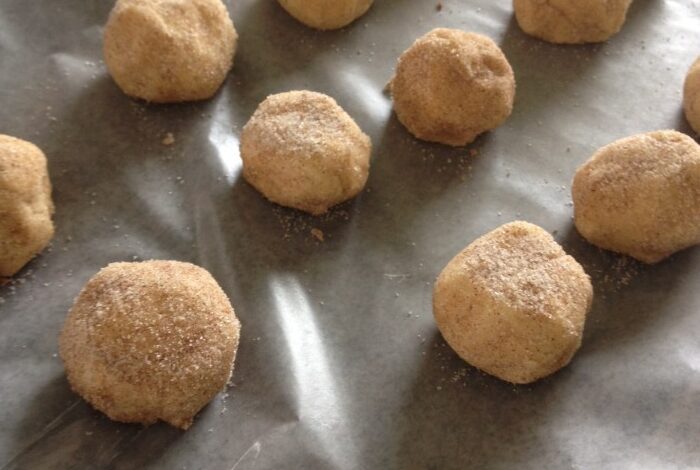
How to freeze cookie dough balls? It’s a game-changer for any baker, especially when you’re tackling a large batch of cookies or prepping for holiday baking. Freezing cookie dough not only saves time and energy but also ensures you have fresh, delicious cookies ready to go whenever you need them.
This simple technique allows you to mix up a big batch of dough, shape it into balls, and pop them in the freezer. When you’re ready for a cookie craving, just grab a few balls, bake them up, and enjoy! It’s the perfect solution for busy schedules, last-minute baking needs, or simply having a stockpile of deliciousness on hand.
Freezing Cookie Dough Balls
Freezing cookie dough is a fantastic way to save time and ensure you have delicious treats ready whenever you need them. It’s a simple process that allows you to enjoy fresh-baked cookies without the hassle of preparing the dough from scratch every time.
Benefits of Freezing Cookie Dough
Freezing cookie dough offers several advantages, making it a valuable technique for bakers of all levels.
- Convenience:Freezing cookie dough allows you to have pre-made dough on hand for those moments when you crave a sweet treat but don’t have time to bake from scratch. You can simply grab a few balls from the freezer, pop them on a baking sheet, and enjoy freshly baked cookies in minutes.
- Freshness Preservation:Freezing cookie dough helps maintain its freshness and flavor. The cold temperatures slow down the oxidation process, preventing the dough from becoming stale or dry. This ensures that your cookies will taste just as delicious when baked from frozen as they would if baked fresh.
- Portion Control:Freezing cookie dough in individual balls makes it easy to control portions. You can bake only as many cookies as you need, avoiding the temptation to overindulge. This is especially helpful for those who are trying to manage their calorie intake or avoid unnecessary waste.
Freezing cookie dough balls is a lifesaver when you need a quick treat, and it’s a great way to use up extra dough. You can easily freeze them on a baking sheet, then transfer them to a freezer-safe bag for long-term storage.
Speaking of food preservation, I recently read about the food strategy initiative highlighting goodness Irish foods , which aims to promote local produce and sustainable food practices. This initiative aligns perfectly with the idea of using fresh ingredients and freezing them for later, ensuring that we can enjoy delicious homemade cookies whenever we want.
Ideal Scenarios for Freezing Cookie Dough
Freezing cookie dough is particularly useful in specific situations.
- Large Batches:If you’re planning to bake a large batch of cookies for a holiday gathering or special occasion, freezing the dough beforehand can be a lifesaver. It allows you to prepare the dough ahead of time and bake the cookies in smaller batches as needed, saving you time and effort on the day of the event.
- Holiday Baking:The holiday season is often a busy time for baking, with multiple events and gatherings to prepare for. Freezing cookie dough can help alleviate the stress of baking everything from scratch. You can prepare and freeze the dough weeks in advance, then simply bake the cookies as needed, ensuring you have a constant supply of delicious treats throughout the holiday season.
Preparing Cookie Dough for Freezing
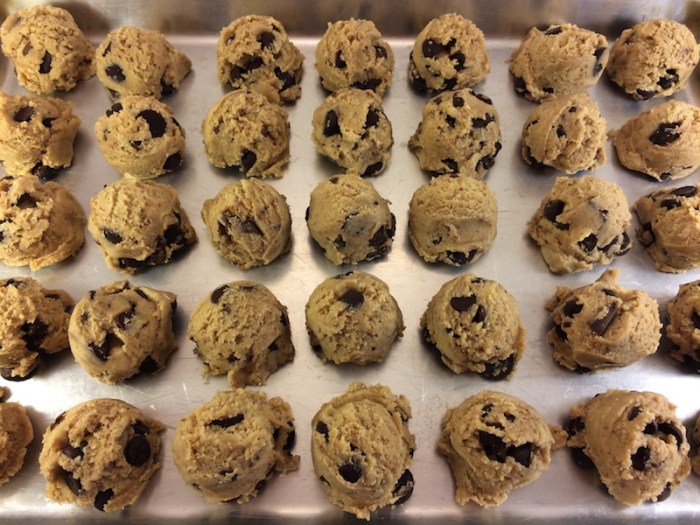
Freezing cookie dough is a fantastic way to save time and have delicious cookies on hand whenever you need them. You can make a big batch of dough, freeze it, and bake cookies as needed. It’s a great option for busy schedules or for having homemade cookies ready for unexpected guests.
Freezing cookie dough balls is a lifesaver for busy bakers, especially when you want to have a batch ready for a last-minute craving or a surprise guest. It’s like setting an alarm clock for deliciousness, only instead of waking you up, it’s ready to bake! You can find helpful tips on how to determine the perfect time to wake up your alarm clock, and get the most out of your sleep, here.
But back to those cookie dough balls, remember to freeze them on a baking sheet first so they don’t stick together, then transfer them to a freezer-safe bag. That way, when you’re ready for a warm, gooey treat, they’re just a quick bake away.
Chilling the Dough
Chilling cookie dough is crucial for several reasons. It helps prevent the cookies from spreading too much during baking, resulting in cookies with a better shape and texture. Additionally, chilling allows the flavors to develop and meld, making the cookies even more delicious.
- Chill the dough in the refrigerator:After mixing the cookie dough, cover it tightly with plastic wrap and refrigerate it for at least 2 hours, or preferably overnight. This allows the dough to firm up and become easier to handle.
- Chill the dough in the freezer:For faster chilling, you can also chill the dough in the freezer for 30 minutes to an hour. This is a good option if you need to freeze the dough quickly.
Freezing Methods
Freezing cookie dough balls is a fantastic way to prepare for future baking needs. It allows you to have freshly baked cookies on hand whenever you crave them. But, the freezing method you choose can impact the quality of your cookies and the ease of your baking process.
Here are a few popular methods to consider.
Freezing in Freezer-Safe Containers
Freezer-safe containers are a great option for freezing cookie dough balls, especially if you prefer to freeze a larger batch. They offer excellent protection from freezer burn and help keep the dough balls from sticking together.
- Advantages:
- Offers protection from freezer burn.
- Prevents dough balls from sticking together.
- Easy to stack and store.
- Ideal for freezing larger quantities of cookie dough.
- Disadvantages:
- May require more storage space than other methods.
- Can be less convenient for smaller batches of dough.
Freezing in Freezer Bags
Freezer bags are another common method for freezing cookie dough balls. They are lightweight, compact, and readily available.
- Advantages:
- Save space in the freezer.
- Easy to use for small batches.
- Convenient for portioning and separating dough.
- Disadvantages:
- Higher risk of freezer burn compared to containers.
- Dough balls may stick together if not properly separated.
Freezing on Baking Sheets
Freezing cookie dough balls on baking sheets is an excellent method for maintaining the shape of the dough balls and preventing them from sticking together.
- Advantages:
- Maintains the shape of the dough balls.
- Prevents dough balls from sticking together.
- Easy to transfer to freezer bags or containers after freezing.
- Disadvantages:
- Takes up more space in the freezer.
- Requires extra time for freezing and transferring.
Freezing Time and Storage
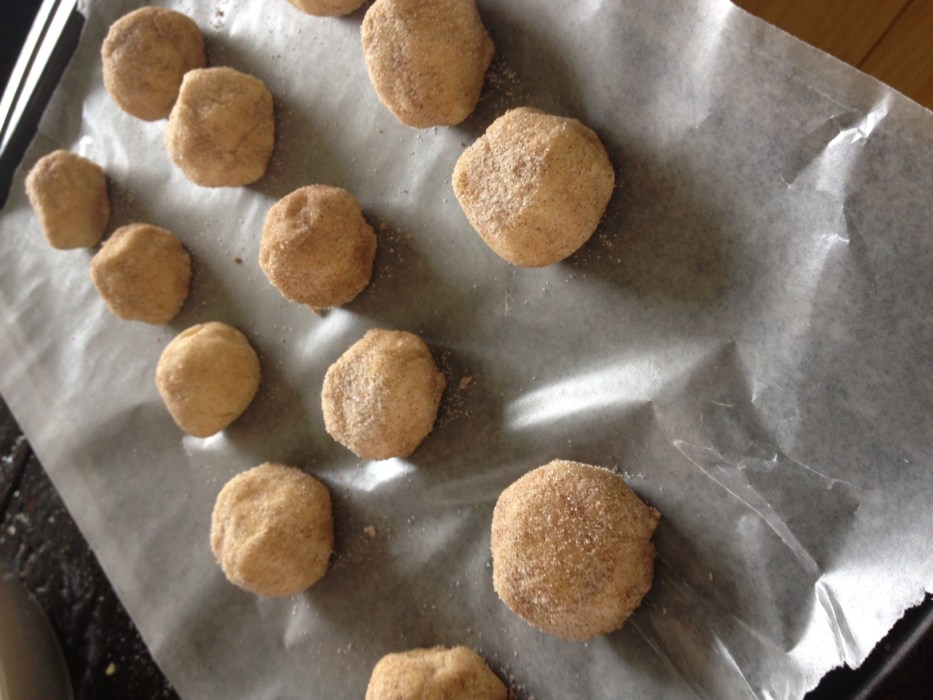
Once your cookie dough balls are ready, you’re ready to freeze them. This is a great way to save time and ensure you have delicious cookies on hand whenever you need them. Freezing your cookie dough balls is a simple process that can save you time and effort in the long run.
Freezing cookie dough balls is a lifesaver for busy bakers, but sometimes you just need a little inspiration for your next project. If you’re looking for something a little more hands-on, why not try making an easy DIY pendant lamp ?
It’s a great way to add a personal touch to your home, and you can customize it to match your style. Once you’ve finished your lamp, you can get back to baking and those frozen cookie dough balls will be ready for the oven whenever you are!
Here’s a guide to ensure your dough stays fresh and delicious:
Freezing Time
Freezing time for cookie dough balls depends on the size of the balls and the type of dough. Generally, cookie dough balls can be frozen for up to 3 months. However, it’s best to use them within 2 months for optimal flavor and texture.Here’s a general guideline for freezing time:
- Small cookie dough balls (1 inch or less):2-3 months
- Medium cookie dough balls (1-2 inches):2-3 months
- Large cookie dough balls (2 inches or more):1-2 months
Storage Conditions
Proper storage is crucial for preserving the quality of your frozen cookie dough balls. Here’s how to store them correctly:
- Use freezer-safe containers or bags:Choose airtight containers or freezer bags to prevent freezer burn and maintain the dough’s freshness.
- Label and date:Label your containers or bags with the date to keep track of how long they’ve been in the freezer.
- Freeze flat:For best results, freeze cookie dough balls in a single layer on a baking sheet lined with parchment paper.
Once frozen solid, transfer them to a container or bag for long-term storage.
- Avoid overpacking:Don’t overcrowd your freezer. Leave some space between the cookie dough balls to allow for proper airflow.
- Keep at a consistent temperature:A consistent freezer temperature of 0°F (-18°C) or below is ideal for preserving the quality of your frozen cookie dough.
Thawing and Baking Frozen Cookie Dough
The joy of having cookie dough ready to bake at any moment is a real treat, but you need to thaw the frozen dough first. There are two main methods to defrost your cookie dough balls, each with its own set of advantages.
Thawing Frozen Cookie Dough
Thawing frozen cookie dough balls can be done in a couple of ways, each with its own advantages and disadvantages.
- Refrigerator Thawing: This is the most recommended method, as it ensures the dough thaws slowly and evenly, preserving the texture and quality. Place the frozen dough balls on a plate or tray lined with parchment paper in the refrigerator and let them thaw for 4-6 hours, or overnight.
- Room Temperature Thawing: This method is faster, taking about 30-60 minutes, but it can lead to uneven thawing and a slightly softer dough. Place the frozen dough balls on a plate or tray lined with parchment paper at room temperature and let them thaw.
Monitor the dough closely, and if it starts to become too soft, transfer it to the refrigerator to slow down the thawing process.
Baking Frozen Cookie Dough
Once your cookie dough balls are thawed, you can bake them just like you would fresh dough. However, keep in mind that frozen dough may require some adjustments to the baking time and temperature to ensure even cooking.
- Baking Time Adjustment: Frozen dough will take slightly longer to bake than fresh dough. Increase the baking time by 2-3 minutes, or until the edges of the cookies are golden brown and the centers are set.
- Baking Temperature Adjustment: You may need to slightly lower the baking temperature to prevent the cookies from burning on the outside before the center is cooked through. Reduce the baking temperature by 5-10 degrees Fahrenheit.
It’s always best to check the cookies early and adjust the baking time as needed. A toothpick inserted into the center should come out clean when the cookies are done.
Tips for Success
Freezing and baking cookie dough can be a convenient way to enjoy fresh-baked cookies whenever you want. However, some potential issues may arise, such as spreading, dryness, or uneven baking. These problems can be easily avoided by following a few simple tips.
Preventing Spreading
One common problem with frozen cookie dough is that the cookies may spread too much when baked. This is because the butter in the dough softens during thawing, making it more prone to spreading. To prevent this, use a high-quality butter with a higher fat content, which will help the cookies hold their shape better.
Additionally, chilling the dough for a longer period before baking can help solidify the butter and reduce spreading.
- Use high-quality butter:Look for butter with a higher fat content, typically 82% or more. This will help the cookies hold their shape better.
- Chill the dough longer:Chill the dough for at least 30 minutes before baking, or even longer for a more defined shape.
- Add flour:If the dough is too soft, you can add a tablespoon or two of flour to help absorb some of the moisture.
Preventing Dryness
Frozen cookie dough can sometimes become dry when baked, especially if it has been frozen for an extended period. To prevent this, make sure the dough is properly wrapped and stored in an airtight container. Additionally, you can add a little extra moisture to the dough before freezing, such as by using a tablespoon or two of milk or cream.
- Proper wrapping:Wrap the dough tightly in plastic wrap and then in aluminum foil to prevent freezer burn and moisture loss.
- Airtight container:Store the wrapped dough in an airtight container to further protect it from freezer burn and moisture loss.
- Add moisture:Before freezing, add a tablespoon or two of milk or cream to the dough for extra moisture.
Ensuring Even Baking
Frozen cookie dough may bake unevenly, especially if the cookies are too close together on the baking sheet. To prevent this, make sure to leave enough space between the cookies on the baking sheet. You can also bake the cookies in batches to ensure they are evenly baked.
Additionally, use a baking sheet that is evenly heated and has good heat distribution.
- Space the cookies:Leave at least 2 inches between the cookies on the baking sheet.
- Bake in batches:If necessary, bake the cookies in batches to ensure even baking.
- Use a good baking sheet:Use a baking sheet that is evenly heated and has good heat distribution.
Creative Cookie Dough Variations: How To Freeze Cookie Dough Balls
Freezing cookie dough is a fantastic way to have delicious cookies ready whenever you need them. But don’t limit yourself to just one type of cookie dough. There are countless variations that freeze beautifully, opening up a world of flavor and texture possibilities.
Let’s explore some creative cookie dough variations that are perfect for freezing and baking later.
Chocolate Chip Cookie Dough
Chocolate chip cookies are a classic for a reason. They’re simple, versatile, and always a crowd-pleaser. You can easily adapt your favorite chocolate chip cookie dough recipe for freezing. Here are some tips for freezing chocolate chip cookie dough:* Use high-quality chocolate chips:Opt for chips that melt well and have a rich chocolate flavor.
This will ensure your cookies have a decadent taste and melt-in-your-mouth texture.
Add-ins
Experiment with different add-ins like nuts, dried fruit, or even chocolate chunks. These additions will add texture and flavor complexity to your cookies.
Freezing method
Shape your dough into balls, flatten them slightly, and place them on a baking sheet lined with parchment paper. Freeze them for about 30 minutes before transferring them to an airtight container or freezer bag. This helps prevent them from sticking together.
Baking time
Frozen chocolate chip cookie dough will take slightly longer to bake than fresh dough. Add about 2-3 minutes to your usual baking time.
Peanut Butter Cookie Dough
Peanut butter cookies are another beloved treat. They have a satisfyingly chewy texture and a rich peanut butter flavor. Here’s how to freeze peanut butter cookie dough:* Use creamy peanut butter:Creamy peanut butter will create a smooth and flavorful cookie dough.
Add-ins
Consider adding chocolate chips, pretzels, or even a touch of cinnamon to your peanut butter cookie dough for added flavor and texture.
Freezing method
Shape your dough into balls, flatten them slightly, and place them on a baking sheet lined with parchment paper. Freeze them for about 30 minutes before transferring them to an airtight container or freezer bag.
Baking time
Frozen peanut butter cookie dough will take slightly longer to bake than fresh dough. Add about 2-3 minutes to your usual baking time.
Oatmeal Raisin Cookie Dough, How to freeze cookie dough balls
Oatmeal raisin cookies are a classic comfort food. They offer a hearty texture and a sweet-and-savory flavor. Here’s how to freeze oatmeal raisin cookie dough:* Use rolled oats:Rolled oats will give your cookies a chewy texture and a nutty flavor.
Add-ins
Consider adding nuts, chocolate chips, or even a touch of cinnamon to your oatmeal raisin cookie dough for added flavor and texture.
Freezing method
Shape your dough into balls, flatten them slightly, and place them on a baking sheet lined with parchment paper. Freeze them for about 30 minutes before transferring them to an airtight container or freezer bag.
Baking time
Frozen oatmeal raisin cookie dough will take slightly longer to bake than fresh dough. Add about 2-3 minutes to your usual baking time.
Other Creative Cookie Dough Variations
The possibilities for creative cookie dough variations are endless! Here are some other ideas to inspire you:* Snickerdoodle Cookie Dough:This dough features a sweet and cinnamon-spiced flavor. Freeze it in balls and enjoy the warm, comforting aroma when baking.
Gingerbread Cookie Dough
This dough offers a festive and spicy flavor. It’s perfect for holiday baking or any time you want a warm and comforting treat.
Sugar Cookie Dough
This versatile dough can be flavored with extracts like vanilla, almond, or lemon. It’s perfect for decorating and creating fun shapes.
M&M Cookie Dough
This colorful and fun dough is perfect for kids and adults alike. It’s easy to freeze and bake, making it a great option for a quick and delicious treat.Remember, when freezing cookie dough, it’s essential to ensure that it’s properly sealed and stored in an airtight container or freezer bag.
This will help prevent freezer burn and maintain the quality of the dough.