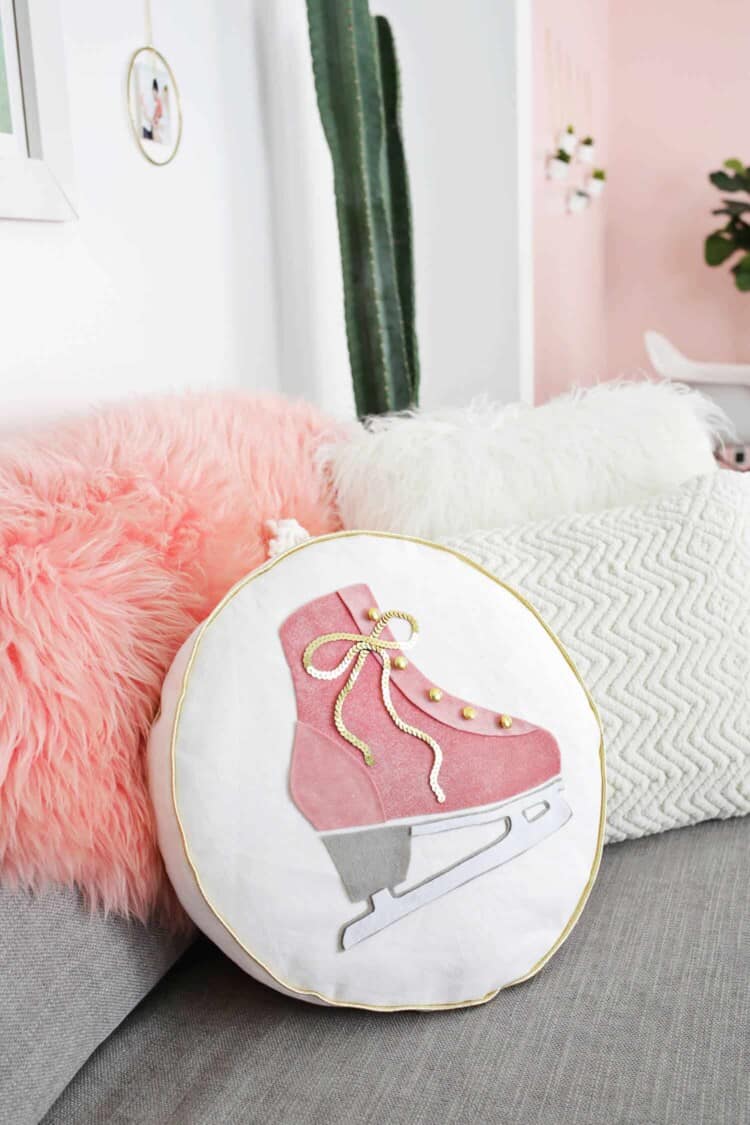

DIY Ice Skate Pillow: A Cozy Craft for Winter Enthusiasts
Creating your own ice skate pillow is a fun and rewarding DIY project, perfect for adding a touch of winter whimsy to your home décor. Whether you’re a figure skating enthusiast, a hockey fan, or simply love the cozy aesthetic of ice skates, this project offers a fantastic opportunity to express your creativity. This comprehensive guide will walk you through every step, from gathering materials to the final decorative touches, ensuring you can craft a unique and personalized ice skate pillow that will be cherished for seasons to come. We’ll cover various material options, essential tools, detailed sewing instructions, and creative embellishment ideas, all optimized for search engines to help others discover this delightful craft.
The core of this project involves creating a two-dimensional representation of an ice skate, typically formed from two mirrored panels sewn together and stuffed to create a plush, pillow-like form. The classic silhouette of an ice skate lends itself perfectly to this application, offering a distinctive shape that is instantly recognizable. The process generally begins with selecting fabric. For a classic look, felt is an excellent choice. Its non-fraying edges simplify the cutting process, and it comes in a wide array of colors, allowing for great customization. Think rich burgundies, deep blues, crisp whites, or even festive greens and reds. Wool felt offers a more luxurious feel and durability, while craft felt is more budget-friendly and readily available. Alternatively, quilters might opt for cotton fabric, which offers a vast spectrum of patterns and prints. If using cotton, consider using a fusible interfacing to give the fabric more body and prevent stretching during the sewing process. For a more textured and rustic feel, burlap or even faux fur can be incorporated for specific sections, such as the "boot" of the skate. When choosing fabric, consider the desired texture, color palette, and the overall aesthetic you aim to achieve.
Beyond the primary fabric for the skate’s upper and sole, you’ll need materials for the details. For the blade, metallic fabric or metallic-colored craft felt (silver, gold, or gunmetal) works wonderfully. A small piece of contrasting fabric can be used for the ankle support or lining of the boot. For stuffing, polyester fiberfill is the standard and most accessible option. Ensure you have enough to achieve a firm yet cuddly fill. Thread is, of course, crucial. Matching thread to your fabric colors is ideal for invisible seams, but contrasting thread can be used for a decorative effect, especially with blanket stitches. If you plan to hand-sew, embroidery floss can add a beautiful, textured finish to visible seams.
Essential tools for this DIY ice skate pillow project include fabric scissors, a rotary cutter and cutting mat (for cleaner cuts, especially with felt), pins, a sewing machine (optional but highly recommended for efficiency), a hand-sewing needle, an iron and ironing board (especially if using fusible interfacing), a marker or chalk pencil for tracing patterns, and a stuffing tool (a chopstick or a dowel rod works well for pushing stuffing into tight corners). If you’re opting for decorative stitching, an embroidery hoop and various embroidery needles might be useful. For pattern creation, you’ll need paper, a pencil, and a ruler.
The first step in the actual crafting process is to create or obtain a pattern for your ice skate pillow. You can search online for free ice skate pillow patterns, or you can draw your own. To draw your own, sketch a profile of an ice skate. Aim for a recognizable silhouette, paying attention to the curve of the boot and the shape of the blade. Remember, you’ll need two mirrored pieces for each skate, so your pattern should represent half of the skate’s shape. Once you have your sketch, refine it on paper, ensuring the proportions are pleasing. You can print out an online pattern to your desired size, or if sketching, trace your refined sketch onto a larger piece of paper. Cut out your pattern pieces carefully. Remember to account for a seam allowance if your pattern doesn’t already include one (typically 1/4 inch to 1/2 inch, depending on your preference).
With your pattern pieces ready, it’s time to transfer them to your chosen fabrics. Lay your fabric flat and pin your pattern pieces onto it. For the main boot, you’ll need two pieces cut from your primary fabric, mirrored. For example, if your pattern is for the right skate, you’ll need two "right skate" pieces to form the front and back of your pillow. Alternatively, if you’re creating a single, flat design with appliqué details, you might only need one main boot shape. For the blade, cut two identical pieces from your metallic fabric, mirroring each other if they are to be joined along a specific edge. Pin the pattern securely to the fabric. Using your marker or chalk pencil, carefully trace around the pattern piece. Cut out the fabric pieces with sharp fabric scissors or a rotary cutter. Repeat this process for all the components of your ice skate, including any accent pieces.
Now comes the sewing. If you are using a sewing machine, set it up with the appropriate thread. If you’re hand-sewing, thread your needle. The primary construction involves sewing the two main boot pieces together. Place the two boot pieces right sides together, aligning all edges. Pin them in place to prevent shifting during sewing. Begin sewing along the traced outer edge, leaving a gap of about 3-4 inches for turning and stuffing. It’s crucial to backstitch at the beginning and end of your seam to secure it. If hand-sewing, use a sturdy stitch like a backstitch or a running stitch, ensuring it’s consistent and firm. Once the boot is sewn, carefully trim any excess fabric from the seam allowance, especially around curves, to help it turn smoothly. Turn the boot right side out through the opening you left. Gently push out the curves and corners with your stuffing tool to ensure a neat shape.
Next, it’s time to attach the blade. You have a few options here. You can sew the two blade pieces together along their longer edges, right sides together, and then attach this as a separate piece to the bottom of the boot. Or, for a simpler approach, you can attach one metallic fabric piece to the front of the boot and another to the back, creating the illusion of a blade extending from both sides. If sewing the blade separately, after sewing the two metallic pieces together, turn it right side out, press it flat, and then carefully pin it to the bottom opening of the boot before closing the stuffing gap. If attaching individual blade pieces, pin each metallic piece to the corresponding side of the boot, aligning the top edge of the blade with the bottom edge of the boot. You can sew these in place before or after stuffing, depending on your preferred method. Sewing the blade pieces to the boot before stuffing can create a more integrated look, while sewing them after stuffing can be easier to maneuver.
Once the main boot structure is sewn and the blade is attached (or ready to be attached), it’s time to stuff your pillow. Begin by loosely filling the boot with polyester fiberfill. Use your stuffing tool to push the stuffing into all the nooks and crannies, ensuring an even distribution. Avoid overstuffing, which can create a stiff pillow, or understuffing, which will result in a floppy pillow. Aim for a firm but pliable feel. As you stuff, periodically check the shape and fullness of the skate. Once you’re satisfied with the stuffing, carefully hand-sew the opening closed using a ladder stitch or a whipstitch for an almost invisible finish. If you opted to sew the blades on after stuffing, now is the time to pin and stitch them securely to the boot.
Now for the fun part: embellishments! This is where you can truly personalize your ice skate pillow. For laces, you can use ribbon, yarn, or even embroidered lines. Thread a ribbon through eyelets (which you can draw on with fabric markers or cut from felt and appliqué) or simply create stitched lines to mimic lacing. A small bow tied at the top adds a charming touch. Consider adding decorative stitching around the edges of the boot or blade. Blanket stitches done in a contrasting embroidery floss can provide a lovely handmade aesthetic. For a touch of sparkle, sew on small beads, sequins, or glitter glue to mimic ice crystals. You can also add a cuff to the top of the boot using a different colored fabric or faux fur for a cozy, luxurious feel. If you’re feeling ambitious, you could even appliqué small details like a pom-pom on the toe or a miniature hockey stick.
For a set of ice skate pillows, you can create matching pairs or vary the colors and embellishments for a more eclectic display. Think about creating a "pair" by making one left and one right skate pillow, or simply two identical pillows. These pillows make fantastic gifts for skaters, hockey players, or anyone who loves a winter-themed home. They are also perfect for adding to a cozy reading nook, a child’s bedroom, or a holiday-themed living room. The search terms "DIY ice skate pillow," "homemade ice skate cushion," "felt ice skate craft," and "winter décor sewing project" will help people find this tutorial when searching for inspiration. Emphasizing the use of felt, easy sewing techniques, and decorative options will broaden the appeal.
To maximize SEO, consider incorporating keywords naturally throughout the article. Phrases like "how to make an ice skate pillow," "ice skate sewing pattern," "fabric crafts for winter," "DIY home décor," and "easy sewing projects" are valuable. Within the text, describe the process in detail, using clear and concise language. For instance, instead of saying "sew the parts," elaborate with "stitch the two main boot panels together, right sides facing, leaving an opening for turning." Mentioning different fabric types like "fleece ice skate pillow" or "cotton ice skate cushion" can also attract a wider audience. When discussing embellishments, use terms like "embroidery details," "applique techniques," and "fabric painting for pillows." The structure of the article, with clear headings (even if implied by paragraph breaks in this format) and logical progression, aids readability for both users and search engines.
The beauty of this DIY ice skate pillow project lies in its adaptability. You can scale the pattern up or down to create small decorative accents or larger floor cushions. The choice of fabric and embellishments allows for endless customization, from a rustic, naturalistic skate to a glamorous, sparkly rendition. Think about seasonal variations; a red and green skate pillow for Christmas, or blue and white for a more general winter theme. The process itself is relatively straightforward, making it accessible for beginners with basic sewing skills, while offering enough room for more experienced crafters to experiment with intricate details. The durability of felt makes these pillows long-lasting decorative items, perfect for repeated use during the colder months. Furthermore, the tactile nature of stuffed crafts appeals to both children and adults, making this a project that can be enjoyed by the whole family.
In conclusion, the DIY ice skate pillow is more than just a craft project; it’s an opportunity to infuse your living space with personality and a touch of seasonal cheer. By following these detailed instructions, utilizing the suggested materials, and embracing your creative vision, you can craft a unique and cherished ice skate pillow that will bring warmth and whimsy to your home for years to come. The journey from a flat piece of fabric to a three-dimensional, cuddly skate is a rewarding one, culminating in a beautiful piece of handmade décor that celebrates the magic of winter.
