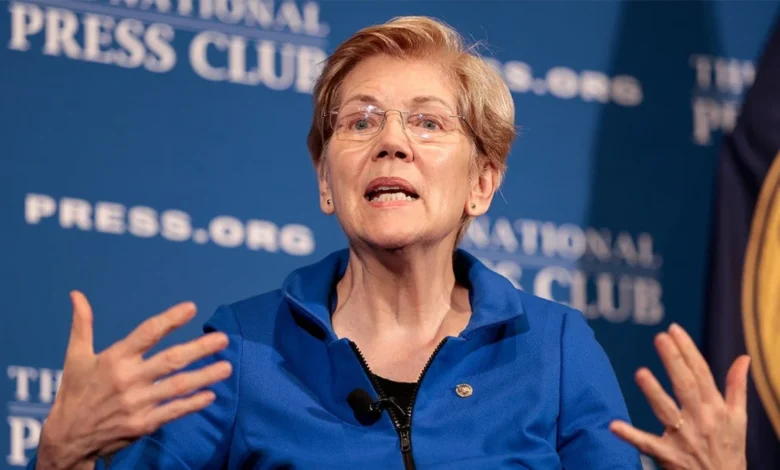
Senator Elizabeth Warren, the Massachusetts Democrat and a leading voice for the progressive wing of her party, is currently facing intensified conservative criticism following a series of controversial endorsements in recent primary cycles. Her backing of progressive Michigan Senate candidate Abdul El-Sayed ahead of the state’s August Democratic primary has reignited a debate about the electability of far-left candidates and the strategic direction of the Democratic Party. Critics from the Republican National Committee (RNC) and other conservative groups have seized upon Warren’s endorsement record, particularly after the high-profile implosion of a previous candidate she supported, Graham Platner. This pattern, they argue, signals a "kiss of death" for any Democrat hoping to secure a general election victory, potentially dragging the party into "electoral oblivion."
Senator Warren’s Progressive Mandate and Endorsement Philosophy
Senator Elizabeth Warren has long been a champion of policies favored by the Democratic Party’s left flank, advocating for robust social safety nets, stringent corporate regulation, and campaign finance reform. Her political identity is deeply rooted in challenging corporate power and economic inequality, often framing her policy proposals as necessary measures to rebalance power towards working families. As one of the Senate’s most prominent progressive Democrats, Warren has consistently lent her support to candidates who align with these ideological principles, viewing their success as crucial for advancing the broader progressive agenda. Her endorsement philosophy often prioritizes ideological purity and a commitment to systemic change over perceived electability in general elections, a stance that frequently puts her at odds with more centrist elements within the Democratic Party.
Warren’s endorsement of Abdul El-Sayed, whom she praised on X (formerly Twitter) for not taking "corporate money" and fighting for "affordable, high-quality healthcare," is a direct reflection of this philosophy. El-Sayed, a physician and public health expert, embodies many of the progressive ideals Warren espouses, including support for Medicare for All, robust climate action, and a rejection of corporate PAC contributions. This alignment underscores Warren’s commitment to elevating candidates who advocate for transformative policies, even if those policies are considered radical or challenging by more moderate voters or political strategists.
The Shadow of Graham Platner: A Precedent for Controversy
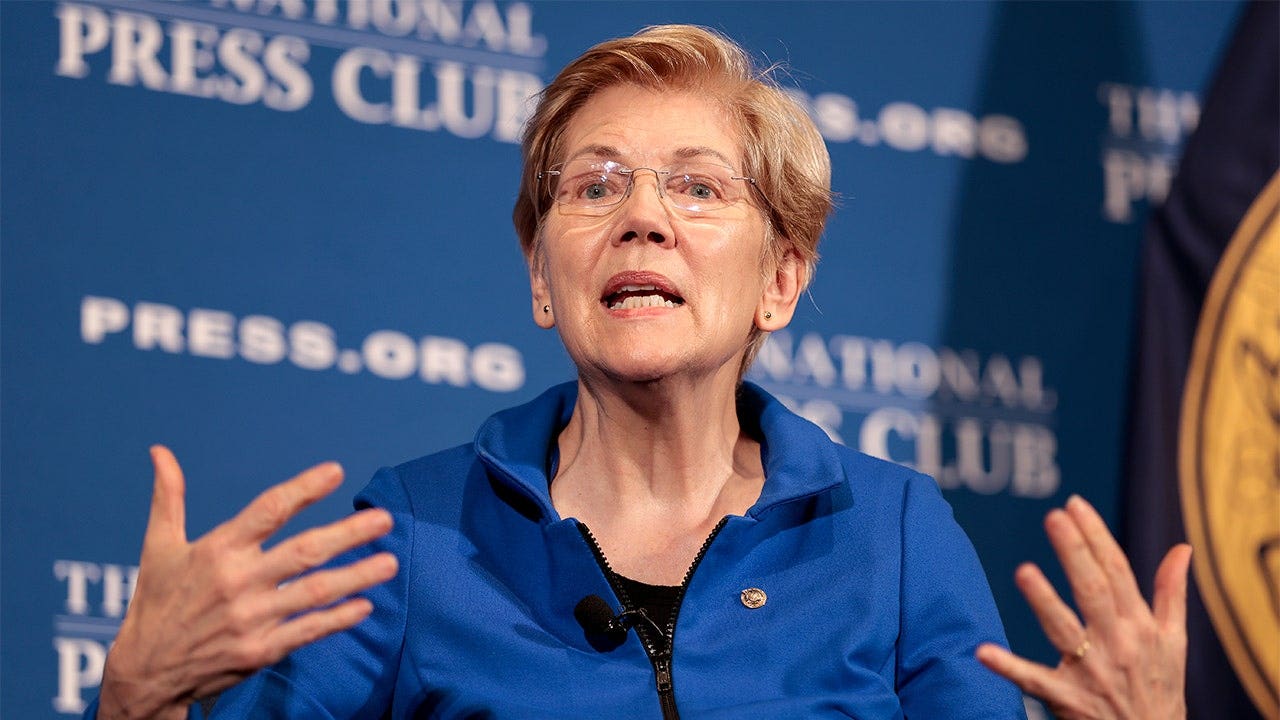
The current wave of criticism against Senator Warren’s endorsements is heavily informed by the recent controversy surrounding her previous backing of Graham Platner. Platner, a candidate Warren had once enthusiastically declared "my kind of man" on the campaign trail, ultimately withdrew from his race amidst a firestorm of damaging allegations and revelations. The most significant of these was a rape allegation, which Platner vehemently denied but which nonetheless cast a long shadow over his campaign. Adding to the controversy, Platner faced intense scrutiny and widespread condemnation for a chest tattoo that bore a striking resemblance to a Nazi-era symbol. He later apologized for the tattoo, stating he was unaware of its historical connotations, and subsequently had it covered.
The implosion of Platner’s campaign served as a potent political weapon for Warren’s critics, particularly conservatives, who argue it exposed a fundamental flaw in her endorsement strategy: a perceived lack of vetting or an ideological blindness to serious character or judgment issues. RNC National Press Secretary Natalie Baldassarre explicitly referenced "Graham Platner’s implosion," stating that "Warren’s endorsement should be viewed as a kiss of death by any Democrat who actually wants to win. Pocahontas clearly has not learned her lesson with toxic socialist candidates and by shamelessly endorsing El-Sayed continues to drag her party straight into electoral oblivion." The Republican Jewish Coalition echoed this sentiment, deriding Warren as "a complete and total joke" for her past support of a candidate with such a problematic record. This past incident provides a crucial backdrop, amplifying the scrutiny on her current endorsements and creating a narrative that frames her choices as consistently detrimental to Democratic electoral prospects.
Abdul El-Sayed: A Lightning Rod for Criticism in Michigan
Abdul El-Sayed’s candidacy in Michigan’s August Democratic primary has quickly become a focal point for conservative ire, exacerbated by Senator Warren’s endorsement. El-Sayed, who previously ran for Governor of Michigan in 2018, is known for his unapologetically progressive platform. His policy positions include strong support for universal healthcare, aggressive environmental protection measures, and a commitment to removing corporate influence from politics. However, his views on several sensitive issues have drawn sharp criticism, particularly from conservative and pro-Israel groups.
Critics have specifically targeted El-Sayed’s past statements and perceived stances on Israel, which some interpret as hostile or sympathetic to extremist elements. The Republican Jewish Coalition, for instance, vocally attacked Warren’s endorsement by referencing El-Sayed’s positions, implying a broader "hate America Red/Green alliance," a term often used by conservatives to link progressive domestic policies with perceived anti-American or anti-Israel foreign policy stances. Former U.S. Ambassador to Israel David Friedman questioned El-Sayed’s rejection of corporate money, alleging hypocrisy if he accepts "Super PAC contributions from radical Islamists." These criticisms tap into broader anxieties about antisemitism and national security, especially within the context of progressive politics.
Furthermore, El-Sayed has faced scrutiny over his past comments regarding defunding the police, a policy position that gained traction among some progressive activists but has proven deeply unpopular with a majority of voters, including many Democrats. While the original article notes he "dodges question on whether he still supports defunding the police," this past association continues to be a liability, allowing critics to paint him as extreme and out of step with mainstream public opinion. The combination of these controversial stances makes El-Sayed a challenging candidate for the Democratic Party, particularly in a swing state like Michigan, and his association with Warren provides further ammunition for those who wish to portray the progressive wing as unelectable.
A String of Unsuccessful Endorsements: Beyond Platner and El-Sayed
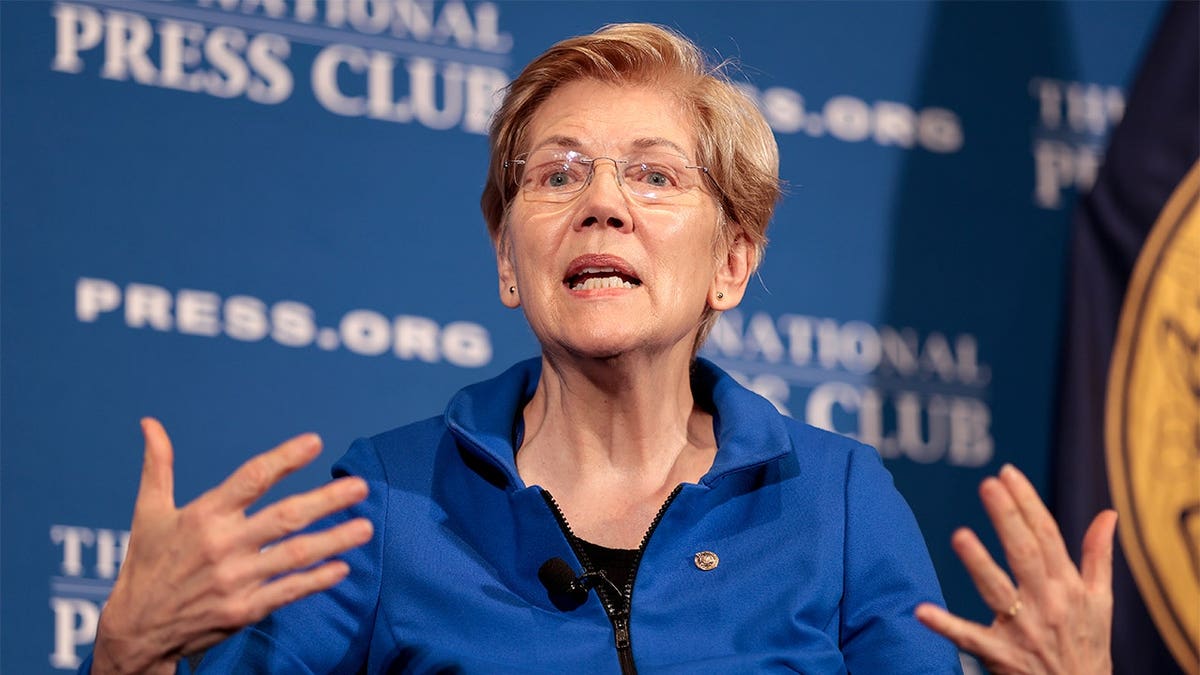
Senator Warren’s recent endorsement record extends beyond Platner and El-Sayed, revealing a broader pattern of backing candidates who ultimately struggled in their respective primary races. This cycle, her endorsements included:
- Katie Porter in California’s gubernatorial race: Porter, a popular progressive Congresswoman known for her sharp questioning of corporate executives, received Warren’s endorsement. Despite her strong national profile and fundraising ability, Porter ultimately lost her primary election, failing to advance to the general election. Her defeat underscored the challenges even well-known progressive figures can face in crowded and complex primary fields, particularly in a state as politically diverse as California.
- Mallory McMorrow in Michigan’s Senate race: McMorrow, a state senator who gained national attention for a viral speech defending LGBTQ+ rights, also received Warren’s backing for the U.S. Senate. However, McMorrow suspended her campaign before Michigan voters even cast their primary ballots, indicating an inability to gain sufficient traction or support to be a viable candidate.
- Zach Wahls in Iowa’s Senate race: Wahls, a prominent Iowa state legislator known for his advocacy for LGBTQ+ rights, was another recipient of Warren’s endorsement. Like Porter, Wahls lost his primary, preventing him from contesting the general election.
These outcomes – two primary losses and one campaign suspension – contribute to the narrative propagated by conservatives that Warren’s endorsements are a "kiss of death." While individual campaign dynamics and candidate specific challenges undoubtedly played a role in these results, the cumulative effect allows critics to question the efficacy and strategic wisdom of Warren’s endorsement choices. This pattern suggests that while Warren’s endorsements energize the progressive base, they may not always translate into broader primary or general election success, potentially alienating more moderate voters or failing to coalesce sufficient support.
Broader Implications for the Democratic Party and Progressive Movement
The ongoing debate surrounding Senator Warren’s endorsements highlights a significant internal tension within the Democratic Party: the balance between ideological purity and electability. The progressive wing, championed by figures like Warren, Bernie Sanders, and Alexandria Ocasio-Cortez, advocates for bold, transformative policies and often supports candidates who reject corporate donations and embrace democratic socialist ideals. They believe that an authentic progressive agenda can galvanize the base, attract new voters, and ultimately lead to a more just society.
However, more moderate Democrats and party strategists often express concern that endorsing candidates perceived as too far left can jeopardize victory in swing districts and states, especially in crucial general elections. They worry that labels like "socialist" or associations with controversial policies like "defund the police" are easily weaponized by Republicans, making it difficult for such candidates to win over independent and moderate voters. The Fox News article itself references a "Democratic civil war" over a "must-win Senate race," suggesting that top party leadership, like Senator Chuck Schumer, might have different priorities regarding candidate selection and endorsement strategy.
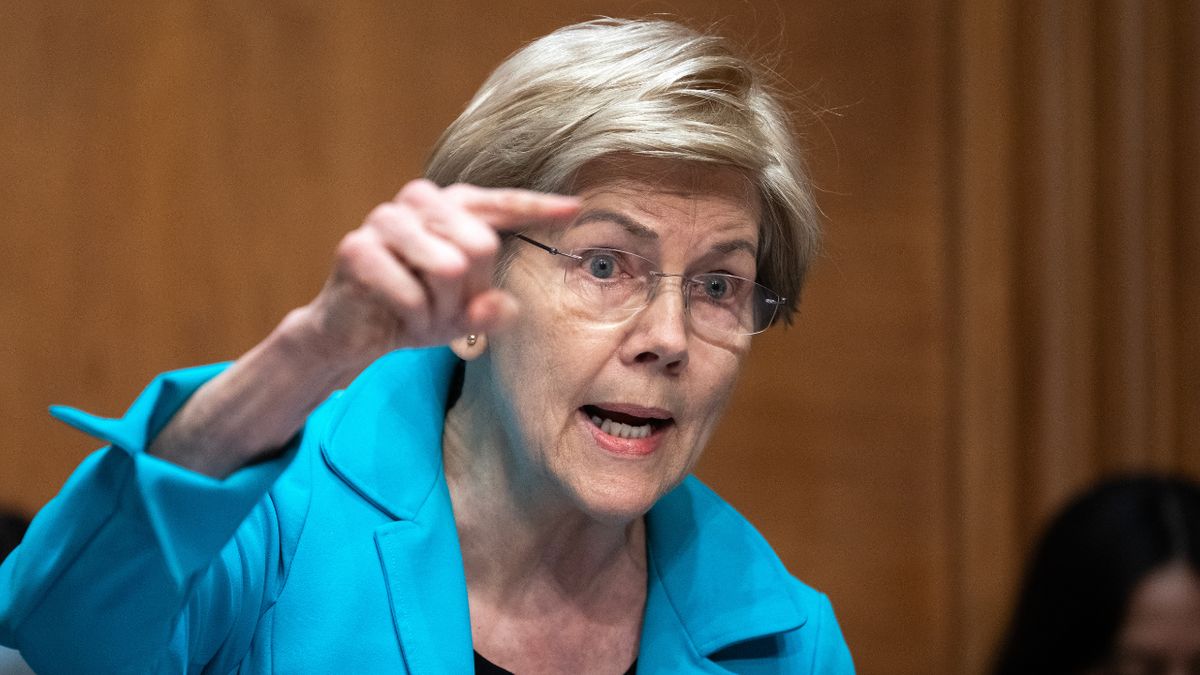
The conservative criticism, as articulated by the RNC and other commentators, is not merely about Warren’s choices but about exploiting these internal Democratic divisions. By portraying Warren’s endorsements as "toxic" and leading to "electoral oblivion," they aim to sow discord within the Democratic ranks and delegitimize the progressive agenda in the eyes of the broader electorate. The "kiss of death" narrative, while hyperbolic, serves to diminish the influence of progressive endorsements and perhaps even discourage future candidates from seeking them if they fear alienating moderate voters.
The Future of Progressive Endorsements and Democratic Strategy
As the Democratic Party navigates upcoming election cycles, the efficacy and impact of high-profile progressive endorsements will continue to be a subject of intense scrutiny. The outcomes of races involving candidates like Abdul El-Sayed in Michigan will serve as critical test cases. If progressive candidates supported by figures like Warren can overcome significant conservative opposition and win, it could bolster the argument for an unapologetically left-leaning strategy. Conversely, continued losses could strengthen the hand of moderates who advocate for a more centrist approach to candidate selection and policy platforms.
For Senator Warren herself, her endorsement record shapes her political legacy and influence. While her unwavering support for progressive ideals solidifies her standing with the party’s base, a consistent pattern of unsuccessful endorsements could diminish her perceived kingmaking ability and strategic acumen in broader electoral contests. The question remains whether the energy and ideological clarity provided by progressive endorsements can consistently translate into tangible electoral victories, or if the "toxic" label applied by critics will continue to hamper candidates in the crucial pursuit of governing power. The ongoing debate underscores the fundamental ideological and strategic fault lines within one of America’s two major political parties, with significant implications for the future direction of national politics.