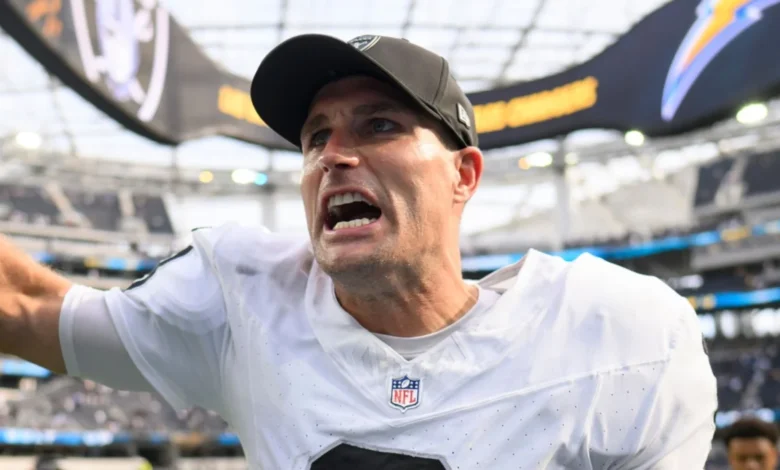
The Minnesota Vikings have officially completed a blockbuster trade to bring veteran quarterback Kirk Cousins back to the franchise, acquiring him from the Las Vegas Raiders in exchange for a 2027 third-round draft pick. This high-profile reunion brings an end to a turbulent chapter for the Vikings’ offense, which has struggled to find stability under center since Cousins departed for the Atlanta Falcons as a free agent in the spring of 2024.
For Las Vegas, the trade signals a decisive pivot toward the future. By parting ways with the veteran signal-caller, the Raiders are handing the reins of their offense over to 2026 No. 1 overall draft pick Carlos Mendoza, clearing the path for the rookie to gain invaluable, high-level starting experience. Meanwhile, Minnesota is making an aggressive push to rescue a campaign that has begun to unravel following a promising start, hoping that a familiar face can restore offensive rhythm to a team boasting a dominant defense and elite playmakers like wide receiver Justin Jefferson.
A Desperate Move Following Offensive Collapse
The catalyst for Minnesota’s sudden and aggressive trade maneuver occurred less than 24 hours prior to the announcement, during a dismal 23-6 defeat that exposed deep vulnerabilities within the Vikings’ quarterback room. With regular starting quarterback Kyler Murray sidelined due to a lingering hamstring injury, backup Carson Wentz was thrust into the starting lineup.
What followed was one of the worst quarterbacking performances in franchise history. Wentz struggled immensely from the opening whistle, finishing the game completing just 8 of 25 pass attempts for a paltry 81 yards. Compounding his dismal passing statistics were two costly interceptions and a bizarre, disastrous fumble in the first quarter when he badly overthrew a swing pass to Justin Jefferson. The errant pass traveled backward, resulting in a live ball that the defense capitalized on.
To make matters worse, Wentz was visibly hobbled throughout the contest due to an ankle injury. With the offense completely stagnant and unable to cross midfield with any consistency, head coach Kevin O’Connell was forced to pull Wentz midway through the fourth quarter, turning to Max Brosmer to close out the embarrassing loss.
The humiliating defeat dropped the Vikings’ record down to a concerning status following a blistering 6-2 start to the 2026 NFL season. Recognizing that their championship window—bolstered by a formidable defense and an otherwise explosive offensive supporting cast—was rapidly closing due to unstable quarterback play, the front office sprang into action to acquire Cousins. To facilitate the trade, the Vikings utilized an extra third-round draft pick they had acquired from the Philadelphia Eagles back in April as part of a draft-day swap involving edge rusher Jonathan Greenard.
The History: Cousins’ First Stint in Minnesota
To understand the magnitude of this reunion, one must look back at Kirk Cousins’ initial six-year tenure with the Minnesota Vikings, which spanned from 2018 through 2023. Initially signed in March 2018 as a marquee free agent on a fully guaranteed three-year contract, Cousins established himself as one of the most prolific and accurate passers in franchise history.
During his time in Minnesota, Cousins routinely posted elite passing numbers, earning multiple Pro Bowl nods and leading the Vikings to crucial postseason appearances. His finest hour with the franchise arguably came during the 2022 NFL season—head coach Kevin O’Connell’s debut campaign in Minneapolis. That year, Cousins orchestrated a staggering eight fourth-quarter comebacks and game-winning drives, carrying the Vikings to an impressive 13-4 record and an NFC North division title.
Cousins was playing perhaps the best football of his career at the start of the 2023 season. Through the first eight weeks, he was putting up MVP-caliber numbers, seamlessly operating O’Connell’s complex offensive scheme. However, tragedy struck in Week 8 during an away game against the Green Bay Packers at Lambeau Field. Late in the fourth quarter, Cousins suffered a devastating torn Achilles tendon, prematurely ending his season and, as it would turn out, his first chapter in Minnesota.
While Cousins worked tirelessly through his rehabilitation, the Vikings ultimately decided to pivot in free agency during the 2024 offseason, allowing the veteran quarterback to sign a lucrative multi-year deal with the Atlanta Falcons.
The Post-Cousins Quarterback Carousel
Since Cousins walked out the door in March 2024, the Minnesota Vikings have experienced a revolving door at the quarterback position. In the span of roughly two and a half seasons, the franchise has endured a staggering eight different starting quarterbacks, failing to establish any sense of long-term continuity or stability on offense.
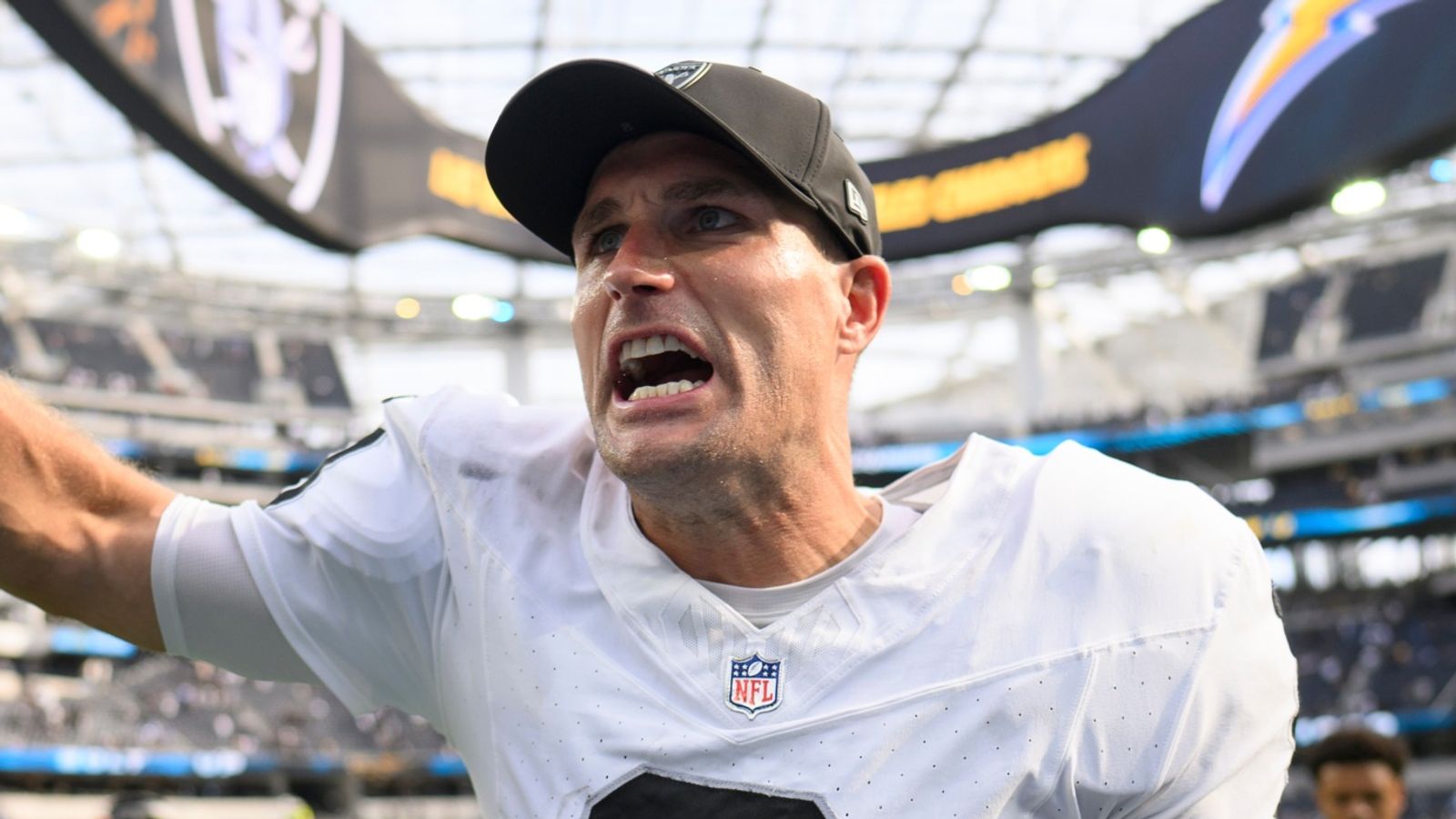
The front office attempted to bridge the gap through various veteran stopgaps, high-draft investments, and injury replacements, but none could replicate the steady production, high completion percentage, and deep understanding of O’Connell’s playbook that Cousins had provided for half a decade. The offensive inconsistency frustrated fans and wasted prime years of elite skill-position talent, most notably All-Pro wide receiver Justin Jefferson, who has seen his production fluctuate wildly depending on who is throwing him the football.
When Kyler Murray suffered his hamstring injury earlier this autumn, it laid bare the fragility of the Vikings’ roster construction. The drop-off from Murray to the backup tier was catastrophic, culminating in the historic nadir against the Buffalo Bills in Week 9 and the subsequent disaster against Carson Wentz’s start. Realizing that a talented roster was on the verge of missing the postseason entirely, Vikings general manager Kwesi Adofo-Mensah and head coach Kevin O’Connell recognized that an extraordinary mid-season intervention was mandatory.
Raiders Pivot to the Future with Carlos Mendoza
While the Minnesota Vikings mortgage a portion of their future draft capital to chase immediate contention, the Las Vegas Raiders are embracing a full-scale developmental timeline. By trading Cousins away, the Raiders are clearing the deck to give their prized asset—2026 No. 1 overall draft pick Carlos Mendoza—uncontested control of the starting offense.
Mendoza, who was selected at the top of the 2026 NFL Draft following a legendary collegiate career, has spent the first half of his rookie campaign observing, learning, and absorbing the speed of the professional game from the sidelines behind Cousins. While sitting behind an established veteran is a time-tested formula for quarterback development, the Raiders’ front office and coaching staff believe that the rookie is now mentally and physically prepared to absorb the rigors of starting every week.
In return for absorbing Cousins’ contract and parting with their veteran leader, the Raiders successfully extracted a valuable asset: a 2027 third-round draft pick. This extra draft capital will provide Las Vegas general manager and head coach with additional flexibility to build a young, dynamic supporting cast around Mendoza through upcoming drafts, reinforcing an organizational commitment to sustainable, long-term success rather than short-term band-aids.
Tactical Fit and Strategic Implications for Minnesota
Reintegrating Kirk Cousins into the Minnesota Vikings offense should prove relatively seamless from a schematic standpoint. Because Cousins spent six years mastering the foundational elements of the West Coast-derived scheme that head coach Kevin O’Connell implements, there is virtually zero learning curve regarding the playbook, terminology, or audibles at the line of scrimmage.
O’Connell’s offense thrives on rhythm, timing, precise route-running, and quick decision-making—traits that have always been hallmarks of Cousins’ game. Furthermore, the supporting cast currently assembled in Minneapolis is arguably superior to some of the supporting units Cousins worked with during his first tenure. With Justin Jefferson commanding double teams, a formidable rushing attack, and a strong offensive line, Cousins will step into an environment designed for immediate production.
Defensively, the Vikings have played at an exceptionally high level throughout the 2026 season, keeping the team competitive even when the offense has sputtered. If Cousins can simply provide competent, turnover-free football, sustain drives, and capitalize on scoring opportunities in the red zone, the Vikings’ elite defense will have the breathing room required to close out tight games.
Broader Impact on the NFC Playoff Race
The timing of this trade could not be more critical for the broader landscape of the NFC playoff race. Following their blistering 6-2 start, the Vikings have hit a wall, allowing division rivals and wild-card contenders to close the gap in the standings.
By aggressively making a move for a proven commodity like Cousins, Minnesota has signaled to the rest of the conference that they refuse to let a promising season slip away due to injuries and quarterback instability. The acquisition instantly recalibrates the power dynamics in the NFC North and the wider wild-card picture, transforming the Vikings back into a dangerous postseason threat.
As Cousins packs his bags for a familiar flight back to the Twin Cities, all eyes will be on how quickly the veteran can shake off any rust, integrate back into the locker room, and lead the Vikings onto the field. For Minnesota, the gamble is clear: sacrifice a future mid-round draft pick to buy back into the present, and hope that a familiar savior can lead them back to the promised land.