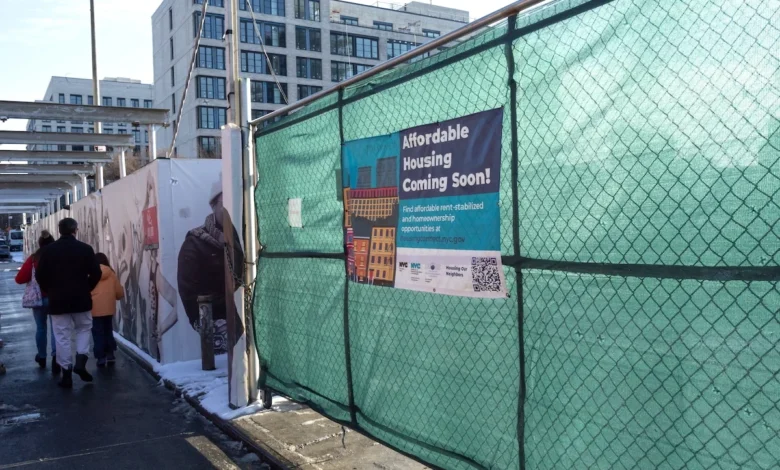
New York has officially become the first state in the nation to implement a comprehensive ban on fossil fuel equipment in most new buildings, following the finalization of the All-Electric Buildings Act by the State Fire Prevention and Building Code Council in late July 2025. The finalized regulations mark the culmination of a multi-year legislative and legal battle, effectively mandating that new residential and commercial developments transition to all-electric heating, cooling, and cooking systems. This shift is a cornerstone of the state’s broader strategy to meet the ambitious climate goals established under the Climate Leadership and Community Protection Act (CLCPA), which requires New York to reduce greenhouse gas emissions by 85% by 2050.
The new mandate, which was initially passed by the state legislature in 2023, sets a strict timeline for compliance based on building size and usage. Residential buildings up to seven stories tall and commercial or industrial structures smaller than 100,000 square feet must adhere to the all-electric requirements if their building permit applications are approved on or after December 31, 2025. Larger commercial and industrial buildings, defined as those exceeding 100,000 square feet, are granted a longer transition period, with a compliance deadline set for 2029. By removing gas hookups from the blueprint of future developments, New York aims to tackle the largest source of its carbon footprint: the built environment.
The Path to Implementation: A Chronology of Policy and Law
The journey toward a fossil-fuel-free building code began in earnest in 2019 with the passage of the CLCPA. This law mandated a radical overhaul of the state’s energy systems but left the specific mechanisms of building decarbonization to future legislation. In 2021, New York City took the lead by passing Local Law 154, which banned gas in most new buildings within the five boroughs. This local success provided the momentum for a statewide version, leading to the introduction of the All-Electric Buildings Act.
In May 2023, Governor Kathy Hochul and state legislators reached a budget agreement that included the core tenets of the Act. However, the path to finalization was obstructed by significant legal challenges. Following the 2023 passage, a coalition of trade groups, including the American Gas Association and various plumbing and heating contractors, filed lawsuits to block the law. They argued that the state mandate was preempted by the federal Energy Policy and Conservation Act (EPCA), the same legal argument used to successfully overturn a similar gas ban in Berkeley, California.
The legal uncertainty persisted until July 2025, when the U.S. District Court for the Northern District of New York ruled in favor of the state. The court determined that New York’s approach—which focuses on building codes and equipment standards rather than an outright ban on gas distribution—did not violate federal law. This ruling provided the State Fire Prevention and Building Code Council with the legal clearance to finalize the administrative rules, effectively setting the December 2025 start date in stone.
Environmental Imperatives and Emission Data
The primary driver behind the All-Electric Buildings Act is the urgent need to decarbonize New York’s aging and energy-intensive building stock. According to the New York State Department of Environmental Conservation (DEC), buildings are responsible for approximately 31% of the state’s total greenhouse gas emissions. This figure accounts for the onsite combustion of fossil fuels for space heating, water heating, and cooking, as well as the leakage of methane from aging gas infrastructure.
By mandating electric heat pumps and induction stoves in new construction, the state expects to see a significant drop in both carbon dioxide and methane emissions. Proponents of the law point out that as the New York electrical grid becomes cleaner—fueled by an increasing share of offshore wind, solar, and hydroelectric power—the emissions profile of all-electric buildings will continue to improve. This "decarbonization of the grid" ensures that electric buildings built today will become even more environmentally friendly over their operational lifespan.
Furthermore, the act addresses indoor air quality concerns. Studies from organizations like the Rocky Mountain Institute have indicated that gas stoves release nitrogen dioxide and particulate matter, which are linked to increased rates of childhood asthma and other respiratory issues. The transition to induction cooking is therefore framed not only as a climate necessity but as a public health intervention.
Economic Implications for Homeowners and Developers
While the transition to all-electric systems represents a shift in construction practices, data suggests that the long-term economic benefits may outweigh the initial hurdles. Analysis provided by the New Buildings Institute indicates that constructing all-electric single-family homes can actually be more cost-effective than building conventional homes with gas infrastructure. Savings are primarily realized through the elimination of gas piping, meters, and venting systems, which can reduce initial construction costs by approximately $7,500 to $8,200 per unit.

For residents, the shift to electric heat pumps—which provide both heating and cooling—is expected to result in lower monthly utility bills. Estimates suggest that the All-Electric Buildings Act could reduce energy usage in New York homes by about 17%. Over a 30-year period, this efficiency is projected to save the average household nearly $5,000 in energy costs. Additionally, as the state implements its "Cap-and-Invest" program, the cost of fossil fuels is expected to rise, further increasing the relative affordability of electricity.
However, the transition is not without its critics. Real estate developers have expressed concerns regarding the capacity of the electrical grid to handle the increased load, particularly during peak winter heating periods. In response, the state has allocated billions of dollars toward grid modernization and the development of thermal energy networks, which allow multiple buildings to share heat through a loop of water pipes, reducing the strain on the electrical infrastructure.
Scope of Exemptions and Technical Nuances
Recognizing that certain industries have unique energy requirements that cannot yet be met by current electric technology, the All-Electric Buildings Act includes a series of specific exemptions. These exemptions apply to facilities where high-heat processes or specialized equipment are essential to operations. Key categories include:
- Medical Facilities and Hospitals: Where reliable, redundant energy systems are critical for life-saving equipment.
- Laboratories: Which often require specialized gas-fired burners or high-temperature sterilization.
- Commercial Kitchens and Restaurants: Though many chefs are transitioning to induction, certain high-volume commercial cooking applications remain exempt for the time being.
- Crematoriums and Industrial Plants: Where electric alternatives for high-intensity thermal processes are currently unavailable or prohibitively expensive.
- Agricultural Buildings: Including greenhouses that may rely on specific CO2 enrichment or heating configurations.
These exemptions are designed to be temporary, with the law requiring periodic reviews by state agencies to determine if technological advancements allow for further electrification in these sectors.
Stakeholder Reactions and Social Advocacy
The finalization of the rule has drawn sharp reactions from both sides of the energy debate. Environmental justice groups, who have long campaigned for the "electrify everything" movement, hailed the decision as a historic victory. Dawn Wells-Clyburn, executive director of PUSH Buffalo, emphasized that the act prioritizes community health over the interests of the fossil fuel industry. "The fossil fuel industry was sent a powerful message by the court—the health, well-being, affordability, and prosperity of our communities matters more than the industry’s profits," Wells-Clyburn stated.
Conversely, industry groups continue to voice opposition, citing potential threats to energy reliability and consumer choice. Some trade unions, particularly those representing gas fitters and pipefuckers, have expressed concern over job losses in the gas sector, although the state has countered these fears by pointing to the massive surge in demand for heat pump installers and electricians. The New York State AFL-CIO has been active in negotiations to ensure that the transition includes "just transition" provisions, such as retraining programs for workers affected by the shift away from gas.
Alex Beauchamp, Northeast region director at Food & Water Watch, noted the significance of the grassroots effort required to pass the bill. "When New Yorkers come together… we can win even in the face of opponents with an almost-limitless budget," Beauchamp said. He added that the next phase of the struggle will involve retrofitting New York’s millions of existing buildings, a much larger and more complex challenge than mandating changes for new construction.
National Impact and Future Outlook
As the first state to successfully navigate the legislative and legal hurdles of a statewide building electrification mandate, New York is being watched closely by other climate-forward states. Washington and California have attempted similar measures, often facing legal setbacks or implementing more localized restrictions. New York’s success in defending its building code in federal court provides a potential blueprint for other jurisdictions seeking to bypass the "Berkeley precedent."
The broader implications of the All-Electric Buildings Act extend beyond the state’s borders. By creating a massive, guaranteed market for electric heating and cooling technology, New York is likely to drive down the costs of heat pumps and induction appliances nationwide through economies of scale. This "market transformation" effect is a key component of national decarbonization strategies.
However, the act’s survival is not entirely guaranteed. Industry groups have reportedly petitioned the U.S. Department of Justice and continue to seek avenues for federal intervention or further appeals. For now, New York developers and architects are moving forward with plans for a fossil-fuel-free future. As the December 31, 2025, deadline approaches, the state stands at the forefront of a global movement to redefine the relationship between urban living and the energy that sustains it. The success of this transition will depend on the continued expansion of renewable energy sources and the state’s ability to ensure that the benefits of electrification—lower bills and cleaner air—are distributed equitably across all socioeconomic levels.