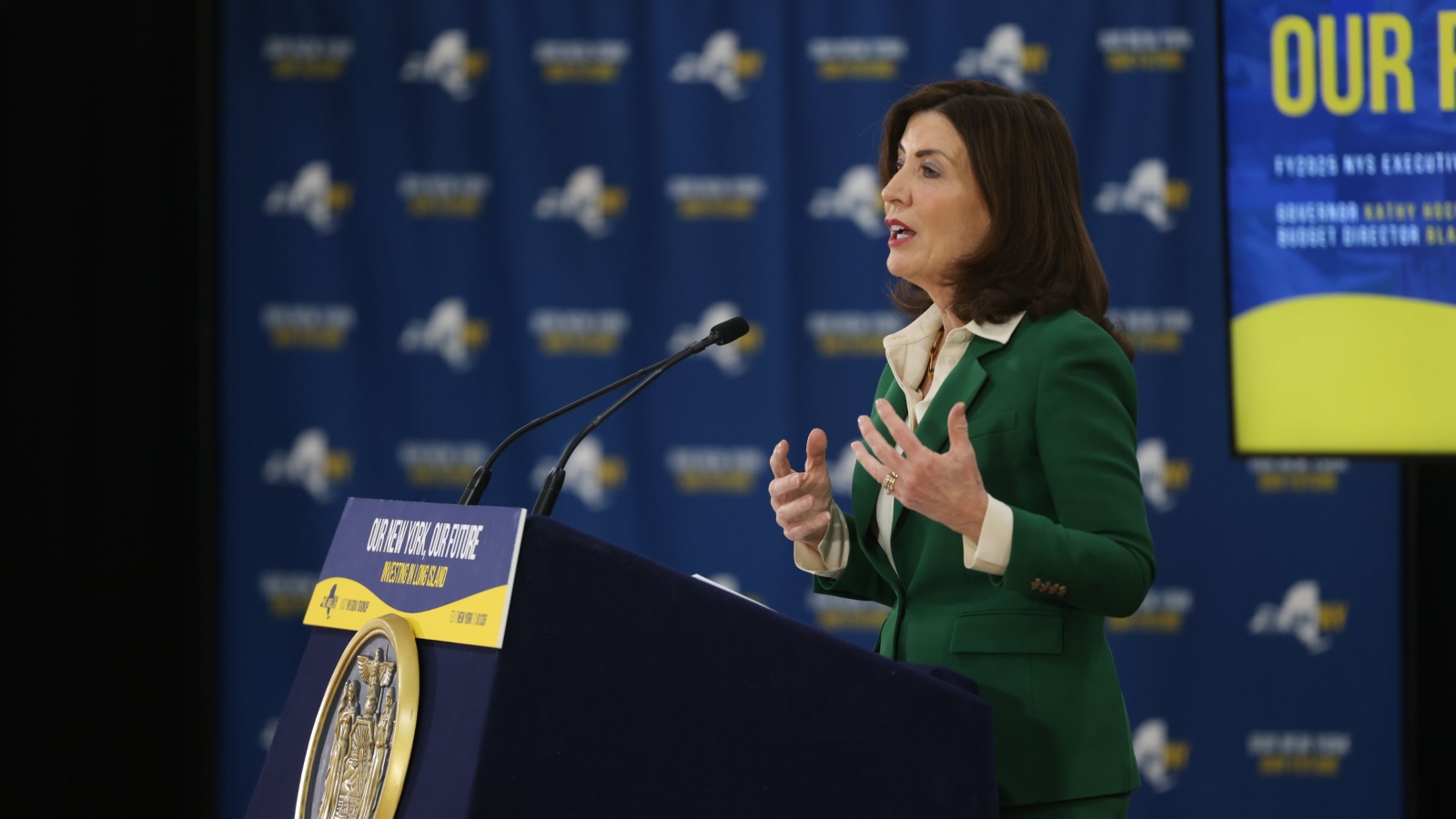
New York Governor Kathy Hochul, a Democrat, signed a landmark executive order on Tuesday, July 14, 2026, establishing a one-year moratorium on the construction of new large-scale data centers across the state. This move makes New York the first state in the nation to implement a statewide pause on such facilities, marking a significant escalation in the growing national tension between the rapid expansion of the artificial intelligence (AI) industry and the stability of the American energy grid. The executive order directs the New York State Department of Public Service (DPS) to immediately cease the issuance of new permits for "hyperscale" data centers while the state conducts a comprehensive analysis of their environmental impact, their effect on consumer utility rates, and their overall strain on the state’s transition toward renewable energy.
The Governor’s decision comes at a time when technology giants—including Microsoft, Google, Amazon, and Meta—are investing hundreds of billions of dollars globally to expand their computing infrastructure. Much of this growth is fueled by the unprecedented processing demands of generative AI, which requires significantly more electricity and water for cooling than traditional cloud storage services. By pausing new developments, New York officials aim to prevent a scenario where sudden spikes in industrial energy demand force utility companies to raise prices for residential consumers or delay the state’s ambitious climate goals.
The Rational Behind the Moratorium: Energy and Economics
In a formal statement accompanying the executive order, Governor Hochul emphasized the necessity of balancing technological progress with the economic security of New York residents. "As data center development threatens to hike up utility bills, deplete our natural resources, and create uncertainty for New Yorkers, it’s my responsibility to take action and lead," Hochul said. Her administration’s primary concern centers on the sheer volume of power these facilities consume. A single hyperscale data center can require as much electricity as a medium-sized city, often operating 24 hours a day, 365 days a year.
The moratorium is designed to provide a "cooling-off period" for state regulators. During the next 12 months, the DPS will lead a multi-agency study to determine exactly how many megawatts the proposed data center pipeline would require. Furthermore, the agency will launch a proceeding to establish new regulatory requirements for the industry. A central component of this proceeding will be a "pay-to-play" or "self-supply" mandate. Under this proposed framework, data centers would either be required to pay a premium for grid-supplied energy—effectively subsidizing the costs for residential users—or they would be forced to build their own dedicated renewable energy sources, such as on-site solar or wind farms, to offset their consumption.
A Timeline of Growing Legislative Pressure
The executive order follows months of legislative maneuvering in Albany. In June 2026, the New York State Legislature passed a separate, more restrictive data center moratorium bill (S10642). That legislation sought a longer-term ban and more stringent environmental reviews. While Governor Hochul has not yet signed that specific bill into law, her executive order serves as an immediate administrative stopgap that achieves many of the same goals while maintaining executive control over the process.
New York is not the only state where this issue has reached a boiling point. Earlier in 2026, Maine Governor Janet Mills, also a Democrat, faced similar pressure to enact a statewide ban. However, Governor Mills ultimately vetoed the measure, citing concerns that a blanket ban would stifle innovation and drive high-paying tech jobs to neighboring states. In contrast, New York’s approach seeks to leverage its market size to force the industry into a more sustainable model rather than rejecting it entirely.
The national landscape has seen various local-level restrictions. In northern Virginia, known as "Data Center Alley," local boards have recently faced fierce public opposition to new projects, leading to stricter zoning laws and noise ordinances. However, New York’s action is unique because it shifts the authority from local zoning boards to the state’s executive branch, signaling that data center energy consumption is now being treated as a matter of statewide infrastructure security.
Supporting Data: The Rising Cost of the AI Revolution
The data supporting the Governor’s concerns is stark. According to reports from the International Energy Agency (IEA), data center energy consumption globally could double by 2026 compared to 2022 levels. In the United States, data centers are projected to consume roughly 6% of the nation’s total electricity by 2028, up from approximately 2.5% today.
In New York, the challenge is compounded by the state’s Climate Leadership and Community Protection Act (CLCPA), which mandates that 70% of the state’s electricity come from renewable sources by 2030. The sudden influx of data center applications—many of which are concentrated in the Hudson Valley and Western New York—threatens to absorb the new renewable capacity as fast as it is built, leaving little room for the electrification of homes and transportation.
Preliminary estimates from the New York Independent System Operator (NYISO) suggest that if all currently proposed data center projects in the state were to move forward without mitigation, the resulting demand could necessitate the continued operation of older, fossil-fuel-burning "peaker" plants that the state had planned to decommission. This would create a direct conflict with New York’s legal mandates to reduce carbon emissions.
New Requirements and Community Frameworks
Beyond the moratorium, Governor Hochul’s order introduces a new "Community Negotiation Framework." This directive tasks the state’s economic development agency, Empire State Development (ESD), with creating a standardized set of requirements for tech companies. Under this framework, any company wishing to build a data center in New York once the moratorium is lifted must demonstrate how they will benefit the local community. These benefits include:
- Infrastructure Improvements: Direct funding for local electrical grid upgrades and water management systems.
- Child Care Investments: Mandatory contributions to local child care funds to support the workforce in the surrounding area.
- Labor Standards: Strict adherence to prevailing wage standards and the use of union labor for construction.
- Direct Financial Support: Community benefit agreements that provide recurring revenue to local school districts and municipalities.
Furthermore, the Governor has called on the state legislature to repeal existing sales tax exemptions for large-scale data centers. Currently, many of these facilities benefit from millions of dollars in tax breaks intended to attract "high-tech" industry. The Hochul administration now argues that these incentives are unnecessary for an industry that is expanding out of necessity and provides relatively few permanent jobs once construction is completed.
Industry and Environmental Reactions
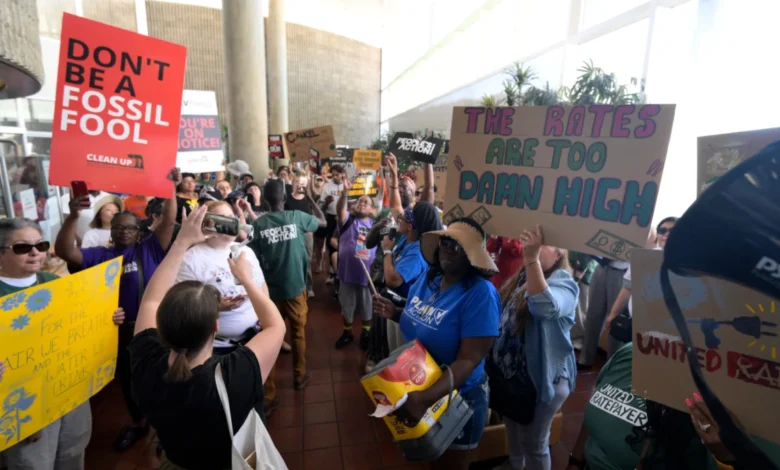
The reaction to the moratorium has been polarized. Environmental advocacy groups, such as the Sierra Club and various local "No Data Center" coalitions, have hailed the move as a victory for climate justice. "We cannot allow the profit motives of Big Tech to jeopardize our transition to a green economy," said a spokesperson for a coalition of New York environmentalists. "The Governor is rightly prioritizing the lungs and the wallets of New Yorkers over the computing needs of AI chatbots."
Conversely, industry trade groups have expressed concern that the moratorium will send a negative signal to the global tech sector. Representatives from the Data Center Coalition argued in a preliminary statement that New York risks falling behind in the "AI arms race." They contend that by making it more expensive and difficult to build in New York, the state is effectively pushing these multi-billion-dollar investments to states with fewer regulations, such as Ohio or Texas, without actually reducing the global carbon footprint of the industry.
Analysis of Broader Implications
The New York moratorium is likely to serve as a bellwether for other states grappling with the energy demands of the digital age. If New York successfully implements a "pay-to-play" model where tech companies fund the transition to renewables, it could provide a blueprint for a national policy. However, the risk remains that this could lead to a fragmented "patchwork" of regulations, where data centers are clustered in states with the least environmental oversight, potentially leading to greater overall emissions if those states rely heavily on coal or natural gas.
The next 12 months will be critical for the New York Department of Public Service. The agency’s forthcoming environmental and economic analysis will likely determine the long-term viability of the tech industry in the Empire State. For now, the moratorium serves as a firm reminder that in the era of artificial intelligence, the most valuable resource is no longer just data—it is the electricity required to process it. As New York waits for the results of the DPS study, the tech industry and utility consumers alike will be watching closely to see if other governors follow Hochul’s lead in prioritizing grid stability over rapid industrial expansion.