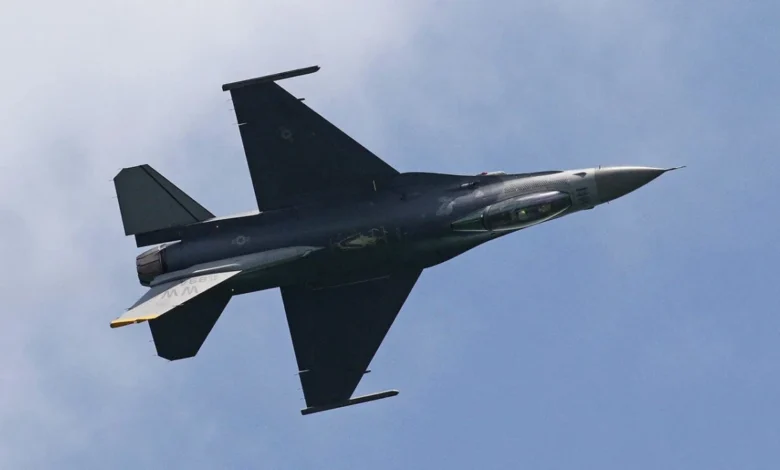
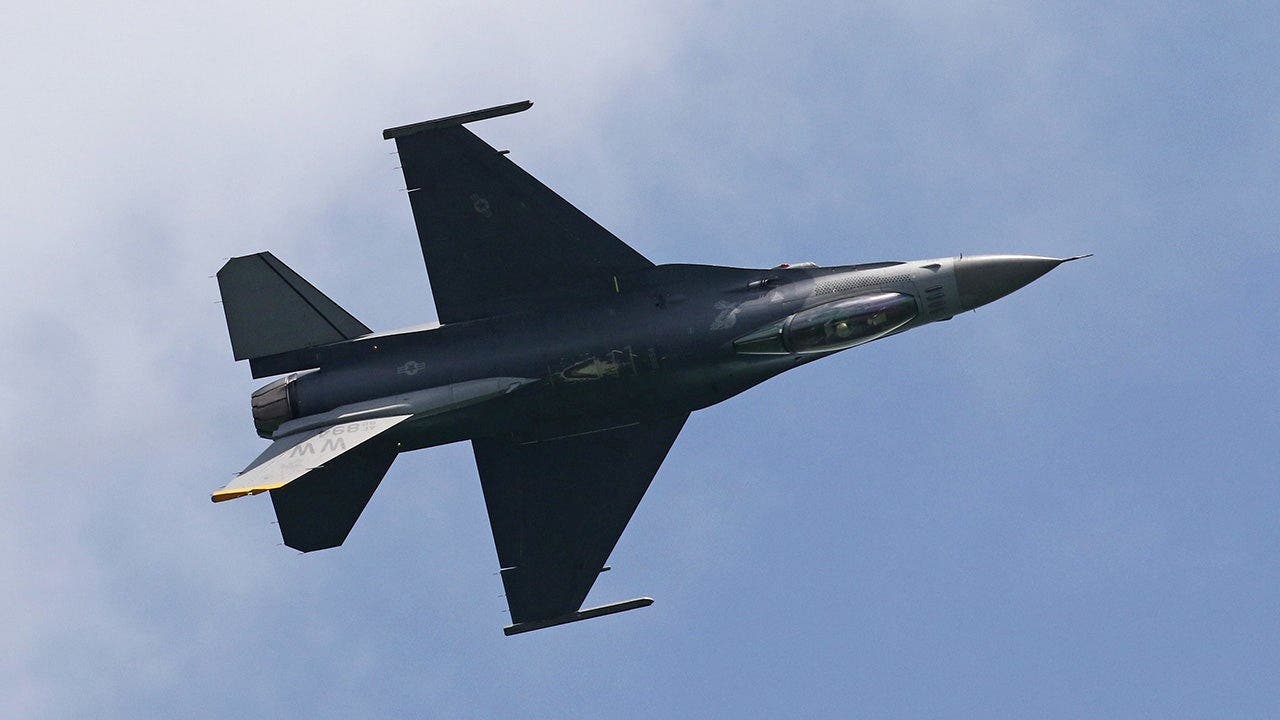
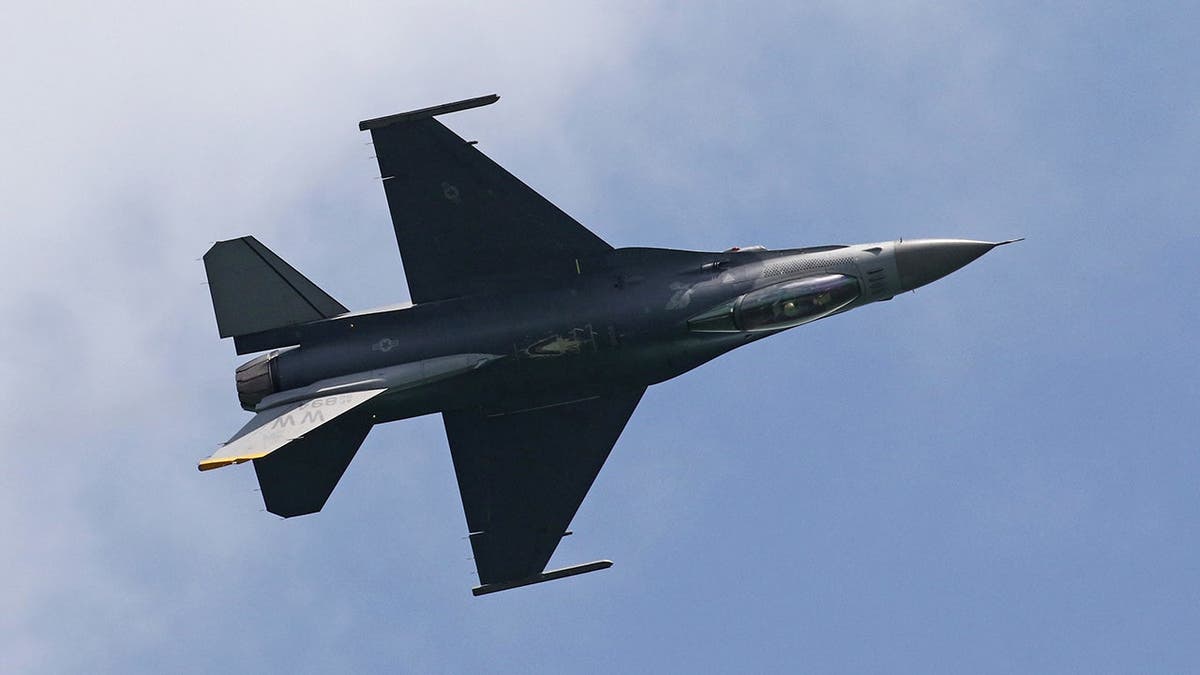
A North American Aerospace Defense Command (NORAD) F-16 fighter jet was scrambled on Saturday morning to intercept a civilian aircraft that had breached the highly restricted airspace surrounding the presidential retreat at Camp David, Maryland. The incident occurred while President Donald Trump was in residence at the facility, necessitating an immediate security response to neutralize a potential airborne threat.
According to officials from the Defense Visual Information Distribution Service (DVIDS), the intercept was conducted according to established national defense protocols. The fighter jet deployed flares—a standard non-verbal communication tool used by military pilots to capture the attention of civilian aviators who may be unaware they have entered a forbidden zone. Following the signal, the unidentified aircraft was safely escorted out of the restricted area without further escalation.
Chronology of the Interception
The unauthorized flight path was detected by NORAD’s integrated surveillance network shortly after the pilot entered the protected zone near Thurmont, Maryland. Given the proximity to the President, the response was swift. NORAD, the bi-national military organization responsible for the aerospace warning and aerospace control for North America, maintains a continuous watch over the continental United States.
Upon identifying the target as a general aviation aircraft, the F-16 pilot executed a standard interception maneuver. After the deployment of flares, the pilot of the civilian plane established contact and complied with instructions to reverse course. The transition from a potential security breach to a controlled exit was completed within minutes, ensuring that the presidential retreat remained secure. No further action was required against the aircraft, and the incident concluded without damage or injury.
The Security Architecture of Camp David
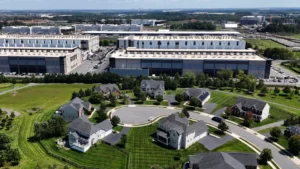
Camp David, situated within the Catoctin Mountain Park in Frederick County, Maryland, is subject to a permanent no-fly zone, formally designated by the Federal Aviation Administration (FAA) as Prohibited Area P-40. When the President is present, these restrictions are significantly tightened, often extending the radius of the Temporary Flight Restriction (TFR) to prevent any unauthorized proximity to the grounds.
These TFRs are not merely logistical inconveniences; they are critical components of the national security apparatus. The airspace surrounding the retreat is monitored by a layered defense system that includes ground-based radar, airborne early warning aircraft, and rapid-response interceptors stationed at nearby bases. The intent is to provide a "sterile" environment that allows for the secure movement and residency of the Commander-in-Chief.
Technical Guidelines and Pilot Responsibility
Following the incident, the First Air Force—the component of NORAD responsible for the continental United States—reiterated the importance of situational awareness for private pilots. In a statement released via social media, officials emphasized that the onus of compliance rests with the pilot in command.
"Should NORAD aircraft intercept a general aviation aircraft, the pilot should immediately come up on frequency 121.5 or 243.0 and turn around to reverse course until receiving additional instructions on one of those frequencies," the command noted.
The military strongly advises all pilots to consult Notices to Air Missions (NOTAMs) prior to every takeoff. NOTAMs contain essential information concerning TFRs, temporary obstacles, and military training exercises that could pose a hazard to flight safety. Failure to verify these notices is the primary cause of the vast majority of airspace violations.
Contextualizing the Breach: A Recurring Challenge
This weekend’s interception is part of a broader, recurring pattern of airspace incursions across the United States. While most breaches are the result of pilot error, navigation failure, or a lack of familiarity with TFR protocols, the security services must treat every violation as a potentially hostile act until proven otherwise.
Earlier this year, NORAD assets were deployed to intercept multiple aircraft in the New Jersey area for similar violations. These events underscore the difficulty of policing the dense and highly active civilian airspace of the Eastern Seaboard. Similar to the current situation at Camp David, those incidents concluded with the civilian pilots being diverted by military escorts.
A previous incident occurred in June, involving a similar interception over the Camp David area while President Trump was present. The consistency of these incursions has led some aviation security experts to call for more aggressive pilot education programs or enhanced digital "geofencing" technology that could alert civilian cockpit avionics when an aircraft approaches a restricted zone.
Strategic Implications and Defense Analysis
The interception of an unauthorized aircraft raises questions regarding the balance between the rights of civilian aviators and the necessity of presidential security. From a defense perspective, the rapid response time of the F-16 demonstrates the effectiveness of the current integrated air defense system. However, the frequency of these incursions highlights a persistent vulnerability in the civilian aviation sector: the human element.
Security analysts often note that the "noise" created by thousands of daily civilian flights can create a permissive environment for potential bad actors to hide in plain sight. Consequently, NORAD and the FAA must maintain an uncompromising stance on intrusions. By forcing a diversion, the military ensures that the "intent" of the pilot is either corrected or clarified.
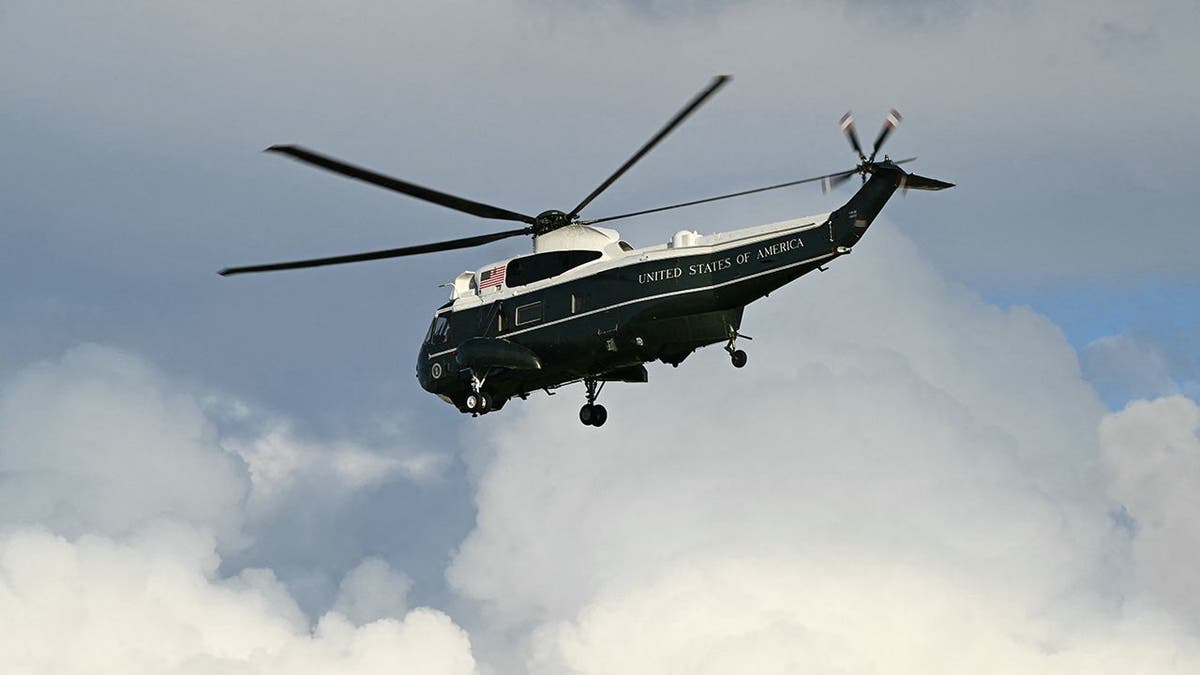
Furthermore, the economic and operational costs of these scrambles are significant. Every time a fighter jet is launched to intercept a wayward Cessna or Piper aircraft, it incurs fuel costs, maintenance wear-and-tear, and the opportunity cost of diverting military assets from other mission requirements. Despite this, the protection of the head of state remains the top priority, and the "flares-and-escort" method remains the most efficient way to manage these encounters without resorting to lethal force.
Future Policy and Regulatory Outlook
As technology evolves, there is ongoing discussion regarding how to better inform pilots of restricted zones. Proposals have included the integration of real-time TFR data into commercial GPS units and flight planning software. Currently, while most high-end avionics packages include these features, older or lower-cost systems often rely on the pilot’s manual input of data—a process prone to human error.
Legislators and aviation authorities have occasionally debated whether to impose harsher penalties for pilots who violate protected airspace. Currently, the FAA can issue fines, suspend licenses, or pursue criminal charges in extreme cases. However, determining "intent" remains the primary hurdle for legal prosecution. If a pilot is simply lost or experiencing a mechanical failure, the approach is typically educational. If there is evidence of malicious intent, the response from federal agencies is swift and severe.
Conclusion
The incident at Camp David serves as a stark reminder of the vigilant watch maintained by the United States military over its domestic airspace. While the event was resolved safely and without incident, it highlights the constant intersection of civilian aviation and national security. For the pilots traversing the skies of Maryland and beyond, the message remains clear: check the NOTAMs, stay alert, and respect the boundaries that ensure the safety of the nation’s leadership.
As President Trump continues his stay at the retreat, NORAD will maintain its enhanced monitoring posture. The successful resolution of Saturday’s encounter is a testament to the coordination between the FAA’s air traffic controllers and the military’s intercept teams, a partnership that remains the bedrock of American homeland defense.