The Ultimate One-Pot Red Wine Pasta: A Deep Dive for Food Enthusiasts and SEO Optimization
This article provides a comprehensive guide to creating the ultimate one-pot red wine pasta, a dish designed for maximum flavor extraction and minimal cleanup. We will explore the science behind why this method works, delve into ingredient selection for optimal results, and offer detailed instructions for achieving perfection. Furthermore, this content is meticulously crafted to be SEO-friendly, targeting keywords such as "one pot pasta," "red wine pasta recipe," "easy dinner recipes," "weeknight meals," "vegetarian pasta," and "quick pasta dishes." The goal is to establish this recipe as a go-to resource for home cooks seeking both culinary excellence and online discoverability.
The foundational principle of one-pot pasta lies in the intelligent integration of all ingredients into a single cooking vessel. This allows for a harmonious blending of flavors, where the liquid not only cooks the pasta but also emulsifies with the starches released from the pasta itself, creating a rich, velvety sauce. In the case of red wine pasta, the red wine plays a crucial role beyond simply adding liquid. Its acidity helps to tenderize the ingredients, its tannins contribute to a more complex flavor profile, and its inherent deep color infuses the entire dish. By simmering the pasta directly in a broth, tomato base, and red wine mixture, we achieve a concentrated flavor that would be difficult to replicate with separate cooking methods. This method also minimizes the need for excessive stirring or the risk of overcooking any single component. The key is achieving the right liquid-to-pasta ratio and controlling the heat to ensure the pasta cooks evenly and absorbs the flavorful cooking liquid.
Ingredient selection is paramount for a truly exceptional one-pot red wine pasta. For the pasta itself, a short, sturdy shape is ideal. Think rigatoni, penne, fusilli, or farfalle. These shapes have crevices that capture the sauce beautifully and hold up well to simmering without becoming mushy. Avoid long pasta like spaghetti or linguine for this specific one-pot method, as they can clump and cook unevenly. The quality of the red wine significantly impacts the final taste. Opt for a dry, medium-bodied red wine that you would also enjoy drinking. Avoid sweet wines or those with overly harsh tannins. A Merlot, Chianti, or a Côtes du Rhône are excellent choices. They offer a good balance of fruitiness and earthiness without overpowering the other flavors. If a vegetarian option is desired, ensure the wine is vegan-friendly.
The base of the sauce is equally important. Crushed tomatoes provide a crucial acidic and sweet element, forming the foundation of the sauce. Good quality canned crushed tomatoes are a reliable choice. For added depth and umami, consider incorporating tomato paste. This concentrated form of tomato intensifies the flavor and helps to thicken the sauce. Aromatic vegetables like onion and garlic are non-negotiable. Finely diced yellow onion will sweat down and add a subtle sweetness, while minced garlic provides its characteristic pungent aroma and flavor. Fresh herbs are essential for brightness and complexity. Thyme, rosemary, or oregano work exceptionally well with red wine. Consider adding a bay leaf during the simmering process for an extra layer of herbaceousness.
For richness and body, good quality olive oil is vital. It’s used to sauté the aromatics and also contributes to the emulsion of the sauce. Vegetable or chicken broth can be used as the primary liquid along with the wine. Opt for low-sodium versions to better control the saltiness of the final dish. Nutritional yeast is a fantastic ingredient for adding a cheesy, umami flavor to vegetarian or vegan versions of this pasta, mimicking the savory depth often provided by Parmesan cheese. Finally, salt and freshly ground black pepper are the essential finishing touches, used to season at various stages of the cooking process.
Let’s embark on the practical execution of the ultimate one-pot red wine pasta. Begin by finely dicing one medium yellow onion and mincing 4-6 cloves of garlic. The precise amount of garlic can be adjusted to personal preference, but this range provides a robust flavor. Heat 2 tablespoons of good quality olive oil in a large, deep skillet or Dutch oven over medium heat. Add the diced onion and sauté for 5-7 minutes, or until softened and translucent. This sweating process is crucial for developing sweetness and preventing a raw onion taste.
Next, add the minced garlic to the skillet and sauté for another 1-2 minutes until fragrant. Be careful not to burn the garlic, as this will impart a bitter flavor. Stir in 2 tablespoons of tomato paste and cook for 1 minute, stirring constantly. This step caramelizes the tomato paste, deepening its flavor and removing any raw metallic notes.
Now, it’s time to introduce the star of the dish: the red wine. Pour in 1.5 cups of your chosen dry red wine. Bring it to a simmer and scrape up any browned bits from the bottom of the pan. Allow the wine to simmer for 3-5 minutes, reducing slightly and allowing some of the alcohol to evaporate, leaving behind its concentrated flavor.
Add one 28-ounce can of crushed tomatoes, 4 cups of vegetable or chicken broth, and 1 teaspoon of dried oregano (or 1 tablespoon of fresh oregano). If using fresh herbs like thyme or rosemary, add a sprig or two now. Season with 1 teaspoon of salt and ½ teaspoon of freshly ground black pepper. Stir everything to combine.
Bring the liquid mixture to a rolling boil. Once boiling, add 12 ounces of your chosen short pasta shape (rigatoni, penne, etc.). Stir the pasta into the liquid, ensuring it is mostly submerged. Reduce the heat to medium-low, cover the skillet or Dutch oven, and let it simmer. It is crucial to stir the pasta every 2-3 minutes to prevent it from sticking to the bottom of the pan and to ensure even cooking.
The simmering time will vary depending on the type and brand of pasta used, typically ranging from 12-18 minutes. The goal is for the pasta to be al dente – cooked through but still firm to the bite – and for the liquid to have reduced to a rich, saucy consistency that coats the pasta beautifully. If the sauce becomes too thick before the pasta is cooked, add a splash more broth or water. Conversely, if the sauce is still too thin after the pasta is al dente, remove the lid and increase the heat slightly for the last few minutes of cooking, stirring constantly, to allow excess liquid to evaporate.
Once the pasta is perfectly al dente and the sauce has reached the desired consistency, remove the sprig of herbs (if used). Stir in 2 tablespoons of nutritional yeast, if making a vegetarian or vegan version. Taste and adjust seasoning with more salt and pepper as needed.
For an even richer and more decadent finish, consider adding a tablespoon or two of butter or a drizzle of high-quality extra virgin olive oil just before serving. This will add a glossy sheen and further enhance the creamy texture of the sauce.
Optional additions can elevate this one-pot red wine pasta to new heights. For a heartier meal, sautéed mushrooms (cremini, shiitake, or a mix) can be added with the onions. Sun-dried tomatoes, rehydrated and chopped, offer an intense burst of tomato flavor and a chewy texture. For a touch of spice, a pinch of red pepper flakes can be added with the garlic. A handful of fresh spinach can be stirred in during the last few minutes of cooking, wilting into the sauce for added nutrients and color.
For those who enjoy a meatier dish, consider adding browned Italian sausage, ground beef, or pancetta at the beginning of the cooking process, after sautéing the aromatics, before deglazing with the red wine. Ensure any excess fat is drained before proceeding.
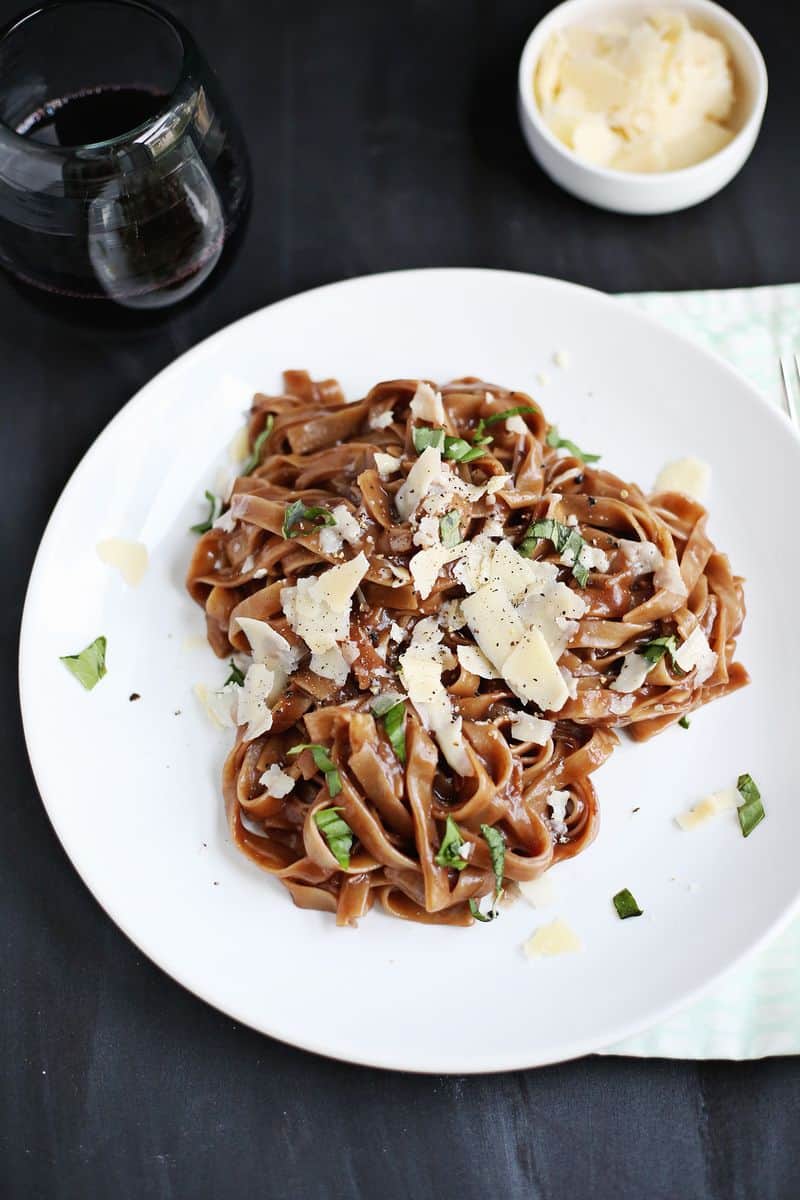
Serving this one-pot red wine pasta is a simple yet satisfying affair. Garnish with fresh chopped parsley for a bright, herbaceous finish. A sprinkle of grated Parmesan cheese (or a vegan alternative) is a classic accompaniment, though the nutritional yeast provides a good base flavor if omitting dairy. Serve immediately, allowing diners to enjoy the rich, complex flavors of a dish that required minimal effort and yielded maximum reward. This recipe is perfect for busy weeknights, as it comes together quickly and with minimal cleanup, making it an ideal solution for "easy dinner recipes" and "quick pasta dishes."
The SEO potential of this one-pot red wine pasta recipe is significant. By strategically incorporating keywords like "one pot pasta," "red wine pasta," "easy dinner recipes," "weeknight meals," "vegetarian pasta," "quick pasta dishes," and "pasta recipe," this article aims to rank highly in search engine results pages. The detailed instructions and ingredient breakdown cater to a wide audience, from novice cooks seeking straightforward "easy dinner recipes" to more experienced individuals looking for nuanced flavor development in their "quick pasta dishes." The emphasis on the "one pot" aspect directly addresses the growing demand for convenient and time-saving meal solutions, a key factor in many searches for "weeknight meals."
Furthermore, the inclusion of vegetarian and vegan options, specifically mentioning nutritional yeast, broadens the appeal and targets searches for "vegetarian pasta" recipes. The detailed explanation of the cooking process, from sautéing aromatics to achieving the perfect al dente texture, provides valuable content for users seeking comprehensive guidance on making the "ultimate one-pot red wine pasta." This layered approach ensures that the article is not only informative and delicious but also highly discoverable by individuals actively searching for this type of dish. The emphasis on flavor development through techniques like deglazing with red wine and caramelizing tomato paste adds a layer of culinary expertise that will resonate with food enthusiasts and improve user engagement. The structured format, with clear headings and actionable steps, enhances readability and makes the recipe easy to follow, further contributing to its SEO performance through positive user signals.

